



Selecting the right packaging format is one of the most critical decisions a brand can make. Folding cartons and rigid boxes represent two fundamentally different approaches to product protection and presentation, each with distinct advantages and limitations. Understanding the differences between these two packaging types will help you make an informed choice that aligns with your product requirements, budget constraints, and brand vision. This guide explores the key distinctions, performance characteristics, and ideal use cases for both folding cartons and rigid boxes.
Folding cartons remain one of the most widely used packaging solutions across industries because they offer an excellent balance of protection, functionality, and cost efficiency. Rigid boxes, by contrast, deliver superior structural integrity and premium positioning but at a higher price point. The choice between folding cartons and rigid boxes depends on several factors, including product fragility, shelf visibility, target market positioning, production volume, and long-term profitability goals. Both formats can incorporate custom branding, but they serve different market segments and product categories.
Understanding Folding Cartons and Their Applications
What Are Folding Cartons and How Do They Work
Folding cartons are flat, die-cut paperboard containers that are assembled at the point of use. Unlike rigid boxes, folding cartons arrive at your facility as flat sheets, requiring minimal storage space and allowing for rapid deployment. Folding cartons are manufactured from layers of paperboard, typically ranging from 200 to 400 grams per square meter, and feature engineered fold lines that enable quick assembly without additional adhesives or machinery. The structure of folding cartons makes them lightweight, economical to produce, and highly versatile for a wide range of product categories including electronics, cosmetics, pharmaceuticals, food, and consumer goods.
The manufacturing process for folding cartons involves precision die-cutting, printing, and scoring to create a template that can be folded into a three-dimensional box shape. Folding cartons excel in high-volume production environments because they require minimal post-manufacturing assembly and can be stacked and palletized efficiently. Retailers appreciate folding cartons because they occupy less shelf space when shipped flat, reducing logistics costs and warehouse footprint. The customization capabilities of folding cartons are extensive, allowing brands to incorporate vibrant graphics, multiple color options, and detailed product information across all surfaces. Many manufacturers prefer folding cartons for their flexibility in design iterations, as tooling adjustments are typically less expensive than modifications to rigid box dies.
Cost Efficiency and Production Scalability of Folding Cartons
One of the primary reasons folding cartons dominate the packaging market is their superior cost efficiency at scale. The per-unit cost of folding cartons decreases significantly as production volumes increase, making them ideal for manufacturers planning large-scale distribution. Folding cartons require less raw material per unit compared to rigid boxes, directly reducing material costs while maintaining adequate product protection. Shipping flat folding cartons to your fulfillment center generates substantial savings in freight costs, storage space, and inventory management. For businesses launching new products or operating in competitive price-sensitive markets, folding cartons provide a financially sustainable packaging solution that doesn’t compromise on brand presentation.
The scalability of folding cartons extends beyond manufacturing costs to include operational efficiency throughout the supply chain. When you choose folding cartons, your warehouse operations become more streamlined because flat inventory requires significantly less space compared to pre-assembled rigid boxes. Assembly of folding cartons is rapid and can be manual or automated depending on your production capacity and labor availability. This operational advantage makes folding cartons particularly attractive for mid-sized businesses and startups that need flexible packaging solutions without substantial capital investment in specialized equipment.
Rigid Boxes: Premium Protection and Brand Elevation
Structural Integrity and Product Protection
Rigid boxes provide superior structural integrity and protection compared to standard folding cartons, making them the preferred choice for fragile, luxury, or high-value products. Rigid boxes are constructed from solid, rigid materials that maintain their shape and provide consistent protection throughout the product lifecycle from manufacture through retail display. These boxes typically consist of a base and lid structure that provides exceptional crush resistance and environmental protection, particularly important for products sensitive to moisture, temperature fluctuations, or physical impact. When comparing folding cartons to rigid boxes for delicate items, rigid boxes offer measurably better performance in preventing product damage during storage, transportation, and handling.
The construction method for rigid boxes involves laminating multiple layers of paperboard and chipboard under controlled conditions to create a solid, structural unit. Rigid boxes excel in protecting luxury items such as jewelry, premium cosmetics, high-end electronics, and specialized pharmaceuticals where both protection and presentation are critical to brand perception. The structural robustness of rigid boxes means they can support heavier products and handle multiple stacking scenarios without compression or deformation. Industries such as pharmaceuticals, luxury goods, and specialty food products often specify rigid boxes even when folding cartons might technically suffice, because the enhanced protection justifies the premium investment for high-value inventory.
Premium Positioning and Unboxing Experience
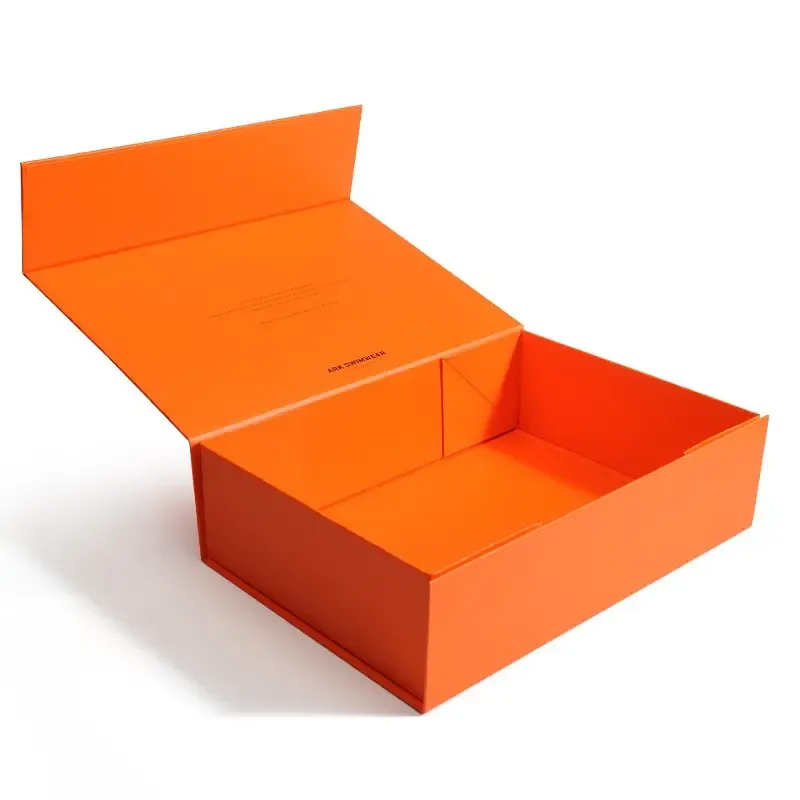
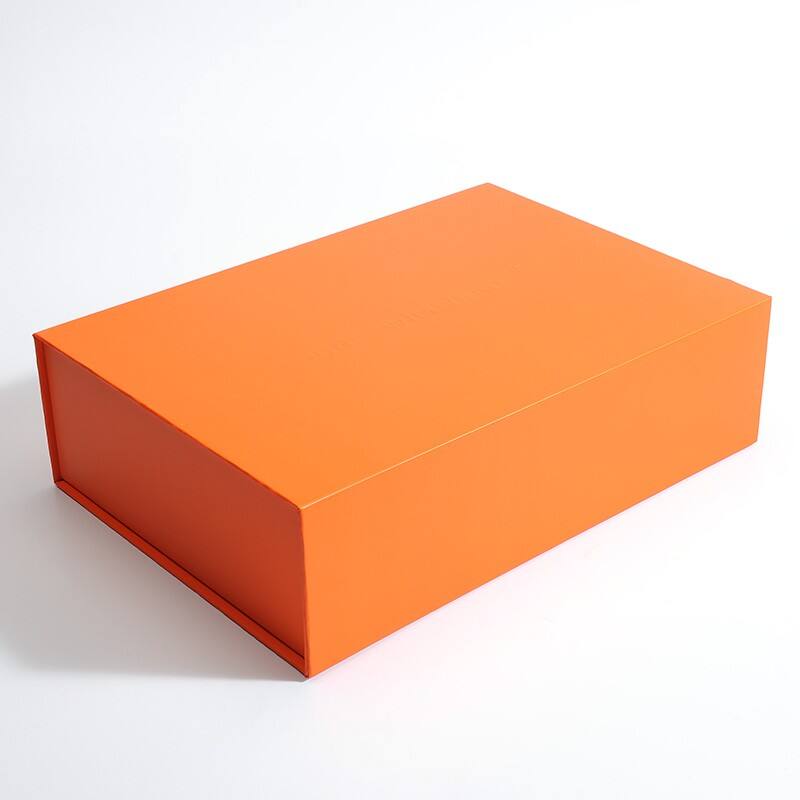
Rigid boxes create a distinctive unboxing experience that communicates premium brand positioning more effectively than folding cartons can achieve. The substantial feel, magnetic closures, custom inserts, and architectural design possibilities of rigid boxes elevate perceived product value and justify premium pricing strategies. Consumer psychology research consistently demonstrates that packaging format influences purchasing decisions and post-purchase satisfaction, particularly in luxury and gift-giving categories where rigid boxes have become the standard expectation. The unboxing moment with rigid boxes generates substantial social media engagement and word-of-mouth promotion, amplifying marketing impact beyond the initial sale.
Brand identity development through rigid box design includes options for embossing, debossing, specialty finishes, and structural innovations that differentiate your product from competitors using standard folding cartons. Rigid boxes accommodate premium materials such as magnetic closures, velvet linings, and custom molded inserts that enhance both functionality and perceived luxury. For brands positioning themselves in premium market segments, rigid boxes represent an investment in brand perception and customer experience that directly influences repeat purchase rates and brand loyalty metrics.
Practical Selection Criteria and Decision Framework
Product Type and Protection Requirements
Your decision between folding cartons and rigid boxes should begin with a thorough assessment of your product’s protection requirements, fragility level, and environmental sensitivity. Folding cartons provide adequate protection for many product categories including apparel, non-fragile consumer goods, and lightweight items that don’t require exceptional crush resistance. Rigid boxes become necessary when your product involves high-value items, fragile components, moisture-sensitive materials, or products where damage during transit would result in significant financial loss or customer dissatisfaction. Consider your entire distribution channel, from manufacturing facility through retail shelf life, to determine whether folding cartons satisfy protection requirements or whether rigid boxes’ superior structural performance justifies the added investment.
Environmental factors also influence packaging selection between folding cartons and rigid boxes. Products requiring climate control or protection from humidity benefit from rigid boxes’ superior environmental barriers. Fragile items such as electronics, glassware, or precision instruments typically require rigid boxes to prevent catastrophic damage that folding cartons might not adequately prevent. Conversely, lightweight, non-fragile products such as t-shirts, books, or dried goods often perform adequately with folding cartons while achieving significant cost savings that improve profit margins.
Budget Constraints and Volume Projections
Budget considerations fundamentally shape the choice between folding cartons and rigid boxes, particularly for startups and small businesses with limited packaging budgets. Folding cartons cost 60 to 70 percent less per unit than rigid boxes at comparable volumes, making them the financially prudent choice for cost-conscious manufacturers. However, this calculation must account for volume projections, as rigid box unit costs decrease substantially at high volumes. If your business projects rapid scaling and sustained high-volume production, the initial premium investment in rigid box infrastructure might generate better long-term economics despite higher per-unit costs at lower volumes.
Production volume thresholds should guide your packaging strategy between folding cartons and rigid boxes. Minimum order quantities typically run higher for rigid boxes compared to folding cartons, reflecting tooling costs and manufacturing complexity. For businesses producing fewer than 50,000 units annually, folding cartons generally represent the more economical choice. For established brands producing millions of units annually, rigid boxes might offer comparable per-unit costs while delivering superior brand impact and premium positioning advantages. Evaluate your five-year production forecast and profit margin requirements to determine which packaging format generates the best financial outcome over your planning horizon.
FAQ
Are folding cartons suitable for luxury or premium products?
While folding cartons can incorporate premium design elements and high-quality printing, rigid boxes generally communicate luxury and premium positioning more effectively. Folding cartons work well for upscale products in certain categories, but they lack the substantial, architectural presence that consumers associate with premium packaging. Luxury brands typically select rigid boxes to reinforce brand perception and justify premium pricing. However, innovative folding carton designs with specialty finishes and custom inserts can approximate premium positioning at a lower cost, making them viable for emerging brands building market presence.
What are the environmental differences between folding cartons and rigid boxes?
Folding cartons generally have a lower environmental footprint than rigid boxes because they use less material per unit and require less energy to manufacture and transport. Folding cartons’ lighter weight reduces shipping emissions significantly compared to rigid boxes. Both formats are typically recyclable and made from renewable paperboard materials, but folding cartons’ efficiency advantage makes them the more sustainable choice from an environmental lifecycle perspective. Rigid boxes contain more material and generate greater waste during manufacturing, though their superior durability can extend product shelf life and reduce spoilage in certain applications.
Can folding cartons and rigid boxes be combined in a packaging strategy?
Many successful brands employ both folding cartons and rigid boxes strategically across their product portfolio. Premium flagship products or limited editions benefit from rigid box presentation, while core volume products use cost-effective folding cartons to maintain profitability. This tiered approach maximizes brand impact for key products while maintaining operational efficiency across the broader portfolio. Businesses can test rigid boxes for limited runs or seasonal products while maintaining folding cartons for standard offerings, allowing customers to experience premium packaging without committing fully to rigid box costs across all SKUs.
