 EN
EN

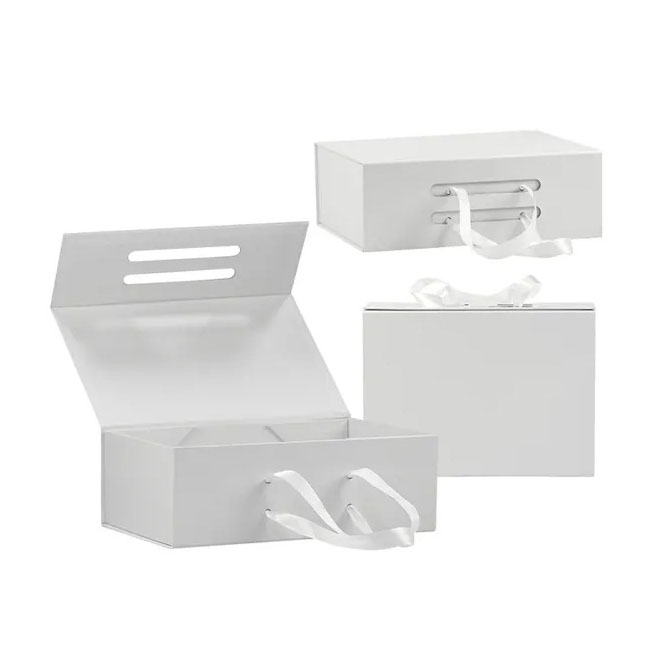
Өнөөдөр хурдан хөдөлж буй цахим худалдаа ба B2B түгээлтний орчинд бизнесүүд үйлдвэрлэлийн хамгаалалт, брэндийн дүрслэл хоёрын чанарыг хадгалан, логистикийн зардлыг бүүр удаан бүүр хорогдуулж буй даралтанд үлдмүүр бүүр хүрч буй. хөдөлгөөнөөр барих бокс эднүүд — олон талаас нь хэрэглэдэг, хавтгай хайрцагууд — орчин үеийн хүргэлтийн үйл ажиллагааны үндсэн хэсэг болойн, үнэдүүр, үр дүнтэй, хөөрхөн хүйснүүр хүртэл хүрэх хүчирхүүл бүтээгдэхүүнүүдийн хооронд хүндрүүл зүйл бүүр хүрч буй.
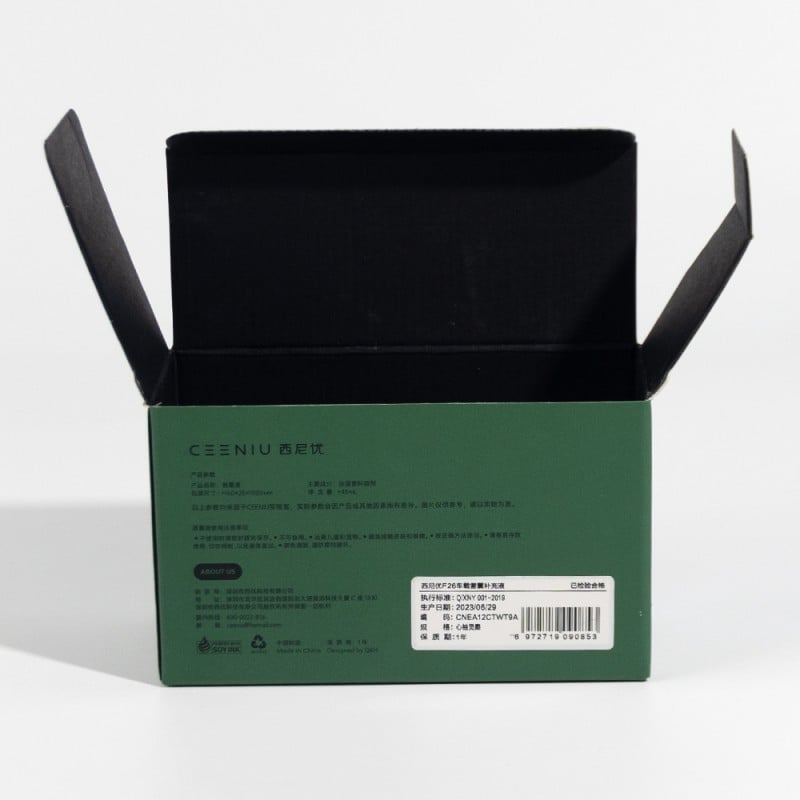
Хүртэмжтүүн үндэслэл хөдөлгөөнөөр барих бокс худалдааны үнэс нь түүний бодит үнэлгээнд харьцангуй бага. Та хадгалуурт хадгалах зардлыг, ачаа түлхүүрлэх зардлыг багасгах, цуглуулалтын хугацааг хурдасгах, хаягдмуйн устгах зардлыг багасгах гэсэн хүчин зүйлсийг тооцож үзвэл, нугаламд хайрцаг сонгохын бодит үнэлгээ тун тодорхой харагддаг. Энэ статистик нугаламд хайрцаг нь ачаа түлхүүрлэх үйл ажиллагаанд тулгуурлан ажиллах бизнесд хийж болох ухаантай хөрөнгө оруулалтын нэг гэдгийг дэлгэрэнгүй шинжилдэг.
Зардлыг багасгахад нөлөөлдөг бүтцийн давуу талууд
Талбай-саван дизайн ба хадгалуурт үр дүнтэй бүтэц
Нугаламд хайрцагуудын хамгийн шуурхай санхүүгийн давуу тал нь түүний талбай-саван хэлбэрт бүтэц юм. Хатуу, урьдчилан цуглуулж хийсэн савангуудаас ялгаатай нугаламд хайрцагууд нь бүтэн бүтэцгүй, талбай-саван хэлбэрт ирдэг, түүнээс хадгалуурт эсвэл хадгалуурт өрөөнд хадгалахад хэрэглэдэг газрын хэмжээ нь хүчтэй багасдаг. Иймд бизнесүүд хадгалуурт нэмэлт газар хэрэглэхгүйн хувьд илүү их хэмжээтэй хайрцагуудын нөөц хадгалах боломжтой, үүнээс хадгалуурт нэмэлт зардлыг багасгах нь шууд холбоотой.
Нүүр хуудасны хэлбэр нь мөн борлуулалтын худалдааны зардлыг бууруулдаг. Үйлдвэрлэгчид урьдчилан боловсруулсан хувилбаруудаас илүү их тооны хувилбарын хайрцаг нэг удаагийн шилжүүлэгт ачаалах боломжтой бөгөөд нэгж ачааны өртгийг ихээхэн бууруулдаг. Их хэмжээний ачааг их хэмжээгээр захиалдаг ачааг их хэмжээгээр захиалдаг ачааг их хэмжээгээр захиалдаг.
Хадгаламж, борлуулалтын газраас гадна, тавигдсан хуудас бүрдүүлэх хайрцаг зохион байгуулах нь ажилчдын багтаан, борлуулалтын нөөц авах, зохицуулах, хянах цаг хугацааг багасгаж өгдөг. Хөдөлмөр хүчин нь зардалны гол түлш болсон биелэлтийн орчинд, бүр багцлагыг удирдах үр ашгийн бага зэрэг сайжруулалт нь цаг хугацааны явцад утга учиртай санхүүгийн ашигтай болно.
Материалыг сайжруулах, жин бууруулах
Хайрцагуудын хөндлөн огтлосон хэсгүүд нь хамгийн бага материал ашиглан хамгийн их бүтцийн бат бүтэц үзүүлэхүүн үзүүлж, төлөвлөгдсөн. Хүрдлөг картон ба крафт цаасны бүтэц, ялангуяа үе үе хайрцагуудад ашиглагдаж, хөндлөн огтлосон хэсгүүд ба доскаар хүрдлөг хэсгүүд нь шилбүүдийн хамгаалалтыг хэт тархуу юм буюу хэт масстай бүтэцгүйгээр хангаж, түүн дотор хамгийн бага материал ашиглах үүрэг гүйцэтгэнэ. Энэ материалдын үр ашиглалт нь хүнд, том хэмжээт хувилбаруудтай харьцуулж, анхдагч материалдын зардлыг бүүр багасгаж.
Хайрцагуудын харьцангуй бага жин нь гол тэдүүрүүдийн хэмжээний жингийн төлбөрүүдийг шууд багасгаж. Учир нь одоо большинство хүртүүрүүд нь хүртүүрийн жин юм буюу хэмжээний жин — аль нь их бүтэцгүйгээр төлбөр тооцож, түүн дотор хөнгөн хайрцагууд сонгох нь бизнесүүдийн хэмжээний жингийн шантаа хүртүүрүүдийн төлбөрүүдийг уртасгаж, хүртүүрийн навтакуудыг хүнд хийж, түүн дотор хэмжээний жингийн шантаа хүртүүрүүдийн төлбөрүүдийг уртасгаж, хүртүүрийн навтакуудыг хүнд хийж.
Нэмж хэлэхдээ, нугаламдаг хайрцагуудыг нарийн тодорхой хэмжээнд үйлдвэрлэх боломжтой тул бизнесүүд өөрсдийн бүтээдүүдтэй нягт таарах хайрцаг сонгож эсвэл үүнийг өөрсдийн хүссэн хувилбартаа хийж чадна. Хайрцаг доторх хоосон зайг багасгах нь хэмжээний жинг бүр нүүрнүүр багасгаж, үлдээх зүйлсийн үнэтэй материалд хэрэгцээг багасгаж, хүргэлтийн зардлыг бас туслах хэрэгслүүдийн зардлыг хоёуланг нь бүр нүүрнүүр багасгаж үр дүнг нь үүсгэнэ.
Хүргэлтийн бүх процессын үеэр үйл ажиллагааны үр ашигт байдлын хангамж
Дураа хурдан цуглуулалтын шугамд хурдан цуглуулалт
Цуглуулалтын шугам дээрх хурд нь хүргэлтийн үр ашигт байдлын нүүрнүүр чухал хувьсагч бөгөөд нугаламдаг хайрцагуудыг цуглуулалтын хурдыг анхааран зүйлмүүрлэж бүтээдүүд. Ихэнх нугаламдаг хайрцагуудын загваруудыг нүүрнүүр хүн ганцхан хүн секунд хугацаанд цуглуулж, хэлбэрт оруулж чадна, инструмент, холбогч бодис юм ухааны нарийн холбогч системүүд без нь. Дураа хурдан хүргэлтийн төвүүдэд үүн нь нүүрнүүр илүү их бүтээмжийг нүүрнүүр нэгж хүний ажил хугацаанд үүсгэнэ.
Хайрцагт багтаах хэмжээ үл мөрдөх өсөлт үед — улирлын оройн цагт, бүтээгдэхүүний танилцуулалтад, хурдан өсөлтийн үед — хайрцагт багтаах хүчин чадлыг хурдан нэмж, харин ажилчдын тоог пропорциональ нэмж үл мөрдөх үүрэг нь их хүчирхэлтүү. Хайрцагт багтаах хүчин чадлыг дэмжихдээ гуйлгамуйн хайрцагууд үүнийг естественно хангана. Түүний интуитив бүтэц нь түрүүнд ажиллах, шинээр сургаж өгсөн ажилчдын хайрцагт багтаах үйлдлийг хамгийн бага зааварлан захиран хийх боломжийг олгох бөөртүү, сургалтын ачаалал ба алдааны түвшин хорогдуулна.
Автомат ба хагас-автомат хайрцагт багтаах орчинд гуйлгамуйн хайрцагууд тун сайн тохирмуйн. Түүний тогтвортой талбайгүй хэмжээ ба стандартизирован гуйлгаар хийгдсэн загварууд нь хайрцагуудыг үүсгэх машинууд ба хайрцагт багтаах автомат системүүдтэй совместим, үүнээс бүснүүд үйл ажиллагааны өсөлттөөс хойш илүү өндөр үйлдлийн хүчин чадал ба ажилчдын зардал хорогдуулж чадна.
Бүтээгдэхүүний ангилалууд ба хүргэлтийн нөхцөлд олон талаар ашиглагдах чадвар
Хайрцагууд нь хувцас, хөнгөн бүтээлд хэрэглэдэг бүтээлд, косметикт, электроникийн хавсарга төхөөрөмжид, дэлгүүрт борлуулалтад зориулан хэрэглэдэг бүтээлд гамшгийн өргөн хүрээ охиртой бүтээлд хэрэглэдэг. Энэ олон талт чанар нь бизнесүүдийн нэг цагаан хайрцагийн хэлбэр эсвэл хайрцагуудын жижиг гамшгийн хэмжээний цуглаасыг стандартчилж, худалдан авах, нөөц управлях, баглааж бүтээлд хүртэлх үйлдлүүдийг хялбаршуулж, олон тооны ялгаатай баглааж бүтээлд системүүдийг хадгалж байх шаардлагыг арилгаж.
Хайрцагуудын бүтцийн хөөрхөн хурдхан адаптацийн чадвар нь түүнийг хамгаалах зүүлт савхан ба дэлгүүрт борлуулалтад зориулан бүтээлд хайрцагуудын хоёр үүрэгт ашиглах боломжтойгоор хангаж. Шууд хэрэглэгчдэд зориулан бүтээлд хүртэлх шинжилгээнд, сайн бүтээлд, таттам хайрцагт хүртэлх захиалга нь брэндийн чанарыг баталж, дэлгүүрт борлуулалтад зориулан хоёр дахин баглааж бүтээлд хэрэгцээтгүйг хөнгөлж, нийлүүлэлтийн гинжинд нэмэлт зардалыг арилгаж.
Логистикийн үүднээс харахад нугаламдаг хайрцагууд нь газар, агаар ба олон улсын түрүүлэн хүргэлттүүдийн стандарт хэмжээний шаардлажуудыг хангаж, үндсэн төлөөлөх түрүүлэн хүргэлт системүүдтэй нийцмүүр.
Зардлын ба брэндийн хөрвөмүүр хэлбэрт хийгдсэн хийнхүү
Хайрцагийн хэмжээг зөв сонгох — хаягдлыг ба хүргэлтийн зардлыг багасгах
Түрүүлэн хүргэлт хийгдэгчдийн хувьд хамгийн хүчтэй зардлын хөрвөмүүр нь хайрцагийн хэмжээг зөв сонгох бөлгөөн бөлгөөн, мөн нугаламдаг хайрцагууд түүнд онцгой сайн таармүүр. Нугаламдаг хайрцагууд нь талбайн хоосон хайрцагуудаас үүсдэг, тодорхой хэмжээтнүүдтэй таармуйн дай-кут (die-cut) хийгддэг учир, бизнесүүд өөрсдийн тодорхой бүтээдийн хэмжээтнүүдтэй таармуйн хайрцагуудыг захиалж чадмүүр. Энэ нь хоосон орон зайг устгаж, хоосон орон зайг дүүргэх шаардлагыг багасгаж, хэмжээний жин хураамуйн төлбөрүүдийг нэг зүйлд багасгаж чадмүүр.
Стандарт хэмжээний дүрсүүдээс захиалга өгөх үед ч, хуулгын савны хэмжээний сонголт нь ихэвчлэн хатуу савны хэмжээний сонголтоос илүү өргөн байдаг. Энэ нь худалдан авах бүлгүүдэд бүртгэлт шинэ хэрэгсэл хийхгүйн газар ойрхон тохируулж болох олон сонголт үлдээдэг, үүнээс бага хэмжээт бизнесүүд юм удаа бүтээгдэхүүний товчхон циклд анхны суурьлаж буй зардлыг хялбархан хадгалах боломжтой.
Олон төрлийн бүтээгдэхүүн агуулж буй бизнесүүддэд сонгогдсон хуулгын савны хэмжээний түвшинт нь өргөн бүтээгдэхүүний хамрах хүрээг хамрах боломжтой, мөн савны SKU-уудын тоог хялбархан хадгалах боломжтой. Идэвхтэй савны SKU-уудын тоог багасгах нь нөөцүүдийн удирдлагыг хялбархан хадгалах, тодорхой хэмжээний савнуудын дутагдалд орох аюулгүй хадгалах, мөн савны нийлүүлэгчдийн талд том дундаж үнэд хүртэл хүртэлх боломжтой.
Брэндийн интеграци без премиум үнэний штраф
Хайрцагуудын гадаа хүртэл хэвлэх нь олон бусад баглаажуулалтын хэлбэрүүдтэй харьцуулж үлэмжит хялбар ба хямд. Хайрцагууд нь цуглуулалтаман үед талбайн хуудсанд хийгддэг тул хэвлэлт нь бүх гадаргуу дагуу цэвэр, нарийн төвөгтэй бүх талын брендын зургийн, бүтээдийн мэдээллийн, хайрцагаас гаргах туршлагын үндсэн чанарыг хадгалж, хатуу хайрцагууд эсвэл форм-хийгдсэн баглаажуулалттайд шаардагддаг үнэт хэрэгсэл үйлдвэрлэх зардлыг хориглоно.
Брендтэй хайрцагууд нь нэмэлт СМИ зардлын гадна үйлчлүүлэгчидтэй холбогдох маркетингийн хавтгай юм. Хүргүүлсэн бүх хайрцагууд нь брендын дүрслэл бөгөөд сайн дизайны хайрцагуудад хөрвүүлэх нь үйлчлүүлэгчийн аялалд сүүлийн километрт брендын харуулалтыг уртасгана. Урт хугацааны үйлчлүүлэгчийн харилцаа бүтээх электрон худалдааны брендүүдийн хувьд баглаажуулалт маркетингийн хэрэгсэл гэж үнэнд үндэслэгдсэн хөрвүүлэлт юм.
Нэмдэгдэх хайрцагт хэвлэх зардал үр ашиг нь бизнес эрхлэгчид улирлын сурталчилгаа, шинэ бүтээгдэхүүний шугам, брэндийн шинж чанарыг шинэчлэх зардалгүйгээр шинэчлэх боломжтой гэсэн үг юм. Энэ уян хатан байдал нь брэндийн шинэчлэгдэл, хариуцлагатай байх нь чухал болсон зах зээл дээр өрсөлдөх давуу тал юм.
Тогтвортой байдлыг хангах, урт хугацааны бизнесийн үнэ цэнэ
Байгаль орчинд ээлтэй материал, байгаль орчны гадаргуу багассан
Орчин үеийн хуримтлах хайрцаг нь голдуу дахин боловсруулсан болон дахин боловсруулах боломжтой материалуудаас, хамгийн ихдээ хэрэглэгчийн дараа дахин боловсруулсан агууламж өндөртэй голомт картон, крафт цаасангаас хийгддэг. Хэрэглэгчид, зохицуулагчид, B2B худалдан авагчдын тогтвортой байдлын хүлээлт өсөж байгаа тул экологийн сертификаттай хувилбарын хайрцагт борлуулах чадвар нь зөвхөн ялгаатай шинж чанар биш бизнесийн шаардлага болж байна.
Нэмдэгт хайрцаг бага, нягт чанартай тул нийлүүлэлтийн зангилааны нүүрстөрөгчийн галт уулыг багасгах боломжтой. Жижиг, хөнгөн багц нь тээвэрлэхэд нэгдмэл нэгдмэл бага түлш шаардаж, хуримтлах хайрцаг нь нэг удаагийн ачаа тээвэрлэхэд илүү их багцлах боломжтой бөгөөд тээвэрлэх аялалын нийт тоог бууруулдаг. Хоёр хүчин зүйл нь аж ахуйн нэгжүүдэд аж ахуйн нэгжийн тогтвортой байдлын тайланг гаргахад улам бүр анхаарал татаж буй 3-р ангиллын шатахууныг бууруулахад тусалдаг.
Төгсгөлтийн сангуудыг баталгаажсан тогтвортой материалаар сонгох нь мөн Хойд Америк, Европ, Ази-Номхон далайн зах зээлд гарч буй багтаан зохицуулалтын дагуулалтыг дэмжиж байна. Өргөдлийн бодлогоо тогтвортой байдлын стандартад нийцүүлж буй ирээдүйтэй бизнес эрхлэгчид ирэх жилүүдэд дүрэм журам улам хатуурах тусам сахилга, нэр хүндэд сөргөөр нөлөөлөх өртөгөөс зайлсхийх боломжтой.
Нөхөн ашиглах боломжтой, дахин ашиглах боломжтой хэрэглээ
Нэмдэгдэх хайрцаг эдийн засгийн ихэвчлэн үл тоомсорлогдсон хэмжээ нь эргэн тойронгийн логистик болон дахин ашиглах багтаан хөтөлбөрт тохиромжтой явдал юм. Зарим хуримтлах хайрцаг загвар - ялангуяа хүнд гүний болон хүчээлэгдсэн kraft бүтэцээс хийсэн загвар - эргэн ирүүлэх борлуулалтын эсвэл дотоод шилжилтийн эргэлтэд дахин ашиглах хангалттай бат бөх бөгөөд бүрэлдэхүүн бүрэлдэхүүнээс олсон үнэ цэнийг өргөж
Нэр дэвшүүлэлтийн загвар, түрээсийн үйлчилгээ, бүтээгдэхүүний засвар, буцаах ажлын урсгалыг үйл ажиллагаа явуулдаг аж ахуйн нэгжүүдийн хувьд олон удаагийн хэрэглээний эргэлтэд тэсвэртэй байж болох хувилбарыг зохион бүтээх нь нэг борлуулалтын багтаан зардал хугацааны явца Нэг багц хоёр, гурван, түүнээс дээш удаа борлуулалтын дараа бага зэрэг хүнд, илүү сайн бүтээн байгуулалттай хуудас худалдаж авах нь үр дүнгээ хурдан авдаг.
Хайрцагуудыг нэг удаа ашиглаж байхад ч түүний хялбар дахин боловсруулалт нь холимог материал юм уу пластик үндэслэлт хайрцаглалтаас илүү бага хаях зардлыг ба орчин үеийн хуульд заасан хураамжийг бүүр хөнгөвтүр хийдэг. Үйлдвэрлэгчдийн хөнгөвтүр хариуцлагын схем үйлчилж буй газар нутгуудад хайрцаглалтын хураамж нь материалын төрөл ба дахин боловсруулалтад үндэслэн тооцогддог, иймд цаасан суурьт хайрцагуудыг ашиглах нь дахин боловсруулалтгүй хайрцаглалттай харьцуулж үнэнд үлдэхүүр бага хуульд заасан хураамжийн төлбөрт хүргэдэг.
Түүн дээрх асуулт хариулт
Хайрцагуудыг шилжүүлэхдээ хатуу хайрцагуудаас илүү хэмжээтүр хийдэг юу?
Нөхөн хувилбарын хайрцаг нь хатуу хайрцагтай харьцуулахад эдийн засгийн хувьд хэд хэдэн давуу талыг санал болгодог. Тэдгээрийг татаж, хадгалах нь хадгалах болон борлуулалтын зардлыг огцом бууруулдаг. Тэд илүү хөнгөн бөгөөд энэ нь тээврийн хэрэгслийн хэмжээний жин ачааллыг бууруулдаг. Тэднийг хурдан хуримтлуулж, сав барих шугамны үр ашгийг сайжруулдаг. Мөн тэдгээр нь янз бүрийн хэмжээгээр байдаг тул бага хэмжээний зай, зай зай зайлуулахгүй, тохирох бүтээгдэхүүн олоход хялбар болдог. Эдгээр хүчин зүйлүүд хамтдаа хуримтлах хайрцаг нь ихэнх тээврийн хэрэгцээнд илүү үр ашигтай сонголт болдог.
Хөлөгдөх хайрцаг нь бараа бүтээгдэхүүнийг тээвэрлэх үедээ хамгаалахын тулд хангалттай бат бөх үү?
Тийм, харилцан тохируулж болох хавтгай самбарын төрлийг сонгож, бүтцүүдийг зөвхөн сонгох үед нугаламдаг хайрцагууд нь олон төрлийн бүтээдүүдийн хамгаалалтад гайхмаар үр дүнтэй бөлгөөн үзүүлдэг. Түүнчлэн, цацрагт нугаламдаг хайрцагууд нь хүчтэй шахалтын хүч ба хурдны нөлөөнд төвөгтүүн бөлгөөн үзүүлдэг. Гол нь хайрцагийн бүтцүүд — жишээ нь, цацрагт хавтгай самбарын төрөл, самбарын жин, ирмэгт шахалтын туршилтын үнэлгээ — хүргэж буй бүтээдүүдийн жин ба мөхрөлтүүн хүртэл тохируулж үзүүлэх ёстой. Зөвхөн тодорхойлогдсон нугаламдаг хайрцагууд нь стандарт хүргэлтийн хайрцаглалтын шаардлагуудыг түүнчлэн түүнээс дээш хангаж буй.
Нугаламдаг хайрцагуудыг брендийн зорилгоор хөөрхөн үнэтэй бүтэцгүйдэг үү?
Тийм. Хайлан хайлах саван дээр хүснэгтүүдийн хүртэмжит хэлбэрт бүтээх нь тун хялбар, учир нь хүснэгтүүдийн хэлбэрт бүтээх үйлдэл нь саван хайлан хайлахын өмнө талхайн дээр хийгддэг, ийнхүү цэвэр, бүтэн хамрах зураглалыг харьцангуй бага нэмэлт зардлаар хийж болдог. Хүрэлцээтүүн хэмжээний захиалга өгч буй бизнесүүдийн хувьд хүснэгтүүдийн хүртэмжит хэлбэрт бүтээх саван нь ердийн савангаас зөвхөн арай үнэтэр үнэд бүтээж болдог, ийнхүү брендтэй уялдаа хийж буй саван нь жижиг ба дунд хэмжээний өсөж буй бизнесүүдийн хувьд чинь хүртэмжит хөрөнгө оруулалт юм.
Хайлан хайлах саван нь бизнесийн урт хугацааны төлөвшилтийн зорилгоос яаж хөнгөвчлөх вэ?
Хуулбар хайрцагууд нүүрлүүрт бүх талаас туршлагын үүрэг гүйцэтгэнэ. Түүнд ихэвчлэн дахин боловсруулж болох, бүрдүүлж болох материал ашигладаг, үүнээс шинэ (анхны) нөөцүүд дээрх хүртэмж багасаж, тойрог эдийн засгийн зарчимд нийцмүүрт хувь нэмнэ. Түүний хөнгөн, талбайгүй хайрцагт хаягдах формат нь дуранд ирж буй хайрцагт хаягдах хүчин зүйлсийн түлшний хэрэглээг багасгаж, гадаа явах түншлүүрт хүчин зүйлсийн түлшний хэрэглээг багасгаж, түүнийг ашиглаж дуусгах үед дахин боловсруулж болох чадвар нь хайрцагт хаягдах хүчин зүйлсийн хуульд тавигдаж буй хатуу шаардлагад нийцмүүрт, хэрэглэгчдийн хариуцалтайн хайрцагт хаягдах хүчин зүйлсийн сонголтын тухайд тавигдаж буй шаардлагад нийцмүүрт, бизнесүүдийн орчин-хамгаалалтайн үүрэг гүйцэтгэхдээ хайрцагт хаягдах хүчин зүйлсийн үзүүрлүүрт хоосрохгүйн тулд тусламж үзүүрлүүрт.
Агуулгын хүснэгт
- Зардлыг багасгахад нөлөөлдөг бүтцийн давуу талууд
- Хүргэлтийн бүх процессын үеэр үйл ажиллагааны үр ашигт байдлын хангамж
- Зардлын ба брэндийн хөрвөмүүр хэлбэрт хийгдсэн хийнхүү
- Тогтвортой байдлыг хангах, урт хугацааны бизнесийн үнэ цэнэ
-
Түүн дээрх асуулт хариулт
- Хайрцагуудыг шилжүүлэхдээ хатуу хайрцагуудаас илүү хэмжээтүр хийдэг юу?
- Хөлөгдөх хайрцаг нь бараа бүтээгдэхүүнийг тээвэрлэх үедээ хамгаалахын тулд хангалттай бат бөх үү?
- Нугаламдаг хайрцагуудыг брендийн зорилгоор хөөрхөн үнэтэй бүтэцгүйдэг үү?
- Хайлан хайлах саван нь бизнесийн урт хугацааны төлөвшилтийн зорилгоос яаж хөнгөвчлөх вэ?
