 EN
EN

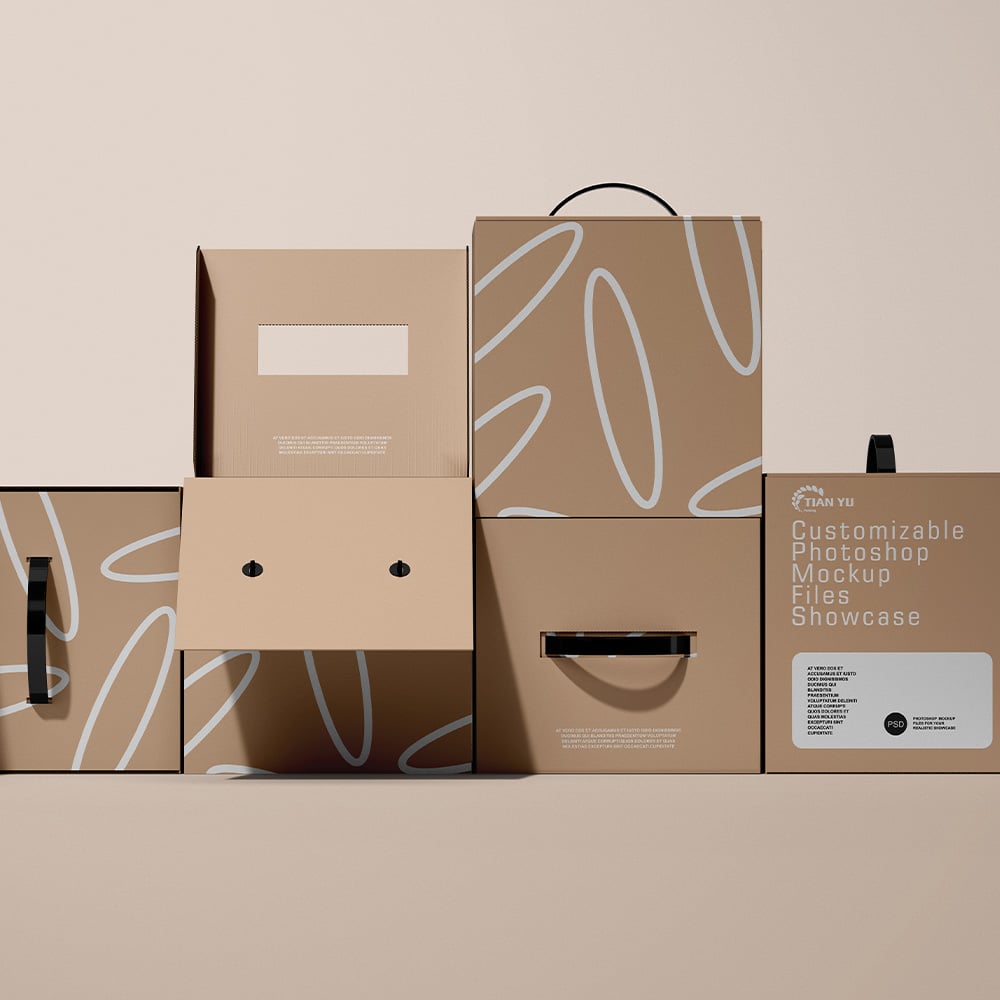
Sustainability has become a core business imperative across industries, and packaging choices directly impact environmental footprints and brand reputation. Custom cardboard boxes represent a pragmatic solution for organizations committed to reducing waste while maintaining product protection and brand differentiation. Unlike single-use plastics or non-recyclable materials, cardboard boxes offer genuine environmental advantages without sacrificing functionality or aesthetics. This article explores how cardboard boxes align with sustainable packaging goals and the strategic factors that determine their effectiveness in real-world supply chains.
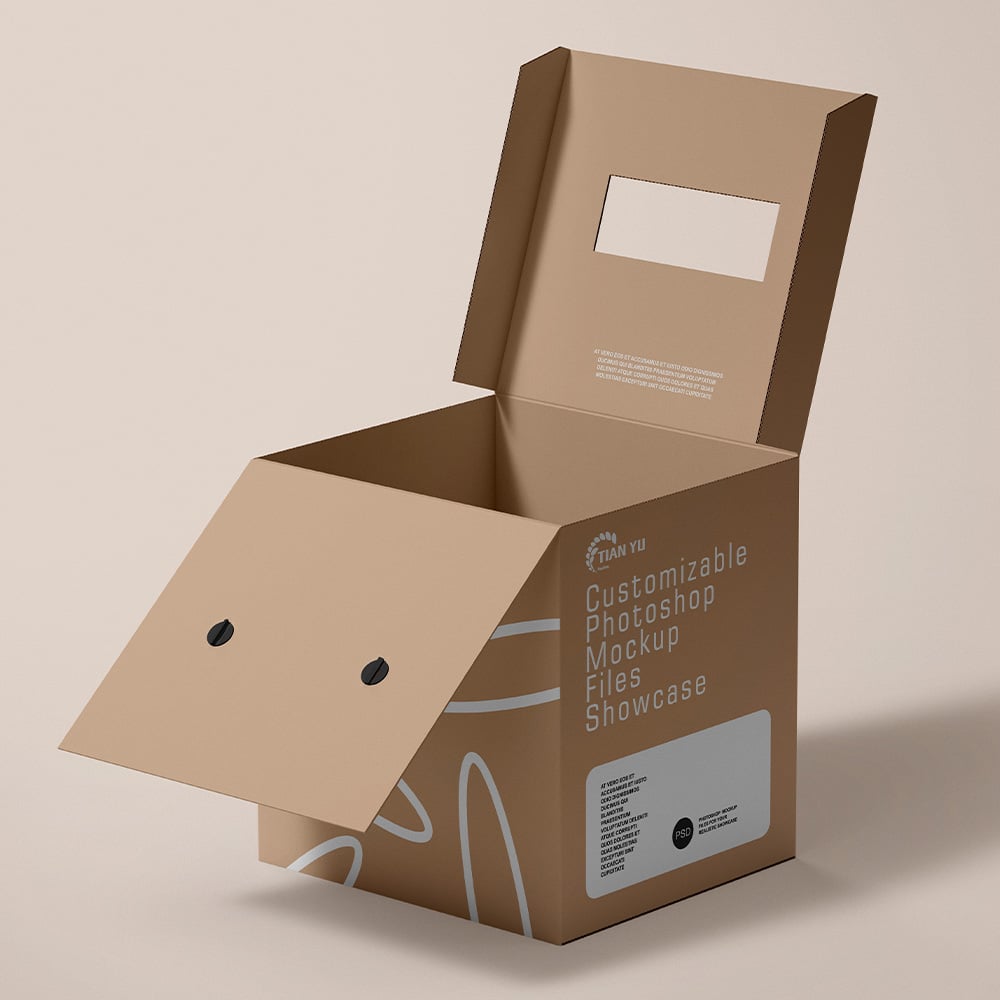
The sustainability question is not whether cardboard boxes can meet environmental goals, but rather how they are sourced, designed, used, and managed across their full lifecycle. Custom cardboard boxes engineered from recycled and recyclable materials deliver measurable environmental benefits when integrated into closed-loop supply systems. Organizations that adopt cardboard boxes with intentional sustainability strategies gain competitive advantages in consumer perception, regulatory compliance, and operational cost efficiency. Understanding the mechanics of how cardboard boxes support sustainability requires examining material composition, design efficiency, end-of-life recovery, and industry context.
Material Composition and Recycled Content in Cardboard Boxes
Sourcing and Fiber Recovery in Cardboard Boxes
The environmental profile of cardboard boxes begins with raw material sourcing and fiber recovery practices. Most modern cardboard boxes contain significant percentages of recycled fiber, reducing demand for virgin timber and minimizing forest impact. Manufacturers of custom cardboard boxes source from post-consumer waste streams and manufacturing offcuts, creating a circular supply model that reduces landfill diversion. The recycling infrastructure supporting cardboard boxes is mature and widely established across developed markets, enabling consistent material recovery and reprocessing into new containers.
Fiber strength degradation limits the number of times cardboard boxes can be recycled before fibers become too short for structural applications. However, each generation of recycled cardboard boxes still performs adequately for packaging applications, and degraded fibers eventually flow into lower-grade products like paperboard or animal bedding. This cascading use model ensures that cardboard boxes deliver multiple lifecycles of utility before final biodegradation. Custom cardboard boxes designed with appropriate wall thickness and fiber orientation maximize structural performance while minimizing material weight, directly reducing transportation emissions and shipping costs.
Chemical Processing and Environmental Safety
Transforming raw fiber into cardboard boxes requires chemical processing for pulping, bleaching, and adhesive bonding. Responsible manufacturers of cardboard boxes employ closed-loop chemical recovery systems, capturing and reusing process chemicals rather than releasing them into waterways. Inks and coatings used in printed cardboard boxes have evolved toward water-based and non-toxic formulations, reducing contamination risk during recycling. Custom cardboard boxes that specify low-chemical inks and adhesives maintain recyclability integrity and align with circular economy principles more effectively than conventional alternatives.
Design Efficiency and Packaging Optimization
Right-Sizing and Material Reduction
Sustainable packaging begins with eliminating excess material, and custom cardboard boxes excel in this area through tailored design. Off-the-shelf standard boxes often require additional void fill, cushioning, and filler materials to protect products during transit. Custom cardboard boxes engineered to exact product dimensions reduce internal air space, eliminate secondary packaging, and decrease overall material consumption per shipment. This design efficiency translates to quantifiable environmental gains: fewer raw materials extracted, reduced transportation weight, lower shipping emissions, and simplified end-of-life processing.
The structural engineering of cardboard boxes allows designers to use variable wall thickness and strategic reinforcement patterns, optimizing material placement where impact and compression loads occur. This approach delivers equivalent protection with 15–25% less material weight compared to uniform-wall designs. Custom cardboard boxes with this level of optimization appeal to sustainability-focused brands and reduce operational costs simultaneously. When multiplied across millions of units annually, the material savings from optimized cardboard boxes represent substantial environmental impact reduction and measurable cost advantages.
Printability and Brand Integration
Custom cardboard boxes serve as powerful brand touchpoints that eliminate the need for separate product inserts, hang tags, or promotional materials. High-quality digital and flexographic printing technologies bond directly to cardboard surfaces, reducing secondary packaging waste. This integration capability means cardboard boxes function as both protective container and marketing platform simultaneously. Brands leveraging this feature of custom cardboard boxes achieve stronger market presence while reducing packaging material footprint and shipping weight per unit.
End-of-Life Recovery and Circular System Integration
Recyclability and Municipal Acceptance
A packaging material's sustainability credentials depend entirely on whether it actually enters recycling systems at scale. Cardboard boxes enjoy exceptional advantages in municipal collection infrastructure, curbside programs, and commercial recycling facilities across most developed regions. Consumer familiarity and convenience make cardboard boxes among the most reliably recycled packaging types, with recovery rates exceeding 70% in mature markets. Custom cardboard boxes that avoid problematic coatings, metal components, or non-biodegradable adhesives maintain compatibility with standard recycling processes, ensuring they reach actual reprocessing facilities rather than landfills.
The economics of cardboard box recycling create self-reinforcing incentives for collection: material value rewards community collectors, processing infrastructure is profitable at scale, and mills actively source recovered fiber. This economic viability distinguishes cardboard boxes from many biodegradable alternatives that lack functional recovery pathways. Organizations choosing custom cardboard boxes gain confidence that their packaging investments will complete the circular loop rather than entering alternative disposal streams or creating cleanup costs downstream.
Biodegradability and Soil Integration
Even when cardboard boxes do not enter formal recycling systems, their biodegradable nature prevents persistent environmental accumulation unlike plastic or metal packaging. Cardboard boxes decompose within months under standard outdoor conditions, breaking down into cellulose components that soil microorganisms fully metabolize. This intrinsic safety provides genuine environmental reassurance: cardboard boxes represent a worst-case failure that remains manageable and reversible. Custom cardboard boxes manufactured without synthetic coatings or chemical contaminants present no toxicological burden during decomposition, aligning with broad sustainability definitions beyond formal recycling.
Implementation Strategies for Sustainable Packaging Goals
Supply Chain Integration and Supplier Alignment
Effective sustainable packaging strategies require deep supplier partnership and transparent material traceability. Organizations selecting custom cardboard boxes should verify that suppliers maintain certifications such as FSC (Forest Stewardship Council) or SFI (Sustainable Forestry Initiative), confirming responsible fiber sourcing. Transparent suppliers of cardboard boxes provide detailed material composition data, recycled content percentages, and end-of-life recovery information. Building specifications for custom cardboard boxes into procurement standards ensures consistent environmental performance across production volumes and geographies. This systematic approach transforms cardboard boxes from tactical packaging choices into strategic sustainability commitments with verifiable outcomes.
Supplier diversification and regional sourcing of cardboard boxes reduce transportation distances and support local circular economy infrastructure. Organizations leveraging regional custom cardboard box manufacturers benefit from shorter supply chains, faster customization cycles, and stronger alignment with local regulatory expectations. The transparency and control advantages of working with accountable suppliers far exceed convenience gains from mass-market generic boxes, particularly for brands where sustainability messaging reaches customers directly.
Communication and Consumer Education
Cardboard boxes represent tangible sustainability commitments that consumers interact with directly, creating opportunities for authentic environmental storytelling. Printed messaging on custom cardboard boxes can educate customers about material composition, recycling instructions, and the brand's broader sustainability strategy. This direct communication builds consumer trust and reinforces purchase decisions, particularly among environmentally conscious demographics. Custom cardboard boxes become physical artifacts of sustainability commitments, far more persuasive than abstract corporate promises or separate marketing materials.
FAQ
Are cardboard boxes truly recyclable in most municipal programs?
Yes, cardboard boxes are among the most reliably recycled packaging types, with acceptance rates exceeding 85% in most developed-market recycling programs. However, cardboard boxes contaminated with plastic windows, excessive tape, or non-paper coatings may be rejected, so custom cardboard boxes should specify compatible materials. Consumers should flatten cardboard boxes and place them in designated collection bins to maximize diversion from landfills and ensure effective reprocessing into new material streams.
How much material reduction can custom cardboard boxes achieve compared to standard boxes?
Custom cardboard boxes engineered to exact product dimensions typically reduce material consumption by 15–25% compared to oversized standard containers requiring excessive void fill and cushioning. This reduction compounds across shipment volumes: a business shipping one million units annually could eliminate hundreds of tons of cardboard boxes material while improving product protection. The financial savings from reduced shipping weight often offset custom design costs within the first production run, making material-optimized cardboard boxes simultaneously more sustainable and more profitable.
What certifications should organizations look for when sourcing sustainable custom cardboard boxes?
Credible certifications for sustainable cardboard boxes include FSC (Forest Stewardship Council) for responsible forestry, SFI (Sustainable Forestry Initiative) for North American fiber sourcing, and PEFC (Programme for the Endorsement of Forest Certification) for international standards. Organizations should request supplier documentation confirming recycled content percentages and water usage reduction in cardboard box manufacturing. Third-party verified certifications provide assurance beyond marketing claims, enabling transparent sustainability reporting and authentic differentiation for brands committed to genuine environmental impact reduction through their cardboard box selection.
