 EN
EN

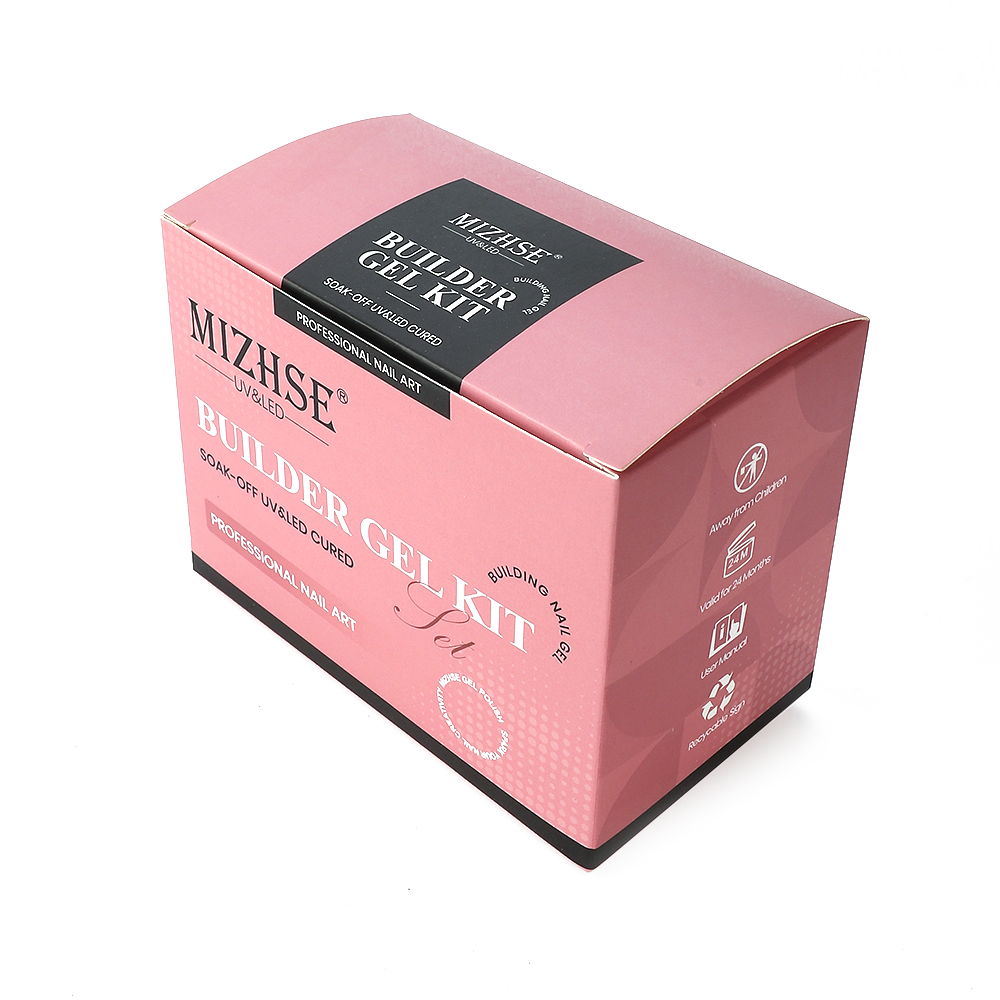
The packaging industry faces unprecedented pressure to deliver paper boxes that satisfy wildly different customer expectations across sectors. OEM paper box manufacturers must balance cost efficiency, sustainability, customization complexity, and rapid turnaround times while maintaining consistent quality across diverse applications. Understanding how these manufacturers navigate such multifaceted demands reveals both the operational sophistication required and the strategic choices that define competitive advantage in modern packaging supply chains.
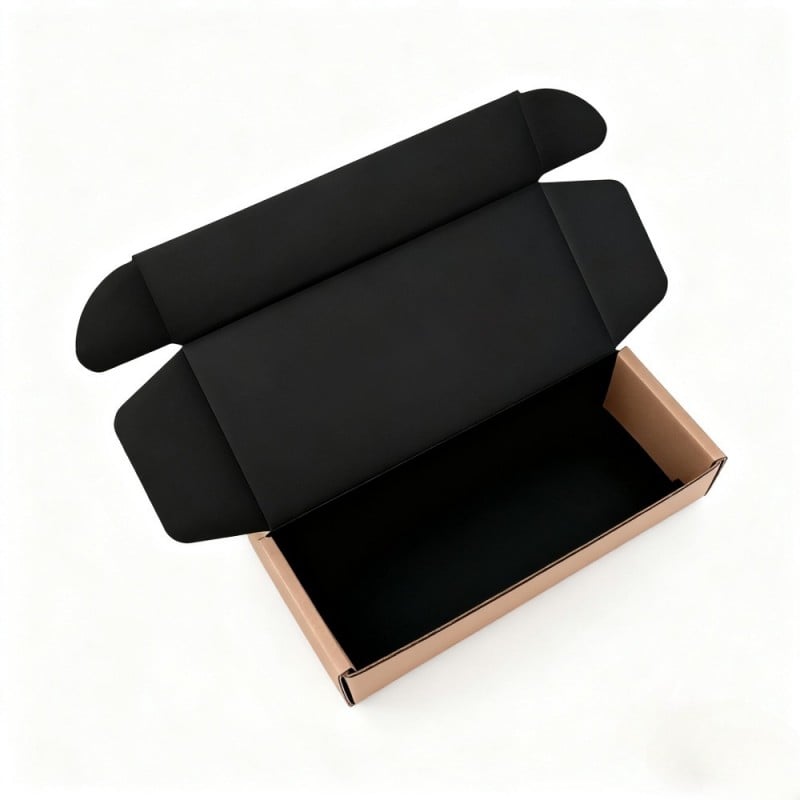
Paper boxes serve as the backbone of global logistics, e-commerce, pharmaceuticals, food distribution, and consumer goods sectors, yet each industry imposes distinct requirements. The ability to deliver specialized paper boxes that meet these fragmented demands without sacrificing production efficiency defines success for OEM manufacturers today. This article explores the practical strategies, technological investments, and operational frameworks that enable leading paper box manufacturers to serve diverse industries effectively.
Understanding Diverse Industry Requirements for Paper Boxes
Sector-Specific Demands on Paper Box Design
Different industries impose fundamentally different specifications on paper boxes. E-commerce companies prioritize protective cushioning and printable surfaces for branding, while pharmaceutical firms demand tamper-evident features, precise dimensions, and regulatory compliance documentation. Food packaging requires grease resistance, moisture barriers, and food-contact material certifications. Agricultural exports need reinforced paper boxes capable of handling rough transport conditions and environmental exposure. Fashion retailers seek aesthetically sophisticated paper boxes with specialty finishes, inserts, and unboxing experiences that reflect brand identity. Meeting these competing specifications simultaneously requires OEM paper box manufacturers to maintain flexible production systems, diverse material inventories, and deep compliance expertise across multiple regulatory frameworks.
Volume and Timeline Pressures
Alongside design complexity, paper boxes must be produced at vastly different scales and speeds. A luxury goods manufacturer might require 10,000 units annually with six-month lead times, while an e-commerce fulfillment center demands 500,000 units monthly with two-week delivery windows. OEM paper box manufacturers must configure production schedules that accommodate both high-volume standardized runs and small-batch custom orders without excessive changeover costs or quality degradation. This scheduling flexibility, when combined with design complexity requirements, creates a sophisticated capacity planning challenge that separates capable manufacturers from those overwhelmed by operational constraints.
Technological Solutions Enabling Customization at Scale
Digital Design and Prototyping Systems
Modern OEM paper box manufacturers leverage digital design platforms that compress the timeline from concept to production approval. These systems enable rapid iteration on dimensions, structural designs, and printable artwork without physical prototyping delays. Three-dimensional modeling software allows customers to visualize final paper boxes before production commitments, reducing costly design revisions after manufacturing begins. Digital asset management platforms store approved designs, specifications, and regulatory documentation, enabling consistent reproduction across multiple production runs separated by months or years. This technological infrastructure transforms paper box customization from a lengthy specialty process into a streamlined workflow that accommodates diverse industry requests without proportional cost or time penalties.
Flexible Production Equipment and Material Integration
Paper box production equipment must adapt to varying specifications without extended setup times. Modular die-cutting systems, adjustable folding machines, and interchangeable printing heads allow rapid transitions between different paper box configurations. OEM paper box manufacturers investing in this flexibility maintain diverse material stocks including corrugated grades, kraft varieties, specialty coatings, and water-resistant treatments that specific industries demand. This material diversity, combined with flexible equipment, enables manufacturers to serve food packaging customers with grease-resistant paper boxes one week, then transition to pharmaceutical-grade paper boxes the next week, without inventory disruption or production bottlenecks that would force customers into longer lead times or minimum order quantities.
Sustainability and Regulatory Compliance Across Industries
Material Selection for Environmental Performance
Increasingly, diverse industries demand that OEM paper box manufacturers source sustainable materials and communicate environmental credentials transparently. Recycled content paper boxes satisfy environmental commitments across e-commerce, cosmetics, and consumer goods sectors. Forest Stewardship Council certification appeals to luxury markets and environmentally conscious retailers. Compostable coating alternatives on corrugated paper boxes serve food service companies operating sustainability programs. Water-based inks replace solvent-based printing on paper boxes destined for sensitive end-use environments. OEM manufacturers must understand these material choices deeply because each sustainability specification affects performance characteristics, cost structures, and regulatory positioning. A manufacturer unable to articulate the performance trade-offs between different sustainable paper box options loses credibility with sophisticated buyers across industries.
Compliance Documentation and Quality Assurance
Paper boxes entering pharmaceutical, food, and medical device industries face rigorous regulatory oversight that generic compliance documentation cannot satisfy. OEM paper box manufacturers must maintain detailed material traceability, migration testing certifications, and facility audits that prove compliance across multiple regulatory regimes. Food-contact paper boxes require FDA documentation; pharmaceutical-grade paper boxes need GMP compliance evidence; medical device packaging demands sterilization compatibility verification. Maintaining parallel compliance pathways for different regulatory frameworks, then communicating appropriate documentation to each customer segment, requires sophisticated quality management systems and regulatory expertise that distinguish professional OEM paper box manufacturers from smaller operations. This compliance infrastructure, while expensive to establish and maintain, becomes an essential competitive requirement when serving diverse industries simultaneously.
Operational Strategies for Managing Demand Diversity
Forecasting and Inventory Optimization
OEM paper box manufacturers serving multiple industries face unpredictable demand patterns that make inventory planning extraordinarily complex. E-commerce shipping volumes spike seasonally around holiday periods, while agricultural exports follow harvest cycles distinct from retail seasons. Pharmaceutical demand runs counter-cyclical to consumer goods demand. Food service packaging fluctuates with restaurant traffic patterns and supply chain disruptions. Sophisticated forecasting models that weight historical patterns, leading indicator signals, and customer communication help paper box manufacturers maintain material inventory levels that satisfy diverse customer requests without excessive waste from obsolescence. Demand planning becomes a core competitive capability that reduces stock-outs during peak periods while minimizing carrying costs during slower seasons.
Strategic Customer Segmentation and Service Models
Leading OEM paper box manufacturers explicitly segment customers into service tiers that match operational capabilities with customer needs. High-volume standardized customers receive stable pricing and predictable delivery windows from dedicated production lines optimized for their specific paper box specifications. Mid-market customers with moderate volumes and customization needs access flexible capacity and expedited design services at premium pricing that reflects added operational complexity. Niche customers seeking specialty paper boxes, small volumes, or highly customized designs receive white-glove service including technical consulting, prototype development, and regulatory support at pricing levels that reflect the elevated service intensity. This segmentation strategy prevents the operational chaos of treating all paper box customers identically while ensuring each customer segment receives appropriate service levels matched to their complexity and value contribution.
FAQ
How do OEM paper box manufacturers maintain quality consistency across diverse custom specifications?
Quality consistency requires multi-stage verification systems including incoming material inspection, in-process dimension verification, and final visual inspection before paper boxes ship. Advanced manufacturers implement statistical process control tracking that flags deviation trends before quality failures occur. Material traceability systems document exact component sources for each batch of paper boxes, enabling rapid root cause analysis if quality issues emerge. Customer feedback loops capture early detection of specification drift, preventing quality problems from affecting multiple shipments. This layered quality approach, combined with skilled workforce training and equipment maintenance programs, enables OEM manufacturers to deliver consistent paper boxes despite vast design and material diversity across their customer base.
What lead times should customers expect for custom paper boxes from OEM manufacturers?
Lead times vary significantly based on customization complexity and production scheduling. Standard paper boxes using existing tooling and materials ship in two to four weeks for most order volumes. Custom paper box designs requiring new tooling typically require six to eight weeks from design approval to first production run. Rush options exist for premium pricing, potentially reducing lead times to two to three weeks by prioritizing jobs ahead of scheduled sequences. Customers communicating requirements early and providing clear specifications enable OEM paper box manufacturers to optimize scheduling and potentially compress lead times compared to last-minute requests. Most manufacturers maintain dedicated fast-track programs for established customers with predictable volumes and specifications.
Why should companies choose OEM paper box manufacturers instead of generic packaging suppliers?
Specialized OEM paper box manufacturers invest deeply in design expertise, regulatory knowledge, and production flexibility that generic packaging suppliers cannot justify economically. These manufacturers maintain deep understanding of industry-specific requirements, material options, and compliance frameworks that prevent costly mistakes in paper box selection. Their focus on paper boxes specifically enables economies of scale in this category that benefit customers through competitive pricing combined with specialized service. For businesses where packaging significantly impacts product experience, brand perception, or regulatory compliance, partnering with dedicated OEM paper box manufacturers delivers superior outcomes compared to generic suppliers treating paper boxes as commodity products alongside plastic, metal, and foam alternatives.
