 EN
EN

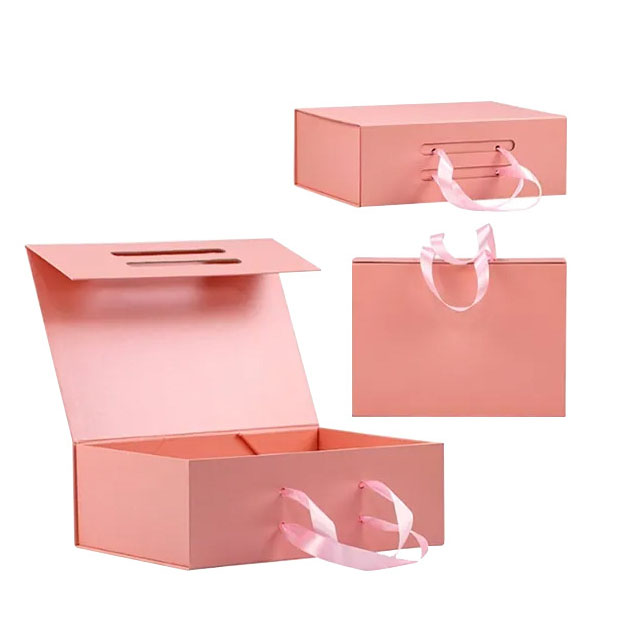
Selecting the right folding boxes for your packaging operation is one of the most consequential decisions a procurement or product manager will make. Whether you are packaging consumer goods destined for retail shelves or industrial components headed to distribution centers, the structural integrity, visual presentation, and cost efficiency of your folding boxes directly influence customer perception, supply chain performance, and bottom-line margins. Getting this choice right requires a systematic evaluation of materials, dimensions, printing specifications, and end-use environments rather than simply ordering the cheapest available option.
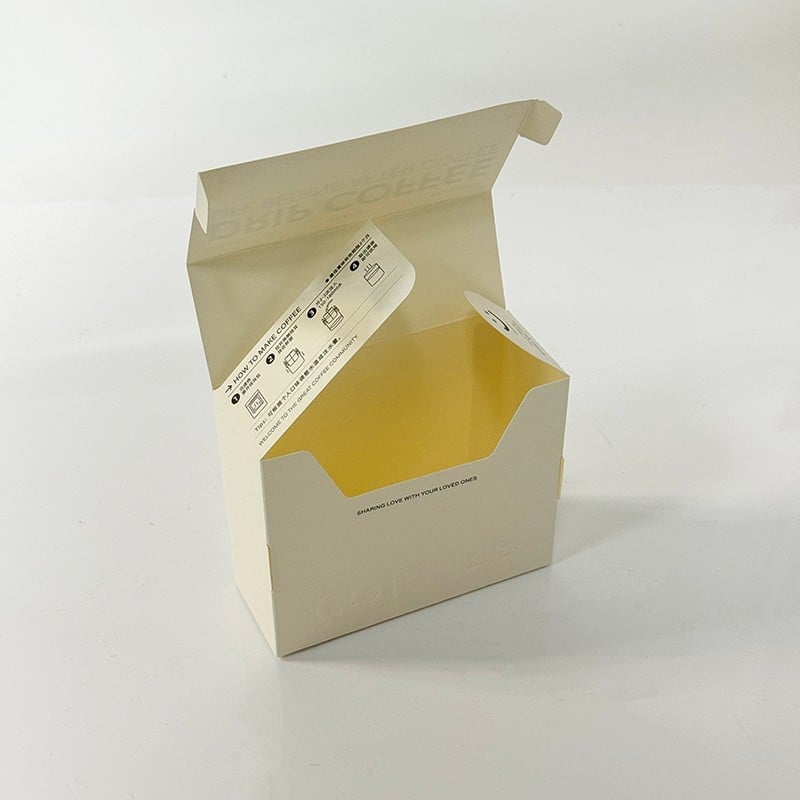
This guide is designed to walk you through the critical selection criteria for folding boxes across both industrial and retail contexts. From substrate selection and structural design to print quality and sustainability requirements, every factor explored here connects directly to real-world packaging decisions. By the time you finish reading, you will have a clear, practical framework for evaluating and choosing folding boxes that perform reliably, represent your brand effectively, and scale with your operational needs.
Understanding the Core Differences Between Industrial and Retail Folding Boxes
Functional Demands in Industrial Packaging
Industrial packaging environments place heavy demands on structural performance. Folding boxes used in industrial contexts must withstand stacking pressure, variable humidity, rough handling in warehouses, and the mechanical stresses of automated assembly lines. The primary requirement is load-bearing capacity, not aesthetics. When evaluating folding boxes for industrial use, buyers should prioritize board caliper, flute configuration if corrugated elements are involved, and the compression strength ratings of the finished carton.
Industrial applications commonly include auto parts packaging, hardware components, electronic assemblies, and chemical product containment. In these scenarios, the folding boxes often serve a secondary protective function alongside inner packaging materials such as foam inserts or anti-static liners. The outer carton must maintain dimensional stability even under temperature fluctuations and extended storage periods. Moisture resistance coatings and reinforced glue lines become critical selection factors rather than optional enhancements.
Another consideration unique to industrial packaging is compatibility with automated packaging systems. Many production environments use case erectors, cartoning machines, and robotic pick-and-place systems that require folding boxes with precise dimensional tolerances and consistent crease quality. A box that works perfectly when assembled by hand may jam or misalign in a high-speed automated line, so supplier quality control standards must be verified before committing to a large production run.
Aesthetic and Commercial Priorities in Retail Packaging
Retail packaging operates by an entirely different logic. When consumers encounter folding boxes on a shelf, their first impression is formed within seconds, making print quality, color accuracy, and structural elegance as important as any physical protection function. Retail folding boxes are marketing tools as much as containment solutions, and the material selection, surface finish, and die-cut design must all reinforce the brand identity and price-point positioning of the product inside.
For retail applications such as cosmetics, food supplements, beverages, confectionery, and consumer electronics accessories, the paper substrate choice signals quality before the consumer even touches the product. Coated folding board with a glossy or soft-touch lamination communicates premium value, while uncoated kraft paperboard communicates natural, sustainable credentials. Matching the physical presentation of your folding boxes to the emotional expectations of your target consumer segment is a foundational step in the selection process.
Retail environments also demand consistent color reproduction across print runs, particularly for brands that maintain strict color standards across multiple SKUs and markets. Offset lithography remains the gold standard for large retail print runs due to its color fidelity and surface finish options, while digital printing has become viable for short runs and personalized folding boxes campaigns. Whichever print method you choose, requesting press proofs or pre-production samples is essential before approving full production.
Material Selection for Folding Boxes
Paperboard Grades and Their Applications
The substrate is the single most important material decision when specifying folding boxes. Solid bleached sulfate, commonly known as SBS board, offers a bright white printing surface and excellent score-and-fold performance, making it the preferred choice for high-end retail cartons in beauty, pharmaceutical, and food applications. Coated unbleached kraft, or CUK, combines natural brown back aesthetics with a printable coated top surface, offering strength advantages and a distinctive look that positions well in organic and craft consumer categories.
Folding boxboard, often referred to as FBB, is a multilayer board with high stiffness relative to its weight, making it particularly efficient for retail folding boxes where minimizing material usage without sacrificing rigidity is commercially important. Recycled paperboard options, including clay-coated newsback, offer cost advantages and sustainability credentials for applications where the print substrate requirements are moderate. Understanding the caliper, basis weight, and stiffness values of each board grade allows packaging engineers to make accurate structural calculations before tooling is commissioned.
For industrial folding boxes, single-wall or double-wall corrugated board combined with a printed top liner is a common hybrid approach that delivers both visual presence and structural performance. The selection between E-flute, B-flute, and C-flute corrugated structures depends on the compression requirements and the available space within the packaging footprint. Buyers should always request board grade specifications, burst test results, and edge crush test values when sourcing corrugated folding boxes for industrial shipment.
Surface Treatments and Protective Coatings
Once the base substrate is selected, the surface treatment determines both the visual performance and the physical durability of the finished folding boxes. Glossy aqueous coatings provide basic scuff resistance and a bright finish at low cost. Matte aqueous coatings reduce glare and provide a refined, contemporary feel preferred in luxury and professional categories. UV spot coating allows designers to selectively apply a high-gloss layer over specific graphic elements, creating visual contrast and tactile interest on retail folding boxes.
Lamination films, both gloss and matte, offer superior durability compared to aqueous coatings and are widely used for folding boxes that require resistance to handling wear, moisture exposure, or shelf life considerations. Soft-touch lamination has grown in popularity across premium consumer categories because it imparts a velvety texture that significantly elevates the perceived quality of the package. However, laminated folding boxes present challenges for recycling unless the lamination film is either paper-based or formally certified for recyclability in the target market.
For food-contact folding boxes, barrier coatings that resist grease, moisture vapor, and oxygen transmission may be required depending on the product's shelf-life specifications and regulatory requirements. Water-based barrier coatings are increasingly replacing traditional polyethylene extrusion coatings in response to sustainability mandates in major retail markets. Confirming food contact compliance certifications from your substrate and coating suppliers is a non-negotiable step when specifying folding boxes for direct food packaging applications.
Structural Design and Box Style Selection
Matching Box Style to Product and Channel Requirements
The structural style of your folding boxes must be matched to both the product it contains and the distribution channel through which it travels. Straight tuck end cartons are among the most widely used styles in retail environments because they are cost-efficient to produce, easy to fill on automated lines, and provide a clean, presentable face panel for branding. Reverse tuck end styles offer slightly improved closure security on the bottom panel, making them appropriate for heavier products in retail folding boxes.
For products that need to be displayed while still inside the package, such as food products or personal care items, window patching or display cutout features can be incorporated into the structural design. These features require additional converting operations but add significant retail shelf impact. Auto-bottom or crash-lock-bottom structures are recommended for folding boxes carrying dense or heavy products, as they eliminate the manual tuck assembly step and provide a more reliable base panel under load.
In industrial contexts, slotted container styles, full-overlap designs, and reinforced partition configurations address the heavy-duty handling requirements that standard retail styles cannot satisfy. Custom die-cut folding boxes designed around specific product geometries reduce internal movement during transit, protecting precision components and reducing damage claims. Collaborating with a structural packaging engineer during the design phase is strongly recommended for any industrial application where product integrity during shipment is critical.
Dimensional Accuracy and Tolerance Standards
Dimensional precision is a frequently underestimated factor when sourcing folding boxes. Cartons that are even slightly oversized will not present cleanly on retail shelves and may fail to close properly. Cartons that are undersized will not protect the product adequately or may buckle under stacking pressure. Specifying dimensional tolerances in your technical brief — typically plus or minus one millimeter for retail folding boxes and slightly wider allowances for heavy-duty industrial styles — creates an accountable quality standard that suppliers must meet.
Score placement accuracy is equally important. Poorly placed scores result in folding boxes that do not square up properly during erection, creating visible gaps at the corners and a distorted overall appearance. Requesting a sample drawdown or a digital die-line proof before committing production tooling helps identify dimensional issues before they become costly quality failures. Any change to the product dimensions or weight specification after tooling has been cut will likely require retooling costs, so finalizing the product specifications before box development begins is a sound project management practice.
Printing Specifications and Brand Compliance
Print Process Selection for Different Volume Requirements
The print process chosen for your folding boxes will have a direct impact on per-unit cost, color fidelity, lead time, and minimum order quantities. Offset lithography printed onto flat sheets before die-cutting and creasing remains the most cost-effective process for medium-to-large retail print runs. It delivers exceptional color reproduction and supports a wide range of special effects including foil stamping, embossing, and UV coating. For brands requiring consistent PMS color matching across global markets, offset-printed folding boxes provide the tightest color control achievable in commercial production.
Flexographic printing is widely used for industrial folding boxes and corrugated cartons where the substrate surface is not suitable for offset printing and where color accuracy requirements are less stringent than retail applications. Modern flexographic presses have improved significantly in recent years, making them increasingly viable for retail-grade folding boxes in certain substrates and color configurations. Digital printing has disrupted the short-run segment, allowing brands to produce small quantities of customized folding boxes without the tooling and plate costs associated with conventional print processes.
When evaluating print vendors for your folding boxes, request their press calibration standards, color management certifications, and examples of color-critical work from recent production. Delta E values — a measure of color deviation from the approved standard — should be specified in your quality agreement. A Delta E of 3 or below is standard for retail folding boxes, while tighter tolerances of 1 or below may be required for luxury and pharmaceutical applications where brand color consistency is contractually mandated.
Regulatory and Safety Print Requirements
Certain product categories impose mandatory print content requirements on folding boxes that must be incorporated into the artwork before plates are made. Food products require ingredient declarations, allergen warnings, nutritional information panels, and lot coding areas. Pharmaceutical and nutraceutical products require dosage instructions, active ingredient lists, manufacturing date fields, and regulatory approval references. Electronic products may require compliance marks and disposal information symbols depending on the destination market.
Failure to include required regulatory text on folding boxes can result in product recalls, customs holds, or retailer delisting, all of which carry costs far exceeding the expense of a careful pre-production artwork review process. Establishing a formal artwork approval workflow that routes proofs through your regulatory affairs team, marketing department, and production manager before approval is a best practice that prevents costly errors. Most professional folding boxes suppliers will provide a digital proof at natural size to support this review process.
Sustainability Considerations When Choosing Folding Boxes
Certifications and Responsible Sourcing
Sustainability has moved from a marketing differentiator to a baseline procurement requirement in many industries. When specifying folding boxes, buyers should confirm that the paper substrates used carry recognized responsible forestry certifications such as FSC or PEFC. These certifications provide a chain-of-custody guarantee that the fiber used in your folding boxes originates from sustainably managed forests, supporting your organization's environmental commitments and satisfying retailer compliance requirements in major markets.
Beyond fiber sourcing, the recyclability of the finished folding boxes in the end-use market must be evaluated. Paperboard cartons without plastic lamination are generally accepted in curbside paper recycling streams in most markets, making them among the most easily recyclable packaging formats available. However, folding boxes with metallic foils, full-coverage lamination films, or multi-material adhesive combinations may be classified as non-recyclable in certain jurisdictions, creating compliance risks as extended producer responsibility legislation expands globally.
Ink systems also contribute to the recyclability and environmental profile of your folding boxes. Water-based and vegetable oil-based ink systems are generally preferred over solvent-based inks from both a worker safety and recyclability perspective. UV-curable inks offer fast curing and low solvent emissions but require specific deinking treatments in paper recycling facilities. Discussing ink system compatibility with recycling standards in your target markets with your print supplier before finalizing the specification ensures your folding boxes meet the sustainability expectations of your retail partners and end consumers.
Lightweighting and Material Efficiency
One of the most effective strategies for improving the sustainability performance of folding boxes is lightweighting — reducing the basis weight or caliper of the substrate while maintaining functional performance through optimized structural design. Advances in paperboard manufacturing have produced grades that deliver equivalent stiffness and score quality at lower basis weights compared to older formulations, enabling material reductions of 10 to 20 percent in some applications without compromising the structural integrity of the folding boxes.
Lightweighting also delivers direct cost savings, since paperboard is typically priced by weight. A five percent reduction in board weight across a high-volume production program can represent significant annual savings when aggregated across multiple SKUs. However, lightweighting must always be validated through physical testing before production approval, as thinner boards are more sensitive to score cracking, moisture uptake, and compression failure under certain conditions. Structural analysis and prototype testing protect against the risk of investing in tooling for folding boxes that fail in real-world use.
FAQ
What is the difference between folding boxes used in retail versus industrial packaging?
Retail folding boxes prioritize visual presentation, print quality, and consumer experience, while industrial folding boxes focus on structural strength, dimensional consistency, and compatibility with automated handling systems. The material grades, surface treatments, and structural styles selected for each application reflect these different performance priorities. A retail box optimized for shelf impact may not provide sufficient load-bearing capacity for industrial distribution, and vice versa.
How do I determine the right board grade for my folding boxes?
The right board grade depends on the product weight, distribution environment, print quality requirements, and sustainability profile of your application. SBS board suits premium retail applications with demanding print requirements, while corrugated structures with printed liners serve heavy-duty industrial uses. Requesting board grade specifications, stiffness data, and physical test results from potential suppliers allows you to make an informed comparison rather than relying on generic descriptions alone.
Can folding boxes be customized for automated packaging lines?
Yes, folding boxes can be engineered specifically for automated packaging line compatibility. This requires precise dimensional tolerances, consistent crease quality, and specific structural styles — such as auto-bottom or crash-lock designs — that erect reliably in high-speed cartoning equipment. Sharing your machine specifications and line speed requirements with the box supplier at the design stage is essential to achieving smooth integration and minimizing downtime due to packaging jams or misfeeds.
What sustainability certifications should I look for when sourcing folding boxes?
The most widely recognized fiber sourcing certifications for folding boxes are FSC and PEFC, both of which provide chain-of-custody assurance for responsibly sourced wood fiber. In addition to fiber certifications, buyers should evaluate the recyclability of the finished carton in target market recycling streams, the ink systems used in printing, and the presence of any lamination films or coatings that may impair recyclability. Confirming compliance with extended producer responsibility regulations in your sales markets is increasingly important as legislation in this area continues to expand.
