 EN
EN

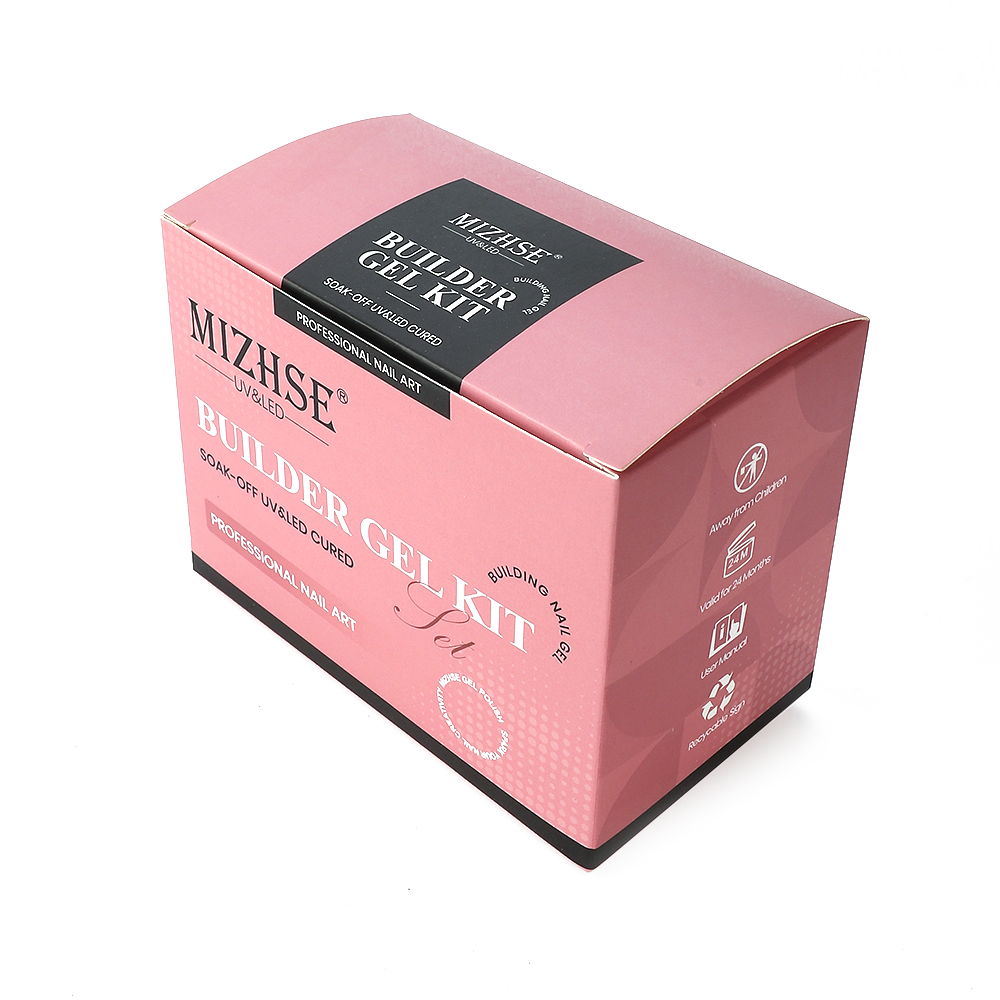
In today's competitive retail and e-commerce landscape, the quality of paper boxes has become a critical differentiator between brands that succeed and those that fade into obscurity. High-quality paper boxes do far more than simply contain products; they communicate brand value, protect contents during transit, and create memorable unboxing experiences that customers share across social media platforms. Understanding what truly distinguishes exceptional paper boxes from mediocre alternatives is essential for businesses seeking to elevate their packaging strategy and maintain competitive advantage in an increasingly discerning market.
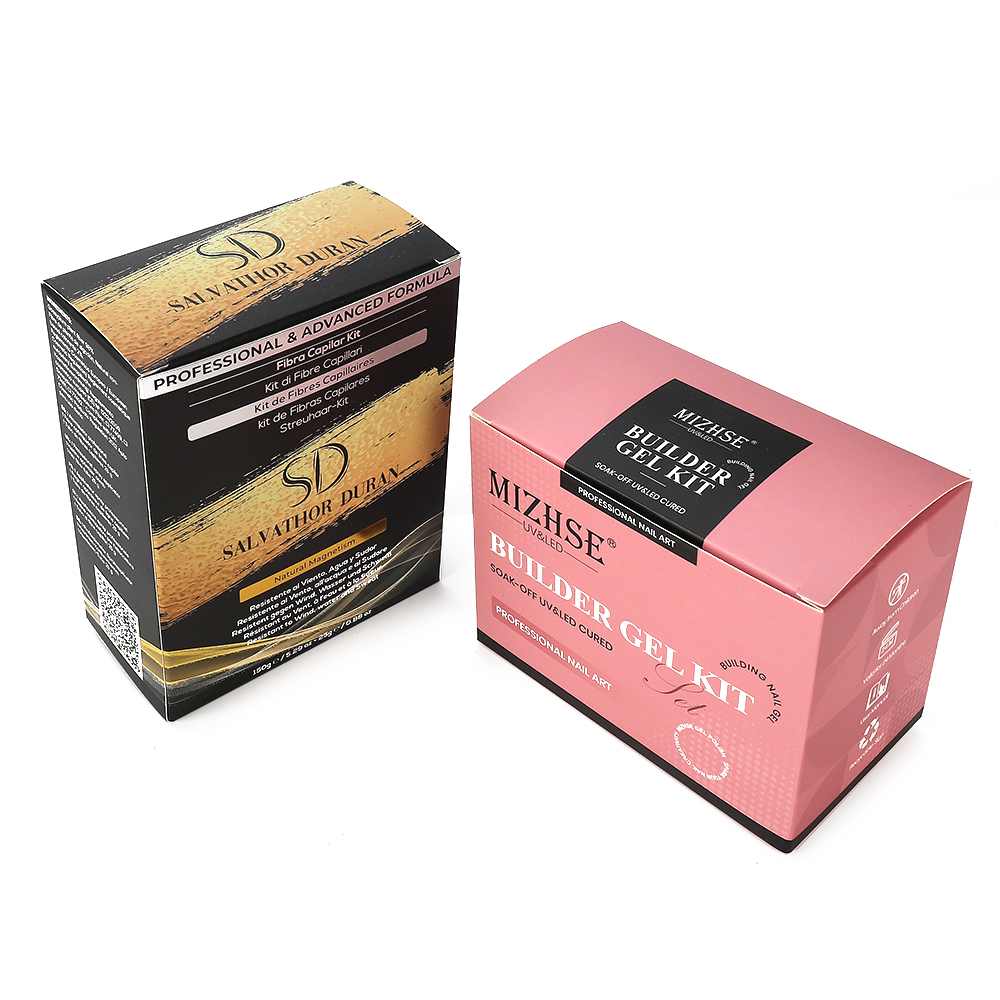
The distinction between ordinary and outstanding paper boxes lies in a convergence of factors spanning material selection, structural engineering, printing precision, and customization capability. When organizations invest in truly superior paper boxes, they gain measurable returns through enhanced brand perception, reduced damage rates, improved customer retention, and stronger market positioning. This comprehensive exploration reveals the specific attributes that make paper boxes exceptional, enabling businesses to make informed decisions about their packaging investments and understand why premium paper boxes deliver superior value across the entire supply chain.
Material Excellence and Structural Integrity
Premium Substrate Selection for Paper Boxes
The foundation of exceptional paper boxes begins with material selection, as the substrate directly influences durability, appearance, and sustainability. High-quality paper boxes utilize virgin fiber blends or responsibly sourced recycled materials that provide superior strength-to-weight ratios compared to commodity-grade alternatives. The caliper thickness, measured in points, determines rigidity and crush resistance; premium paper boxes typically employ 18-24 point substrates that maintain structural integrity throughout the shipping and handling lifecycle. Additionally, superior paper boxes incorporate barrier coatings that resist moisture, protect against environmental contamination, and preserve product integrity in challenging storage conditions.
Engineering and Durability Standards
Structural engineering separates mediocre paper boxes from market leaders through precise die-cutting tolerances, reinforced corner construction, and optimized flap design that prevents unintended opening during transit. High-performance paper boxes are engineered to meet or exceed ISTA and ASTM testing standards, ensuring they withstand compression forces, drop tests, and environmental stressors encountered in real-world distribution networks. The internal scoring and creasing of quality paper boxes follows biomechanical principles that balance fold precision with structural support, preventing splitting and ensuring reliable sealing with tape or adhesive. These engineering specifications transform paper boxes from simple containers into protective vessels designed for demanding logistical environments.
Aesthetic Excellence and Brand Communication
Advanced Printing and Visual Impact
Outstanding paper boxes leverage advanced printing technologies including flexography, digital imaging, and lithography to achieve vibrant color reproduction, fine detail registration, and premium visual finishes that command attention on retail shelves and in customer homes. High-quality paper boxes showcase spot color precision and color matching protocols that ensure brand consistency across production runs, preventing the color variation that undermines brand recognition. Premium finishing techniques such as embossing, foil stamping, matte and gloss coatings, and texture application add tactile and visual sophistication that elevates perceived product value. The combination of premium substrate and advanced printing creates paper boxes that function as silent salespeople, communicating quality and professionalism before customers ever open the box.
Customization and Brand Differentiation
Superior paper boxes provide flexibility for extensive customization that enables brands to express unique visual identities without sacrificing functionality or cost-effectiveness. High-quality paper boxes accommodate variable sizing, window cutouts, insert pockets, divider systems, and integrated protective elements that serve both aesthetic and practical purposes. The ability to customize paper boxes with proprietary designs, brand storytelling, and structural innovations allows businesses to create packaging that becomes an extension of brand experience rather than a generic commodity container. This differentiation capability proves particularly valuable in luxury goods, artisanal products, and e-commerce sectors where unboxing experience drives customer engagement and word-of-mouth marketing.
Performance and Sustainability Considerations
Environmental Responsibility and Certifications
Leading-edge paper boxes incorporate sustainable practices and certifications that reflect growing consumer and regulatory demands for environmentally responsible packaging solutions. Premium paper boxes utilize FSC-certified materials, water-based inks, and recyclable adhesives that minimize environmental footprint while maintaining superior performance characteristics. High-quality paper boxes designed with sustainability principles often optimize material usage through engineered designs that reduce substrate weight without compromising protection, lowering carbon emissions during transportation and storage. Certifications such as ISO 14001 environmental management standards and Cradle-to-Cradle assessments validate that paper boxes meet rigorous environmental criteria alongside performance requirements.
Cost-Benefit Analysis and Long-Term Value
While premium paper boxes may carry higher upfront costs compared to commodity alternatives, the total cost of ownership favors quality through reduced damage-related losses, decreased customer returns, and enhanced brand value generation. High-quality paper boxes that protect products effectively reduce warranty claims and customer service burden, creating significant financial leverage in high-volume distribution scenarios. The brand equity generated by superior paper boxes translates into price elasticity advantages, customer loyalty improvements, and market share resilience during competitive pressure. Sophisticated supply chain managers recognize that investing in premium paper boxes represents strategic expenditure that generates measurable return through reduced waste, improved customer satisfaction metrics, and strengthened brand positioning in competitive markets.
FAQ
What specific material characteristics define high-quality paper boxes?
Premium paper boxes feature virgin fiber content or responsibly sourced recycled materials with caliper thickness of 18-24 points, superior burst strength ratings exceeding 40 PSI, and moisture barrier coatings that protect contents throughout the supply chain. The substrate selection prioritizes durability over cost, ensuring paper boxes maintain structural integrity through compression, vibration, and environmental exposure encountered during distribution and storage.
How do superior paper boxes enhance brand perception and customer experience?
Exceptional paper boxes communicate premium brand positioning through advanced printing fidelity, sophisticated finishes including embossing and foil applications, and customized structural elements that create memorable unboxing moments. High-quality paper boxes transform packaging from functional necessity into brand experience platform, influencing customer perception of product value and driving social media sharing that amplifies brand reach and credibility.
Are premium paper boxes more sustainable than standard alternatives?
Superior paper boxes typically incorporate FSC-certified materials, water-based inks, and optimized designs that reduce overall substrate consumption while maintaining protective performance, resulting in lower carbon footprint compared to commodity options. High-quality paper boxes engineered for material efficiency and end-of-life recyclability demonstrate environmental responsibility that aligns with consumer expectations and regulatory compliance requirements across global markets.
