 EN

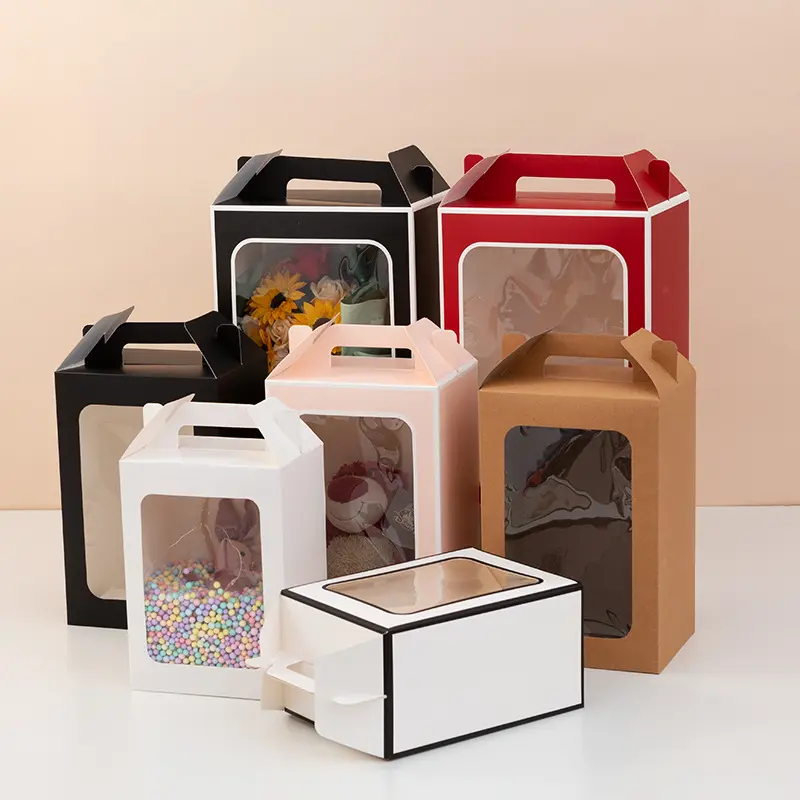
Understanding the true cost drivers behind packaging boxes is essential for businesses looking to balance brand presentation with budget efficiency. Custom printed packaging boxes represent a significant investment for retailers, e-commerce companies, and manufacturers seeking to differentiate their products in competitive markets. The final price of packaging boxes depends on numerous interconnected variables that extend far beyond simple base material selection. By examining these factors systematically, procurement teams can make informed decisions that optimize both quality and expenditure while maintaining the protective and aesthetic standards their products require.
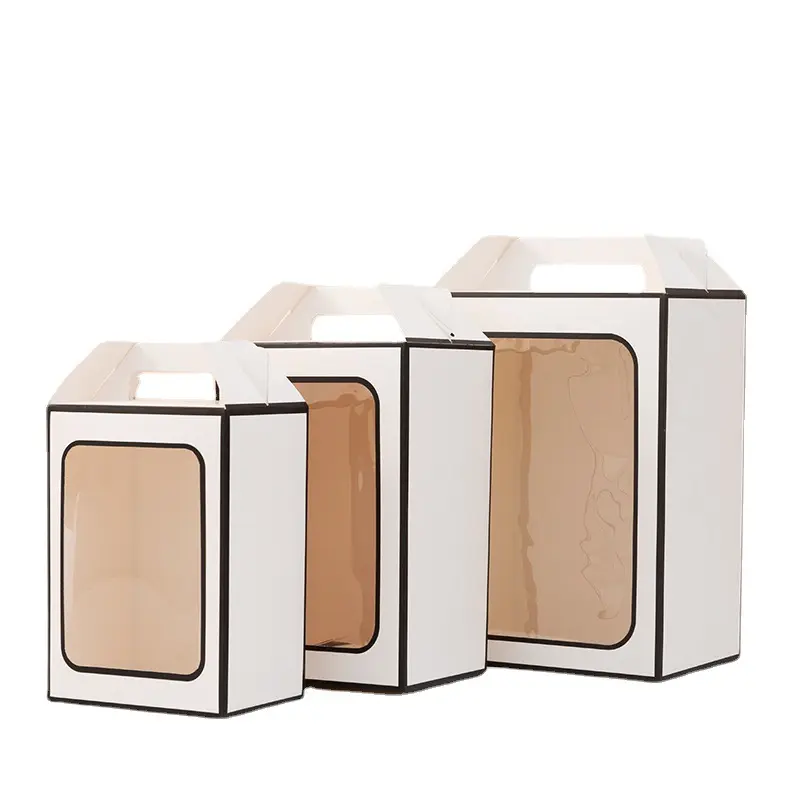
The complexity of pricing for packaging boxes stems from the interaction between material specifications, production capabilities, market demand, and customization scope. Whether you require corrugated shipping boxes, folding cartons, rigid display boxes, or specialty printed packaging boxes, each category carries distinct cost implications. Organizations typically underestimate how significantly variables like substrate weight, ink coverage, structural design, and order quantity influence the final unit price. This comprehensive guide breaks down the primary cost factors affecting packaging boxes to help you understand pricing structures and negotiate more effectively with packaging suppliers.
Material Selection and Substrate Quality
Paper Stock and Material Grade
The foundation of packaging boxes pricing begins with material selection. Standard kraft paper, white clay-coated board, and recycled content options each come with distinct price points. Higher-grade materials with superior finish quality and barrier properties typically command premium pricing for packaging boxes. White coated boards cost more than brown kraft substrates, and specialty materials like plastic-laminated or moisture-resistant stocks increase packaging boxes expenses considerably. The weight or thickness of the material directly impacts both material cost and structural integrity, making this one of the most controllable cost variables when designing packaging boxes.
Substrate Sourcing and Availability
Raw material sourcing influences packaging boxes costs significantly. Fluctuations in virgin fiber availability, recycled content pricing, and international shipping expenses for imported substrates affect overall packaging boxes pricing. During periods of high demand or supply chain disruptions, material surcharges become common for custom packaging boxes. Local sourcing of packaging boxes materials reduces logistics costs, while specialty imported stocks may require longer lead times and premium fees. Sustainability certifications like FSC compliance can add 5–15% to standard packaging boxes material costs, reflecting the additional sourcing and verification requirements.
Customization Complexity and Design Specifications
Print Design Intricacy and Color Coverage
Print complexity represents a major cost driver for custom packaging boxes. Simple one or two-color logo printing costs substantially less than full-color photographic designs across custom packaging boxes surfaces. Ink coverage percentage directly impacts production time and material consumption for packaging boxes, with dense color saturation requiring more passes through printing equipment. Specialty finishes like metallic inks, gradient printing, or holographic effects on packaging boxes require additional setup and production expertise. Variable data printing on packaging boxes, where each box includes unique information like barcodes or serial numbers, increases complexity and necessitates more sophisticated printing technology for packaging boxes.
Structural Design and Die-Cutting Requirements
The architectural design of packaging boxes significantly affects manufacturing costs. Simple rectangular configurations for packaging boxes require minimal die-cutting expertise, while complex geometries with window cutouts, handles, or specialty closures increase production expenses. Custom die creation for packaging boxes represents a substantial fixed cost that gets amortized across total order quantities. Packaging boxes featuring unusual dimensions, specialized compartments, or insert requirements demand custom tooling that smaller orders cannot justify economically. Structural reinforcement elements like corrugated fluting patterns or board lamination for packaging boxes add material and manufacturing complexity to the pricing equation.
Order Volume and Production Economics
Quantity-Based Pricing Tiers
Order quantity remains one of the most influential cost variables for packaging boxes. Manufacturers establish volume-based pricing structures where unit costs for packaging boxes decrease substantially with increased quantities due to economies of scale. Small orders of packaging boxes under 500 units typically attract the highest per-unit prices due to fixed setup costs. Mid-tier quantities for packaging boxes between 1,000 and 5,000 units receive moderate pricing with better margins. Large-volume orders of packaging boxes exceeding 10,000 units unlock significant per-unit savings that can reduce costs by 30–50% compared to minimum orders. Packaging boxes pricing models account for how efficiently production lines operate at different batch sizes.
Minimum Order Quantities and Setup Costs
Most packaging boxes manufacturers establish minimum order quantities that reflect production efficiency thresholds. When custom packaging boxes orders fall below these minimums, significant per-unit surcharges apply to offset setup expenses. Die creation, color matching, and machine calibration for packaging boxes represent non-variable costs that must be recovered from each unit produced. Some suppliers offer higher minimum quantities for packaging boxes with lower per-unit costs, requiring businesses to choose between flexibility and economy. Understanding a supplier's capacity and how they structure packaging boxes minimum orders helps determine whether consolidating orders or exploring alternative vendors makes economic sense.
Production Method and Printing Technology
Printing Technique Selection
The printing methodology selected for packaging boxes substantially influences final costs. Offset printing for packaging boxes offers excellent quality and cost-efficiency for larger volumes but requires expensive plate creation. Digital printing technology for packaging boxes eliminates setup costs, making it economical for smaller runs and variable-data applications. Flexographic printing for packaging boxes suits high-volume production with moderate customization but demands specialized expertise. Gravure printing for packaging boxes produces premium results with photo-realistic quality at the highest cost. Each printing technology for packaging boxes involves different equipment, operator skill requirements, and production speeds that directly impact unit pricing.
Finishing and Post-Print Processing
Additional finishing processes for packaging boxes add measurable costs to the final product. Lamination, varnishing, or protective coatings on packaging boxes increase durability and visual appeal while adding 15–30% to base production costs. Embossing, debossing, or spot-UV effects on packaging boxes require specialized equipment and skilled operators. Die-cutting precision for packaging boxes, perforation, scoring for fold lines, and assembly labor all contribute to the final expense structure. Quality assurance testing and packaging boxes inspection protocols ensure products meet specifications but represent additional production line time and overhead allocation.
FAQ
Why do small orders of packaging boxes cost more per unit than large orders?
Small orders of packaging boxes require the same setup time, tooling creation, and machine calibration as large orders, but these fixed costs are divided among fewer units. When packaging boxes production involves creating custom dies, color matching, and operator setup, these expenses must be recovered regardless of final order quantity. Large orders distribute these one-time packaging boxes expenses across many more units, dramatically reducing per-unit cost. Additionally, suppliers achieve better production efficiency and material utilization with packaging boxes manufactured in high volumes, further reducing waste and per-unit pricing.
How does material choice impact the pricing of custom packaging boxes?
Material selection creates the largest variable cost component for custom packaging boxes. Premium white coated boards cost 2–3 times more than standard brown kraft for packaging boxes. Specialty substrates with barrier properties, sustainability certifications, or unique finishes command significant premiums for packaging boxes. The weight and thickness of packaging boxes material affects both material cost and structural performance, with heavier grades providing better protection at higher expense. Recycled content options may cost less than virgin fiber for some packaging boxes, though sustainability certifications can offset these savings through verification and sourcing requirements.
What is the relationship between design complexity and packaging boxes costs?
Design complexity for packaging boxes creates two distinct cost impacts: tooling expenses and production inefficiency. Complex die designs for packaging boxes with multiple cutouts, windows, or unusual geometries require specialized die creation that can cost hundreds or thousands of dollars. These fixed tooling costs become prohibitive for small packaging boxes orders but reasonable when amortized across thousands of units. Additionally, intricate packaging boxes designs often reduce production line speed, requiring additional labor and machine time. Multi-color printing with specialty inks or finishes for packaging boxes further increases complexity costs compared to simple single-color packaging boxes designs.
