 EN
EN

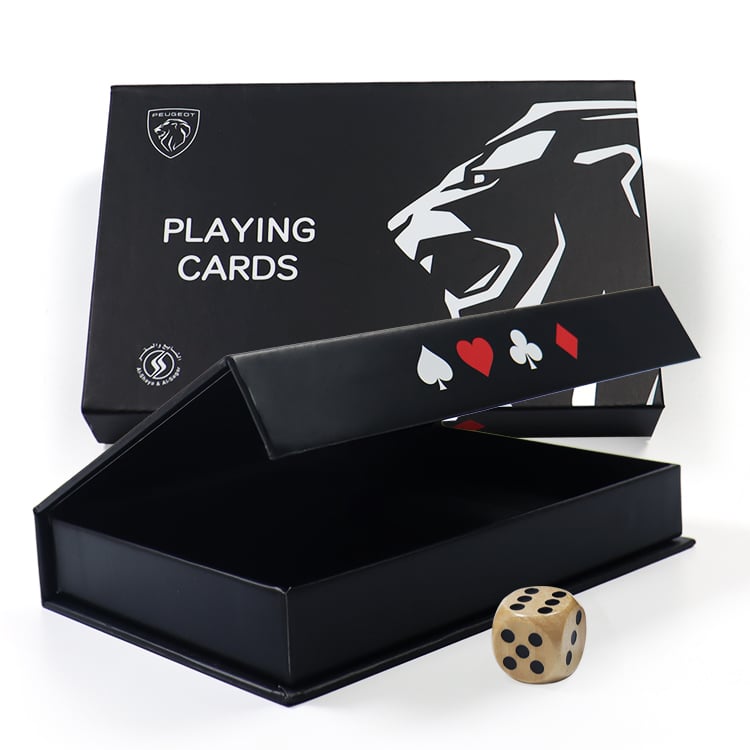
The art of gift giving has evolved significantly in recent years, with consumers increasingly seeking unique and personalized packaging solutions that reflect their thoughtfulness and attention to detail. Gift box customization has become a crucial element in creating memorable experiences for recipients, whether for personal occasions or corporate gifting initiatives. Understanding the various techniques available for customizing gift boxes enables businesses and individuals to create packaging that truly stands out in today's competitive marketplace.
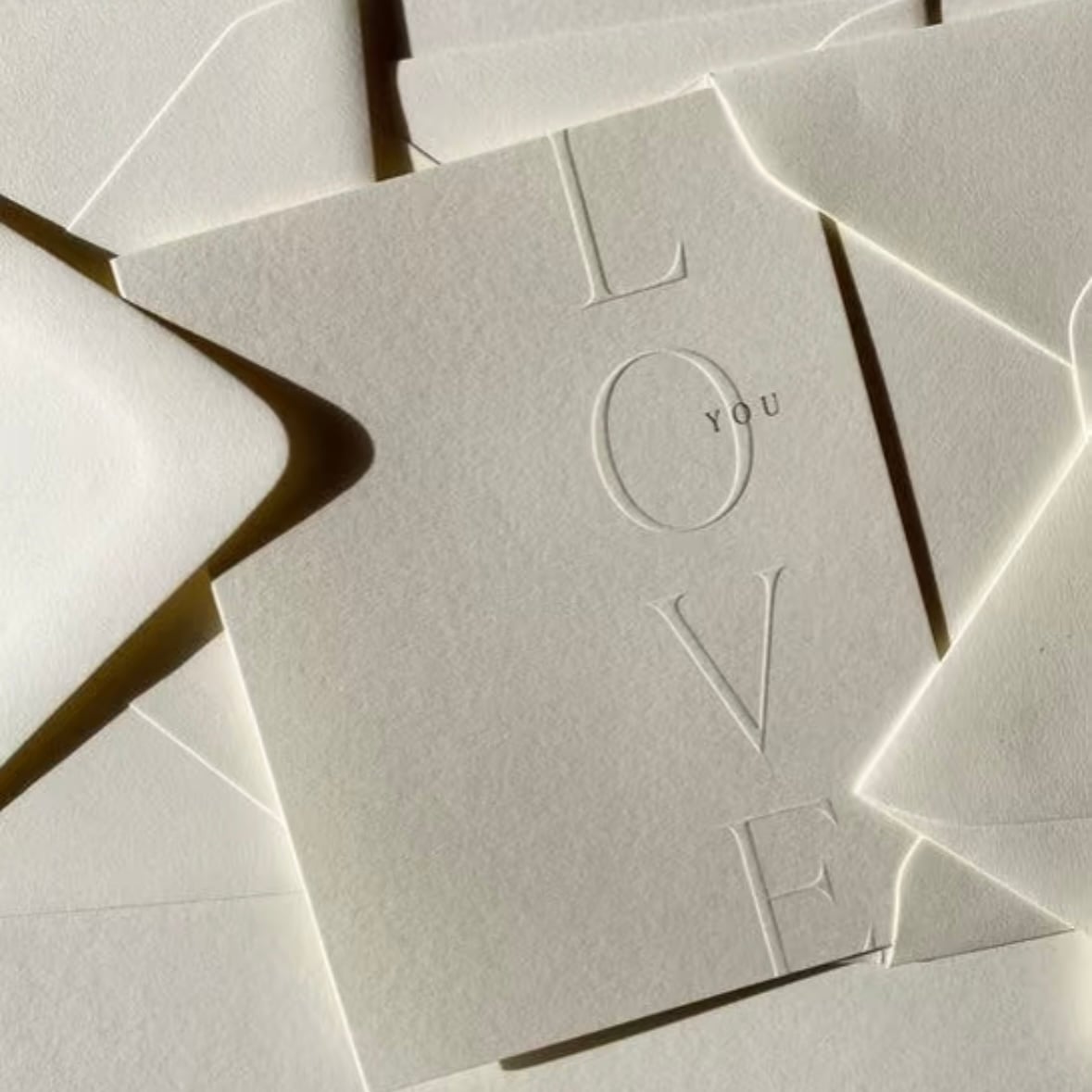
The demand for personalized packaging has grown exponentially as consumers seek ways to express their individuality and create lasting impressions. Gift box customization offers endless possibilities for creativity while serving practical purposes such as brand recognition, product protection, and enhanced unboxing experiences. From luxury retail brands to small artisan businesses, organizations across industries are recognizing the value of investing in customized packaging solutions that align with their brand identity and customer expectations.
Embossing and Debossing Techniques
Traditional Embossing Methods
Embossing represents one of the most sophisticated approaches to gift box customization, creating raised designs that add tactile dimension to packaging surfaces. This technique involves pressing designs into the material using heated dies, resulting in elegant raised patterns that catch light beautifully and invite touch. Traditional embossing works exceptionally well with logos, monograms, and decorative patterns, making it a favorite choice for luxury gift packaging and premium brand presentations.
The embossing process requires careful consideration of material thickness and design complexity to achieve optimal results. Cardboard and paperboard materials typically used in gift box construction respond well to embossing techniques, with thicker stocks providing more dramatic raised effects. Professional embossing equipment can create intricate details with remarkable precision, allowing for complex designs that would be impossible to achieve through other customization methods.
Modern Debossing Applications
Debossing creates the opposite effect of embossing by pressing designs into the material to form recessed impressions rather than raised surfaces. This technique offers a more subtle yet equally sophisticated approach to gift box customization, particularly effective for creating elegant branded packaging that maintains a refined appearance. Debossed elements can be combined with other finishing techniques such as foil stamping or spot UV coating to create multi-dimensional visual effects.
Contemporary debossing applications often incorporate blind debossing, where no additional inks or foils are applied, relying solely on the shadows and highlights created by the recessed areas. This minimalist approach appeals to modern design sensibilities and works particularly well for brands seeking understated elegance in their packaging presentations. The tactile quality of debossed surfaces adds perceived value to gift boxes while maintaining cost-effectiveness compared to more complex customization techniques.
Printing and Graphic Design Options
Digital Printing Capabilities
Digital printing technology has revolutionized gift box customization by enabling high-quality, full-color graphics at relatively low quantities and quick turnaround times. This printing method excels at producing photographic images, complex gradients, and intricate artwork that traditional printing methods might struggle to reproduce accurately. Digital printing allows for variable data printing, making it possible to create personalized gift boxes with individual names, messages, or images for each recipient.
The flexibility of digital printing extends to rapid prototyping and small batch production, making it ideal for seasonal campaigns, limited edition packaging, or custom gift box customization projects with tight deadlines. Modern digital printing equipment can handle various substrates commonly used in gift box manufacturing, including coated and uncoated cardboard stocks, ensuring consistent color reproduction and sharp detail resolution across different material types.
Offset Printing Advantages
Offset printing remains the preferred method for large-scale gift box customization projects requiring consistent color matching and cost-effective production. This traditional printing technique excels at producing solid colors, clean typography, and precise registration across multiple design elements. Offset printing also supports specialty inks including metallic, fluorescent, and spot colors that can enhance the visual impact of customized gift boxes.
The setup costs associated with offset printing make it most economical for larger quantities, but the superior color consistency and print quality justify the investment for brands requiring professional presentation standards. Offset printing integrates seamlessly with post-printing processes such as die-cutting, scoring, and folding, streamlining the production workflow for complex gift box designs requiring multiple manufacturing steps.
Foil Stamping and Specialty Finishes
Hot Foil Stamping Processes
Hot foil stamping adds luxurious metallic accents to gift box surfaces through a heat-activated transfer process that bonds metallic foils to substrate materials. This technique creates eye-catching highlights that enhance logo visibility and add premium appeal to packaging designs. Gold, silver, and copper foils remain popular choices, while specialty foils including holographic, matte, and colored options provide additional creative possibilities for unique gift box customization applications.
The precision required for successful foil stamping demands careful attention to die design, temperature control, and pressure settings to achieve consistent results across production runs. Properly executed foil stamping creates durable metallic elements that resist wear and maintain their appearance throughout handling and shipping. This gift box customization technique works particularly well when combined with embossing to create raised metallic elements that provide both visual and tactile appeal.
Specialty Coating Applications
Specialty coatings offer numerous options for enhancing gift box appearance and functionality while providing unique customization opportunities. Spot UV coating creates high-gloss accents that contrast beautifully with matte or satin finishes on other areas of the packaging. Soft-touch coatings provide a velvet-like texture that invites handling while protecting the underlying print from scuffing and fingerprints.
Aqueous coatings serve dual purposes by protecting printed surfaces while adding subtle visual effects ranging from matte to high-gloss sheens. These water-based coatings dry quickly and integrate well with automated packaging production lines, making them cost-effective choices for gift box customization projects requiring both protection and aesthetic enhancement. Specialty coatings can be applied selectively to highlight specific design elements or cover entire surfaces for uniform appearance and protection.
Die-Cutting and Structural Design
Custom Shape Creation
Die-cutting technology enables the creation of gift boxes in virtually any shape imaginable, breaking free from standard rectangular formats to create packaging that directly relates to product themes or brand identities. Custom die-cutting can produce boxes shaped like hearts for romantic gifts, stars for achievement recognition, or product silhouettes for themed presentations. These unique structural designs immediately communicate the gift's significance and create anticipation before opening.
The die-cutting process requires precision engineering to ensure proper folding and assembly while maintaining structural integrity throughout use. Computer-aided design software allows for complex geometries and innovative closure mechanisms that enhance the unboxing experience. Custom shapes often require specialized manufacturing considerations including material grain direction, fold line placement, and assembly sequence optimization to achieve professional results in gift box customization projects.
Innovative Closure Mechanisms
Traditional gift box designs have expanded to include sophisticated closure mechanisms that enhance functionality while adding visual interest to the packaging presentation. Magnetic closures provide secure containment with smooth operation that feels premium to users. Ribbon pull-tabs, snap-lock mechanisms, and twist-lock closures offer alternatives to standard lift-off lids while maintaining ease of access for recipients.
Window cutouts with clear film inserts allow product visibility while maintaining package integrity, particularly effective for showcasing colorful or attractive contents. These structural elements can be combined with other gift box customization techniques such as foil stamping around window perimeters or embossed frames that highlight the viewing area. Innovative closures often become signature elements that recipients associate with specific brands or gift-giving occasions.
Color Matching and Brand Integration
Pantone Color Systems
Precise color matching plays a crucial role in successful gift box customization, ensuring that packaging colors align perfectly with established brand guidelines and create cohesive visual presentations. The Pantone Color Matching System provides standardized color references that maintain consistency across different printing methods, materials, and production facilities. This standardization becomes particularly important for brands operating multiple locations or working with various packaging suppliers.
Professional color management involves careful consideration of substrate characteristics, ink opacity, and lighting conditions that affect color perception. Gift box customization projects often require color adjustments to account for material absorption rates and surface textures that influence final appearance. Experienced packaging professionals understand how different cardboard stocks and surface treatments interact with inks and coatings to achieve desired color results.
Brand Identity Implementation
Effective brand integration goes beyond simply applying logos to gift box surfaces, encompassing comprehensive design strategies that reinforce brand personality and values through packaging choices. Typography selection, color palette application, and graphic element placement all contribute to cohesive brand presentation that strengthens customer recognition and loyalty. Consistent brand implementation across packaging touchpoints creates memorable experiences that extend brand influence beyond initial purchase moments.
Strategic brand integration considers both primary brand elements and supporting visual components that enhance overall packaging appeal. Secondary graphics, pattern applications, and texture choices should complement primary branding without overwhelming the design or compromising readability. Successful gift box customization balances brand requirements with aesthetic appeal to create packaging that serves both marketing and functional objectives effectively.
Sustainable Customization Approaches
Eco-Friendly Material Options
Environmental consciousness has become increasingly important in gift box customization decisions, driving demand for sustainable materials and production methods that minimize ecological impact. Recycled cardboard stocks provide excellent printing surfaces while supporting circular economy principles. Post-consumer recycled content maintains structural integrity while reducing virgin material consumption, making it an attractive option for environmentally conscious brands and consumers.
Biodegradable coatings and water-based inks offer alternatives to traditional petroleum-based products without sacrificing print quality or durability. These sustainable options perform well in most gift box customization applications while supporting corporate sustainability initiatives and consumer preferences for environmentally responsible packaging. Forest Stewardship Council certified materials ensure responsible sourcing practices throughout the supply chain.
Waste Reduction Strategies
Efficient design approaches can significantly reduce material waste during gift box customization production while maintaining visual impact and functionality. Optimal layout planning maximizes substrate utilization by arranging die-cut patterns to minimize offcut waste. Standardized sizing systems allow for efficient nesting of different box sizes on standard sheet formats, reducing both material consumption and production costs.
Modular design concepts enable gift box customization through interchangeable components rather than completely unique constructions for each application. This approach reduces inventory complexity while providing customization flexibility through mix-and-match combinations of bases, lids, inserts, and decorative elements. Waste reduction strategies often improve production efficiency while supporting sustainability objectives that appeal to environmentally conscious consumers.
Cost Considerations and Budget Planning
Production Volume Impact
Understanding the relationship between production volume and customization costs enables informed decision-making when planning gift box customization projects. Setup costs for specialized processes such as die-cutting, embossing, and foil stamping represent fixed expenses that distribute more favorably across larger quantities. Digital printing offers advantages for smaller runs due to minimal setup requirements, while offset printing becomes more economical as quantities increase.
Volume considerations extend beyond initial production costs to include inventory management, storage requirements, and potential obsolescence risks for seasonal or time-sensitive designs. Balanced ordering strategies consider both per-unit cost optimization and practical inventory limitations to achieve cost-effective gift box customization without excessive carrying costs or waste from unused inventory.
Customization Level Economics
Different customization techniques carry varying cost implications that should be evaluated against their visual impact and marketing value. Basic printing applications typically provide the most cost-effective customization foundation, while specialty finishes such as foil stamping and embossing add premium appeal at higher per-unit costs. Combining multiple techniques can create sophisticated presentations but requires careful budget planning to maintain project viability.
Value engineering approaches identify optimal combinations of customization techniques that achieve desired visual results within budget constraints. This process might involve substituting expensive specialty finishes with creative printing applications or using selective enhancement techniques that provide maximum impact at strategic locations rather than covering entire package surfaces. Effective cost management maintains customization quality while respecting financial limitations.
Quality Control and Production Standards
Manufacturing Precision Requirements
Maintaining consistent quality standards throughout gift box customization production requires systematic quality control procedures that monitor critical parameters at each manufacturing stage. Color accuracy verification ensures that printed elements match approved standards within acceptable tolerances. Die-cutting precision affects assembly ease and final appearance, requiring regular calibration and maintenance of cutting equipment to prevent dimensional variations.
Registration accuracy becomes particularly critical when combining multiple customization techniques such as printing with foil stamping or embossing. Precise alignment between different processes ensures professional appearance and prevents obvious misalignment that compromises perceived quality. Production standards should establish acceptable tolerance ranges for various parameters while implementing corrective procedures when deviations occur.
Final Inspection Protocols
Comprehensive inspection procedures verify that completed gift box customization meets established quality standards before shipment to customers. Visual inspection criteria should address color accuracy, print clarity, die-cut precision, and surface finish quality. Functional testing ensures that closure mechanisms operate smoothly and that structural integrity meets handling requirements throughout normal use.
Statistical sampling methods provide efficient quality verification for large production runs while maintaining confidence in overall batch quality. Documentation systems track inspection results and identify trends that might indicate equipment maintenance needs or process adjustments. Effective quality control prevents customer complaints while maintaining reputation for reliable gift box customization services.
FAQ
What factors determine the best customization technique for specific gift box applications
The optimal customization technique depends on several key factors including budget constraints, production quantities, intended use environment, and desired visual impact. Budget considerations often drive the selection between basic printing applications and premium finishing techniques such as foil stamping or embossing. Production quantities influence cost-effectiveness, with digital printing favoring smaller runs while offset printing benefits larger volumes. Environmental factors such as moisture exposure or handling requirements may favor certain coating options over others. Visual impact goals determine whether subtle techniques like debossing or bold approaches like metallic foiling better serve the intended brand message and recipient expectations.
How do sustainable materials affect gift box customization options and quality
Sustainable materials generally offer comparable customization capabilities to traditional options while supporting environmental responsibility objectives. Recycled cardboard stocks accept most printing inks and coating applications effectively, though slight texture variations might influence final appearance compared to virgin materials. Water-based inks and biodegradable coatings perform well in most applications while reducing environmental impact. Some specialty finishing techniques may require process adjustments when using sustainable materials, but experienced manufacturers can achieve excellent results through proper parameter optimization. The key is working with suppliers who understand sustainable material characteristics and can recommend appropriate customization approaches that maintain quality while supporting sustainability goals.
What minimum quantities typically apply for different gift box customization techniques
Minimum quantities vary significantly depending on the customization techniques involved and manufacturing capabilities of specific suppliers. Digital printing often accommodates orders as small as 50-100 units with reasonable per-unit costs, making it ideal for small businesses or special events. Offset printing typically requires minimum quantities of 500-1000 units to justify setup costs effectively. Specialty techniques such as die-cutting, embossing, and foil stamping usually require minimums of 1000-5000 units due to tooling and setup expenses. However, some manufacturers offer lower minimums for premium pricing, while others provide sample quantities for prototyping purposes. The best approach involves discussing specific project requirements with potential suppliers to understand their capability ranges and pricing structures.
How long does the gift box customization production process typically require
Production timelines for gift box customization vary based on complexity, quantities, and manufacturing schedules but typically range from 2-6 weeks for standard applications. Digital printing projects often complete faster, sometimes within 1-2 weeks, due to minimal setup requirements and streamlined production processes. Complex customization involving multiple techniques such as die-cutting with embossing and foil stamping may require 4-8 weeks to accommodate tooling preparation and sequential manufacturing steps. Rush orders may be possible for additional fees, though this depends on current production capacity and project complexity. Planning ahead and confirming timelines early in the design process helps ensure delivery schedules align with intended use dates, particularly important for seasonal promotions or special events where timing is critical.
Table of Contents
- Embossing and Debossing Techniques
- Printing and Graphic Design Options
- Foil Stamping and Specialty Finishes
- Die-Cutting and Structural Design
- Color Matching and Brand Integration
- Sustainable Customization Approaches
- Cost Considerations and Budget Planning
- Quality Control and Production Standards
-
FAQ
- What factors determine the best customization technique for specific gift box applications
- How do sustainable materials affect gift box customization options and quality
- What minimum quantities typically apply for different gift box customization techniques
- How long does the gift box customization production process typically require
