 EN

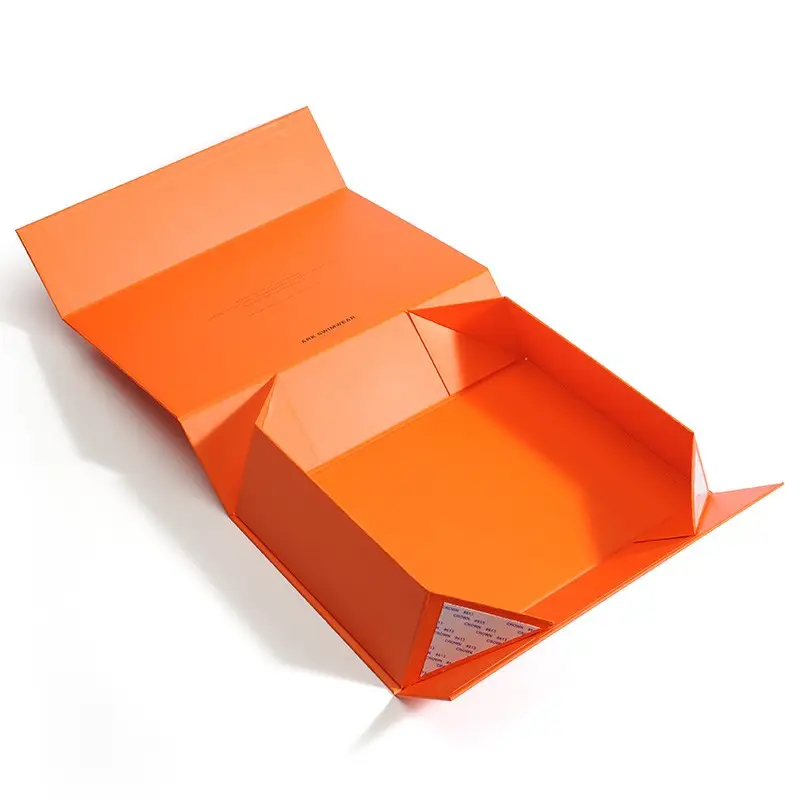
Selecting the right packaging finishes is one of the most critical decisions in premium product positioning. The finish you choose directly influences how customers perceive your brand, whether they feel confident making a purchase, and how memorable the unboxing experience becomes. For luxury brands, cosmetics companies, high-end electronics manufacturers, and artisanal producers, packaging finishes are not merely aesthetic details—they are strategic business tools that communicate quality, justify premium pricing, and build lasting customer loyalty. The surface treatment of your packaging can elevate a product from ordinary to extraordinary, making the difference between a customer who hesitates at checkout and one who proudly recommends your brand to others.
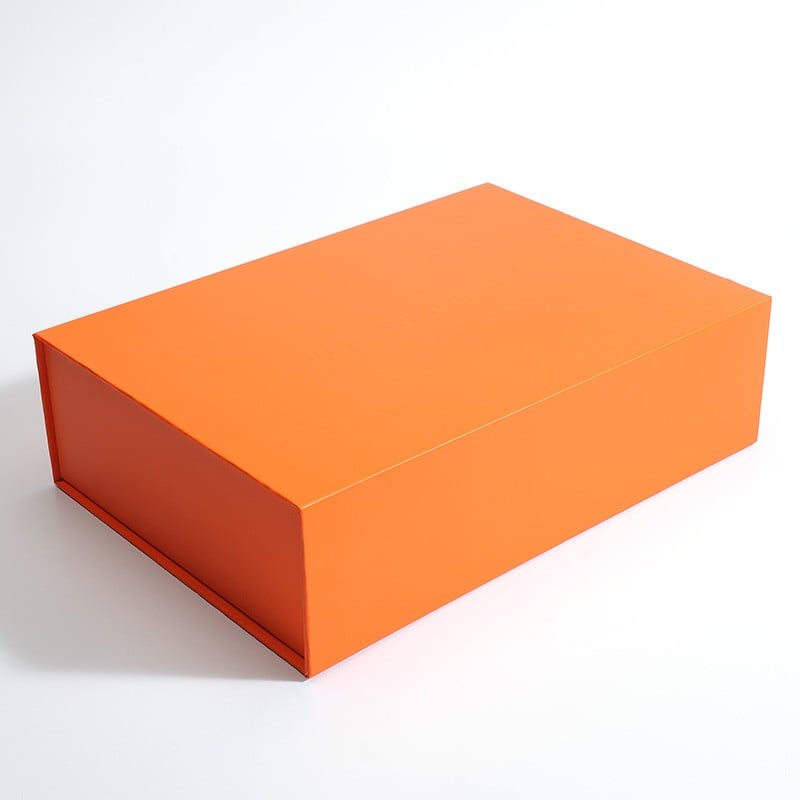
The market for premium products has evolved dramatically over the past decade, and packaging finishes have become a language through which brands communicate their values and positioning. Whether you are launching a new luxury skincare line, redesigning packaging for a heritage craft brand, or establishing a premium tier within an existing product range, understanding the available packaging finishes options will help you make confident, informed decisions that align with both your brand identity and your target audience's expectations. This guide explores the most effective packaging finishes for premium products, explains how each finish impacts customer perception and product protection, and provides practical guidance for selecting the finish that best serves your business goals.
Understanding Premium Packaging Finishes and Their Strategic Role
How Packaging Finishes Define Premium Brand Perception
Packaging finishes serve as the first tactile interaction between a customer and your brand. Unlike digital images or marketing copy, packaging finishes create a physical experience that engages multiple senses simultaneously. When a customer touches a matte varnish finish, they form an immediate impression of sophistication and refinement. When they feel the subtle texture of a soft-touch finish or the cool smoothness of a high-gloss coating, they are subconsciously evaluating whether the packaging quality matches the premium price point they are paying. Research in consumer psychology consistently demonstrates that packaging finishes influence purchase decisions as powerfully as product quality itself. Premium packaging finishes signal that the product inside deserves protection, care, and respect, which justifies higher price points and builds confidence in customer purchasing decisions.
The Connection Between Packaging Finishes and Product Protection
Beyond aesthetics, packaging finishes also provide critical functional benefits that protect your product during storage, shipping, and shelf display. Different packaging finishes offer varying levels of moisture resistance, scratch protection, and durability. A glossy finish, for example, provides excellent moisture resistance and makes colors appear more vibrant, but it can show fingerprints and scratches more readily. Matte finishes, by contrast, hide dust and fingerprints while offering a more understated, sophisticated appearance, though they may be slightly less resistant to moisture. Soft-touch finishes offer superior tactile appeal and premium feel but require careful handling during production to prevent damage. Understanding how each packaging finishes option performs under real-world conditions ensures that your premium product arrives at the customer's door in pristine condition, reinforcing the quality promise your pricing and branding have made.
Key Packaging Finishes Options for Premium Products
Gloss and Matte Packaging Finishes for Different Brand Identities
Gloss packaging finishes represent the most vibrant, eye-catching option in the packaging finishes spectrum. High-gloss coatings reflect light, intensify color saturation, and create a sense of luxury and energy. Brands in the cosmetics, beverage, and electronics sectors frequently choose gloss packaging finishes because they make product imagery pop and draw customer attention on crowded retail shelves. However, gloss packaging finishes work best for brands that want to project energy, dynamism, and cutting-edge innovation. Conversely, matte packaging finishes provide a more refined, understated aesthetic that appeals to customers seeking sophistication and timelessness. Luxury skincare brands, organic food producers, and heritage companies often favor matte packaging finishes because they convey quality through restraint rather than visual loudness. Matte packaging finishes also reduce glare, making them superior for packaging that will be viewed in various lighting conditions, and they offer better readability for fine print and detailed branding information.
Soft-Touch and Specialty Packaging Finishes for Premium Positioning
Soft-touch packaging finishes have become increasingly popular in the premium segment because they directly engage the sense of touch, creating an emotional connection that standard coatings cannot replicate. Soft-touch finishes feel velvety and warm to the hand, signaling quality and craftsmanship at the moment a customer first interacts with your packaging. This tactile experience often becomes the most memorable part of the unboxing experience, increasing brand recall and social media shareability. Specialty packaging finishes such as textured finishes, embossed finishes, and metallic accents offer additional differentiation opportunities. Embossed packaging finishes add dimensional depth that catches light and creates shadow play, while metallic packaging finishes or foil accents introduce luxury materials that evoke high-end jewelry, cosmetics, and gift packaging. Combinations of these packaging finishes—such as matte base with soft-touch surface and metallic accents—create layered sensory experiences that make premium packaging finishes truly memorable and distinct in the marketplace.
Selecting the Right Packaging Finishes for Your Product Category and Audience
Industry-Specific Guidance for Packaging Finishes Selection
The optimal packaging finishes choice depends heavily on your industry, target audience, and brand positioning within your market segment. Luxury cosmetics and fragrance brands overwhelmingly prefer soft-touch and matte packaging finishes combined with metallic accents because these create an aspirational, high-touch experience that justifies premium pricing. Premium food and beverage companies often use matte or silk-finish packaging finishes to convey natural, artisanal quality, while gloss finishes work better for brands emphasizing fresh, vibrant, or contemporary positioning. High-end technology and electronics manufacturers frequently employ combination packaging finishes strategies, layering matte finishes on the outer box with metallic accents or soft-touch elements to suggest both innovation and craft. Gift packaging, luxury confectionery, and jewelry brands leverage textured and embossed packaging finishes because unboxing these products is itself a ceremonial experience where packaging finishes must deliver emotional impact. Understanding your industry's conventions and customer expectations helps you choose packaging finishes that feel authentic to your category while maintaining differentiation within your competitive set.
Budget, Production Scale, and Packaging Finishes Practicality
While packaging finishes quality is essential for premium positioning, production feasibility and cost considerations must align with your business model. Standard gloss and matte packaging finishes are widely available, highly cost-effective, and compatible with large production volumes, making them ideal for established premium brands seeking consistency and scale. Soft-touch and specialty packaging finishes command higher per-unit costs and may require longer production lead times, particularly if you are working with smaller batch sizes or custom specifications. However, for launching new premium products or establishing brand differentiation in a crowded market, the investment in distinctive packaging finishes often delivers returns through increased perceived value and improved customer retention. Consider your production timeline, order volumes, and price elasticity when deciding between standard and specialty packaging finishes. A startup brand launching in limited quantities may justify the cost premium of soft-touch or embossed packaging finishes to create market impact, while an established brand with high-volume distribution might achieve packaging finishes excellence through masterful use of color, design, and finish combinations applied to efficient production processes.
FAQ
What is the most popular packaging finishes choice for luxury brands?
Soft-touch matte packaging finishes combined with subtle metallic accents represents the most popular choice among contemporary luxury brands. This combination delivers tactile premium feel, sophisticated aesthetics, and differentiation from mass-market competitors. The packaging finishes strategy appeals across categories from cosmetics to fine spirits because it engages multiple senses and creates emotional connection during the unboxing experience.
How do packaging finishes impact product shelf life and protection?
Packaging finishes directly influence moisture resistance, UV protection, and physical durability during storage and shipping. Gloss packaging finishes provide superior moisture barriers and color protection, making them ideal for products sensitive to humidity. Matte packaging finishes offer slightly less moisture resistance but excel at hiding dust and wear. For maximum product protection, many premium brands combine packaging finishes with additional barrier coatings or materials that preserve product integrity while maintaining aesthetic appeal.
Can I combine multiple packaging finishes types on a single box?
Yes, combining multiple packaging finishes types is increasingly common and strategically powerful in premium packaging. Layering a matte finish with soft-touch sections, metallic accents, embossed elements, or textured areas creates dimensional interest and multi-sensory appeal. These combination packaging finishes approaches require precise production coordination but deliver exceptional brand differentiation and customer experience that justifies the added complexity and cost.
