Cardboard Boxes for Food Packaging Solutions

Get a Free Quote

Our representative will contact you soon.
Email
WhatsApp/mobile
Name
Company Name
Minimum order quantity
Message
0/1000

cardboard boxes for food packaging

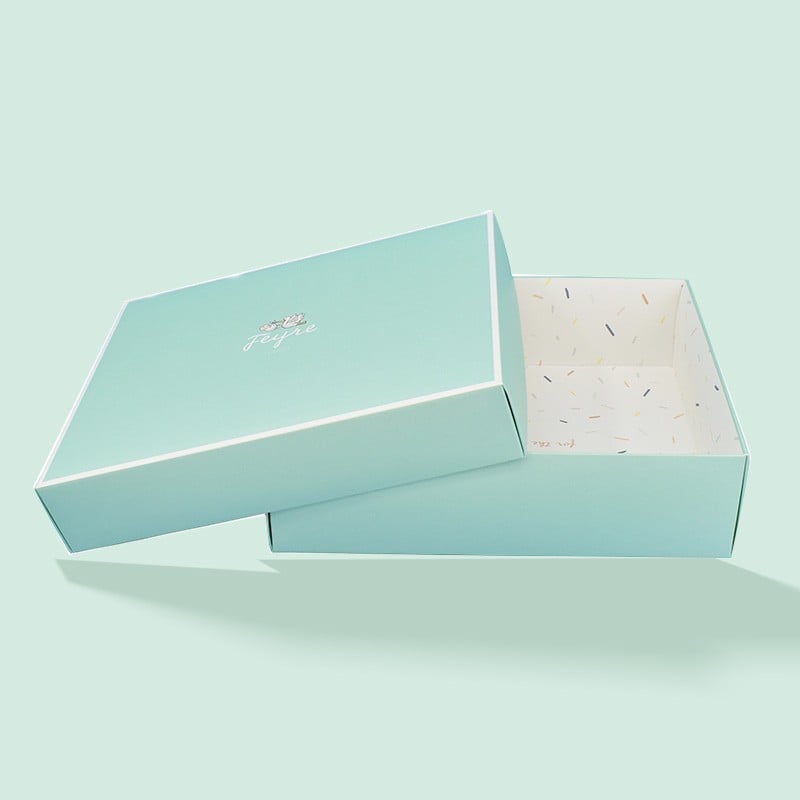
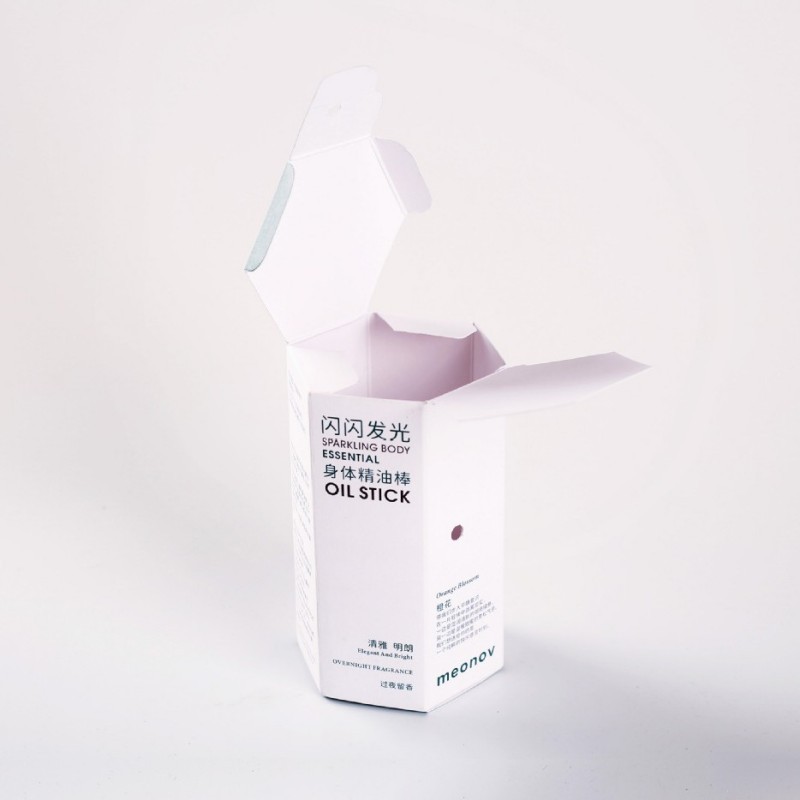
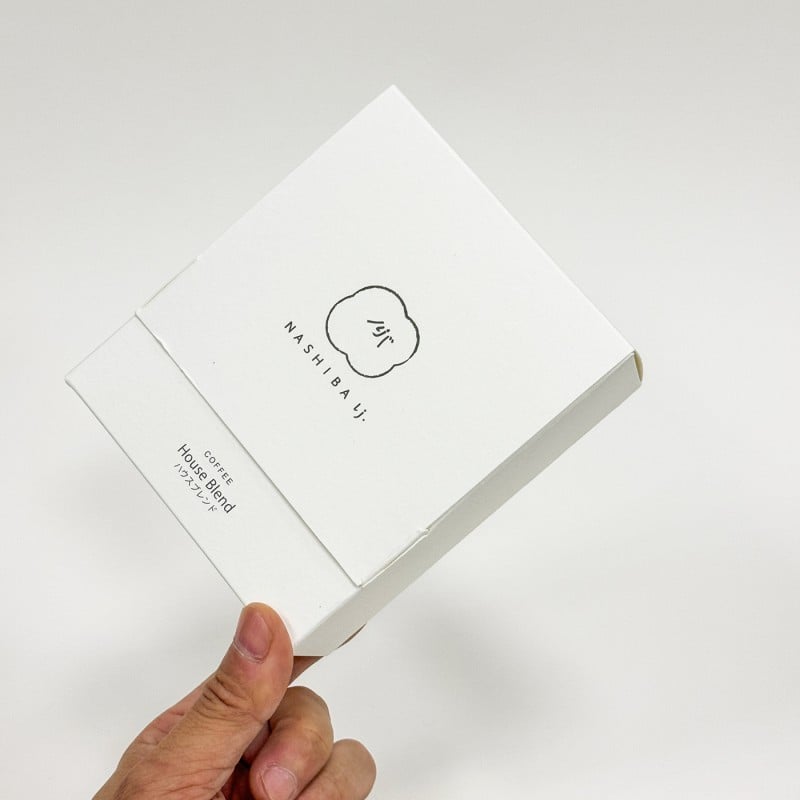
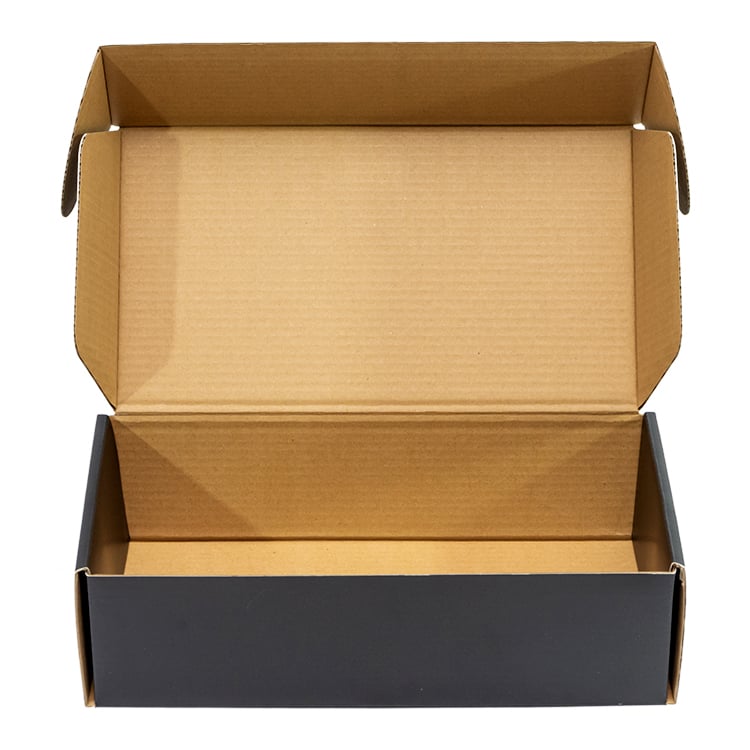
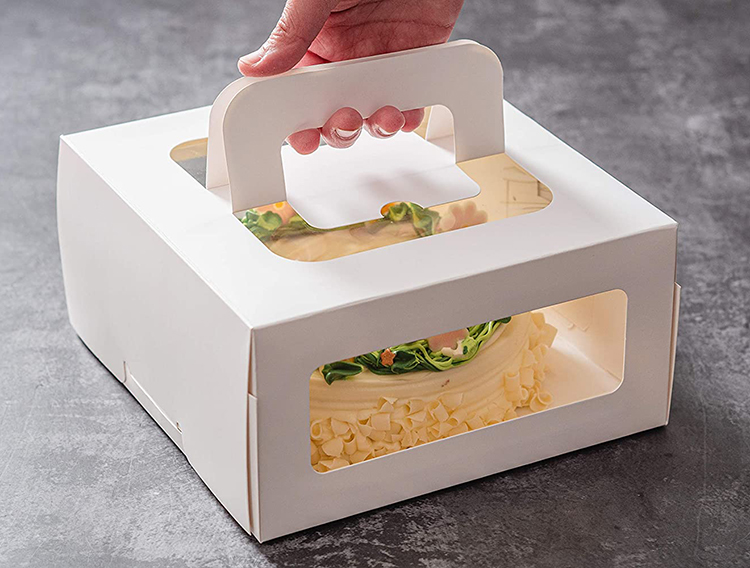
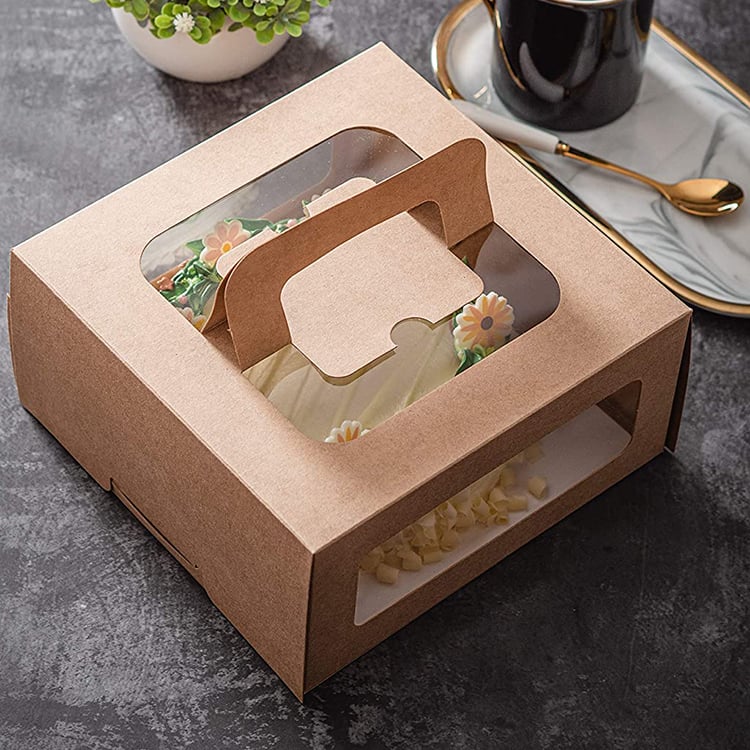
Cardboard boxes for food packaging represent an essential solution for businesses seeking safe, sustainable, and cost-effective methods to store and transport food products. These versatile containers are manufactured from corrugated or solid paperboard materials, engineered specifically to meet the demanding requirements of the food industry. The main functions of cardboard boxes for food packaging include protecting food items from physical damage, contamination, and environmental factors during storage and distribution. They provide structural integrity that maintains product freshness while ensuring compliance with food safety regulations. Technological features include grease-resistant coatings, moisture barriers, and FDA-approved food-grade materials that prevent direct contact contamination. Advanced printing capabilities allow businesses to incorporate branding elements, nutritional information, and handling instructions directly onto the packaging surface. Modern cardboard boxes for food packaging utilize innovative designs such as tamper-evident seals, easy-open mechanisms, and stackable configurations that optimize warehouse space. Applications span across diverse food sectors including bakery products, frozen foods, fresh produce, takeout meals, dry goods, confectionery items, and ready-to-eat products. Restaurants, food manufacturers, catering services, grocery stores, and e-commerce food retailers rely on these boxes daily. The adaptability of cardboard packaging allows customization in various sizes, shapes, and structural designs to accommodate different food types, from pizza boxes to cereal containers, ensuring each product receives appropriate protection throughout the supply chain journey.

New Products

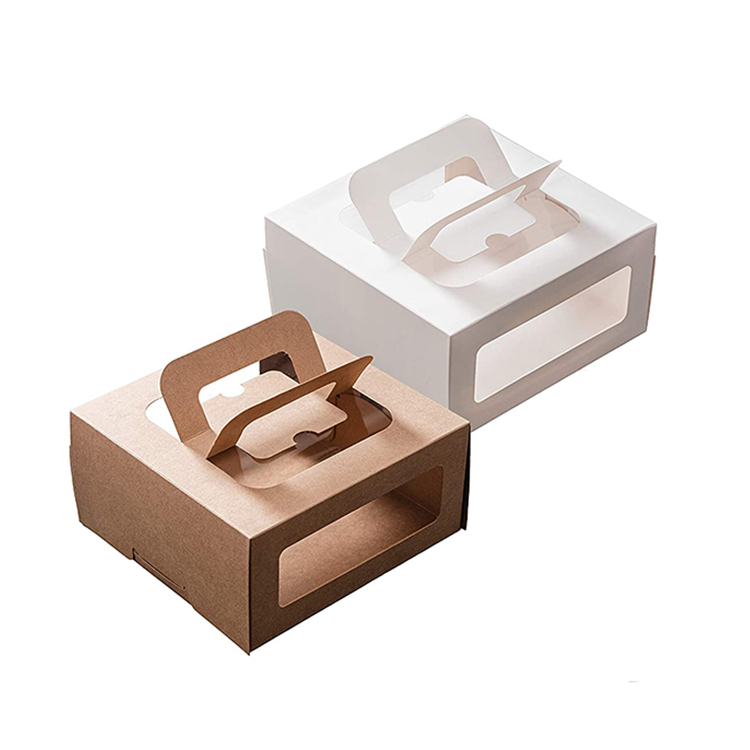
Choosing cardboard boxes for food packaging delivers numerous practical benefits that directly impact your bottom line and operational efficiency. The primary advantage lies in cost-effectiveness, as cardboard materials are significantly more affordable than plastic or metal alternatives while providing comparable protection for most food applications. This affordability extends throughout the supply chain, reducing both initial packaging costs and shipping expenses due to the lightweight nature of cardboard. Environmental sustainability represents a major buyer value proposition, as cardboard boxes for food packaging are recyclable, biodegradable, and often manufactured from renewable or recycled materials, helping businesses meet sustainability goals and appeal to eco-conscious consumers. Operational benefits include easy storage and assembly, as flat-packed cardboard boxes occupy minimal warehouse space and can be quickly assembled by staff without specialized equipment or training. The material's natural breathability prevents moisture accumulation for certain food types, extending shelf life and maintaining product quality. Customization flexibility allows businesses to create distinctive brand identities through full-color printing, custom dimensions, and unique structural designs that enhance product presentation and customer experience. Food safety compliance is simplified because cardboard boxes for food packaging readily meet regulatory standards and can incorporate necessary certifications and labeling. The insulating properties of corrugated cardboard provide temperature stability, protecting foods from external temperature fluctuations during short-term transportation. Versatility across applications means a single packaging solution can serve multiple product lines with minor modifications, streamlining inventory management. Consumer convenience features like carrying handles, window cutouts, and resealable designs add functional value that enhances user satisfaction and encourages repeat purchases, ultimately supporting business growth and market competitiveness.

Practical Tips

How to Choose Paper Bags That Reflect Your Brand Identity

24

Jun

How to Choose Paper Bags That Reflect Your Brand Identity

Brand identity extends far beyond logos and color schemes into every touchpoint customers experience with your business. One often overlooked yet powerful branding tool is the humble paper bag, which serves as a mobile advertisement for your brand wh...
View More
What Services Should a Professional Folding Carton Manufacturer Offer

24

Jun

What Services Should a Professional Folding Carton Manufacturer Offer

In today's competitive packaging industry, selecting the right folding carton manufacturer can make or break your product's success in the marketplace. The services offered by a professional packaging partner extend far beyond simple box production, ...
View More
Why Are Custom Folding Boxes Important for Branding?

24

Jun

Why Are Custom Folding Boxes Important for Branding?

In today's competitive marketplace, packaging has evolved far beyond its traditional role of simply protecting products during transit. Custom folding boxes have emerged as a powerful branding tool that significantly influences consumer perception, p...
View More
The Role of Interior Fitting in Protecting Products Inside Rigid Boxes.

24

Jun

The Role of Interior Fitting in Protecting Products Inside Rigid Boxes.

The protection of valuable products during transportation and storage has become a critical concern for businesses across various industries. Interior fitting plays an essential role in safeguarding items housed within rigid boxes, ensuring they arri...
View More

Get a Free Quote

Our representative will contact you soon.
Email
WhatsApp/mobile
Name
Company Name
Minimum order quantity
Message
0/1000

cardboard boxes for food packaging

Superior Food Safety and Hygiene Protection

Superior Food Safety and Hygiene Protection

Cardboard boxes for food packaging are engineered with multiple layers of protection that safeguard food products from contamination and physical damage throughout their journey from production to consumption. The manufacturing process incorporates FDA-approved, food-grade materials that eliminate the risk of chemical migration into food items, ensuring complete safety for direct and indirect food contact applications. Specialized coatings and barrier treatments provide resistance against grease, moisture, and oils, preventing package deterioration while maintaining structural integrity even when containing hot or moist foods. The natural composition of cardboard creates a protective buffer against external contaminants, dust, and bacteria, while the sealed construction prevents unauthorized access and tampering. Many designs incorporate tamper-evident features that provide visible proof of package integrity, giving consumers confidence in product safety. The material's ability to absorb minor impacts protects delicate food items from crushing or breaking during handling and transportation. Unlike plastic alternatives, cardboard does not harbor harmful chemicals or produce concerning odors that might affect food taste or safety, making it the preferred choice for health-conscious brands and consumers prioritizing natural packaging materials.
Eco-Friendly Sustainability and Brand Reputation

Eco-Friendly Sustainability and Brand Reputation

Environmental responsibility has become a decisive purchasing factor, and cardboard boxes for food packaging position your brand as a sustainability leader in an increasingly eco-conscious marketplace. These containers are manufactured primarily from renewable forest resources and recycled paper materials, significantly reducing environmental footprint compared to petroleum-based plastic packaging. The complete recyclability of cardboard means packages can enter circular economy systems, where used boxes become raw materials for new packaging products, minimizing waste sent to landfills. Biodegradability ensures that even improperly disposed boxes naturally decompose within months rather than persisting in the environment for centuries like plastic alternatives. Carbon footprint reduction occurs throughout the lifecycle, as cardboard production generally requires less energy than plastic or metal manufacturing, and lightweight shipping reduces transportation emissions. Modern consumers actively seek brands demonstrating environmental commitment, and using cardboard boxes for food packaging communicates corporate responsibility that builds customer loyalty and positive brand associations. Many municipalities offer curbside recycling programs that accept cardboard, making proper disposal convenient for consumers and closing the sustainability loop. Certifications like FSC or SFI further validate environmental claims, providing marketing advantages and meeting corporate sustainability reporting requirements that satisfy stakeholders and investors.
Customizable Branding and Marketing Opportunities

Customizable Branding and Marketing Opportunities

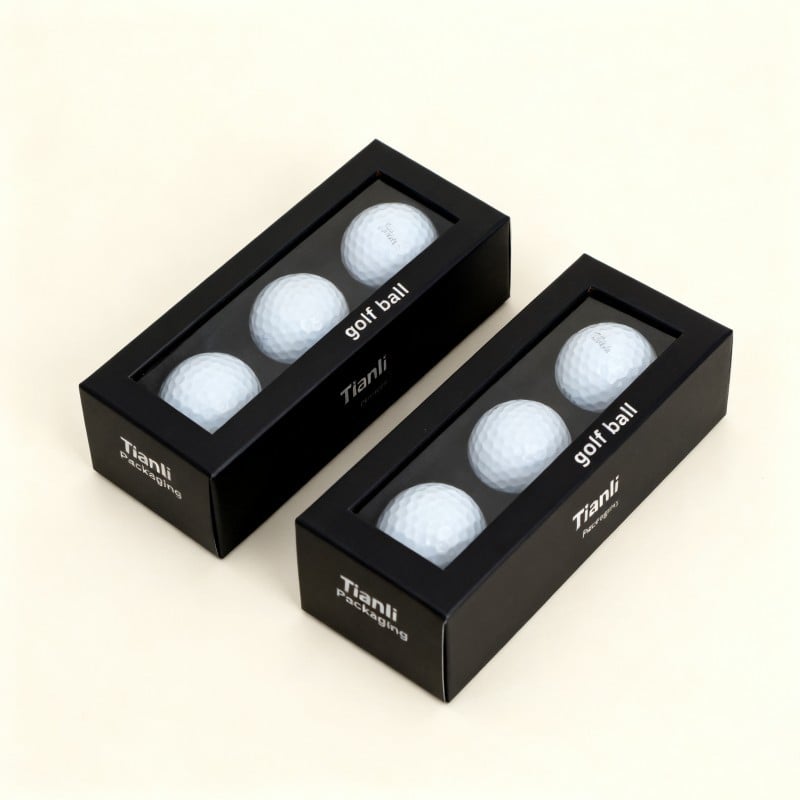
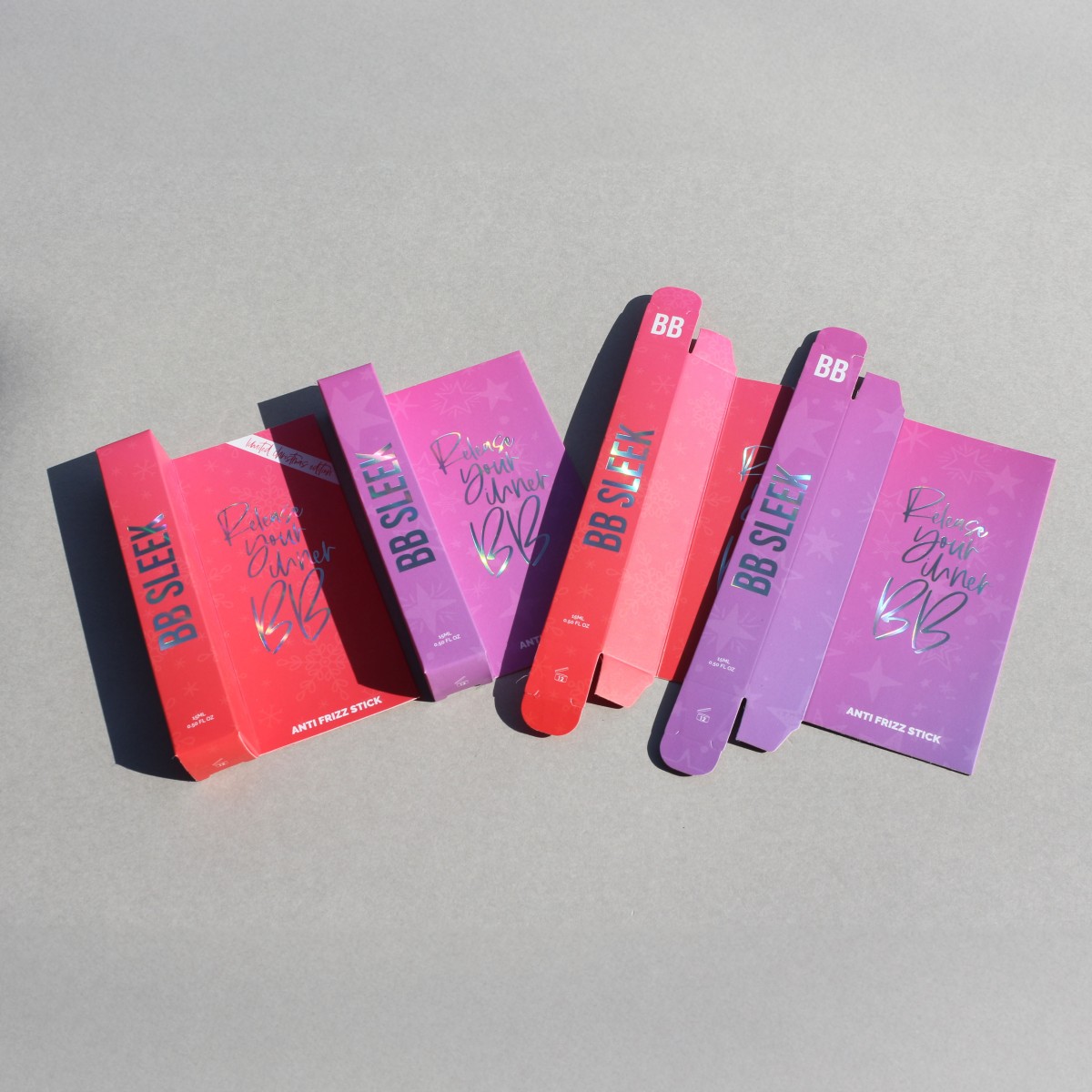
Cardboard boxes for food packaging transform functional containers into powerful marketing tools that communicate brand identity and capture consumer attention in competitive retail environments. The printable surface accepts high-quality graphics, vibrant colors, and intricate designs that showcase brand logos, product information, and compelling visual narratives that differentiate your offerings from competitors. Advanced printing technologies including lithography, flexography, and digital printing enable cost-effective customization even for small production runs, making premium packaging accessible to businesses of all sizes. Structural design flexibility allows creation of unique box shapes, window cutouts for product visibility, and innovative opening mechanisms that enhance unboxing experiences and create memorable brand interactions. The tactile quality of cardboard conveys authenticity and natural values that resonate with consumers seeking genuine, trustworthy brands. Custom sizes ensure perfect product fit, eliminating wasted space and creating professional presentation that elevates perceived product value. Seasonal promotions, limited editions, and market-specific designs can be easily implemented without significant tooling investments. QR codes, augmented reality triggers, and interactive elements printed on cardboard boxes for food packaging bridge physical and digital marketing channels, driving engagement and customer data collection that informs future marketing strategies and product development decisions.

Get a Free Quote

Our representative will contact you soon.
Email
WhatsApp/mobile
Name
Company Name
Minimum order quantity
Message
0/1000