 EN
EN

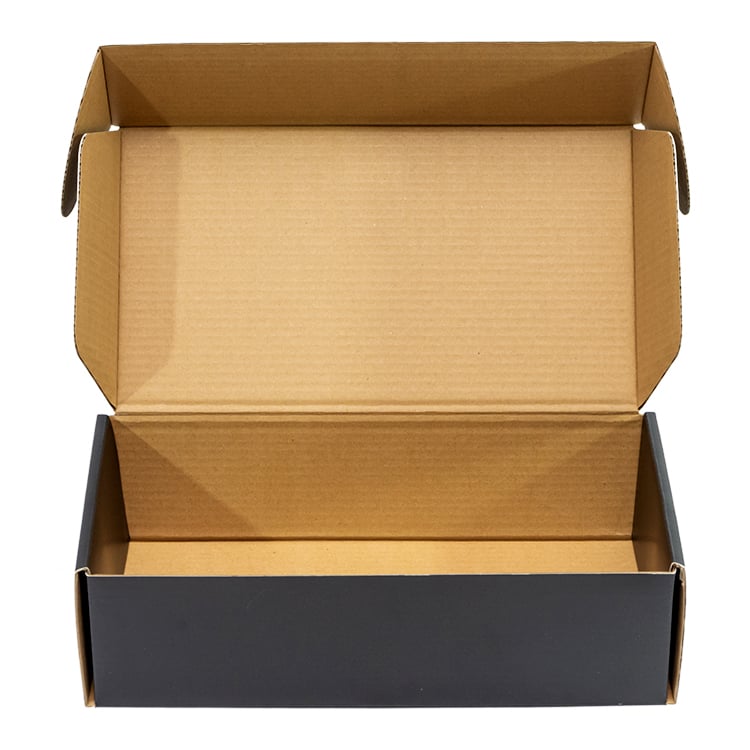
The protection of valuable products during transportation and storage has become a critical concern for businesses across various industries. Interior fitting plays an essential role in safeguarding items housed within rigid boxes, ensuring they arrive at their destination in pristine condition. This comprehensive approach to packaging protection combines advanced materials science with strategic design principles to create protective environments that minimize damage risks. Understanding the mechanics and applications of interior fitting helps businesses make informed decisions about their packaging strategies, ultimately reducing product loss and enhancing customer satisfaction.
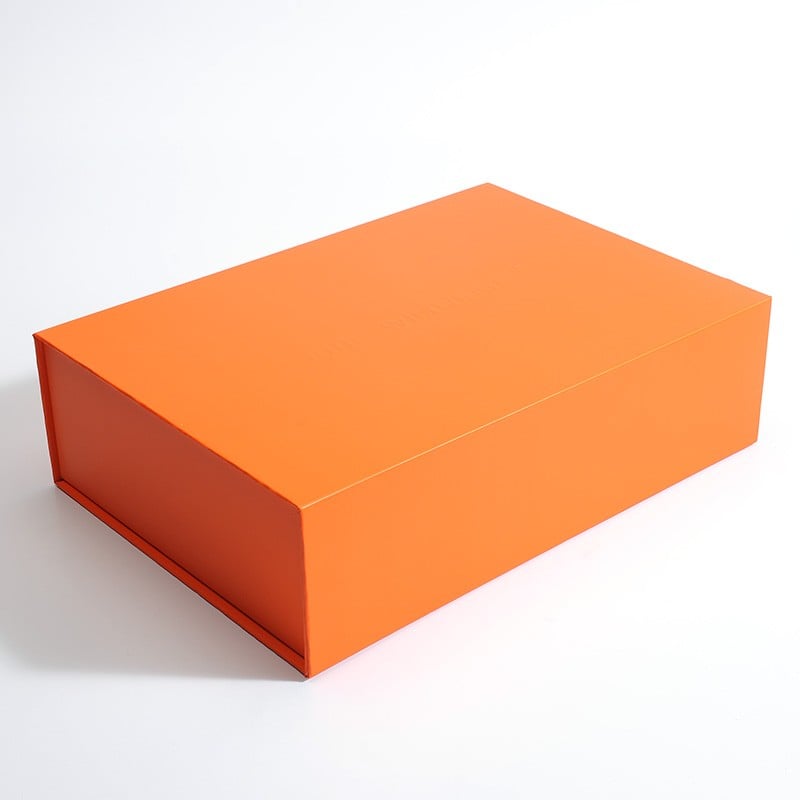
Understanding Interior Fitting Fundamentals
Core Principles of Protective Design
Interior fitting operates on fundamental engineering principles that address shock absorption, vibration dampening, and structural support. The primary objective involves creating a controlled environment within rigid boxes that maintains product integrity regardless of external forces. Effective interior fitting systems distribute impact forces across multiple contact points, preventing concentrated stress that could damage delicate components. This distribution mechanism works by incorporating materials with varying densities and compression characteristics, creating a graduated protection system that responds appropriately to different types of mechanical stress.
The science behind interior fitting involves understanding material properties such as compression strength, recovery rates, and long-term stability under varying environmental conditions. Engineers consider factors including temperature fluctuations, humidity changes, and atmospheric pressure variations when designing protective systems. These considerations ensure that interior fitting maintains its protective qualities throughout the entire product lifecycle, from manufacturing to end-user delivery. The interaction between different materials within the fitting system creates synergistic effects that enhance overall protection beyond what individual components could provide independently.
Material Selection and Performance Characteristics
Selecting appropriate materials for interior fitting requires careful analysis of product requirements, shipping conditions, and cost considerations. Common materials include expanded polystyrene foam, polyurethane foam, corrugated cardboard inserts, molded pulp components, and custom-engineered polymer solutions. Each material offers distinct advantages in terms of protection capability, environmental impact, and manufacturing flexibility. The choice of interior fitting materials directly impacts the level of protection achieved and the overall sustainability profile of the packaging solution.
Advanced interior fitting solutions increasingly incorporate multi-material approaches that combine different protective elements to address specific vulnerability points. For instance, soft foam materials might protect against minor impacts and vibrations, while rigid structural elements prevent crushing forces from compromising product integrity. The integration of these materials requires precise engineering to ensure compatibility and optimal performance under real-world shipping conditions. Modern interior fitting designs also consider recyclability and biodegradability to align with corporate sustainability initiatives and regulatory requirements.
Applications Across Different Industries
Electronics and Technology Products
The electronics industry represents one of the most demanding applications for interior fitting systems due to the fragile nature of electronic components and their sensitivity to static electricity, moisture, and mechanical shock. Interior fitting for electronic products typically incorporates anti-static materials, moisture barriers, and precisely engineered cavities that hold components securely without applying excessive pressure. These systems must protect against both macro-level impacts that could cause visible damage and micro-level vibrations that might affect sensitive circuits or connections.
Specialized interior fitting for electronics often includes features such as conductive foam inserts, static-dissipative trays, and humidity-absorbing elements that maintain optimal environmental conditions throughout the shipping process. The design process for electronic product protection requires detailed analysis of component layouts, connection points, and potential failure modes. Interior fitting systems for high-value electronics frequently undergo extensive testing protocols that simulate various shipping scenarios, ensuring reliable protection under worst-case conditions. The investment in sophisticated interior fitting for electronics typically pays for itself through reduced warranty claims and enhanced customer satisfaction.
Luxury Goods and Premium Products
Luxury goods require interior fitting solutions that balance protection with aesthetic presentation, as the unboxing experience contributes significantly to perceived product value. Interior fitting for luxury items often incorporates premium materials such as silk-lined foam, velvet-covered inserts, or custom-molded components that complement the product's design language. These solutions must maintain the highest protection standards while creating an engaging tactile and visual experience for the end user.
The development of luxury interior fitting requires close collaboration between packaging engineers and brand designers to ensure alignment with overall brand aesthetics and positioning. Materials selection focuses on premium options that convey quality and attention to detail, while still providing robust protection against shipping hazards. Interior fitting for luxury goods often includes modular components that allow for flexible product configurations and seasonal variations, supporting marketing strategies that emphasize exclusivity and customization. The cost-benefit analysis for luxury interior fitting considers brand value protection and customer experience enhancement alongside traditional protection metrics.
Design Optimization and Engineering Considerations
Structural Analysis and Load Distribution
Effective interior fitting design requires comprehensive structural analysis to understand how forces transfer through the packaging system during handling and transportation. Engineers use finite element analysis and physical testing to optimize the placement and configuration of protective elements within rigid boxes. The goal involves creating load paths that direct forces away from vulnerable product areas while maintaining overall system integrity under various loading conditions. This analysis considers both static loads, such as stacking forces, and dynamic loads resulting from drops, vibrations, and sudden accelerations.
Load distribution optimization involves strategic placement of support structures and cushioning elements to create redundant protection systems that continue functioning even if individual components fail. Interior fitting designs incorporate safety factors that account for variations in manufacturing tolerances, material properties, and shipping conditions. Advanced designs use graduated stiffness profiles that provide different levels of protection for various product features, ensuring that critical components receive enhanced protection while maintaining overall system efficiency. The structural optimization process often involves iterative design refinement based on testing results and field performance data.
Environmental Factors and Durability
Interior fitting systems must maintain their protective properties across a wide range of environmental conditions encountered during global shipping and storage operations. Temperature extremes can affect material properties, causing brittleness in cold conditions or softening in high temperatures that reduces protective effectiveness. Humidity variations pose additional challenges, potentially causing dimensional changes in natural materials or promoting degradation in sensitive components. Effective interior fitting design accounts for these environmental variables through material selection and system configuration strategies.
Durability considerations extend beyond immediate protection needs to encompass long-term storage scenarios where products might remain in packaging for extended periods. Interior fitting materials must resist aging effects such as oxidation, UV degradation, and chemical migration that could compromise protection or contaminate products. Testing protocols for interior fitting systems typically include accelerated aging studies that simulate years of storage conditions in compressed timeframes. The results inform material selection decisions and design modifications that ensure consistent protection throughout the intended service life of the packaging system.
Manufacturing and Implementation Strategies
Production Techniques and Quality Control
Manufacturing interior fitting components requires specialized production techniques that ensure consistent quality and dimensional accuracy across large production volumes. Common manufacturing methods include foam molding, thermoforming, die-cutting, and injection molding, each offering specific advantages for different types of protective components. Quality control systems monitor critical parameters such as material density, dimensional tolerances, and surface finish to ensure that every interior fitting component meets design specifications. Advanced manufacturing facilities employ automated inspection systems that detect defects and variations before components reach assembly operations.
The production of interior fitting systems often involves complex assembly processes that combine multiple materials and components into integrated protective solutions. Assembly quality directly impacts protection effectiveness, requiring careful attention to component alignment, adhesive application, and overall system integrity. Manufacturing protocols include validation testing at various production stages to verify that assembled interior fitting systems meet performance requirements. Continuous improvement initiatives focus on optimizing production efficiency while maintaining quality standards, often incorporating lean manufacturing principles and statistical process control methodologies.
Cost Optimization and Value Engineering
Developing cost-effective interior fitting solutions requires balancing protection requirements with budget constraints through systematic value engineering approaches. This process involves analyzing each component's contribution to overall protection and identifying opportunities to achieve equivalent performance at lower cost. Material substitution strategies might replace premium materials with engineered alternatives that provide similar protection characteristics while reducing material costs. Design optimization can eliminate unnecessary features or combine functions to reduce component count and assembly complexity.
Value engineering for interior fitting considers total cost of ownership rather than just initial material costs, incorporating factors such as damage reduction, customer satisfaction, and brand protection benefits. The analysis might reveal that investing in superior interior fitting actually reduces overall costs by preventing expensive damage claims and warranty issues. Collaborative approaches involving packaging engineers, procurement specialists, and production managers often identify innovative cost reduction strategies that maintain or enhance protection effectiveness while achieving significant savings.
Future Trends and Technological Advances
Smart Packaging Integration
The integration of smart technologies into interior fitting systems represents an emerging trend that promises to revolutionize product protection and supply chain visibility. Smart interior fitting components can incorporate sensors that monitor environmental conditions, impact levels, and handling quality throughout the shipping process. These systems provide real-time data about package status and can alert stakeholders to potential problems before they result in product damage. The data collected from smart interior fitting systems enables continuous improvement in packaging design and logistics operations.
Advanced smart interior fitting solutions include features such as temperature logging, humidity monitoring, and impact detection that create comprehensive protection profiles for individual shipments. This information helps identify shipping routes or handling practices that pose elevated risks, enabling targeted improvements in logistics operations. The integration of blockchain technology with smart interior fitting systems creates immutable records of package handling that can support insurance claims and quality assurance programs. As sensor costs decrease and battery life improves, smart interior fitting is expected to become economically viable for a broader range of products and applications.
Sustainable Materials and Circular Economy
Environmental sustainability considerations are driving significant innovations in interior fitting materials and design approaches. Bio-based foam materials derived from renewable resources offer protection characteristics comparable to traditional petroleum-based options while reducing environmental impact. Recyclable and compostable interior fitting materials support circular economy initiatives by eliminating waste streams and reducing resource consumption. Advanced material science research focuses on developing interior fitting solutions that maintain protection effectiveness while achieving complete biodegradability under controlled conditions.
The circular economy approach to interior fitting emphasizes design for disassembly and material recovery, enabling component reuse and recycling at the end of the packaging lifecycle. Innovative business models explore leasing or take-back programs for premium interior fitting systems, creating economic incentives for sustainable practices. Life cycle assessment methodologies increasingly influence interior fitting design decisions, considering environmental impacts from raw material extraction through disposal or recycling. These trends reflect growing consumer awareness of environmental issues and regulatory pressures for sustainable packaging solutions across global markets.
FAQ
What materials are most commonly used in interior fitting systems
The most commonly used materials for interior fitting include expanded polystyrene foam, polyurethane foam, corrugated cardboard inserts, molded pulp fiber, and custom-engineered polymer foams. Each material offers specific advantages in terms of protection capability, cost-effectiveness, and environmental impact. The selection depends on product requirements, shipping conditions, and budget considerations, with many applications benefiting from multi-material approaches that combine different protective elements.
How do I determine the right interior fitting solution for my products
Determining the appropriate interior fitting solution requires analyzing product vulnerability, shipping conditions, and protection requirements through comprehensive testing and evaluation. Key factors include product weight, fragility, value, and dimensional characteristics, along with anticipated shipping stresses and environmental conditions. Professional packaging engineers can conduct drop testing, vibration analysis, and compression studies to identify optimal interior fitting configurations that balance protection effectiveness with cost considerations.
Can interior fitting be customized for unique product shapes
Interior fitting systems can be extensively customized to accommodate virtually any product shape or configuration through advanced manufacturing techniques such as CNC foam cutting, thermoforming, and injection molding. Custom interior fitting solutions are particularly valuable for irregularly shaped products, multiple-component assemblies, or items with specific protection requirements. The customization process typically involves creating detailed product models and conducting protection testing to optimize the fitting design for maximum effectiveness.
What role does interior fitting play in sustainable packaging initiatives
Interior fitting plays a crucial role in sustainable packaging by enabling the use of recyclable materials, reducing product damage that leads to waste, and supporting circular economy principles through reusable components. Modern interior fitting solutions increasingly incorporate bio-based materials, recyclable foams, and compostable inserts that minimize environmental impact while maintaining protection effectiveness. The optimization of interior fitting also reduces overall packaging requirements by maximizing protection efficiency, contributing to resource conservation and waste reduction goals.
