paper meal box
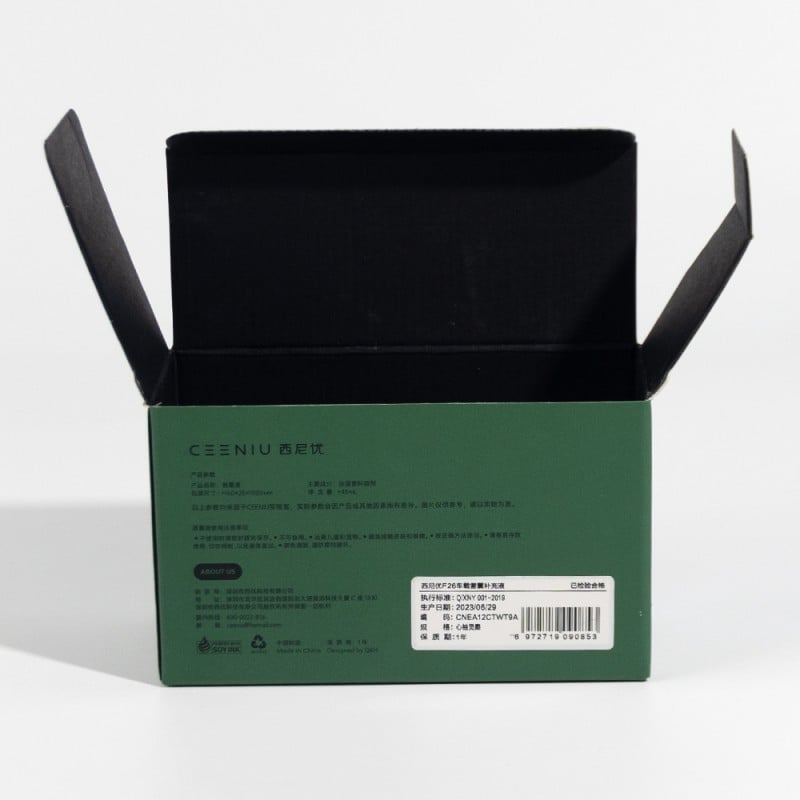
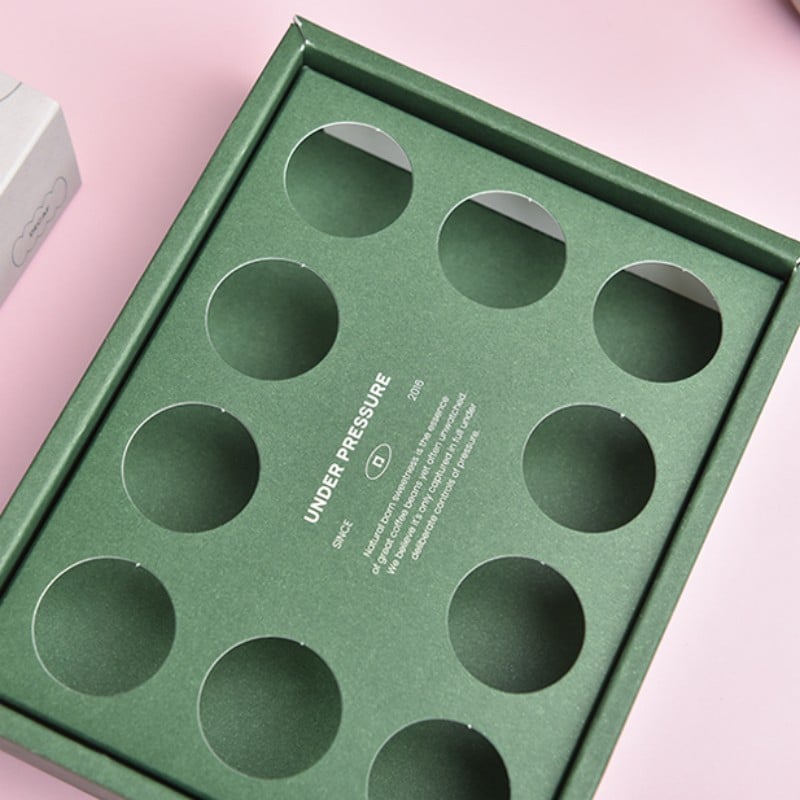
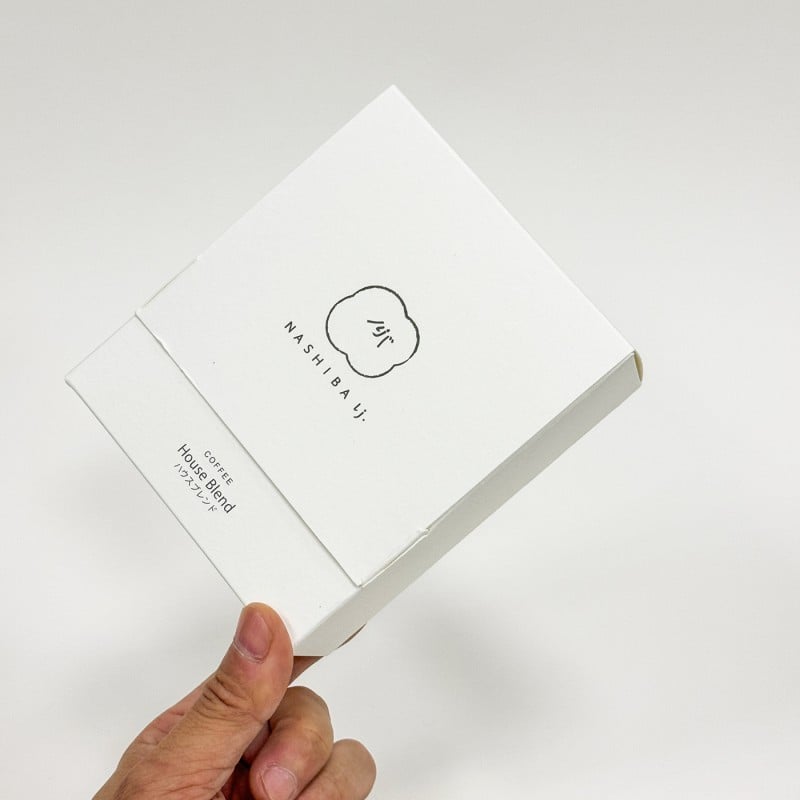
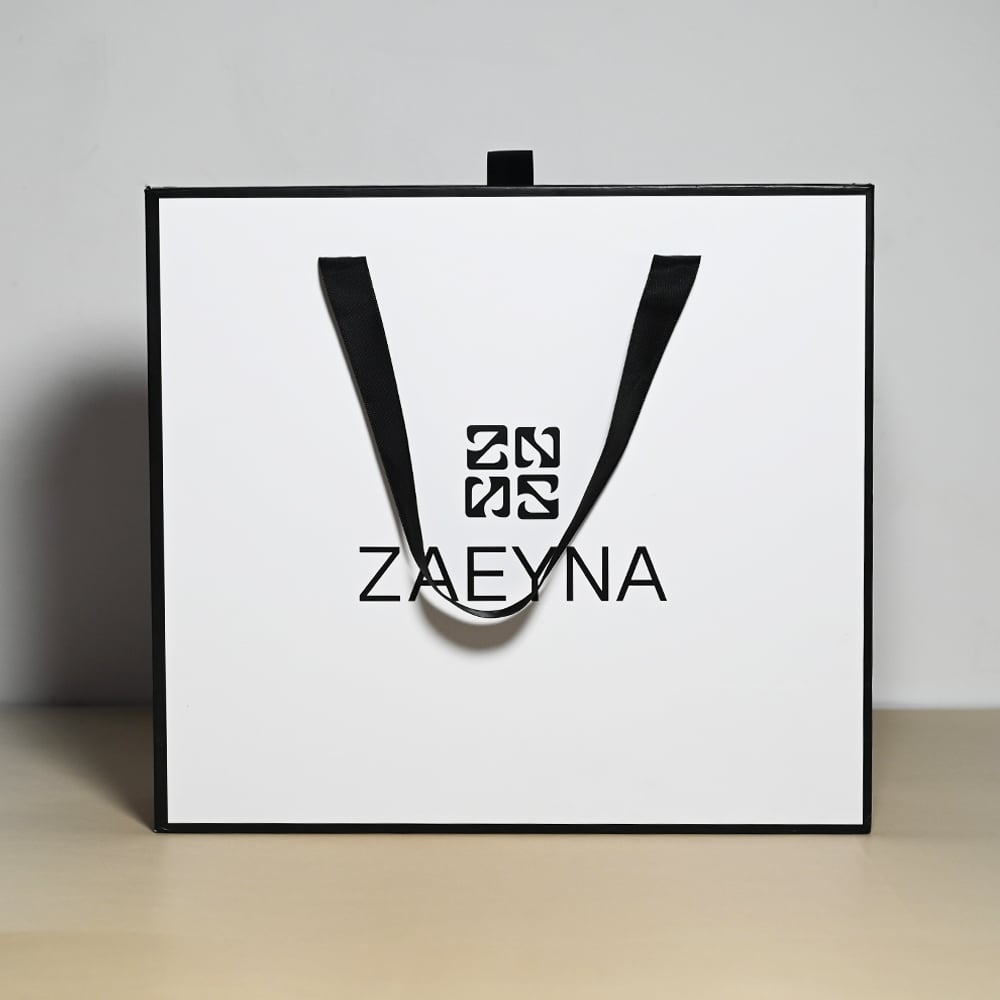
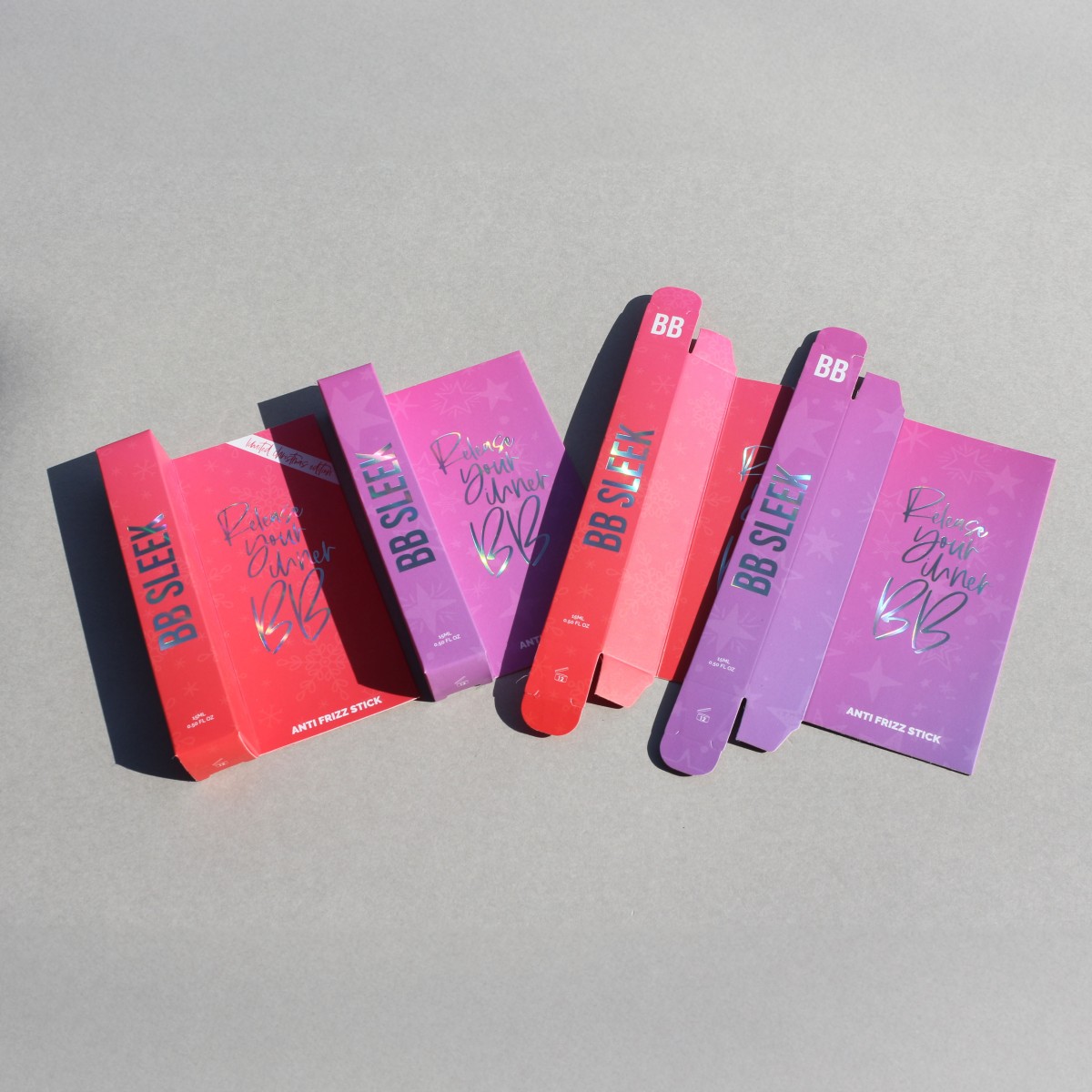
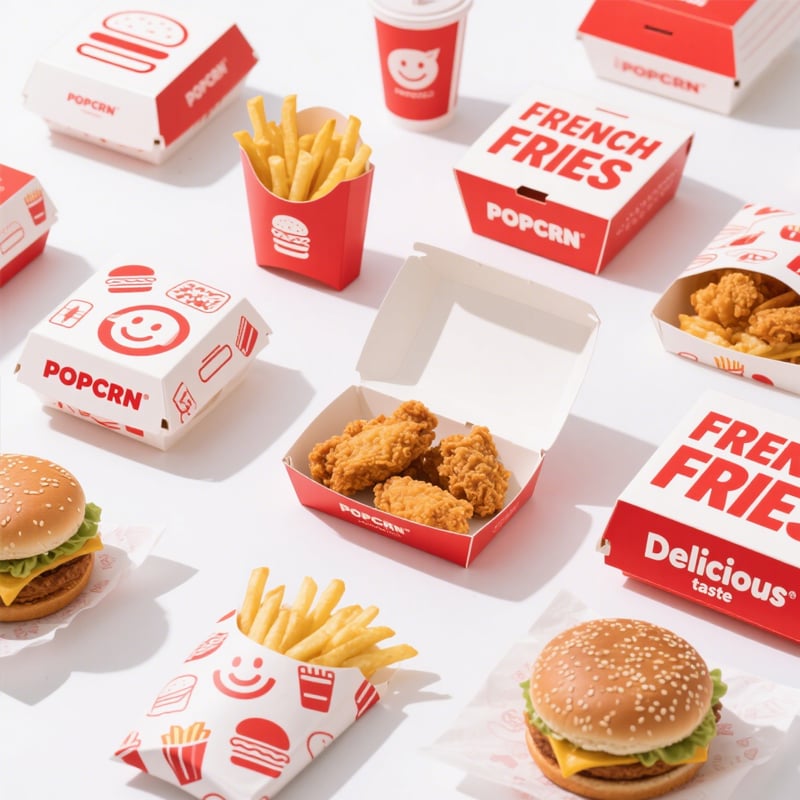
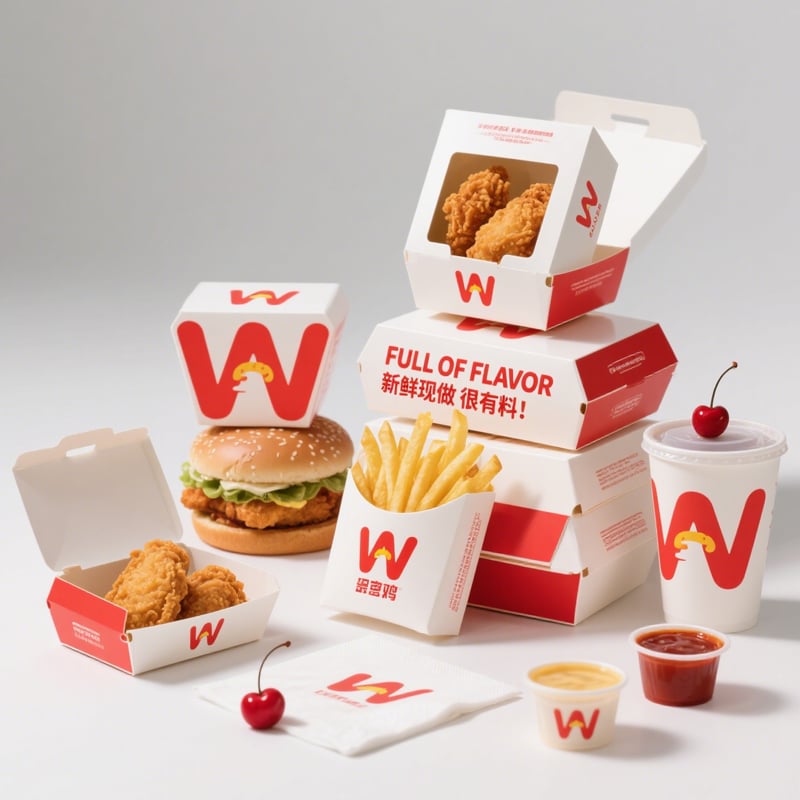
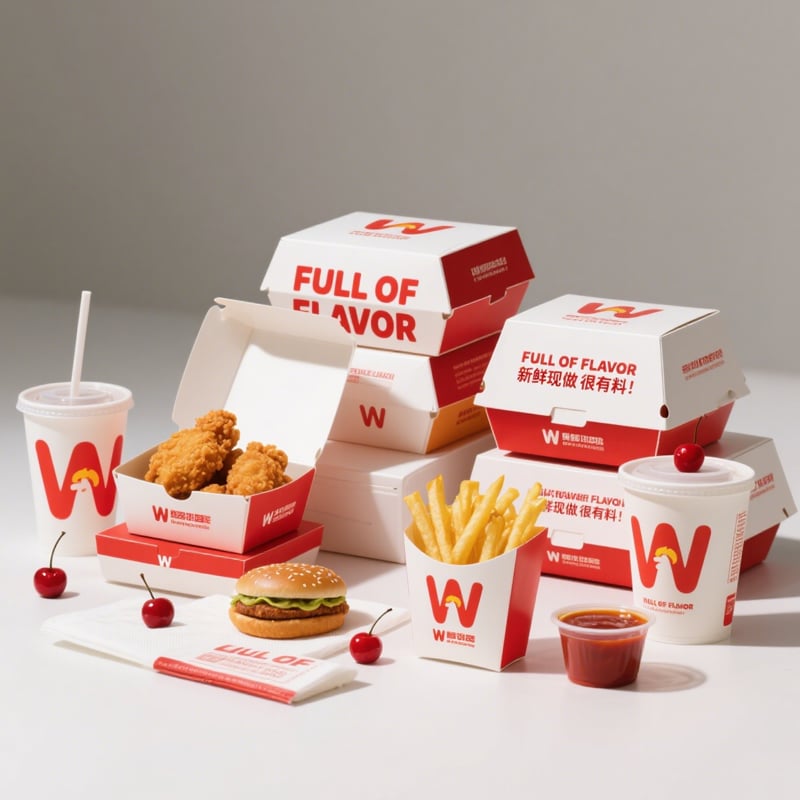
The paper meal box has emerged as a sustainable and practical solution for modern food packaging needs, serving restaurants, catering services, food delivery platforms, and events worldwide. This eco-friendly container is manufactured from food-grade paperboard materials that provide excellent structural integrity while remaining biodegradable and compostable. The paper meal box is designed to safely hold various food types, from hot entrees and salads to sandwiches and desserts, making it versatile for diverse culinary applications. Advanced manufacturing technologies enable these containers to feature grease-resistant coatings and moisture barriers that prevent leakage and maintain food quality during transportation. The paper meal box typically incorporates secure closure mechanisms, including tuck-top lids, interlocking flaps, or separate fitted covers that ensure contents remain protected and fresh. Available in multiple sizes and configurations, these containers can accommodate single servings or family-sized portions, meeting different business requirements and consumer preferences. Many paper meal boxes now feature customizable printing surfaces, allowing businesses to showcase branding, nutritional information, and marketing messages directly on the packaging. The lightweight nature of the paper meal box reduces shipping costs and carbon footprint compared to heavier alternatives. As environmental regulations tighten and consumer awareness grows, the paper meal box represents a forward-thinking choice that balances functionality, sustainability, and cost-effectiveness for food service operations seeking to minimize environmental impact while delivering quality dining experiences.
 EN
EN