 EN
EN

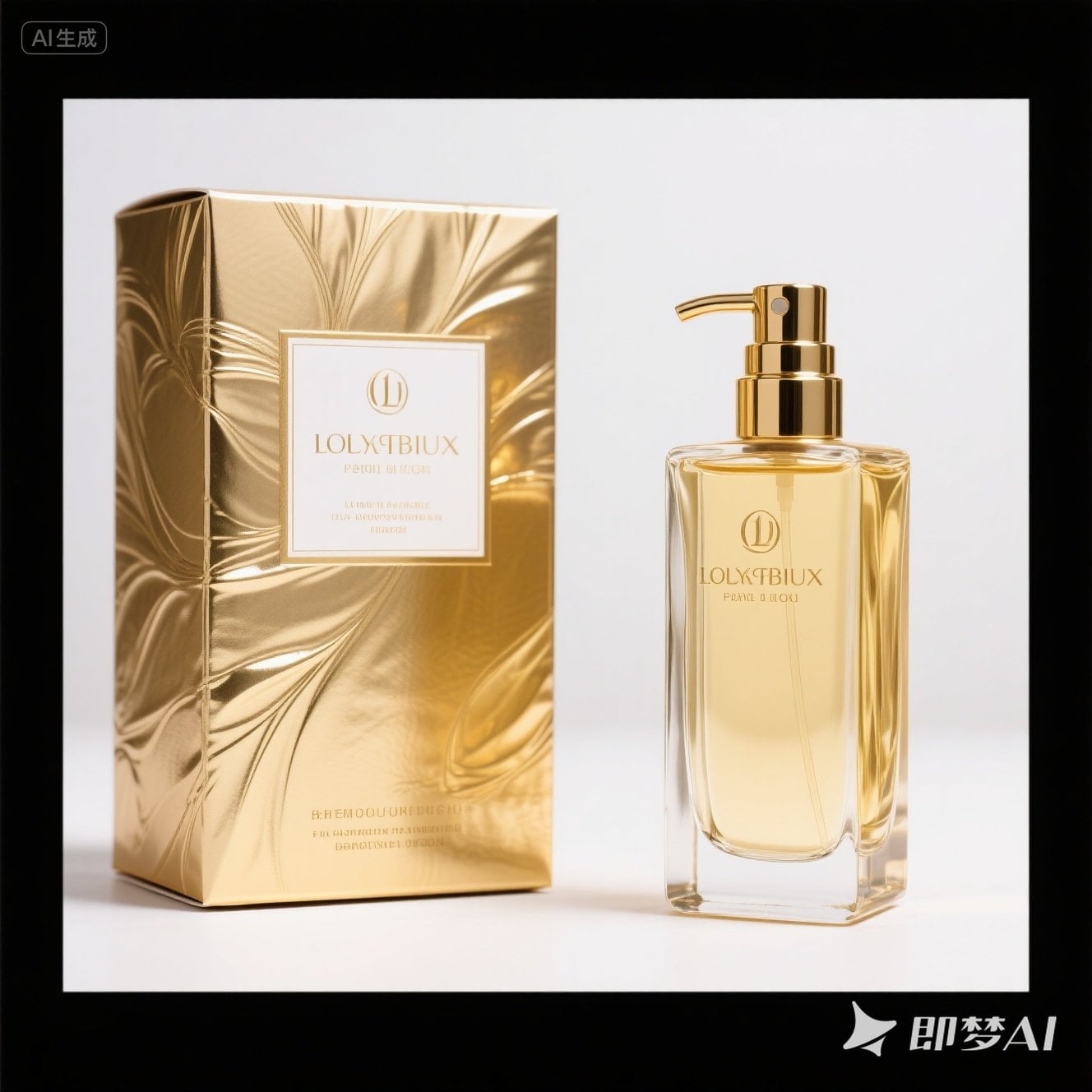
Selecting the right packaging for premium products requires careful consideration of design, functionality, and brand representation. The perfect gift boxes serve as the first touchpoint between your brand and customers, creating lasting impressions that influence purchasing decisions and brand loyalty. Whether you're launching a luxury product line or seeking to elevate your existing offerings, understanding the nuances of premium packaging design will significantly impact your market success and customer satisfaction rates.
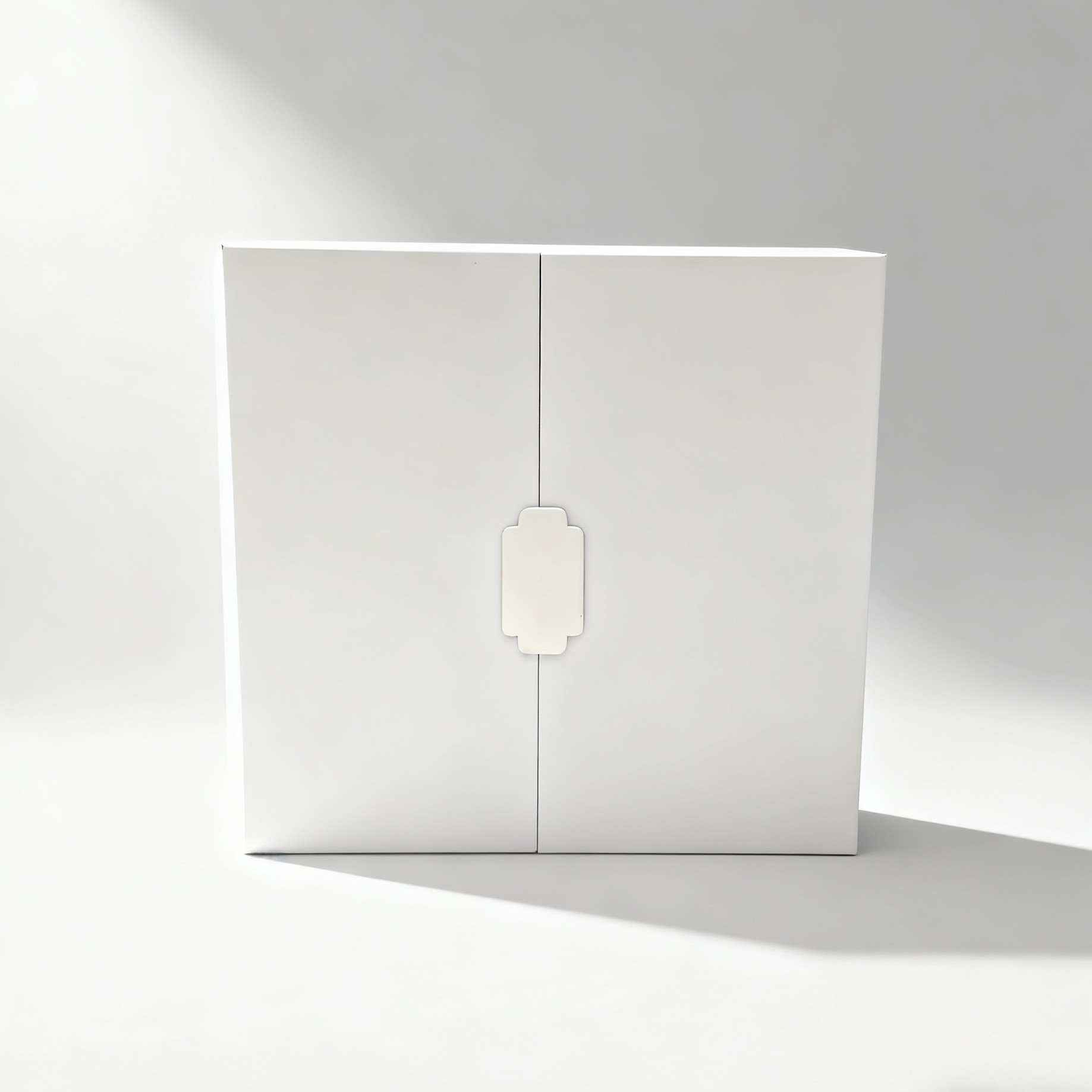
Understanding Premium Packaging Requirements
Material Quality Standards
Premium gift boxes demand superior material selection that reflects the value of enclosed products. High-grade cardboard, specialty papers, and reinforced construction ensure durability while maintaining aesthetic appeal. The material thickness, measured in GSM (grams per square meter), directly correlates with perceived quality and structural integrity. Industry standards typically require materials ranging from 350-600 GSM for luxury applications, providing sufficient rigidity without excessive weight.
Surface treatments play crucial roles in premium packaging perception. Matte and gloss finishes offer distinct tactile experiences, while specialty coatings like soft-touch or anti-scuff protection enhance durability and user interaction. These treatments not only protect the packaging during transit but also contribute to the unboxing experience that premium brands prioritize. The selection process should align surface treatments with brand personality and target audience expectations.
Structural Design Considerations
The structural integrity of gift boxes directly impacts product protection and presentation quality. Reinforced corners, secure closure mechanisms, and appropriate internal cushioning systems prevent damage while maintaining visual appeal. Magnetic closures, ribbon pulls, and precision-cut foam inserts demonstrate attention to detail that premium customers expect and appreciate.
Dimensional accuracy ensures proper product fit and optimal space utilization during shipping and storage. Custom-sized packaging reduces material waste while maximizing protection efficiency. The balance between structural requirements and cost considerations requires thorough analysis of product specifications, shipping conditions, and storage environments to achieve optimal results.
Brand Identity Integration Strategies
Custom Branding Elements
Effective brand integration transforms standard packaging into powerful marketing tools that reinforce brand recognition and values. Custom printing techniques, including embossing, debossing, foil stamping, and spot UV applications, create distinctive visual and tactile elements that differentiate products in competitive markets. These enhanced finishing options justify premium pricing while strengthening brand perception among target audiences.
Color psychology plays a fundamental role in packaging design, influencing consumer emotions and purchase behavior. Premium brands often utilize sophisticated color palettes that convey luxury, reliability, and exclusivity. The integration of brand colors with complementary accent tones creates visual hierarchy and guides consumer attention to key brand elements and product information.
Typography and Visual Hierarchy
Typography selection significantly impacts brand perception and message clarity in premium packaging applications. Sans-serif fonts often convey modernity and minimalism, while serif typefaces suggest tradition and craftsmanship. The hierarchy of information, including brand names, product descriptions, and regulatory text, requires careful balance to maintain visual appeal while ensuring regulatory compliance.
Visual elements must work harmoniously to create cohesive brand experiences across all customer touchpoints. Consistent application of logos, taglines, and graphic elements reinforces brand recognition and builds customer trust. The strategic placement of these elements considers both aesthetic impact and functional requirements, ensuring optimal visibility without compromising design integrity.
Target Market Analysis and Selection Criteria
Consumer Demographics and Preferences
Understanding target demographics guides packaging decisions that resonate with specific consumer segments and purchasing motivations. Luxury consumers prioritize quality perception, exclusivity, and emotional connection over price considerations. Market research reveals that premium customers associate sophisticated packaging design with product quality, making gift boxes critical components of successful premium positioning strategies.
Age demographics influence packaging preferences significantly, with younger consumers favoring Instagram-worthy designs that photograph well for social media sharing. Older demographics may prioritize traditional elegance and functional features like easy opening mechanisms. Gender considerations also impact design choices, though contemporary trends lean toward gender-neutral aesthetics that appeal to broader market segments.
Market Positioning Strategies
Premium positioning requires consistent execution across all brand touchpoints, with packaging serving as a primary differentiator in competitive markets. Price sensitivity decreases when packaging reinforces perceived value through superior design, materials, and functionality. Market positioning analysis helps identify opportunities for differentiation while avoiding direct competition with established premium brands.
Competitive analysis reveals packaging trends and gaps in current market offerings that present opportunities for innovation and differentiation. Understanding competitor packaging strategies, material choices, and design approaches enables strategic positioning that captures market share while building distinct brand identity. This analysis should encompass both direct competitors and aspirational brands that target similar consumer segments.
Functionality and User Experience Design
Unboxing Experience Optimization
The unboxing experience significantly influences customer satisfaction and brand loyalty in premium product categories. Sequential reveal techniques, including multiple layers, tissue paper inserts, and strategic product placement, build anticipation and create memorable moments that customers associate with brand excellence. These experiences often generate user-generated content that extends marketing reach through social media platforms.
Ease of opening mechanisms must balance security with user convenience, particularly for gift-giving occasions where presentation matters. Magnetic closures, ribbon pulls, and tear strips provide elegant solutions that maintain packaging integrity while enabling smooth opening experiences. The tactile quality of opening mechanisms contributes to overall perception of product value and brand attention to detail.
Storage and Reusability Features
Premium packaging often serves secondary purposes after initial product consumption, extending brand exposure and justifying higher packaging costs. Reusable gift boxes for storage, organization, or gift-giving create ongoing value propositions that customers appreciate. Designing for reusability requires consideration of durability, stackability, and aesthetic longevity that maintains appeal over extended periods.
Storage efficiency impacts both customer convenience and logistics costs throughout the supply chain. Nested designs that minimize storage space requirements while maintaining structural integrity reduce warehousing costs and shipping volumes. Flat-pack solutions that assemble without tools or adhesives offer space-efficient alternatives for high-volume applications while maintaining premium appearance and functionality.
Cost-Benefit Analysis and Budget Planning
Manufacturing Cost Optimization
Balancing quality requirements with cost constraints requires strategic planning and vendor relationship management to achieve optimal results. Volume pricing negotiations, material standardization, and production scheduling flexibility significantly impact per-unit costs while maintaining quality standards. Long-term supplier partnerships often yield better pricing and priority production scheduling during peak seasons.
Tooling costs for custom packaging solutions require careful analysis of projected volumes and lifecycle expectations to justify initial investments. Standard size modifications and decorative enhancements often provide cost-effective alternatives to fully custom solutions while maintaining brand differentiation. The amortization of tooling costs across production runs influences minimum order quantities and inventory planning strategies.
Return on Investment Considerations
Premium packaging investments generate returns through increased perceived value, higher selling prices, and improved customer retention rates. Market research indicates that consumers willingly pay premium prices for products with superior packaging that enhances the overall ownership experience. The quantification of these benefits requires tracking customer feedback, repeat purchase rates, and price elasticity studies.
Brand equity improvements resulting from premium packaging investments create long-term value that extends beyond immediate sales impacts. Enhanced brand perception influences customer lifetime value, word-of-mouth marketing effectiveness, and market positioning strength. These intangible benefits often justify higher packaging costs through improved competitive positioning and market share growth opportunities.
Sustainability and Environmental Considerations
Eco-Friendly Material Options
Sustainable packaging solutions increasingly influence consumer purchasing decisions, particularly among environmentally conscious demographics that often overlap with premium product buyers. Recycled content materials, biodegradable coatings, and responsibly sourced papers provide environmental benefits while maintaining premium appearance and functionality. Certification programs like FSC (Forest Stewardship Council) and SFI (Sustainable Forestry Initiative) validate environmental claims and build consumer trust.
Water-based inks and adhesives reduce environmental impact while providing comparable performance to traditional alternatives in most applications. These environmentally friendly options often require slight adjustments to production processes and quality control procedures but deliver significant sustainability benefits. The communication of environmental initiatives through packaging design and marketing materials reinforces brand commitment to corporate responsibility.
Waste Reduction Strategies
Designing for recyclability ensures that premium packaging aligns with circular economy principles while maintaining luxury appeal. Material selection, adhesive choices, and decorative treatments all impact recyclability and should be evaluated against environmental goals. Clear recycling instructions and material identification codes help consumers properly dispose of packaging materials while supporting community recycling programs.
Right-sizing initiatives reduce material consumption and shipping volumes while maintaining product protection and aesthetic appeal. Advanced packaging design software enables optimization of dimensions, material usage, and structural requirements to minimize environmental impact. These efficiency improvements often reduce costs while supporting sustainability objectives and regulatory compliance requirements.
FAQ
What factors determine the ideal thickness for premium gift boxes
The ideal thickness depends on product weight, shipping requirements, and durability expectations. Premium applications typically require 350-600 GSM materials that provide structural integrity while maintaining elegant appearance. Consider the balance between protection needs and material costs when selecting appropriate thickness levels.
How do custom branding options impact overall packaging costs
Custom branding significantly increases initial setup costs due to tooling and minimum order requirements, but per-unit costs decrease with higher volumes. Premium finishes like foil stamping or embossing add 15-30% to base costs but create substantial differentiation value that often justifies the investment through higher selling prices.
What sustainability certifications should premium brands prioritize
FSC certification ensures responsible forest management and appeals to environmentally conscious consumers. Recyclable material designations and carbon footprint labeling provide additional credibility for sustainability claims. Choose certifications that align with your target market values and regulatory requirements in your primary sales regions.
How can packaging design influence customer retention rates
Premium packaging creates positive emotional connections that increase customer satisfaction and repeat purchase likelihood. Research shows that memorable unboxing experiences can improve retention rates by 20-35% compared to standard packaging. The investment in superior packaging materials and design often pays dividends through improved customer lifetime value and reduced acquisition costs.
