 EN
EN

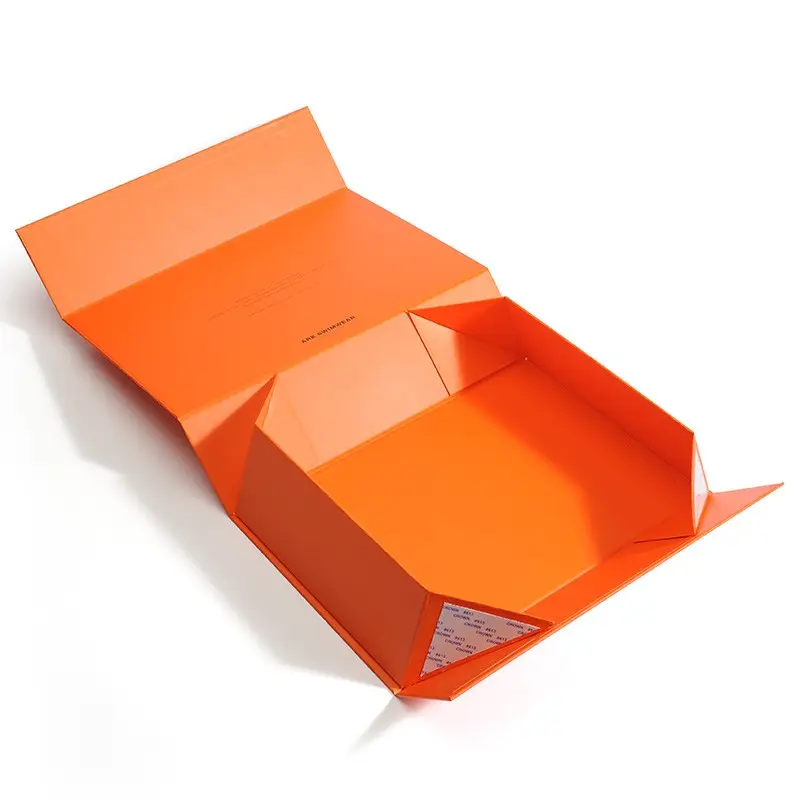
The unboxing experience has transformed from a simple product reveal into a powerful marketing tool that drives customer loyalty and brand engagement. Premium brands increasingly recognize that the first physical touchpoint with their product begins with the packaging, making the choice of paper boxes critical to creating memorable moments that resonate with consumers long after purchase. When designed thoughtfully, paper boxes serve as the gateway to premium experiences, setting expectations and reinforcing brand values through tactile and visual elements that speak to quality and attention to detail.
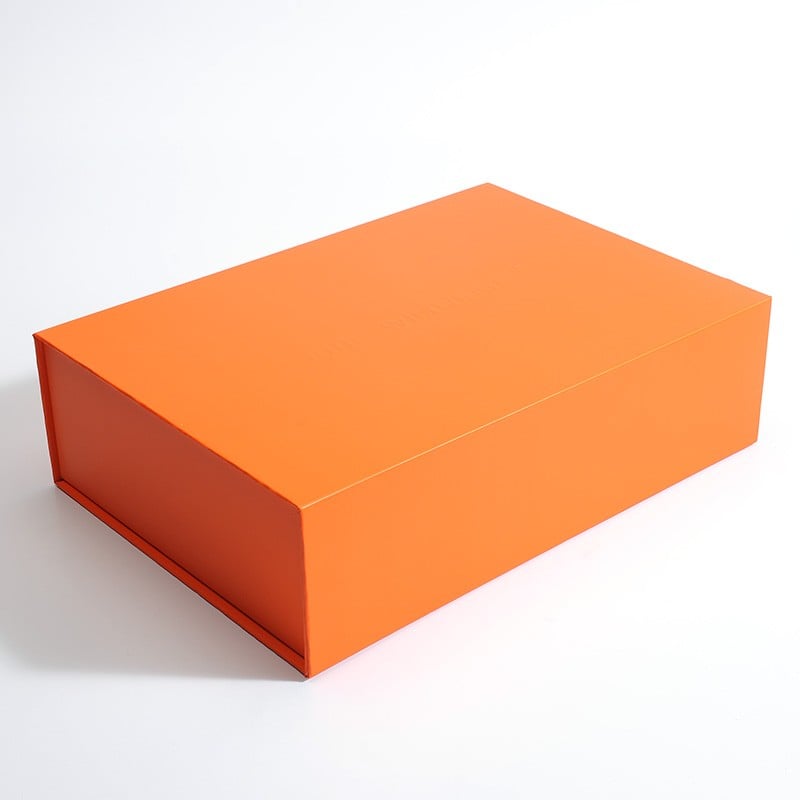
Modern consumers have developed heightened expectations around packaging experiences, particularly in the luxury and premium product segments. Research indicates that over 70% of consumers share unboxing experiences on social media platforms, making the packaging design a direct contributor to organic marketing reach. Paper boxes offer unique advantages in this context, providing structural integrity, customization flexibility, and sustainability credentials that align with contemporary consumer values while delivering the premium feel that elevates product perception.
The psychology behind unboxing reveals that consumers process packaging quality as a direct indicator of product quality, creating what experts term the halo effect. When brands invest in sophisticated paper boxes that demonstrate craftsmanship through material selection, printing techniques, and structural design, they communicate their commitment to excellence before the actual product is revealed. This preliminary impression often determines customer satisfaction levels and influences repeat purchase decisions, making packaging investment a strategic business decision rather than merely a protective necessity.
The Psychology of Premium Packaging Design
Creating Emotional Connections Through Touch and Feel
The tactile experience of handling premium paper boxes engages multiple sensory channels that contribute to emotional bonding between consumers and brands. Research in consumer psychology demonstrates that texture, weight, and structural integrity of packaging materials directly influence perceived product value, with consumers consistently rating products packaged in substantial, well-crafted paper boxes as higher quality regardless of the actual product contents. The moment a customer receives a package, their fingers assess the materials, searching for cues about the brand's attention to detail and commitment to quality.
Premium paper boxes leverage specific design elements to trigger positive emotional responses, including smooth surface finishes that convey sophistication, strategic use of embossing or debossing that adds dimensional interest, and carefully selected paper weights that provide satisfying resistance when opened. These elements work together to create what packaging designers call the anticipation phase, where excitement builds as customers interact with the exterior before revealing the contents. Brands that master this phase often see increased customer retention rates and higher average order values across subsequent purchases.
Visual Hierarchy and Brand Storytelling
Effective paper boxes function as three-dimensional canvases for brand storytelling, using visual hierarchy principles to guide customer attention and communicate key messages at critical moments during the unboxing process. Premium brands employ sophisticated design strategies that reveal information progressively, starting with bold brand identifiers on the exterior and transitioning to detailed product information or brand messaging on interior surfaces. This layered approach maintains engagement throughout the entire unboxing sequence while reinforcing brand identity at multiple touchpoints.
Color psychology plays a crucial role in paper boxes design for premium products, with specific color combinations evoking desired emotional responses and positioning products within particular market segments. Luxury brands frequently utilize monochromatic schemes with metallic accents to suggest exclusivity, while wellness brands incorporate earth tones and natural textures to communicate authenticity and environmental consciousness. The strategic application of color extends beyond aesthetics to functional communication, using contrast and saturation to highlight important information and create visual focal points that enhance the overall unboxing narrative.
Material Innovation in Rigid Paper Box Construction
Advanced Paper Technologies and Sustainability
Contemporary paper boxes benefit from significant advances in material science that enable manufacturers to create packaging solutions that balance durability, sustainability, and aesthetic appeal. High-performance paper grades now incorporate recycled content without compromising structural integrity, while innovative coating technologies provide water resistance and enhanced printability that meets the demanding requirements of premium product packaging. These technological improvements allow brands to maintain luxury positioning while addressing growing consumer concerns about environmental impact and sustainable business practices.
Sustainable paper boxes increasingly feature bio-based coatings and water-based inks that reduce environmental footprint without sacrificing visual impact or protection capabilities. Advanced fiber engineering techniques create paper substrates with enhanced tear resistance and fold endurance, enabling complex structural designs that were previously achievable only with less sustainable materials. Brands implementing these innovative approaches often discover that sustainable paper boxes actually enhance their premium positioning by demonstrating forward-thinking values that resonate with environmentally conscious consumers.
Structural Engineering for Enhanced Functionality
Modern paper boxes incorporate sophisticated structural engineering principles that optimize both protective performance and user experience during the unboxing process. Advanced die-cutting techniques enable intricate folding patterns that create self-locking mechanisms, eliminating the need for additional adhesives while ensuring secure closure during shipping and handling. These engineered solutions provide manufacturers with greater design freedom while maintaining the structural integrity required for premium product protection throughout complex distribution channels.
Innovative closure systems in premium paper boxes range from magnetic mechanisms that provide satisfying tactile feedback to ribbon-pull tabs that create ritualistic opening experiences reminiscent of gift presentation. These functional enhancements transform utilitarian packaging into experiential design elements that contribute directly to brand differentiation and customer satisfaction. Engineering teams now collaborate closely with brand managers to develop paper boxes that balance practical requirements with experiential goals, resulting in packaging solutions that protect products while creating memorable customer interactions.
Customization Strategies for Brand Differentiation
Personalization Technologies in Paper Box Manufacturing
Digital printing advances have revolutionized customization possibilities for paper boxes, enabling brands to implement variable data printing that personalizes packaging for individual customers or specific market segments. These technologies support everything from personalized names and messages to regionally specific designs that reflect local preferences and cultural considerations. Brands leveraging these capabilities report significant improvements in customer engagement metrics and social media sharing rates, as personalized packaging creates inherently shareable moments that drive organic marketing amplification.
Advanced customization extends beyond surface printing to include structural modifications that reflect brand personality and product positioning within paper boxes design. Modular design systems allow manufacturers to create packaging families that maintain brand consistency while accommodating diverse product lines and seasonal variations. These flexible approaches enable brands to implement cost-effective customization strategies that scale efficiently across different market segments while maintaining the premium aesthetic that drives customer perception and loyalty.
Seasonal and Limited Edition Design Strategies
Strategic use of seasonal and limited edition paper boxes creates urgency and exclusivity that drives customer acquisition and retention in competitive premium markets. Successful brands develop annual packaging calendars that align with cultural celebrations, product launches, and brand milestones, using these occasions to experiment with bold design elements and special materials that wouldn't be practical for year-round production. These limited releases often become collector items that extend brand engagement beyond the initial purchase occasion.
Limited edition paper boxes frequently incorporate special finishing techniques such as foil stamping, spot UV coating, or tactile varnishes that create distinctive sensory experiences unavailable in standard packaging lines. These premium treatments serve dual purposes by justifying higher price points while creating memorable unboxing experiences that customers associate with special occasions and exclusive access. Brands implementing systematic limited edition strategies often see increased customer lifetime value and higher rates of repeat purchases across their entire product portfolio.
Integration with Digital Marketing Ecosystems
Social Media Optimization Through Packaging Design
Modern paper boxes must function as physical marketing assets that translate effectively to digital platforms, requiring design approaches that optimize for photography and video content creation. Successful packaging designs incorporate elements specifically intended for social media sharing, including branded tissue paper, custom stickers, or insert cards that encourage user-generated content creation. These design elements work together to transform every unboxing into a potential marketing moment that extends brand reach through authentic customer advocacy.
Color palettes and graphic elements in premium paper boxes now consider how designs will appear under various lighting conditions and camera settings commonly used by consumers creating social media content. Brands increasingly test packaging designs using typical smartphone cameras and social media filters to ensure visual impact translates effectively across digital platforms. This integration between physical and digital design considerations has become essential for maximizing the marketing value of packaging investments in contemporary retail environments.
QR Codes and Interactive Technology Integration
Smart paper boxes incorporate QR codes and NFC technology that bridge physical and digital experiences, providing customers with access to exclusive content, product authentication, or personalized recommendations based on their purchase history. These interactive elements transform packaging from passive protection into active engagement tools that extend customer relationships beyond the initial unboxing experience. Brands implementing these technologies report improved customer data collection and enhanced ability to deliver personalized marketing messages throughout the customer lifecycle.
Interactive technology integration in paper boxes enables sophisticated tracking and analytics that help brands understand customer behavior patterns and optimize future packaging designs based on actual usage data. Advanced implementations include augmented reality experiences that overlay digital content onto physical packaging, creating immersive brand experiences that blur the boundaries between physical and digital marketing channels. These technological enhancements position paper boxes as central components of integrated marketing strategies rather than simple product containers.
Cost Management and ROI Optimization
Balancing Premium Aesthetics with Production Efficiency
Successful premium paper boxes programs require careful balance between aesthetic impact and production efficiency to ensure sustainable business models that support long-term brand growth. Manufacturing optimization techniques such as nested die layouts and efficient material utilization can reduce production costs by up to 30% without compromising design quality or structural performance. Brands working closely with experienced packaging manufacturers often discover opportunities to achieve premium aesthetics through intelligent design choices rather than expensive materials or complex manufacturing processes.
Value engineering approaches for paper boxes focus on identifying design elements that provide maximum customer impact relative to their production cost, enabling brands to allocate resources strategically across different aspects of the packaging experience. Techniques such as selective premium treatments, where high-impact elements like magnetic closures or metallic accents are used sparingly for maximum effect, allow brands to maintain luxury positioning while controlling overall packaging costs. These strategic approaches ensure that investment in premium paper boxes generates measurable returns through improved customer metrics and increased product margins.
Measuring Packaging Performance and Customer Response
Comprehensive measurement strategies for paper boxes performance include both quantitative metrics such as social media engagement rates and qualitative feedback through customer surveys and focus groups. Leading brands implement systematic tracking of packaging-related customer touchpoints, monitoring everything from unboxing video creation rates to customer service inquiries related to packaging damage or design feedback. This data-driven approach enables continuous optimization of paper boxes designs based on real customer behavior rather than assumptions about preferences.
Advanced analytics platforms now integrate packaging performance data with broader customer relationship management systems, enabling brands to correlate packaging investments with customer lifetime value and repeat purchase rates. These sophisticated measurement approaches demonstrate clear connections between premium paper boxes and business outcomes, supporting continued investment in packaging excellence as a strategic differentiator. Brands implementing comprehensive measurement strategies consistently outperform competitors in customer satisfaction and retention metrics while maintaining healthy profit margins.
FAQ
What makes paper boxes more suitable for premium unboxing experiences compared to other packaging materials
Paper boxes offer unique advantages for premium unboxing experiences through their combination of structural versatility, customization capabilities, and sustainable credentials that align with contemporary consumer values. Unlike plastic alternatives, paper provides superior printability for complex graphics and finishing techniques, while offering tactile qualities that convey quality and craftsmanship. The material's ability to support intricate structural designs, from magnetic closures to complex folding patterns, enables brands to create sophisticated opening experiences that enhance product presentation and reinforce premium positioning.
How can brands justify the higher costs associated with premium paper box packaging
Premium paper boxes generate measurable returns through multiple channels including increased customer retention rates, higher average order values, and significant organic marketing amplification through social media sharing. Studies consistently demonstrate that customers perceive products packaged in high-quality paper boxes as more valuable, enabling brands to command premium pricing while improving customer satisfaction scores. The investment in superior packaging often pays for itself through reduced customer acquisition costs, as satisfied customers become brand advocates who generate referrals and repeat purchases at higher rates than those receiving standard packaging experiences.
What are the key design elements that make paper boxes effective for social media marketing
Effective social media optimization for paper boxes requires attention to visual contrast, branded elements that remain visible throughout the unboxing process, and interactive components that encourage content creation. Successful designs incorporate photogenic color schemes that translate well under typical smartphone lighting conditions, include branded tissue paper or inserts that create layered reveal moments, and feature tactile elements that generate satisfying sounds or visual effects during opening. Strategic placement of logos and key messaging ensures brand visibility regardless of how customers choose to photograph or film their unboxing experience.
How do sustainable paper box options compare to traditional luxury packaging in terms of customer perception
Modern sustainable paper boxes actually enhance luxury positioning by demonstrating brand values that resonate with environmentally conscious consumers, particularly in younger demographic segments. Advanced sustainable materials now match or exceed traditional options in terms of structural performance and aesthetic capabilities, while providing additional storytelling opportunities that strengthen emotional connections between brands and customers. Research indicates that consumers increasingly associate environmental responsibility with premium quality, making sustainable paper boxes a competitive advantage rather than a compromise in luxury market segments.
Table of Contents
- The Psychology of Premium Packaging Design
- Material Innovation in Rigid Paper Box Construction
- Customization Strategies for Brand Differentiation
- Integration with Digital Marketing Ecosystems
- Cost Management and ROI Optimization
-
FAQ
- What makes paper boxes more suitable for premium unboxing experiences compared to other packaging materials
- How can brands justify the higher costs associated with premium paper box packaging
- What are the key design elements that make paper boxes effective for social media marketing
- How do sustainable paper box options compare to traditional luxury packaging in terms of customer perception
