 EN
EN

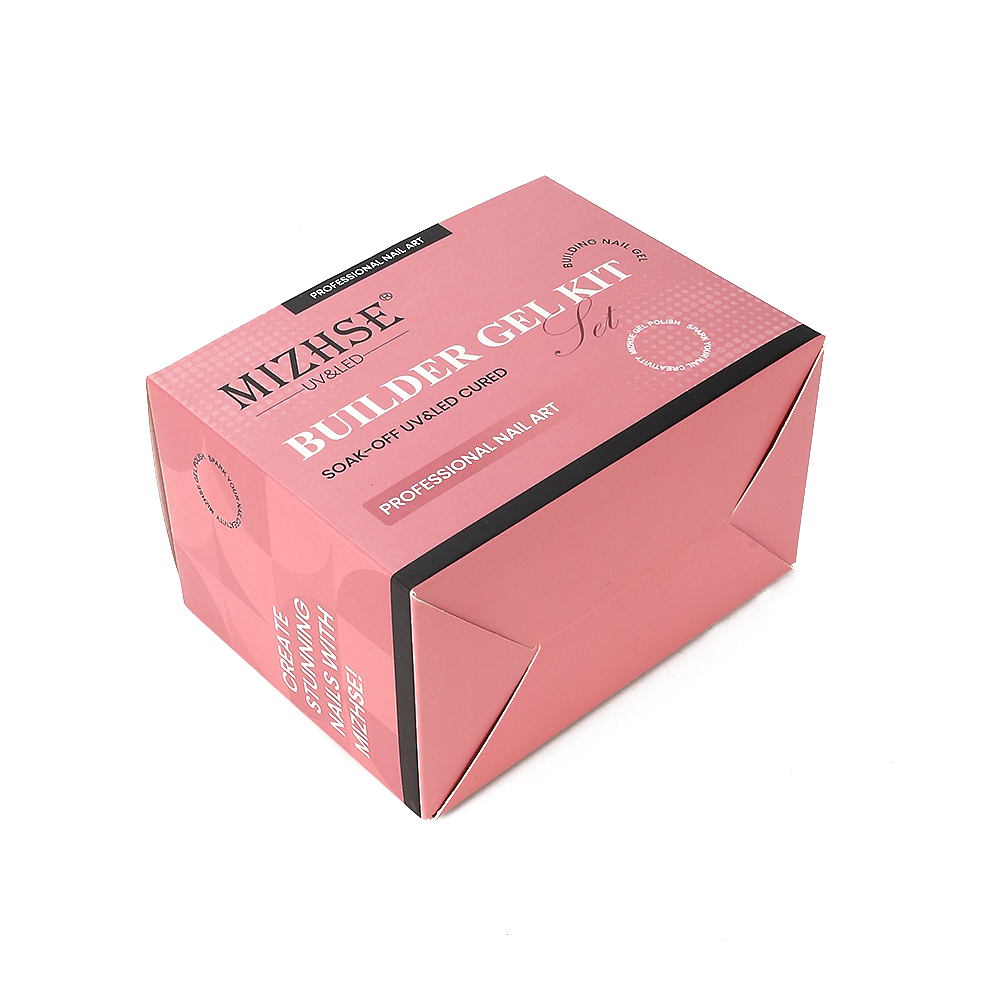
The retail landscape is experiencing a significant transformation as businesses increasingly prioritize sustainable packaging solutions that don't compromise on visual appeal or functionality. Paper boxes have emerged as a cornerstone of this evolution, offering retailers an exceptional combination of environmental responsibility, cost-effectiveness, and design flexibility. These versatile containers serve multiple purposes beyond simple product protection, functioning as powerful marketing tools that enhance brand visibility and create memorable customer experiences. As consumer awareness about environmental issues continues to grow, retailers who adopt paper boxes for their display needs position themselves as forward-thinking businesses committed to sustainability while maintaining professional presentation standards.

Environmental Benefits of Paper Box Solutions
Renewable Resource Foundation
Paper boxes represent one of the most environmentally conscious packaging choices available to modern retailers. Unlike plastic alternatives that can persist in landfills for centuries, paper boxes decompose naturally within months when disposed of properly. The raw materials used in manufacturing paper boxes come from renewable forest resources, which can be sustainably managed through responsible harvesting practices. Many manufacturers now source their materials from certified forests that maintain ecological balance while providing the cellulose fibers necessary for high-quality packaging production.
The production process of paper boxes generates significantly lower carbon emissions compared to plastic or metal packaging alternatives. Modern paper mills utilize advanced technologies that minimize water consumption and reduce energy requirements throughout the manufacturing cycle. Additionally, the transportation costs associated with paper boxes are typically lower due to their lightweight nature, further reducing the overall environmental footprint of retail operations that choose these sustainable packaging solutions.
Recycling and Circular Economy Impact
The recyclability of paper boxes creates a closed-loop system that maximizes resource efficiency and minimizes waste generation. Most paper boxes can be recycled multiple times before the fiber quality degrades beyond usability, extending the lifecycle of the original raw materials. This recycling process requires less energy than producing new paper from virgin materials, creating additional environmental benefits for businesses and communities that participate in comprehensive recycling programs.
Consumer participation in paper box recycling has reached impressive levels, with many regions achieving recycling rates exceeding seventy percent for cardboard and paper packaging materials. This high participation rate demonstrates public acceptance and understanding of paper box sustainability, making them an excellent choice for retailers seeking to align their packaging strategies with consumer values and environmental expectations.
Design Versatility and Customization Options
Brand Identity Integration
Paper boxes offer unparalleled opportunities for brand customization and visual storytelling that can significantly enhance retail display effectiveness. The smooth surface texture of quality paper boxes provides an ideal canvas for high-resolution printing, embossing, and specialty finishing techniques that create distinctive brand experiences. Retailers can incorporate logos, color schemes, typography, and graphic elements that reinforce brand identity while creating cohesive visual presentations across multiple product lines and display configurations.
Advanced printing technologies enable the reproduction of complex designs, gradients, and photographic images on paper boxes with exceptional clarity and color accuracy. This capability allows retailers to create packaging that doubles as marketing material, reducing the need for additional promotional displays while maintaining professional presentation standards. The ability to produce small batch runs of customized paper boxes makes them particularly attractive for seasonal promotions, limited edition products, or market testing initiatives.
Structural Design Flexibility
Modern paper box manufacturing techniques support an extensive range of structural configurations that accommodate diverse product types and retail display requirements. From simple rectangular containers to complex die-cut shapes with integrated windows, handles, or compartments, paper boxes can be engineered to meet specific functional and aesthetic objectives. This structural flexibility enables retailers to optimize space utilization, improve product protection, and create unique unboxing experiences that enhance customer satisfaction.
The engineering possibilities for paper boxes extend beyond basic containment to include features such as self-locking mechanisms, tear-away sections, and modular stacking systems. These advanced design elements can improve operational efficiency in retail environments while providing customers with convenient and intuitive package interactions. The lightweight yet durable nature of properly constructed paper boxes ensures reliable performance across various handling and storage conditions.
Cost-Effectiveness and Economic Advantages
Manufacturing and Production Economics
The economic benefits of choosing paper boxes for retail displays extend far beyond initial purchase costs, encompassing reduced storage expenses, simplified inventory management, and enhanced operational efficiency. Paper boxes typically require less storage space than rigid plastic alternatives due to their ability to be shipped and stored in flat configurations until assembly. This space efficiency translates into reduced warehousing costs and improved inventory turnover rates for retailers operating in space-constrained environments.
Manufacturing scalability represents another significant economic advantage of paper boxes, as production volumes can be adjusted relatively quickly to match seasonal demand fluctuations or market changes. The established global supply chain for paper-based packaging materials ensures consistent availability and competitive pricing, reducing supply disruption risks that can impact retail operations and customer satisfaction.
Long-Term Value Proposition
The total cost of ownership for paper boxes includes factors beyond initial acquisition costs, such as disposal expenses, regulatory compliance requirements, and brand reputation impacts. Paper boxes typically incur lower disposal costs than alternative packaging materials, as many waste management systems charge reduced rates for recyclable materials or may even provide revenue sharing for high-quality recyclable content. These cost advantages compound over time, creating substantial savings for retailers with high packaging volume requirements.
Regulatory trends increasingly favor sustainable packaging solutions, and retailers using paper boxes may benefit from tax incentives, reduced compliance costs, or preferential treatment in government procurement processes. Additionally, the positive brand associations created by sustainable packaging choices can drive customer loyalty and premium pricing opportunities that offset any marginal cost differences compared to less environmentally friendly alternatives.
Retail Display Applications and Performance
Point-of-Sale Optimization
Paper boxes excel in point-of-sale applications where visual appeal, product protection, and ease of handling must work together to create effective retail displays. Their lightweight nature facilitates frequent repositioning and restocking activities, while their printable surfaces enable clear product information presentation and promotional messaging. The ability to create window openings in paper boxes allows customers to view products while maintaining protective enclosure, combining the benefits of open and closed display formats.
Stack stability and display durability are crucial factors in retail environments, and properly designed paper boxes can withstand normal handling stresses while maintaining their structural integrity and visual appeal. The modular nature of paper box systems enables retailers to create scalable displays that can be expanded or reconfigured based on seasonal requirements, promotional activities, or space constraints without requiring complete display system replacements.
Customer Experience Enhancement
The tactile and visual qualities of paper boxes contribute significantly to positive customer experiences throughout the shopping and post-purchase phases. The natural texture and appearance of paper packaging creates associations with quality, craftsmanship, and environmental responsibility that resonate with increasingly conscious consumers. The ease of opening and the satisfying unboxing experience provided by well-designed paper boxes can enhance product perceived value and encourage repeat purchases.
Paper boxes also support improved product organization and presentation strategies that help customers navigate complex product selections more effectively. Clear labeling, color coding, and size standardization possible with paper box systems can reduce customer confusion and decision-making time, leading to improved sales conversion rates and higher customer satisfaction scores in retail environments.
Innovation Trends and Future Developments
Advanced Material Technologies
The paper box industry continues to evolve through innovative material science developments that enhance performance characteristics while maintaining environmental benefits. Bio-based barrier coatings now provide moisture and grease resistance comparable to traditional plastic liners without compromising recyclability. These advanced coatings expand the range of products suitable for paper box packaging, including items that previously required plastic or metal containers for adequate protection.
Reinforcement technologies utilizing natural fiber additives and advanced bonding agents have improved the strength-to-weight ratios of paper boxes significantly. These improvements enable the creation of lighter packages that maintain structural integrity under greater stress, reducing material consumption while improving handling characteristics and transportation efficiency throughout retail supply chains.
Digital Integration and Smart Packaging
Emerging technologies are transforming paper boxes into interactive marketing platforms through integration of digital elements such as QR codes, NFC chips, and augmented reality triggers. These technological enhancements enable retailers to provide additional product information, promotional content, and customer engagement opportunities without increasing package complexity or environmental impact. The compatibility of paper substrates with various digital printing and application technologies makes paper boxes ideal candidates for smart packaging implementations.
Supply chain visibility improvements through digital tracking systems embedded in paper boxes provide retailers with enhanced inventory management capabilities and anti-counterfeiting protection. These systems can monitor package conditions, track location and handling history, and provide authentication verification throughout the distribution process, adding value for both retailers and consumers while maintaining the fundamental sustainability advantages of paper-based packaging.
FAQ
How durable are paper boxes compared to plastic packaging for retail displays
Paper boxes offer excellent durability for most retail display applications when properly designed and manufactured. Modern paper box construction techniques utilize advanced adhesives, reinforcement methods, and material treatments that provide strength characteristics suitable for typical retail handling and storage conditions. While they may not match the impact resistance of rigid plastic containers, paper boxes excel in compression strength and can withstand normal stacking loads effectively. The key is selecting appropriate paper weights, structural designs, and finishing treatments that match the specific requirements of the intended application and environment.
What customization options are available for paper boxes in retail settings
Paper boxes offer extensive customization possibilities including full-color printing, embossing, debossing, foil stamping, and specialty coatings that create unique visual and tactile experiences. Structural customization options include die-cut windows, handles, compartments, and specialized closure systems. Size and shape modifications can accommodate virtually any product configuration, while surface treatments can provide specific performance characteristics such as water resistance or enhanced durability. Many manufacturers offer digital printing options that enable small-batch customization for seasonal promotions or market testing applications.
Are paper boxes cost-effective for small retailers with limited budgets
Paper boxes can be highly cost-effective for small retailers due to their competitive pricing, reduced storage requirements, and elimination of expensive disposal fees associated with non-recyclable packaging materials. Many suppliers offer flexible minimum order quantities that accommodate small business needs, while the flat-pack shipping format reduces transportation costs. Additionally, the marketing value provided by attractive, branded paper boxes can eliminate the need for separate promotional materials, creating additional cost savings that offset packaging expenses and improve overall marketing return on investment.
How do paper boxes perform in different climate conditions and storage environments
Modern paper boxes incorporate various treatments and coatings that enhance their performance across diverse environmental conditions. While basic paper boxes perform best in controlled indoor environments, specialized formulations can provide adequate protection in higher humidity conditions or temperature variations typical of retail environments. Proper storage practices, such as maintaining appropriate humidity levels and avoiding direct moisture exposure, ensure optimal performance and longevity. For challenging environments, retailers can select paper boxes with enhanced barrier properties or protective coatings that maintain structural integrity while preserving environmental benefits.
Table of Contents
- Environmental Benefits of Paper Box Solutions
- Design Versatility and Customization Options
- Cost-Effectiveness and Economic Advantages
- Retail Display Applications and Performance
- Innovation Trends and Future Developments
-
FAQ
- How durable are paper boxes compared to plastic packaging for retail displays
- What customization options are available for paper boxes in retail settings
- Are paper boxes cost-effective for small retailers with limited budgets
- How do paper boxes perform in different climate conditions and storage environments
