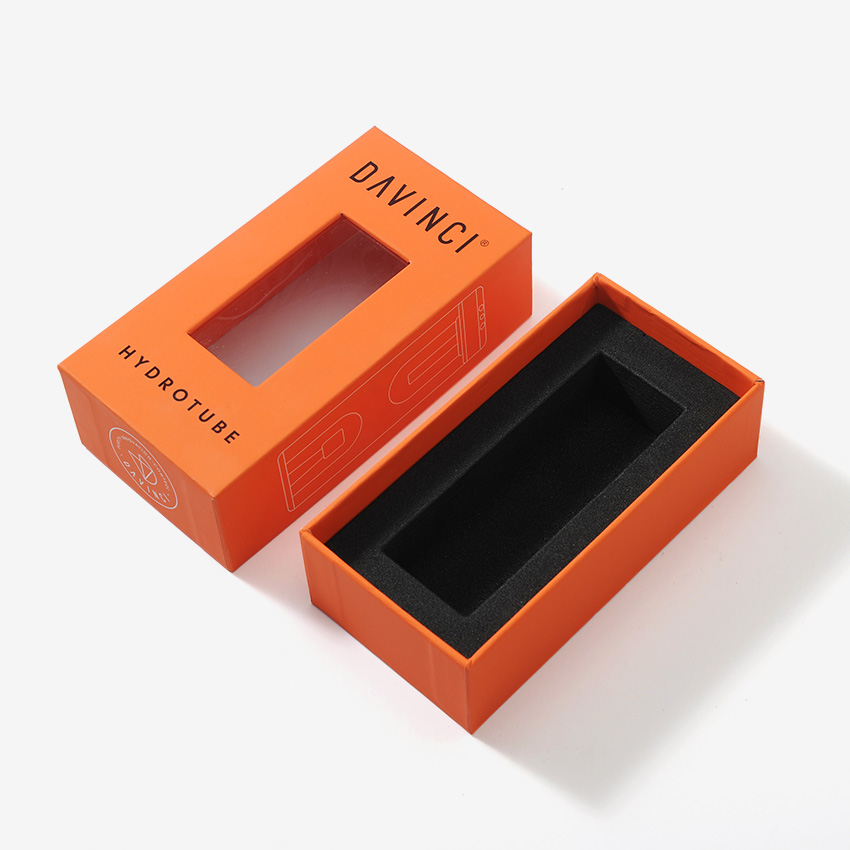
The packaging industry has witnessed a significant transformation in recent years, with folding boxes emerging as one of the most versatile and effective packaging solutions for businesses across various sectors. These innovative packaging solutions combine functionality with aesthetic appeal, offering companies an opportunity to create memorable unboxing experiences while maintaining practical storage and shipping benefits. When selecting the right folding boxes for your products, understanding the key factors that influence both presentation quality and operational efficiency becomes crucial for making informed decisions that align with your brand objectives and customer expectations.
Understanding the Fundamentals of Premium Packaging Design
Material Quality and Structural Integrity
The foundation of exceptional folding boxes lies in selecting premium materials that provide both durability and visual appeal. High-quality cardboard and paperboard materials ensure that your packaging maintains its structural integrity throughout the supply chain while delivering a sophisticated tactile experience to end users. The thickness and composition of the material directly impact the perceived value of your product, making it essential to choose substrates that complement your brand positioning and product category.
When evaluating material options, consider factors such as weight capacity, moisture resistance, and printability characteristics. Premium folding boxes often utilize multi-layer construction techniques that enhance strength while maintaining flexibility for easy assembly and storage. The choice between different material grades should align with your product protection requirements and budget considerations, ensuring optimal performance across various environmental conditions and handling scenarios.
Design Flexibility and Customization Options
Modern folding boxes offer extensive customization possibilities that enable brands to create distinctive packaging experiences tailored to their specific market segments. From unique die-cut shapes to specialized closure mechanisms, the design flexibility inherent in folding box construction allows for creative solutions that differentiate products in competitive marketplaces. Understanding the manufacturing constraints and possibilities helps in developing packaging concepts that are both visually striking and commercially viable.
The integration of special features such as magnetic closures, ribbon pulls, or window cutouts can significantly enhance product presentation while maintaining the practical benefits of collapsible design. These premium features contribute to the overall unboxing experience and can justify higher price points while building stronger emotional connections with customers. Evaluating the cost-benefit relationship of various customization options ensures that design investments align with marketing objectives and profit margin requirements.
Selecting Appropriate Sizes and Configurations
Dimensional Optimization for Product Fit
Achieving the perfect fit between your product and its packaging requires careful consideration of dimensional relationships that maximize both protection and presentation value. Properly sized folding boxes eliminate excessive void space that can lead to product movement during shipping while ensuring adequate clearance for safe insertion and removal. The dimensional specifications should account for any internal protective elements such as foam inserts, tissue paper, or product accessories that contribute to the overall packaging experience.
Professional packaging designers often recommend maintaining specific ratios between product dimensions and internal box measurements to optimize both functionality and visual appeal. These ratios help ensure that products appear properly proportioned within their packaging while providing sufficient space for protective materials and presentation elements. Understanding these dimensional relationships enables more effective communication with packaging suppliers and reduces the likelihood of costly revisions during the development process.
Configuration Varieties for Different Applications
The versatility of folding boxes extends beyond basic rectangular configurations, with numerous specialized formats available to accommodate diverse product categories and presentation requirements. Tray-and-sleeve designs offer elegant reveal experiences for luxury items, while book-style configurations provide excellent branding surfaces and secure closure mechanisms. Each configuration type presents unique advantages in terms of manufacturing efficiency, storage optimization, and user experience characteristics.
Multi-compartment designs enable the organization of product sets or accessories within a single packaging unit, creating opportunities for cross-selling and enhanced perceived value. The selection of appropriate configurations should consider factors such as retail display requirements, shipping constraints, and end-user convenience preferences. Evaluating different configuration options early in the design process helps identify the most suitable approach for specific product applications and market positioning strategies.
Branding Integration and Visual Impact Strategies
Color Psychology and Brand Consistency
The visual impact of folding boxes depends heavily on strategic color selection that reinforces brand identity while appealing to target customer demographics. Color psychology principles guide the selection of dominant hues and accent colors that evoke desired emotional responses and support brand positioning objectives. Consistency across color applications ensures that packaging elements integrate seamlessly with existing brand materials and marketing communications, creating cohesive brand experiences that strengthen customer recognition and loyalty.
Advanced printing technologies enable precise color reproduction and special effect applications that enhance the premium perception of folding boxes. Techniques such as spot UV coating, metallic foiling, and embossing create tactile and visual interest that elevates the unboxing experience beyond standard packaging solutions. The strategic application of these enhancement techniques should support brand messaging while remaining cost-effective for intended production volumes and market segments.
Typography and Information Hierarchy
Effective typography on folding boxes serves both functional and aesthetic purposes, conveying essential product information while reinforcing brand personality and style preferences. The hierarchy of information placement guides customer attention through key messaging elements, from brand identification to product benefits and usage instructions. Professional typography selection considers readability requirements across different viewing distances and lighting conditions commonly encountered in retail environments.
The integration of variable data printing capabilities allows for personalization opportunities that can enhance customer engagement and create unique packaging experiences for different market segments or promotional campaigns. Understanding the technical limitations and possibilities of various printing methods helps in developing typography solutions that are both visually appealing and production-friendly, ensuring consistent results across large manufacturing runs.
Manufacturing Considerations and Quality Control
Production Timeline and Scalability Factors
The manufacturing process for custom folding boxes involves multiple stages that require careful coordination to meet delivery deadlines and quality standards. Understanding typical production timelines helps in planning product launches and inventory management strategies that account for lead times associated with design approval, tooling creation, and production scheduling. Early engagement with manufacturing partners enables more accurate timeline estimates and identification of potential bottlenecks that could impact delivery schedules.
Scalability considerations become particularly important for businesses anticipating volume growth or seasonal demand fluctuations. Manufacturing partners with appropriate equipment capacity and quality systems can accommodate changing volume requirements while maintaining consistent quality standards and cost-effectiveness. Evaluating the scalability capabilities of potential suppliers helps ensure long-term partnership viability and reduces the risk of supply chain disruptions during critical business periods.
Quality Assurance and Testing Protocols
Comprehensive quality control measures throughout the manufacturing process ensure that folding boxes meet specified performance standards and visual quality requirements. Testing protocols should address structural integrity, print quality, dimensional accuracy, and assembly functionality to identify potential issues before full production runs. Professional packaging suppliers typically maintain documented quality systems that include incoming material inspection, in-process monitoring, and final product verification procedures.
Environmental testing considerations become increasingly important as products encounter various storage and shipping conditions throughout the distribution process. Temperature, humidity, and compression testing help validate packaging performance under realistic conditions and identify potential failure modes that could impact product protection or presentation quality. Regular quality audits and supplier assessments ensure ongoing compliance with established standards and continuous improvement in manufacturing processes.

Cost Optimization and Value Engineering
Budget Planning and Cost Structure Analysis
Effective cost management for folding boxes requires understanding the various factors that influence pricing structure and identifying opportunities for optimization without compromising quality or brand impact. Material costs, printing complexity, special features, and production volume all contribute to the overall cost equation and should be evaluated systematically to achieve optimal value propositions. Professional cost analysis helps identify the most significant cost drivers and prioritize optimization efforts for maximum financial impact.
Value engineering approaches focus on maintaining essential functionality and brand impact while reducing unnecessary costs through design simplification or material optimization. This process often reveals opportunities to achieve similar visual and functional results through alternative manufacturing methods or material specifications that offer better cost-effectiveness. Collaborative relationships with packaging suppliers facilitate value engineering discussions that benefit both parties through improved efficiency and competitiveness.
Volume Economics and Ordering Strategies
The economics of folding box production typically favor larger order quantities due to fixed costs associated with tooling, setup, and design preparation. Understanding minimum order quantities and volume-based pricing structures helps in developing ordering strategies that balance inventory investment with unit cost optimization. Strategic planning for annual volume requirements enables negotiation of more favorable pricing terms and ensures adequate supply availability throughout business cycles.
Inventory management considerations include storage requirements, shelf life limitations, and demand forecasting accuracy that influence optimal order sizing decisions. Professional inventory planning tools and supplier partnerships can help optimize ordering frequency and quantities while minimizing total cost of ownership. The development of flexible ordering arrangements accommodates changing business requirements while maintaining cost-effectiveness and supply chain reliability.
FAQ
What are the key factors to consider when choosing materials for folding boxes
When selecting materials for folding boxes, prioritize factors such as structural integrity, printability, and environmental resistance based on your specific product requirements. Consider the weight and fragility of your products to determine appropriate material thickness and strength characteristics. Additionally, evaluate the visual and tactile qualities of different materials to ensure they align with your brand positioning and customer expectations for premium presentation.
How do minimum order quantities affect folding box procurement decisions
Minimum order quantities significantly impact the cost-effectiveness of custom folding boxes due to fixed setup costs and tooling requirements. Smaller quantities typically result in higher per-unit costs, while larger orders achieve better economies of scale. Plan your ordering strategy based on accurate demand forecasting and consider partnering with suppliers who offer flexible minimum quantities or shared tooling arrangements to optimize cost efficiency for your specific volume requirements.
What customization options provide the best return on investment for folding boxes
The most cost-effective customization options typically include custom printing, basic die-cutting for unique shapes, and simple closure mechanisms that enhance functionality without requiring specialized tooling. Advanced features like magnetic closures, foil stamping, or complex structural designs provide greater differentiation but require careful cost-benefit analysis. Focus on customizations that directly support your brand messaging and customer experience objectives while remaining within budget constraints.
How can businesses ensure consistent quality across different folding box suppliers
Establish clear quality specifications and testing protocols that can be consistently applied across different suppliers to maintain quality standards. Require suppliers to provide quality certifications and implement regular audit procedures to verify compliance with your requirements. Develop sample approval processes that include both visual and functional testing to ensure production runs meet established standards. Maintain detailed documentation of quality requirements and supplier performance to support ongoing quality management efforts.
Table of Contents
- Understanding the Fundamentals of Premium Packaging Design
- Selecting Appropriate Sizes and Configurations
- Branding Integration and Visual Impact Strategies
- Manufacturing Considerations and Quality Control
- Cost Optimization and Value Engineering
-
FAQ
- What are the key factors to consider when choosing materials for folding boxes
- How do minimum order quantities affect folding box procurement decisions
- What customization options provide the best return on investment for folding boxes
- How can businesses ensure consistent quality across different folding box suppliers