 EN

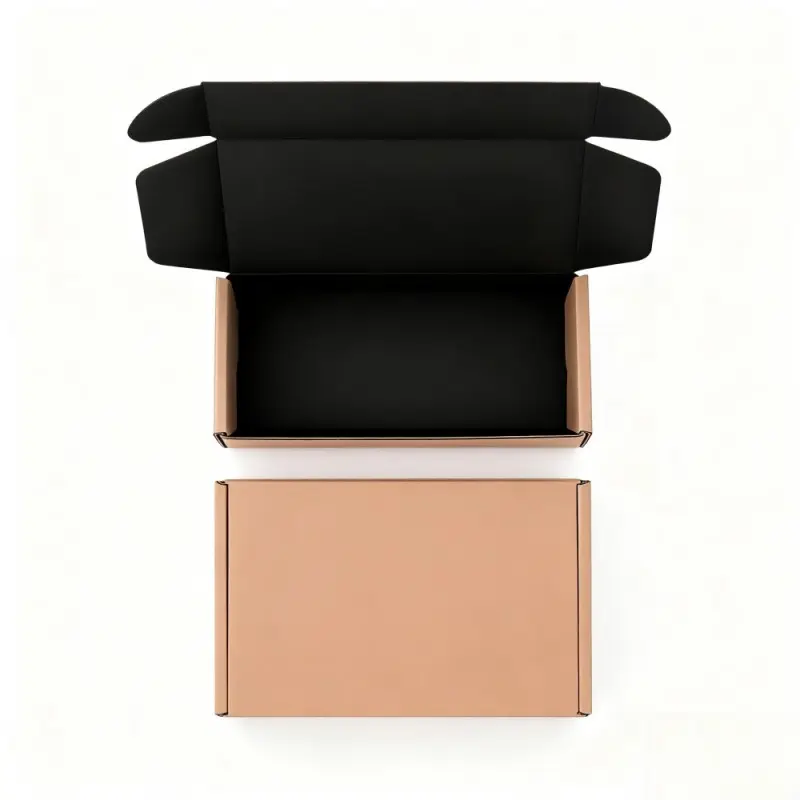
Selecting the right corrugated box for heavy products requires understanding multiple factors beyond basic appearance. A corrugated box serves as the critical protective barrier between your product and potential damage during storage, transport, and handling. When shipping heavy items, the stakes are higher because improper packaging can result in costly product loss, customer dissatisfaction, and damaged brand reputation. The choice of corrugated box directly impacts both your operational costs and customer experience. This guide will walk you through the essential considerations for choosing a corrugated box that truly fits your heavy product needs.
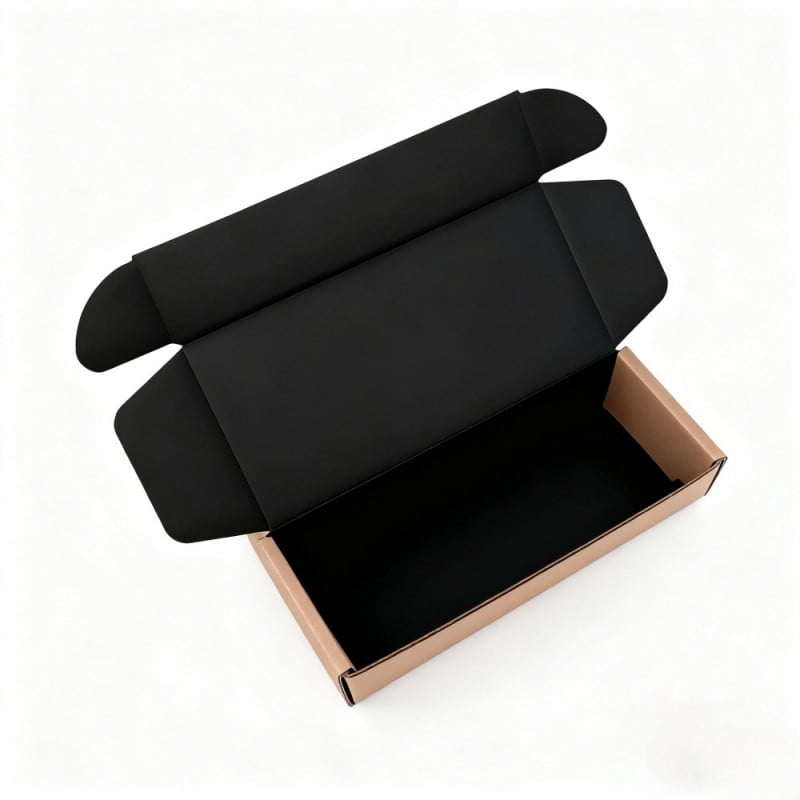
Heavy product packaging presents unique challenges that demand careful attention to corrugated box construction and specifications. Unlike lightweight items, heavy products place significant stress on the corrugated box throughout the distribution chain. Understanding the structure, materials, and testing standards of a corrugated box empowers you to make informed decisions that protect your investment and ensure customer satisfaction. Whether you manufacture industrial components, machinery parts, or other heavy items, the corrugated box you select must withstand compression, impact, and environmental stresses while remaining cost-effective for your business.
Understanding Corrugated Box Wall Types and Structures
Single Wall vs. Double Wall Corrugated Boxes
A corrugated box comes in different wall configurations, with the most common being single wall and double wall designs. Single wall corrugated boxes feature one layer of fluted medium sandwiched between two liners, making them lighter and more economical for moderate loads. However, single wall corrugated boxes lack the structural integrity needed for genuinely heavy products. Double wall corrugated boxes contain two layers of fluted medium between three liners, providing substantially greater crush resistance and puncture protection. For heavy products, a double wall corrugated box is typically the minimum recommendation, though triple wall options exist for exceptionally demanding applications. The wall type of your corrugated box directly determines its load-bearing capacity and long-term protection during transit.
Flute Profiles and Their Impact on Strength
The flute profile used in a corrugated box—such as A, B, C, E, or F flutes—affects both the box's crush strength and its cushioning properties. A flute corrugated boxes provide excellent cushioning but lower stacking strength. C flute corrugated boxes balance cushioning and strength, making them popular for general heavy product use. B flute corrugated boxes deliver superior crush resistance, ideal when products face significant vertical stacking. When selecting a corrugated box for heavy items, matching the flute profile to your specific handling conditions is essential. Heavier products typically benefit from B or C flute corrugated boxes because these profiles provide the strength-to-weight ratio needed for safe shipment without excessive box weight that increases shipping costs.
Evaluating Material Grade and Box Specifications
Kraft Paper Grade and Burst Strength Standards
The kraft paper used in your corrugated box determines its burst strength, which indicates how much pressure the corrugated box can withstand before rupturing. Burst strength is measured in pounds per square inch and directly correlates to the quality of the kraft liner. Heavy products demand a corrugated box constructed from higher-grade kraft paper, typically ranging from 42 to 48 pounds per ream for the liner. A corrugated box made with lower-grade paper will fail prematurely when subjected to the weight and pressure of heavy items. Checking the ECT—Edge Crush Test—rating of your corrugated box provides another critical measure of structural integrity. ECT ratings typically range from 23 to 48 pounds, with higher ECT ratings indicating superior stacking and crush strength. For heavy products, selecting a corrugated box with an ECT rating of 40 or higher ensures adequate protection during multiple handling events and extended storage periods.
Dimensions and Capacity Calculations
Accurate dimension selection is fundamental when choosing a corrugated box for heavy products. Your corrugated box must be large enough to accommodate the product while leaving appropriate cushioning space, typically one to two inches on all sides. However, oversizing a corrugated box wastes material and increases shipping costs, while undersizing compromises protection and can damage contents. Weight capacity calculations for a corrugated box depend on the wall type, flute profile, kraft grade, and intended use environment. Suppliers provide spec sheets for each corrugated box SKU that detail maximum recommended weights, stacking heights, and environmental conditions. When ordering a corrugated box for heavy products, verify that the stated capacity exceeds your product weight by at least twenty to thirty percent to account for handling variability and potential moisture absorption. A corrugated box specification sheet should clearly indicate whether the product is suitable for your specific heavy product application.
Practical Selection Factors for Heavy Product Packaging
Environmental Conditions and Moisture Resistance
Environmental exposure significantly affects corrugated box performance during storage and transport. A corrugated box exposed to high humidity or moisture can lose up to fifty percent of its crushing strength, a critical concern for heavy products. If your corrugated box will encounter damp warehouses, maritime shipping, or tropical climates, selecting a water-resistant corrugated box coating becomes essential. Wax-coated or water-resistant corrugated boxes maintain structural integrity in challenging environments. Even brief moisture exposure compromises an ordinary corrugated box, potentially leading to failure under heavy product weight. Climate-controlled storage and sealed shipping containers reduce environmental stress on your corrugated box, but high-quality construction remains the first line of defense. Heavy products shipped internationally or stored in variable humidity conditions require a corrugated box specifically engineered for moisture resistance to ensure consistent protection throughout the product lifecycle.
Cost Optimization Without Compromising Protection
Balancing cost and protection represents a key challenge when selecting a corrugated box for heavy products. Choosing the minimum specification corrugated box to reduce packaging expenses often backfires, resulting in damaged shipments, warranty claims, and customer dissatisfaction. However, over-specifying a corrugated box wastes resources and inflates packaging budgets unnecessarily. The optimal approach involves analyzing your specific requirements—product weight, dimensions, handling methods, and shipment distance—to identify the minimum corrugated box specification that meets your needs. Bulk purchasing a corrugated box in standard sizes reduces unit costs compared to custom options. Working with packaging partners to evaluate prototypes helps confirm that your selected corrugated box performs adequately under real-world conditions. An appropriately specified corrugated box represents smart investment that protects brand reputation while maintaining competitive shipping economics.
FAQ
What is the minimum wall thickness for a corrugated box shipping heavy products?
Double wall corrugated boxes are the standard minimum for heavy products, offering significantly greater protection than single wall. However, exceptionally heavy items—over one hundred pounds—may require triple wall corrugated boxes. Always verify your specific corrugated box specification against product weight and stacking requirements. Test samples under expected shipping conditions to confirm the corrugated box will perform adequately before full production rollout.
How do I determine the correct corrugated box dimensions for my product?
Measure your product dimensions and add at least one inch on each side for cushioning material. A corrugated box that is too small risks product damage, while oversized corrugated boxes waste material and shipping costs. Suppliers can recommend corrugated box sizes based on your specifications. It's wise to test your selected corrugated box with sample shipments before committing to large orders.
Can a corrugated box be used for outdoor storage of heavy products?
Standard corrugated box materials degrade rapidly in outdoor environments due to UV exposure and moisture. For outdoor storage, consider water-resistant or weatherproof corrugated boxes, though even these have limitations. Indoor climate-controlled storage remains the best practice for protecting heavy products packaged in corrugated boxes over extended periods.
