 EN

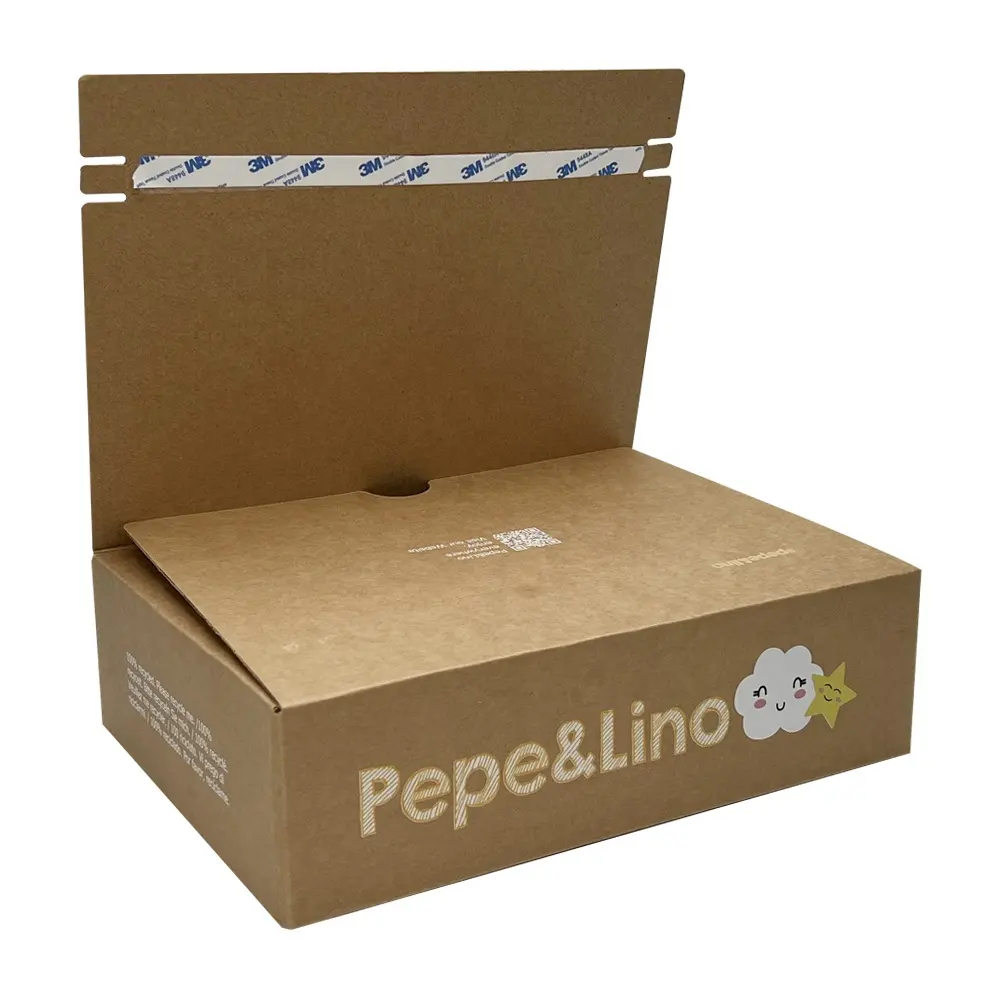
E-commerce businesses face a fundamental tension between protecting products during transit and managing packaging costs effectively. This balance is not a luxury but a necessity in today's competitive shipping landscape. When packaging costs spiral unchecked, profit margins erode; when protection is insufficient, returns and customer dissatisfaction follow. Understanding how to optimize packaging costs while maintaining product integrity is essential for any business shipping goods to customers. The key lies in recognizing that packaging costs and product safety are not opposing forces but interconnected elements that, when properly managed, strengthen your bottom line and enhance customer trust.
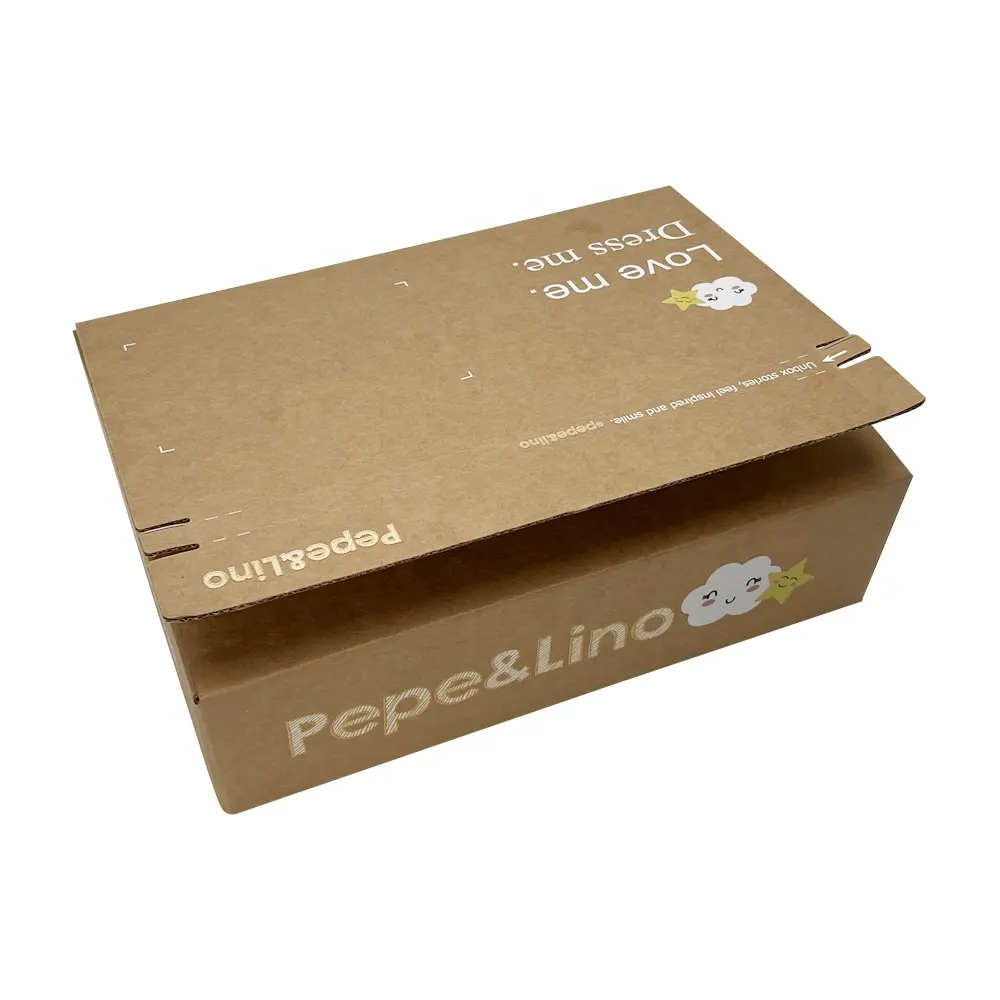
The challenge intensifies as shipping volumes increase and customer expectations rise. Retailers must ship products faster, farther, and more frequently while keeping packaging costs under control. This article explores proven strategies for balancing packaging costs with the protective requirements of e-commerce shipping, offering practical insights that apply across industries and product categories.
Understanding the True Impact of Packaging Costs
Why Packaging Costs Matter More Than Surface Numbers Suggest
Packaging costs extend beyond the price of materials alone. When evaluating packaging costs, businesses must consider labor costs for packing, storage space for packaging inventory, and disposal expenses. Inadequate protection leading to damaged goods creates hidden costs that far exceed the original packaging costs savings. A product protected by insufficient packaging may arrive damaged, triggering returns, refunds, and negative customer reviews that harm long-term revenue. Conversely, over-packaging inflates packaging costs unnecessarily and adds weight that increases shipping fees. The optimal approach recognizes that packaging costs are an investment in customer satisfaction and operational efficiency, not merely an expense to minimize.
The Hidden Connection Between Packaging Costs and Customer Retention
Customers who receive damaged products due to inadequate protection become less likely to purchase again, regardless of product quality or price. This loyalty loss represents a far greater cost than modest increases in packaging costs would incur. Studies consistently show that product damage during shipping is among the top reasons customers abandon retailers. Strategic packaging costs investment demonstrates professionalism and care, reinforcing brand reputation. By managing packaging costs intelligently rather than ruthlessly, businesses invest in repeat purchases, referrals, and positive online reviews that drive sustainable growth.
Strategic Approaches to Reducing Packaging Costs Without Compromising Protection
Right-Sizing Packaging to Match Product Specifications
One of the most effective ways to manage packaging costs is selecting appropriate box sizes and materials for each product type. Oversized boxes inflate packaging costs while requiring more filler material and increasing shipping weight. Undersized boxes elevate damage risk, undermining the purpose of packaging entirely. Conducting a materials audit helps identify which products genuinely require rigid corrugated boxes and which can ship safely in lighter mailers. Custom-sized packaging specifically designed for your product dimensions minimizes wasted space, reduces packaging costs, and lowers dimensional weight shipping charges. This precision approach often reveals that packaging costs can decrease while protection actually improves through better design.
Material Selection as a Packaging Costs Lever
Different products warrant different protective strategies, directly influencing packaging costs. Fragile items like electronics or glassware require robust cushioning and rigid exteriors, justifying higher packaging costs. Apparel and soft goods often need less protective infrastructure, allowing packaging costs to remain lower while still ensuring safe arrival. Recyclable and eco-friendly materials increasingly offer competitive pricing compared to traditional options, sometimes reducing packaging costs while appealing to environmentally conscious customers. Evaluating material performance data helps businesses invest packaging costs where protection matters most. Partnering with packaging suppliers who offer transparent material options enables informed decisions that balance packaging costs against genuine protective requirements.
Implementing Systems to Monitor and Control Packaging Costs
Data-Driven Decision Making to Optimize Packaging Costs
Tracking damage rates by product, packaging type, and shipment method reveals which packaging costs are justified investments and which represent waste. If damage rates remain low despite slightly reduced packaging costs, that reduction was appropriate. If damage rates spike when packaging costs decrease, the reduction was premature. This feedback loop allows businesses to systematically optimize packaging costs downward without crossing the threshold into inadequate protection. Many retailers implement scorecards tracking cost per unit shipped against damage rates, enabling granular packaging costs management. Historical data becomes the compass guiding packaging costs strategy, replacing guesswork with evidence.
Standardization to Achieve Packaging Costs Efficiency
Using standardized box sizes and packing methods reduces complexity and lowers packaging costs through bulk purchasing power and operational streamlining. Warehouses can maintain inventory more efficiently when packaging costs are concentrated in fewer SKUs. Staff trained on standard procedures pack faster and more consistently, reducing labor costs that factor into total packaging costs. Standardization also simplifies supplier negotiations, often resulting in better unit pricing that reduces packaging costs across the entire operation. When customers receive packages packed consistently with professional quality, packaging costs investment enhances brand perception, even if individual packaging costs per unit are modest.
The Role of Carrier Selection in Managing Packaging Costs
Shipping Method Influences Required Packaging Costs Investment
Different carriers handle packages with varying levels of care, affecting how much packaging costs protection you need to invest. Ground shipments typically experience more handling and may warrant higher packaging costs protection than expedited air shipments. Regional carriers may have different damage rates than national carriers, suggesting varying optimal packaging costs levels. Understanding carrier-specific risks helps businesses allocate packaging costs strategically. Negotiating carrier agreements can sometimes include guidance on packaging standards, helping businesses invest packaging costs effectively. Some carriers offer discounts for packages meeting specific packing standards, creating opportunities to reduce packaging costs while maintaining or improving protection.
International Shipping and Packaging Costs Considerations
International shipments travel longer distances and may face more aggressive handling, generally requiring higher packaging costs investment. However, international shipping often involves customs inspections where looser packaging can become problematic, affecting packaging costs strategy. Ocean freight introduces humidity and salt exposure concerns, increasing packaging costs needs for moisture protection. Air freight generally requires less robust packaging costs investment but carries higher base shipping costs, allowing businesses to sometimes spend more on packaging costs to reduce overall shipment weight. International logistics complexity means packaging costs decisions here deserve careful analysis rather than applying domestic standards uniformly.
FAQ
How can I know if my current packaging costs are too high or too low?
Monitor your damage rates carefully over time. If damage rates are consistently near zero even as you slightly reduce packaging costs, you likely had room to optimize. If damage rates suddenly spike when packaging costs decrease, you've found the minimum acceptable level. Industry benchmarks suggest most e-commerce operations should target damage rates below 1 to 2 percent, guiding packaging costs calibration. Surveying customers about their unboxing experience also provides valuable feedback on whether packaging costs investment is appropriate.
What packaging costs savings should I expect from standardization?
Standardization typically reduces packaging costs by 10 to 20 percent through improved supplier negotiations and operational efficiency. Labor savings from consistent packing procedures contribute additional cost reductions. The exact packaging costs savings depend on your current operation complexity and supplier relationships. Conservative estimates suggest that a well-executed standardization initiative reduces total packaging costs by at least 15 percent while maintaining or improving product protection and customer satisfaction metrics.
Should I invest in custom packaging to reduce packaging costs?
Custom packaging is usually justified when your shipping volumes are substantial and your product mix is relatively uniform. Custom-designed packaging specifically matching your products can reduce packaging costs by eliminating wasted space and material. However, the minimum order quantities for custom packaging may not suit lower-volume operations. Businesses shipping millions of units annually often find custom solutions reduce packaging costs significantly over time, while smaller operations may find standard boxes more cost-effective despite less optimization.
