 EN
EN

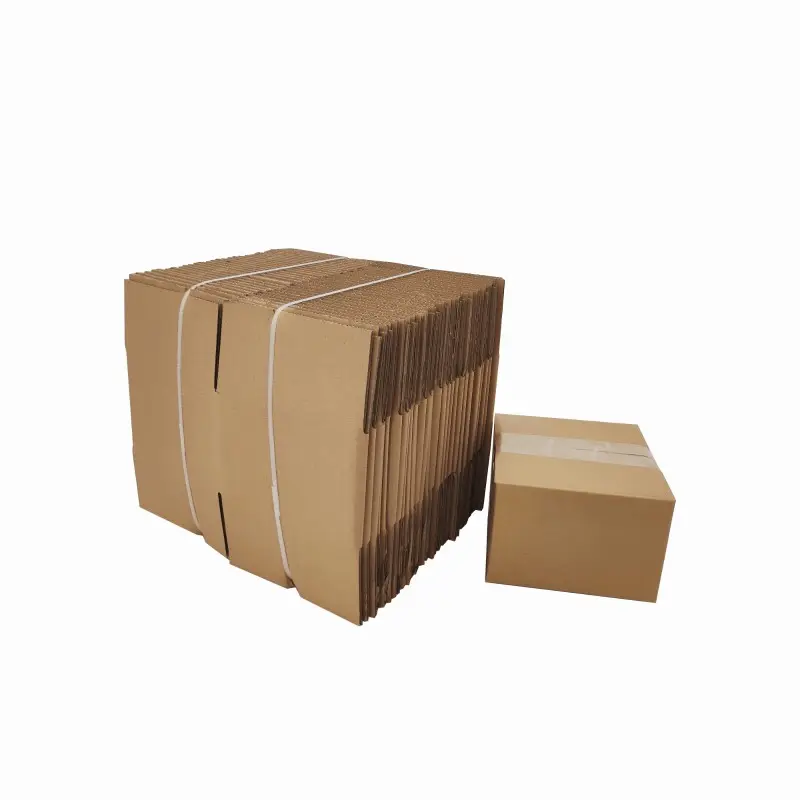
Comparing suppliers for packaging is not a price-check exercise; it is a risk, quality, and continuity decision that directly affects operations. In procurement, cardboard boxes influence freight efficiency, product protection, warehouse handling speed, and customer-facing presentation. A structured comparison process helps teams avoid hidden costs such as damage claims, rushed reorders, unstable lead times, and inconsistent print outcomes. To compare cardboard boxes suppliers effectively, you need a method that connects specification fit, commercial terms, production reliability, and long-term supply performance.
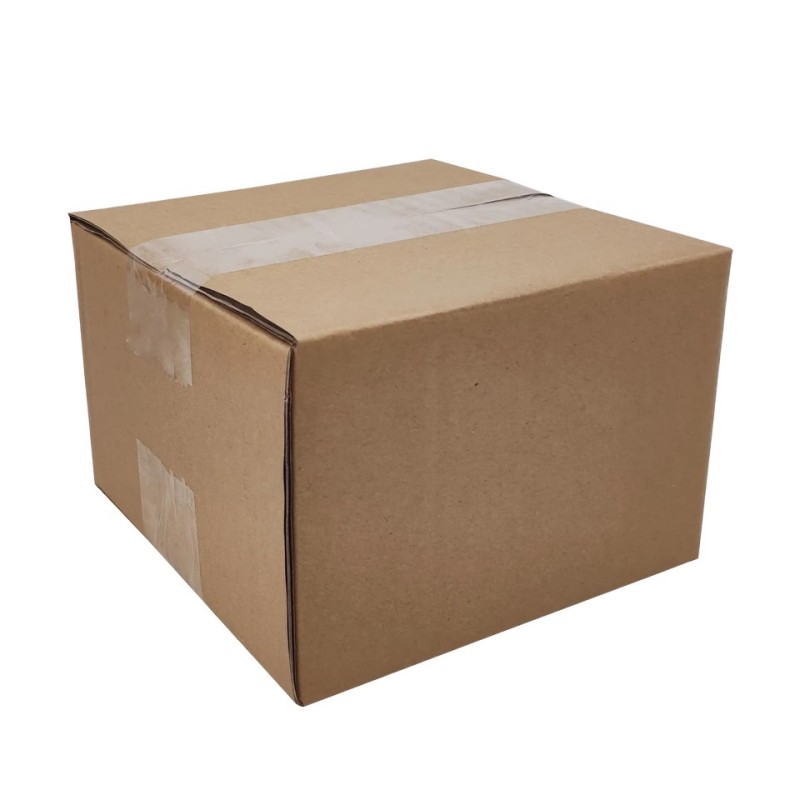
The practical approach is to define your technical baseline first, then evaluate each supplier against the same procurement scorecard. This keeps cardboard boxes comparisons objective across engineering, logistics, quality, and finance teams. When criteria are pre-agreed, discussions shift from opinions to measurable performance. The result is a faster decision with fewer surprises after onboarding.
Define a Procurement Baseline Before Contacting Suppliers
Convert packaging needs into measurable specifications
The first step is translating internal needs into technical language that suppliers can quote consistently. For cardboard boxes, this means documenting dimensions, board type, flute profile, bursting or edge crush expectations, load stacking limits, and moisture exposure conditions. Include whether cardboard boxes must support export transit, pallet compression, or shelf-ready display requirements. Clear technical inputs reduce quote variance caused by assumptions rather than real capability differences.
Your baseline should also define print requirements, color consistency tolerance, barcode readability, and artwork change frequency. If cardboard boxes carry regulatory marks or handling symbols, specify placement and durability expectations. Procurement teams that issue vague RFQs often receive attractive pricing that later changes after technical clarification. Strong front-end definition protects budget integrity and project timelines.
Set operational and commercial boundaries early
Beyond product specs, define operating constraints before supplier outreach. Clarify monthly and seasonal volumes, minimum acceptable lead times, delivery lot sizes, and inventory strategy for cardboard boxes. This helps identify whether a supplier can support your demand profile without overcommitting capacity or forcing high safety stock. It also reveals which partners can manage forecast volatility with stable service performance.
Commercially, establish your framework for payment terms, tooling ownership, sample approval process, and dispute handling. For cardboard boxes with custom print, confirm who bears plate update costs and how revisions are priced. If sustainability targets matter, request recycled content declarations and fiber traceability format in advance. Early alignment prevents late-stage negotiation friction and creates cleaner supplier comparisons.
Evaluate Technical Capability and Production Control
Verify material consistency and process stability
Not all cardboard boxes are built with the same process discipline, even when nominal specifications look identical. Ask each supplier how incoming paper is qualified, how board variability is controlled, and how converting parameters are monitored during production. Reliable cardboard boxes depend on stable glue application, cut accuracy, and compression integrity across batches. Process control maturity is often the difference between occasional success and repeatable performance.
Request sample sets from multiple production runs rather than a single showcase sample. Test cardboard boxes for crush resistance, seam strength, and dimensional consistency under real packing conditions. Where possible, run pilot quantities through your filling line and warehouse flow to confirm compatibility. A supplier that welcomes pilot validation usually has stronger confidence in process reliability.
Assess customization readiness for your use case
Procurement decisions should match current needs and near-term business changes. Check whether the supplier can adapt cardboard boxes quickly when SKUs shift, carton dimensions change, or branding updates are introduced. Flexibility in die management, prepress workflow, and changeover planning reduces disruption during product launches. Adaptable partners help procurement maintain continuity as commercial priorities evolve.
Also evaluate packaging engineering support, not just manufacturing output. Suppliers that can propose board optimization for cardboard boxes may lower freight costs and reduce damage simultaneously. Engineering collaboration is valuable when your target is total landed cost, not unit price alone. This capability becomes critical in multi-site procurement programs where standardization is needed across different pack formats.
Compare Total Cost of Ownership Instead of Unit Price Alone
Break cost into transparent procurement components
A low quote can hide expensive downstream impacts, so build a full cost model for cardboard boxes sourcing. Include base unit price, print setup, tooling amortization, freight mode, pallet utilization, warehousing effect, and expected defect-related loss. Different suppliers may position cardboard boxes differently across these cost lines, making direct unit comparisons misleading. Transparent cost decomposition enables fair apples-to-apples evaluation.
Include administrative and operational burden in your model. Frequent short shipments, inconsistent labeling, or repeated quality claims raise internal handling costs for cardboard boxes even if invoice pricing looks competitive. Procurement should estimate the management overhead tied to each supplier’s service pattern. This gives finance and operations a shared basis for final award decisions.
Model risk-adjusted economics over contract duration
Effective procurement includes a risk lens, especially for packaging that supports critical shipments. Estimate the cost impact of delays, stockouts, and quality escapes for cardboard boxes across the contract period. A slightly higher price with stronger reliability can produce lower total cost when disruption risk is included. Risk-adjusted evaluation supports more resilient sourcing outcomes.
Use scenario modeling for demand spikes, artwork updates, and raw material volatility. Check how each supplier prices cardboard boxes under surge volume or urgent lead time compression. Review escalation clauses and notice periods for price changes. Predictability in commercial behavior is a core part of long-term procurement value.
Validate Service Performance and Supply Continuity
Measure lead time discipline and communication quality
Service reliability determines whether cardboard boxes arrive when your operation needs them, not when production happens to finish. Ask for historical on-time delivery metrics, average delay duration, and root-cause reporting methods. Strong suppliers provide proactive communication windows and clear recovery plans when risks appear. Procurement teams should weight communication quality because response speed often limits disruption impact.
Define service-level expectations in measurable terms before onboarding. For cardboard boxes, this can include confirmed order acknowledgment time, dispatch notice timing, and nonconformance response deadlines. Written service commitments reduce ambiguity and improve accountability. This also simplifies quarterly performance review discussions.
Confirm continuity planning and dual-source readiness
Continuity planning separates transactional suppliers from strategic partners. Evaluate backup capacity, machine redundancy, and contingency material pathways supporting cardboard boxes production. Suppliers with documented business continuity practices can recover faster from equipment issues or upstream shortages. That resilience protects your outbound commitments and customer service stability.
For strategic categories, check how easily specifications can be mirrored by a secondary source. Standardized drawings, test protocols, and approval records make cardboard boxes dual-sourcing more realistic if demand expands or risk increases. Procurement benefits when primary and backup options are prepared before a disruption occurs. A continuity-ready setup strengthens negotiating position without sacrificing operational confidence.
Build a Decision Framework and Execute Supplier Selection
Use a weighted scorecard across cross-functional criteria
A disciplined decision model converts complex supplier data into a defensible selection result. Assign weights across technical compliance, quality stability, service reliability, total cost, and scalability for cardboard boxes. Cross-functional scoring by procurement, quality, logistics, and operations reduces bias from any single perspective. This method keeps final decisions aligned with business priorities rather than short-term quote pressure.
Document scoring evidence for each criterion, including trial outcomes and commercial clarifications. When stakeholders can trace why one supplier scored higher for cardboard boxes, approvals move faster and implementation risk drops. A transparent framework also improves future sourcing cycles because lessons are captured structurally. Consistency in evaluation creates institutional procurement strength over time.
Run a controlled trial and finalize contract safeguards
Before full rollout, place a controlled pilot order with the leading candidate and monitor performance through receiving, packing, and distribution. This practical checkpoint confirms whether cardboard boxes meet real operational conditions beyond lab-style tests. Include defect logging, fit validation, and handling feedback from line operators. Pilot evidence strengthens confidence before larger volume commitment.
When finalizing terms, define quality acceptance criteria, corrective action timelines, and change-control rules for cardboard boxes. Ensure pricing mechanics, review intervals, and forecast responsibilities are explicit in contract language. For teams needing custom printed transit packaging, one practical reference point is cardboard boxes specifications that illustrate how technical scope and customization details can be aligned early. Strong contract architecture turns supplier selection into predictable long-term execution.
FAQ
What is the biggest mistake when comparing cardboard boxes suppliers?
The most common mistake is choosing based mainly on unit price while ignoring service reliability and quality consistency. Cardboard boxes that fail in transit or arrive late create costs far beyond purchase price. A balanced scorecard that includes technical fit, total cost, and continuity risk gives better procurement outcomes. Price matters, but price without performance context is incomplete.
How many suppliers should be evaluated in a cardboard boxes RFQ?
In most B2B procurement cases, three to five qualified suppliers provide enough range for meaningful comparison without creating evaluation overload. This range usually reveals differences in cardboard boxes capability, lead-time discipline, and cost structure clearly. Too few options reduce leverage, while too many slow decision speed and stakeholder alignment. Quality of shortlisted candidates matters more than quantity.
How long should a trial period be before awarding larger cardboard boxes volume?
A useful trial often runs long enough to cover at least one normal cycle and one variable condition such as volume fluctuation or artwork revision. For cardboard boxes, this helps verify repeatability rather than one-time success. Many teams use a pilot spanning several deliveries so receiving, packing, and transit feedback can be reviewed together. The right duration is the shortest period that still captures real operating variability.
Can procurement standardize cardboard boxes across multiple product lines?
Yes, standardization is possible when products share similar protection needs, pallet logic, and handling requirements. Standardized cardboard boxes can simplify inventory, improve buying leverage, and reduce tooling complexity. The key is validating that standardized specs do not increase damage risk for sensitive SKUs. A staged rollout with measured performance checks is the safest implementation path.
