 EN
EN

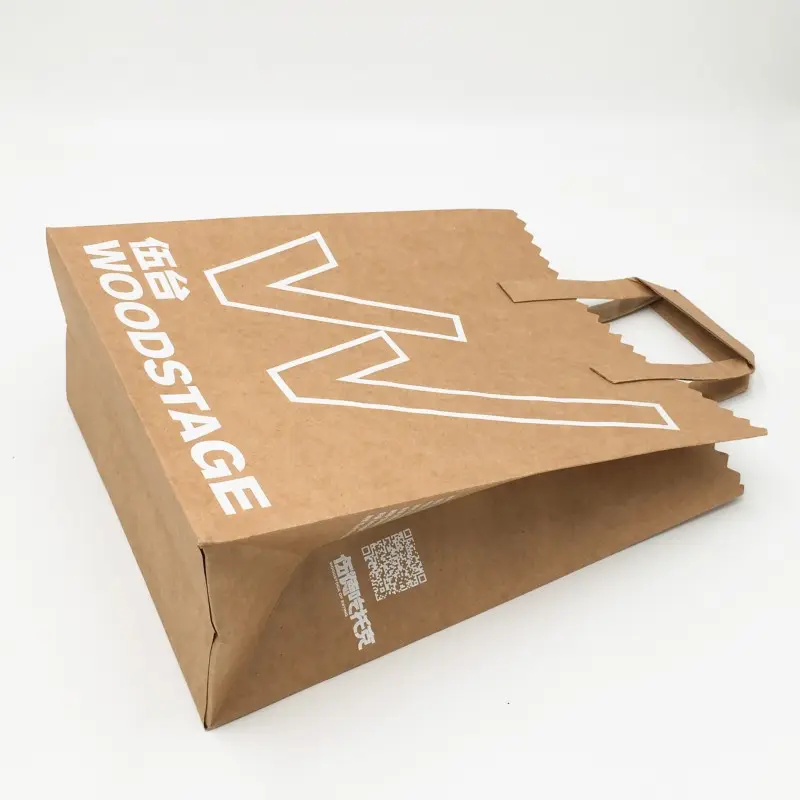
For high-volume commercial packaging, the paper bags that fit most cleanly are the ones that load quickly, stack neatly, and stay consistent across long runs. In practice, that usually means kraft paper bags with a reinforced base, a stable gusset, and a size that matches the fill weight without stretching the seam. When paper bags are chosen around throughput instead of appearance alone, they reduce damage, slowdowns, and rework. That is the real selection test for busy operations.

The wrong paper bags force operators to overfill, double-handle, or reject units that should have moved through the line. The right paper bags support the pace of a commercial workflow, whether the job involves retail handoff, food service, samples, or bulk distribution. Selection should start with load profile, closure method, storage space, and print requirements, then narrow to the paper bags that hold shape under repeated handling. For many programs, the question is not whether paper bags can work, but which paper bags can work reliably at volume.
Capacity and Throughput Considerations
Why volume changes the bag specification
Volume changes the specification because the bag is no longer a simple container; it becomes part of the workflow. Paper bags used in busy packing lines need predictable opening behavior, a stable mouth, and a footprint that fits standard shelving or conveyor spacing. If the bag opens slowly or collapses after filling, the whole station loses time. That is why paper bags for commercial runs are judged by handling behavior as much as by size.
An oversized format may look safe, but it can waste material and create awkward fills. Undersized paper bags do the opposite and force compression that weakens the seam or distorts the print panel. The right fit is the one that leaves enough room for the product, seals cleanly, and still stacks with the rest of the paper bags in inventory. In a large order, consistency is usually more valuable than extra capacity.
Size stability across repeated fills
Size stability matters because repeated fills expose small design flaws very quickly. Paper bags with a well-balanced gusset and a square base keep their shape from the first unit to the last, which helps operators maintain the same packing motion all day. That consistency matters when labor is shared across shifts. It also matters when paper bags are used in stores that expect a predictable handoff.
Pilot runs should test more than nominal dimensions. They should test how paper bags stand after filling, whether the top edge remains easy to fold or handle, and whether the stack height stays manageable in storage. A bag that passes on paper but fails in the aisle will create hidden cost later. The right paper bags reveal their value in handling, not just in specification sheets.
Material and Construction Choices
Kraft weight and tear resistance
Kraft stock is often the starting point because it balances strength, printability, and procurement practicality. For many paper bags, kraft fiber structure gives better resistance to tearing than a lighter decorative sheet, while still supporting a clean printed surface. That matters when large runs need both durability and a neat presentation. In a busy environment, paper bags must survive transit, handoffs, and shelf movement without looking worn too early.
Thickness should match the load, not the logo. If the contents have sharp corners, uneven weight, or repeated hand contact, lighter paper bags can crease at the fold line or bruise at the base. A slightly heavier construction may use more material, but it usually reduces rejects and field damage. The right paper bags are the ones that protect the product without making the pack station fight the material.
Gussets, bottoms, handles, and closures
Gusset depth and bottom geometry determine whether the bag sits flat, opens fast, and carries its load with balance. Square-bottom paper bags are often preferred when stability matters, while narrower forms can suit lighter items or tighter storage. Handles also change the equation, because flat handles, twisted handles, and no-handle formats all affect speed at checkout or packing. When the handling method is wrong, paper bags slow the line instead of supporting it.
Closures deserve the same attention. Some paper bags need a simple fold, some need a seal, and some need a top that stays open long enough for accurate filling. If the closure adds friction, the operator will feel it on every unit. In a large program, that small delay multiplies quickly across every carton of paper bags.
Operational Fit in Commercial Workflows
Filling speed and stacking behavior
High-volume packing is built on repeatable motions, so nesting and stacking matter more than many buyers expect. Paper bags should separate cleanly, open without sticking, and travel well from carton to bench or shelf. If the packer has to shake, pry, or re-square the bag, the speed target will slip. Well-designed paper bags keep the motion smooth and predictable.
Warehouse teams also need cartons that store neatly and maintain shape under compression. Paper bags with good nesting behavior take up less room, reduce bin clutter, and make replenishment easier during rush periods. That is especially useful when the same paper bags are used across multiple sites or shifts. Operational fit is not only about the final customer; it begins in the storage area.
Printing, labeling, and compliance needs
Print quality can be a deciding factor when paper bags are part of brand presentation, SKU identification, or campaign fulfillment. For repeat campaigns, a printable format such as paper bags can keep the message consistent without slowing packing. The surface should accept clear graphics, legible codes, and clean placement at scale. When the print panel is planned well, paper bags do double duty as packaging and communication.
Compliance and traceability matter in regulated or audited environments. Paper bags may need batch marks, sorting cues, food-contact language, or handling instructions that survive transport and shelf life. Even when the rules are simple, clarity reduces mistakes at scale. The more paper bags move through the chain, the more important it becomes that every mark stays readable.
Choosing by Use Case
Retail, food service, and takeout
Retail counters and food-service desks often need paper bags that open fast, look clean, and support a steady handoff. In these settings, paper bags with a stable base and a predictable mouth are easier for staff to grab and fill without hesitation. They work well when the product load is dry to moderately heavy and the customer sees the bag immediately. Presentation matters, but speed still leads the decision.
If the contents are greasy, warm, or irregularly shaped, the paper bags may need a stronger base, a liner, or a tighter closure strategy. That does not mean paper bags are a poor fit; it means the specification has to match the environment. The goal is to avoid softening, sagging, or early wear during the handoff. Paper bags that hold up in the first minute usually hold up through the customer journey.
Distribution, promotions, and bulk handouts
Promotions, samples, and literature packs create a different kind of volume problem. The job is not just to move many units; it is to keep each unit visually consistent while the packout team moves quickly. Paper bags fit this work when the size is disciplined, the print stays sharp, and the carton packs efficiently. That balance supports both brand control and labor efficiency.
Distribution teams should also think about storage turnover and seasonal swings. Paper bags that nest well, store flat, and survive repeated handling are easier to deploy across temporary campaigns or branch networks. When the same paper bags must be counted, moved, and issued in bulk, a simple and stable design usually performs better than a complex one. Volume favors repetition over novelty.
FAQ
Which paper bags work most reliably for heavier products?
Heavier products usually call for kraft paper bags with a reinforced bottom, a balanced gusset, and enough gauge to resist seam stress. The most reliable paper bags for that job do not rely on appearance; they rely on shape retention and load control. If the product has edges or uneven weight, the bag should be tested with real fill conditions, not just nominal dimensions. That is how paper bags avoid stretching, splitting, or tipping in transit.
Are handles necessary for high-volume use?
Not always. Handle-free paper bags can be faster at the pack station, while handled paper bags make sense when customers carry the bag a longer distance or when staff need a faster handoff. The decision should follow the use case, not habit. In many programs, the most efficient paper bags are the ones with the simplest closure and the fewest extra steps.
Can printed paper bags still perform at scale?
Yes, when the print layout leaves enough structure in the body of the bag and the production run stays consistent. Printed paper bags are most effective when branding, product codes, and handling cues are planned together. A clean print surface can support identification without slowing the line. The key is to keep paper bags functional first and decorative second.
When should standard paper bags be replaced with a different specification?
A new specification is worth considering when the load becomes wetter, sharper, heavier, or more variable than the current paper bags can handle. It is also worth changing when the pack station is losing time to poor opening behavior, weak stacking, or inconsistent finishes. If the paper bags create rework, they are no longer the right fit. The right change is the one that protects speed and reduces waste.
