 EN
EN

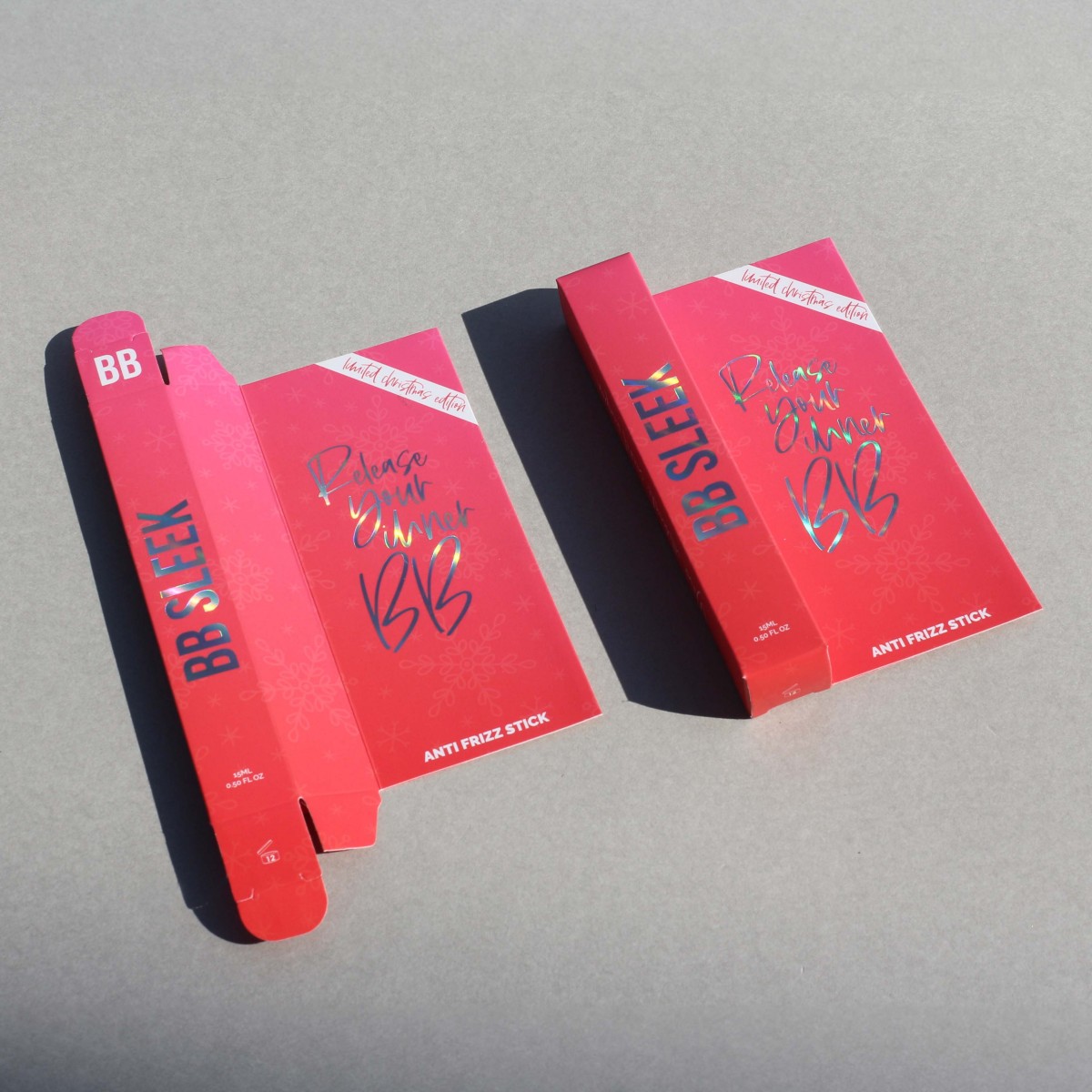
Selecting the right folding carton manufacturer can significantly impact your product's market success, brand perception, and bottom line. With countless packaging suppliers worldwide offering similar services, identifying a truly reliable partner requires careful evaluation of multiple factors including production capabilities, quality standards, and long-term partnership potential. The decision extends beyond basic cost considerations to encompass technical expertise, sustainability practices, and the ability to scale with your business growth.

Essential Criteria for Evaluating Manufacturing Partners
Production Capacity and Technology Assessment
A reliable folding carton manufacturer must demonstrate sufficient production capacity to meet your current and future demands without compromising quality or delivery schedules. Modern manufacturing facilities should feature state-of-the-art printing equipment, precision die-cutting machinery, and automated folding systems that ensure consistent output quality. Advanced manufacturers invest in digital printing capabilities alongside traditional offset printing to accommodate both large-volume orders and smaller custom runs with equal efficiency.
Technology integration extends beyond basic production equipment to include quality control systems, inventory management software, and real-time production monitoring capabilities. Leading manufacturers utilize computerized color matching systems, automated inspection technologies, and statistical process control methods to maintain consistent quality standards across all production runs. These technological investments directly translate to reduced waste, faster turnaround times, and more predictable delivery schedules for your packaging requirements.
Quality Certification and Standards Compliance
Industry certifications serve as reliable indicators of a manufacturer's commitment to quality and regulatory compliance. Look for facilities that maintain ISO 9001 quality management certification, which demonstrates adherence to internationally recognized quality standards and continuous improvement processes. Food-grade packaging applications require additional certifications such as BRC packaging certification or FDA compliance documentation to ensure product safety and regulatory acceptance.
Environmental certifications have become increasingly important as brands prioritize sustainability in their packaging choices. FSC chain-of-custody certification ensures responsible forest management practices, while SFI certification provides alternative sustainable sourcing verification. Many manufacturers also pursue ISO 14001 environmental management certification to demonstrate their commitment to minimizing environmental impact throughout their operations.
Technical Capabilities and Design Support
Structural Design Expertise
Professional packaging manufacturers should offer comprehensive design support services that extend beyond basic production capabilities. Experienced design teams understand the relationship between carton structure, product protection, shelf appeal, and manufacturing efficiency. They can optimize your packaging design for both visual impact and cost-effective production while ensuring adequate product protection during distribution and storage.
Structural engineering capabilities become particularly important for complex packaging requirements such as tamper-evident closures, display-ready packaging, or specialized product containment systems. The best manufacturers provide prototyping services, drop testing, and compression testing to validate design performance before full production begins. This upfront investment in design validation prevents costly production issues and ensures your packaging performs reliably throughout the supply chain.
Printing and Finishing Options
Comprehensive printing capabilities allow manufacturers to accommodate diverse branding requirements and premium packaging applications. Modern facilities should offer multiple printing technologies including offset lithography, digital printing, and flexographic printing to optimize quality and cost for different order volumes and complexity levels. Advanced color management systems ensure consistent color reproduction across multiple production runs and different substrates.
Premium finishing options such as spot UV coating, embossing, debossing, foil stamping, and soft-touch coatings can significantly enhance packaging appeal and perceived value. Reliable manufacturers maintain relationships with specialized finishing suppliers or invest in in-house finishing capabilities to provide complete packaging solutions without compromising quality or delivery schedules. The ability to combine multiple finishing techniques creates unique packaging experiences that differentiate your products in competitive markets.
Supply Chain Management and Logistics
Material Sourcing and Inventory Management
Effective supply chain management begins with strategic material sourcing and inventory planning. Established manufacturers maintain relationships with multiple substrate suppliers to ensure consistent material availability and competitive pricing. They should demonstrate the ability to source specialized materials such as recycled content paperboard, barrier-coated substrates, or premium uncoated stocks based on your specific packaging requirements.
Inventory management capabilities become crucial for brands requiring consistent packaging availability without excessive working capital investment. Leading manufacturers offer inventory management programs that balance material costs, storage expenses, and delivery flexibility. These programs often include demand forecasting, safety stock management, and scheduled delivery options that align with your production schedules and cash flow requirements.
When evaluating potential partners, consider working with a folding carton manufacturer that demonstrates proven expertise in managing complex supply chains and maintaining consistent material quality across multiple production facilities. This capability ensures reliable packaging availability regardless of market fluctuations or supply chain disruptions that increasingly affect global manufacturing operations.
Distribution and Delivery Capabilities
Geographic proximity to your production facilities can significantly impact transportation costs and delivery flexibility, but should not be the sole determining factor in manufacturer selection. Many successful partnerships involve manufacturers located considerable distances from end users, provided they offer reliable logistics services and competitive total cost structures. Evaluate potential partners based on their ability to provide flexible delivery options including just-in-time delivery, consolidated shipments, and emergency order accommodation.
Distribution capabilities should extend beyond basic freight services to include packaging optimization, damage prevention measures, and inventory tracking systems. Professional manufacturers utilize appropriate packaging methods for carton protection during shipment, implement quality inspection procedures before shipping, and provide detailed shipment tracking information to facilitate receiving and inventory management at your facilities.
Financial Stability and Partnership Potential
Cost Structure Transparency
Understanding the complete cost structure helps evaluate long-term partnership viability and budget planning accuracy. Reliable manufacturers provide detailed cost breakdowns that separate material costs, production charges, tooling expenses, and delivery costs to enable informed decision-making. They should also explain how volume commitments, payment terms, and order timing affect overall pricing structures.
Value engineering opportunities often emerge through collaborative cost optimization efforts that benefit both parties. Experienced manufacturers can suggest design modifications, material substitutions, or production process improvements that reduce costs without compromising functionality or appearance. These collaborative approaches create mutual benefit and demonstrate the manufacturer's commitment to long-term partnership success rather than transactional relationships.
Communication and Customer Service
Effective communication systems enable smooth project management and rapid problem resolution throughout the manufacturing relationship. Evaluate potential partners based on their responsiveness to inquiries, clarity of technical communication, and availability of dedicated account management resources. Professional manufacturers assign specific account representatives who understand your business requirements and can coordinate internal resources effectively.
Customer service capabilities should include proactive project status updates, quality issue notification procedures, and flexible problem resolution approaches. The best manufacturing partners anticipate potential issues and communicate proactively rather than waiting for problems to impact delivery schedules or quality standards. This proactive approach demonstrates operational maturity and customer-focused business practices that support successful long-term partnerships.
Sustainability and Environmental Responsibility
Environmental Impact Reduction
Modern consumers increasingly expect brands to demonstrate environmental responsibility through sustainable packaging choices. Reliable folding carton manufacturers should offer comprehensive sustainability programs that address material sourcing, production efficiency, waste reduction, and end-of-life packaging considerations. These programs should include specific metrics and reporting capabilities that support your sustainability communications and corporate responsibility initiatives.
Sustainable material options continue expanding as recycling infrastructure improves and new substrate technologies emerge. Leading manufacturers maintain current knowledge of sustainable packaging innovations including post-consumer recycled content materials, bio-based coatings, and compostable substrate options. They should provide guidance on material selection that balances environmental impact with functional performance requirements and cost considerations.
Circular Economy Integration
Forward-thinking manufacturers actively participate in circular economy initiatives that minimize waste and maximize material utilization throughout the packaging lifecycle. This includes designing packaging for recyclability, utilizing recycled content materials, and implementing production processes that minimize waste generation. Some manufacturers also offer take-back programs or partnerships with recycling organizations that facilitate proper end-of-life material handling.
Energy efficiency improvements and renewable energy utilization demonstrate long-term environmental commitment and often translate to more stable operating costs over time. Manufacturers investing in solar installations, energy-efficient equipment, and process optimization technologies position themselves for sustainable growth while supporting their customers' environmental objectives. These investments also indicate financial stability and forward-thinking management approaches that benefit long-term partnerships.
FAQ
What minimum order quantities should I expect from folding carton manufacturers?
Minimum order quantities vary significantly based on packaging complexity, printing requirements, and manufacturer capabilities. Digital printing technologies enable smaller minimum orders, often as low as 500-1,000 pieces for simple designs, while offset printing typically requires 5,000-10,000 piece minimums for cost-effective production. Complex structural designs or specialized finishing requirements may necessitate larger minimum orders to justify tooling and setup costs. Discuss your volume requirements early in the evaluation process to ensure alignment with manufacturer capabilities and cost expectations.
How long does typical folding carton production take from order to delivery?
Standard production timelines range from 2-4 weeks for established designs with approved artwork and readily available materials. New designs requiring structural development, prototyping, or custom tooling may extend timelines to 6-8 weeks or longer depending on complexity. Factors affecting production schedules include artwork approval processes, material availability, production queue status, and finishing requirements. Establish clear timeline expectations during the quoting process and maintain buffer time in your planning to accommodate potential delays.
What information should I provide when requesting folding carton quotes?
Comprehensive quote requests should include product dimensions and weight, expected annual volume ranges, preferred material specifications, printing requirements including color count and finishing options, delivery location and timing preferences, and any special performance requirements such as moisture resistance or tamper evidence. Providing artwork files or reference samples helps manufacturers understand design complexity and finishing requirements. Include information about volume growth expectations and potential design variations to enable more accurate long-term cost projections.
How can I verify a manufacturer's quality and reliability before committing to a partnership?
Request and contact multiple customer references, particularly those with similar packaging requirements or industry applications. Arrange facility tours to observe production capabilities, quality control processes, and organizational systems firsthand. Request samples of similar packaging projects to evaluate print quality, structural integrity, and finishing execution. Review certifications and audit reports to verify compliance with relevant industry standards. Consider starting with smaller orders or prototype projects to evaluate performance before committing to larger volume partnerships. Many reliable manufacturers welcome these evaluation approaches as they demonstrate their capabilities and build customer confidence.
Table of Contents
- Essential Criteria for Evaluating Manufacturing Partners
- Technical Capabilities and Design Support
- Supply Chain Management and Logistics
- Financial Stability and Partnership Potential
- Sustainability and Environmental Responsibility
-
FAQ
- What minimum order quantities should I expect from folding carton manufacturers?
- How long does typical folding carton production take from order to delivery?
- What information should I provide when requesting folding carton quotes?
- How can I verify a manufacturer's quality and reliability before committing to a partnership?
