 EN
EN

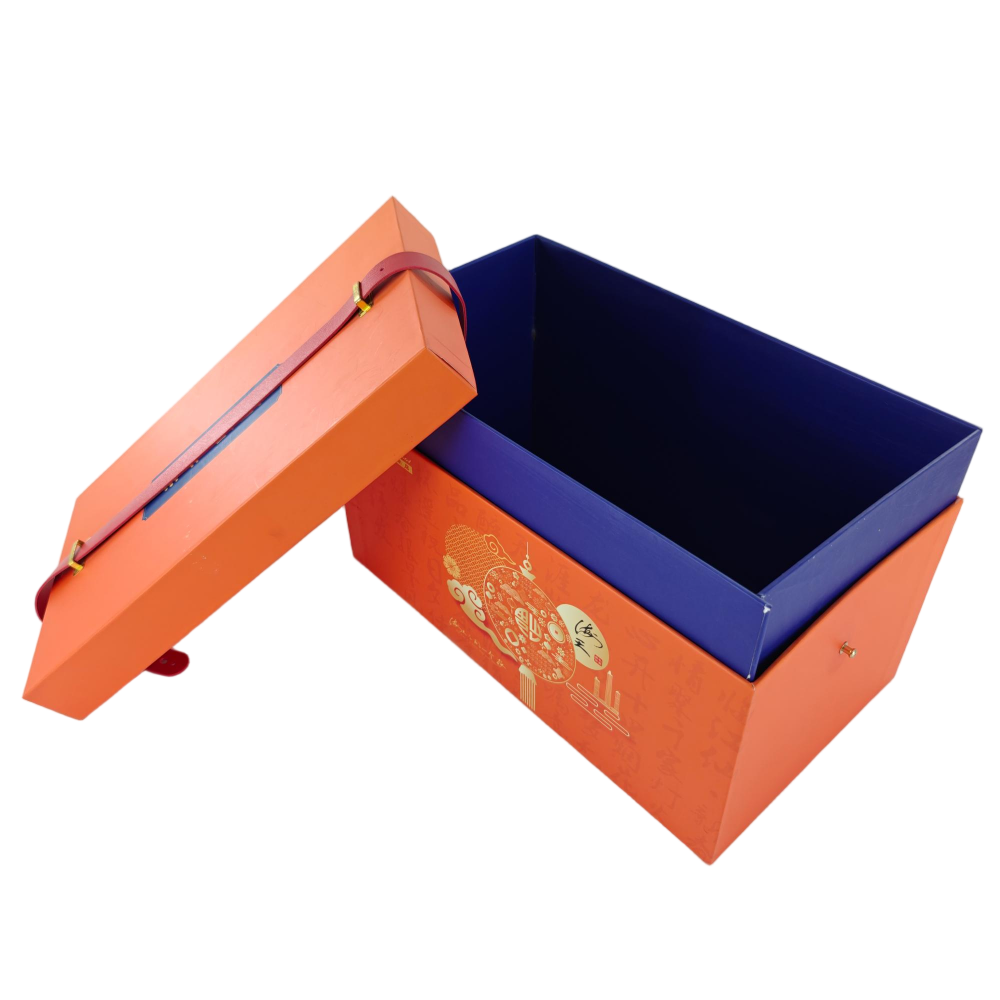
Modern shipping and logistics operations depend heavily on the strategic selection and optimization of packaging materials, with paper boxes serving as the backbone of most commercial shipping activities. The efficiency of your logistics chain directly correlates with how well your packaging performs during transit, storage, and handling processes. Understanding the intricate relationship between box design, material properties, and shipping requirements enables businesses to significantly reduce costs while improving customer satisfaction through better product protection.
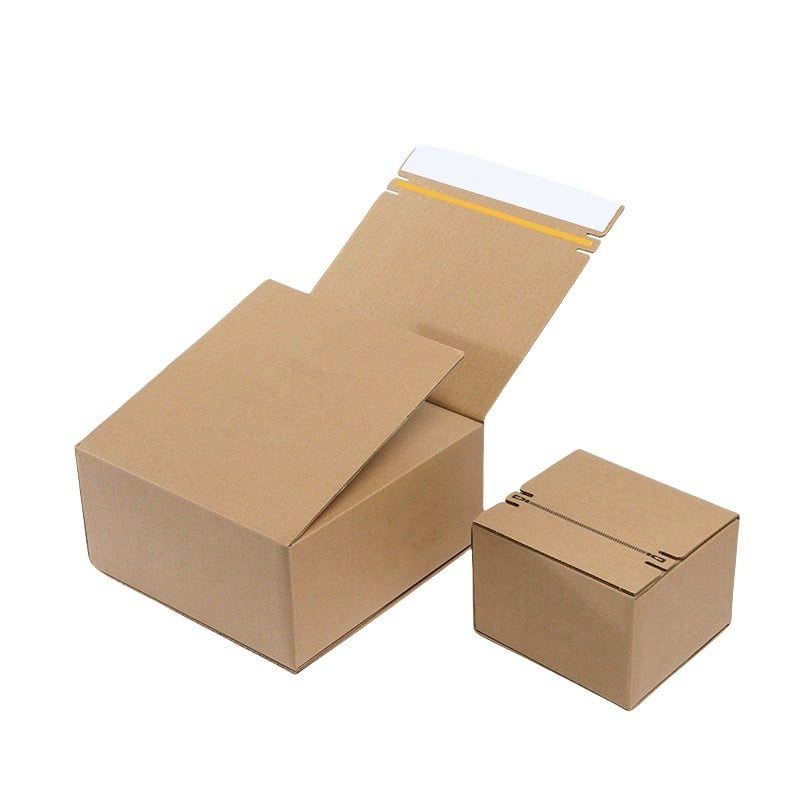
The optimization process involves multiple factors that work synergistically to create an efficient packaging solution. From material selection to dimensional accuracy, every aspect of paper boxes must be carefully considered to achieve optimal shipping performance. Companies that master these optimization techniques often experience reduced shipping costs, fewer damaged products, and improved operational efficiency throughout their supply chain networks.
Understanding Paper Box Construction and Material Properties
Corrugated Cardboard Structure and Strength Characteristics
The foundation of effective paper boxes lies in understanding corrugated cardboard construction, which consists of multiple layers working together to provide structural integrity. The outer liner, inner liner, and corrugated medium create a lightweight yet strong structure that can withstand various shipping stresses. Different flute profiles, ranging from A-flute to F-flute, offer varying combinations of strength, cushioning, and printability characteristics that directly impact shipping efficiency.
Edge crush strength and burst strength represent two critical measurements that determine how well paper boxes perform under compression and impact forces during shipping. These properties must be carefully matched to the specific requirements of your products and shipping methods. Higher-quality corrugated materials may cost more initially but often provide superior protection and reduce overall logistics costs through decreased damage rates and improved stackability.
Material Grade Selection for Different Shipping Applications
Selecting the appropriate material grade requires careful analysis of your shipping environment, product characteristics, and cost constraints. Single-wall corrugated paper boxes work well for lightweight items and short-distance shipping, while double-wall and triple-wall constructions provide enhanced protection for heavier products or longer transit times. The choice between different kraft paper grades and recycled content levels affects both performance and environmental impact.
Temperature and humidity resistance become crucial factors when shipping through diverse climatic conditions or storing products in various warehouse environments. Specialized treatments and coatings can enhance the moisture resistance of paper boxes, preventing structural weakening and maintaining product integrity throughout the logistics chain. Understanding these material properties helps optimize both protection and cost-effectiveness in your packaging strategy.
Dimensional Optimization and Space Utilization
Right-Sizing Strategies for Maximum Efficiency
Proper dimensional optimization of paper boxes significantly impacts shipping costs through improved space utilization and reduced dimensional weight charges. The principle of right-sizing involves creating packaging that provides adequate protection while minimizing excess space and material usage. This approach requires detailed analysis of product dimensions, fragility requirements, and typical shipping methods to determine optimal box sizes.
Custom-sized paper boxes often provide better efficiency than standard sizes, particularly for unique product shapes or high-volume shipments. While custom sizing may involve higher initial tooling costs, the long-term savings through reduced shipping charges and improved product protection often justify the investment. Automated packaging systems can further enhance efficiency by consistently producing optimally-sized boxes for each shipment.
Modular Design Principles for Versatile Applications
Implementing modular design principles in paper boxes creates versatile packaging solutions that can accommodate various product configurations while maintaining shipping efficiency. Adjustable dividers, removable sections, and convertible designs allow single box styles to serve multiple purposes, reducing inventory complexity and improving warehouse efficiency. These design elements must be carefully engineered to maintain structural integrity while providing flexibility.
Standardization of box dimensions across product lines enables better palletization and container loading efficiency. When paper boxes conform to standard shipping module dimensions, they maximize space utilization in trucks, containers, and warehouse storage areas. This systematic approach to dimensional planning creates cascading efficiency improvements throughout the entire logistics network.
Structural Design Features for Enhanced Protection
Corner Reinforcement and Edge Protection Systems
Strategic reinforcement of corners and edges in paper boxes prevents structural failure during handling and stacking operations. Corner posts, edge protectors, and reinforced joints distribute stress loads more effectively, reducing the risk of box failure and product damage. These structural enhancements must be balanced against weight and cost considerations to maintain overall efficiency.
Advanced folding techniques and locking mechanisms create stronger closures without requiring additional materials or adhesives. Self-locking bottom designs, crash-lock constructions, and interlocking flaps provide reliable closure while speeding up packaging operations. These design features reduce both labor costs and the risk of package failure during transit, contributing to overall logistics efficiency.
Internal Cushioning Integration and Product Stabilization
Integrating cushioning elements directly into paper boxes eliminates the need for separate protective materials while maintaining product stability during shipping. Die-cut inserts, folded dividers, and molded pulp components can be incorporated into box designs to create custom-fit protection for specific products. This integrated approach reduces packaging complexity and improves unpacking efficiency for end customers.
Product stabilization systems prevent movement within paper boxes during transit, reducing damage rates and maintaining product presentation quality. Friction-enhancing surfaces, strategic void-fill placement, and compression-fit designs work together to secure products without excessive packaging materials. Effective stabilization systems must account for various shipping orientations and handling conditions.
Manufacturing Process Optimization
Production Efficiency and Quality Control Measures
Optimizing the manufacturing process for paper boxes involves implementing lean production principles and advanced quality control systems. Automated cutting, folding, and gluing processes improve consistency while reducing production time and labor costs. Digital printing capabilities enable shorter run lengths and customization options without sacrificing efficiency or increasing setup times significantly.
Statistical process control methods help maintain consistent quality standards in paper boxes production, reducing variations that could affect shipping performance. Regular testing of material properties, dimensional accuracy, and structural integrity ensures that boxes meet specified performance criteria. Implementing feedback loops between production and logistics teams helps identify optimization opportunities based on real-world performance data.
Sustainability Integration and Environmental Considerations
Sustainable manufacturing practices for paper boxes align environmental responsibility with operational efficiency. Using recycled materials, optimizing material usage, and designing for recyclability reduce environmental impact while often providing cost benefits. Water-based inks, biodegradable adhesives, and minimal coating applications support sustainability goals without compromising packaging performance.
Life cycle assessment considerations help optimize paper boxes for overall environmental efficiency, including manufacturing energy consumption, transportation impacts, and end-of-life disposal. Lightweight designs reduce transportation fuel consumption, while recyclable materials support circular economy principles. Balancing these environmental factors with performance requirements creates packaging solutions that serve both business and sustainability objectives.
Technology Integration and Smart Packaging Solutions
Digital Printing and Variable Data Capabilities
Advanced digital printing technologies enable paper boxes to incorporate variable data, tracking codes, and customized information without disrupting production efficiency. QR codes, batch numbers, and shipping instructions can be printed directly onto boxes during manufacturing, eliminating secondary labeling operations and reducing handling time. This integration streamlines logistics operations while providing enhanced traceability and inventory management capabilities.
On-demand printing capabilities allow paper boxes to be customized for specific orders or regional requirements without maintaining large inventory stocks. This flexibility reduces storage costs while enabling more responsive customer service. Digital printing also supports shorter production runs economically, making custom packaging solutions accessible to smaller businesses and specialized applications.
Automated Packaging System Integration
Designing paper boxes for compatibility with automated packaging systems significantly improves throughput and consistency in logistics operations. Standardized dimensions, consistent fold patterns, and reliable closure mechanisms enable smooth operation of automated packing equipment. These design considerations must account for the mechanical requirements of different automation systems while maintaining structural integrity and protection capabilities.
Integration with warehouse management systems and automated sorting equipment requires paper boxes to incorporate machine-readable codes and consistent positioning of identification elements. Barcode placement, size markings, and handling instructions must be strategically located to ensure reliable scanning and processing throughout the logistics chain. Effective integration reduces handling errors and improves overall operational efficiency.
Performance Testing and Validation Methods
Standardized Testing Protocols for Shipping Performance
Comprehensive testing protocols ensure that paper boxes meet specific performance requirements under various shipping and handling conditions. Drop tests, compression tests, and vibration tests simulate real-world logistics environments to validate packaging protection capabilities. These standardized test methods provide objective data for comparing different box designs and optimizing performance characteristics.
Environmental testing exposes paper boxes to temperature extremes, humidity variations, and other climatic conditions they may encounter during shipping. Understanding how different materials and construction methods respond to these environmental stresses helps optimize box design for specific shipping routes and storage conditions. Regular testing programs ensure consistent performance as materials and manufacturing processes evolve.
Real-World Performance Monitoring and Feedback Systems
Implementing feedback systems that capture real-world performance data from paper boxes throughout the shipping process provides valuable insights for continuous optimization. Damage rates, handling issues, and customer complaints provide quantitative and qualitative data for improving packaging design. This information helps identify specific failure modes and guide targeted improvements in box construction or materials.
Collaboration with logistics partners and customers creates comprehensive performance monitoring systems that track paper boxes from manufacturing through final delivery. Regular performance reviews and data analysis help identify trends and optimization opportunities that may not be apparent from laboratory testing alone. This collaborative approach ensures that packaging optimization efforts address real-world challenges and improve overall supply chain efficiency.
Cost Optimization and Economic Analysis
Total Cost of Ownership Calculations
Effective optimization of paper boxes requires comprehensive analysis of total cost of ownership, including material costs, manufacturing expenses, shipping charges, and damage-related losses. Initial packaging costs represent only a portion of the total economic impact, and higher-quality paper boxes often provide better overall value through reduced damage rates and improved efficiency. This analysis must consider both direct costs and indirect impacts on customer satisfaction and brand reputation.
Volume-based pricing strategies and long-term supplier relationships can significantly reduce the unit cost of optimized paper boxes. Strategic procurement approaches, including consolidated orders and flexible delivery schedules, help balance inventory costs with material expenses. Understanding these economic factors enables businesses to make informed decisions about packaging investments and optimization priorities.
Return on Investment Analysis for Packaging Improvements
Quantifying the return on investment for paper boxes optimization projects requires careful tracking of multiple performance metrics and cost factors. Reduced shipping costs, lower damage rates, and improved operational efficiency must be weighed against the initial costs of design changes, tooling, and implementation. This analysis helps prioritize optimization efforts and justify investments in advanced packaging solutions.
Long-term benefits of optimized paper boxes often extend beyond immediate cost savings to include improved customer satisfaction, reduced environmental impact, and enhanced brand perception. These intangible benefits can be significant but require careful measurement and tracking to quantify their economic value. Comprehensive ROI analysis considers both short-term costs and long-term strategic benefits of packaging optimization initiatives.
FAQ
What factors should be considered when selecting the right paper box material for shipping
Material selection for paper boxes depends on several key factors including product weight, fragility, shipping distance, and environmental conditions. Corrugated strength requirements vary based on stacking loads and compression forces during transit. Consider edge crush strength for vertical stacking, burst strength for impact resistance, and moisture resistance for humid environments. The choice between single-wall, double-wall, or triple-wall corrugated affects both protection and cost. Additionally, evaluate recycled content requirements, printing needs, and compatibility with automated packaging equipment.
How can dimensional optimization of paper boxes reduce overall shipping costs
Dimensional optimization reduces shipping costs through multiple mechanisms including decreased dimensional weight charges, improved space utilization, and reduced material usage. Right-sizing eliminates excess void space that increases shipping costs without providing additional protection. Optimized paper boxes enable better palletization and container loading efficiency, maximizing the number of units per shipment. Standard modular dimensions improve warehouse storage density and handling efficiency. Custom sizing for high-volume products often provides significant long-term savings despite higher initial tooling costs.
What testing methods ensure paper boxes will perform reliably during shipping
Comprehensive testing protocols for paper boxes include compression testing to simulate stacking loads, drop testing for impact resistance, and vibration testing for transport conditions. Environmental testing exposes boxes to temperature and humidity variations they may encounter during shipping. Edge crush testing validates the structural integrity of corrugated materials, while burst testing measures resistance to sudden impacts. Real-world performance monitoring through damage tracking and customer feedback provides valuable data for continuous improvement of box design and materials.
How do advanced manufacturing technologies improve paper box efficiency
Advanced manufacturing technologies enhance paper boxes efficiency through digital printing capabilities that enable variable data and customization without setup delays. Automated cutting and folding systems improve dimensional accuracy and production speed while reducing labor costs. Computer-controlled gluing systems ensure consistent adhesive application and joint strength. Quality control systems using sensors and cameras detect defects early in the production process. Integration with order management systems enables on-demand production and reduces inventory requirements while maintaining quick delivery schedules.
Table of Contents
- Understanding Paper Box Construction and Material Properties
- Dimensional Optimization and Space Utilization
- Structural Design Features for Enhanced Protection
- Manufacturing Process Optimization
- Technology Integration and Smart Packaging Solutions
- Performance Testing and Validation Methods
- Cost Optimization and Economic Analysis
-
FAQ
- What factors should be considered when selecting the right paper box material for shipping
- How can dimensional optimization of paper boxes reduce overall shipping costs
- What testing methods ensure paper boxes will perform reliably during shipping
- How do advanced manufacturing technologies improve paper box efficiency
