 EN
EN

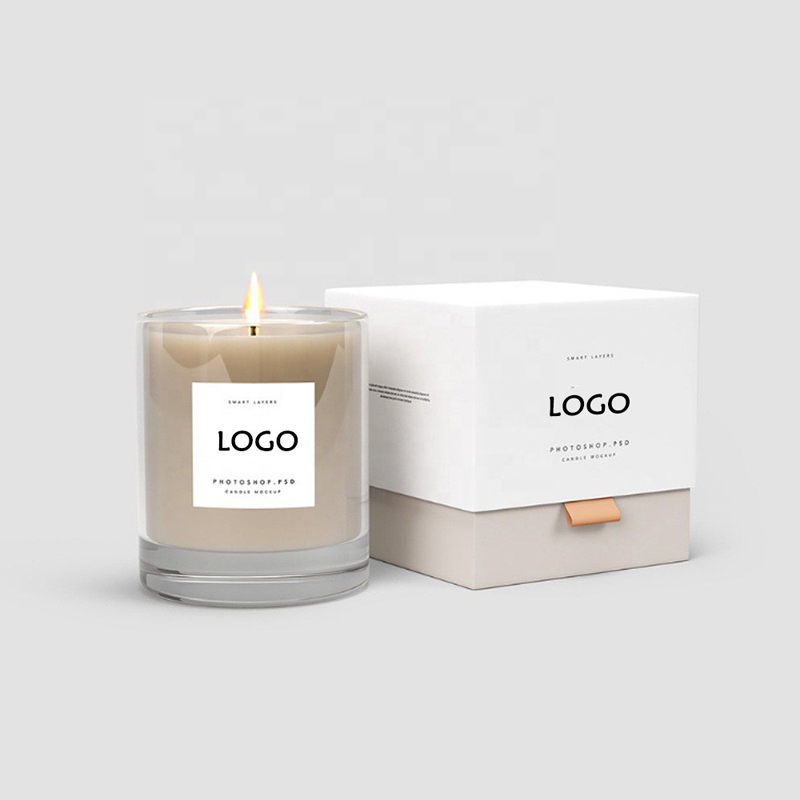
Finding reliable manufacturers for custom rigid boxes requires careful evaluation of production capabilities, quality standards, and business practices. The packaging industry has evolved significantly, with businesses increasingly demanding sophisticated solutions that combine functionality with premium aesthetics. Custom rigid boxes serve as critical components in brand presentation, product protection, and customer experience enhancement. When sourcing these specialized packaging solutions, companies must navigate through numerous suppliers while ensuring they partner with manufacturers who can deliver consistent quality, timely production, and competitive pricing structures.
Understanding Manufacturing Capabilities and Specialization
Production Equipment and Technology Assessment
Evaluating a manufacturer's production equipment provides crucial insights into their ability to deliver high-quality custom rigid boxes. Modern packaging facilities should utilize advanced die-cutting machines, lamination equipment, and automated assembly systems that ensure precision and consistency. The presence of digital printing capabilities indicates the manufacturer's capacity to handle small batch orders and prototype development efficiently. Additionally, specialized equipment for foil stamping, embossing, and UV coating demonstrates their ability to create premium finishing options that enhance the visual appeal of custom rigid boxes.
Temperature and humidity control systems within manufacturing facilities directly impact the quality of custom rigid boxes production. These environmental controls prevent material warping, adhesive failure, and dimensional inconsistencies that could compromise the final product. Manufacturers who invest in climate-controlled environments typically demonstrate higher commitment to quality standards and understanding of material science principles essential for producing durable packaging solutions.
Material Sourcing and Quality Standards
Reliable manufacturers maintain established relationships with certified material suppliers who provide consistent quality substrates for custom rigid boxes production. The sourcing strategy should include access to various cardboard weights, specialty papers, and sustainable materials that meet environmental compliance requirements. Manufacturers who can provide material certifications, including FSC certification for sustainable forestry practices, demonstrate their commitment to responsible sourcing and environmental stewardship.
Quality control processes should encompass incoming material inspection, in-process monitoring, and final product verification procedures. Manufacturers implementing statistical process control methods can maintain consistent quality levels while minimizing waste and production delays. The ability to provide material traceability documentation ensures compliance with regulatory requirements and enables effective quality management throughout the custom rigid boxes production cycle.

Evaluating Production Capacity and Flexibility
Volume Handling and Scalability
Understanding a manufacturer's production capacity helps determine their ability to meet current and future demand for custom rigid boxes. Facilities with multiple production lines can accommodate varying order sizes while maintaining delivery schedules. Manufacturers should demonstrate scalability through documented capacity utilization rates and expansion capabilities that align with projected business growth requirements.
Seasonal demand fluctuations require manufacturers to maintain flexible production scheduling and workforce management strategies. Companies producing custom rigid boxes for seasonal products need partners who can scale operations efficiently during peak periods while maintaining quality standards. The presence of cross-trained personnel and flexible shift arrangements indicates organizational adaptability essential for managing variable production requirements.
Customization Capabilities and Design Support
Comprehensive customization capabilities extend beyond basic printing and cutting operations to include structural design modifications and specialized finishing techniques. Manufacturers offering design support services can collaborate effectively during product development phases, providing valuable input on structural integrity, material optimization, and production feasibility. Access to in-house design teams or partnerships with qualified design agencies enhances the overall value proposition for custom rigid boxes projects.
Prototype development capabilities enable manufacturers to validate designs before full production runs, reducing the risk of costly modifications and production delays. Rapid prototyping services allow for iterative design improvements and stakeholder approval processes that streamline project timelines. Manufacturers equipped with sample production capabilities can demonstrate their technical competency while building confidence in their ability to execute complex custom rigid boxes requirements.
Quality Assurance and Certification Requirements
International Standards Compliance
Manufacturers operating under internationally recognized quality management systems demonstrate systematic approaches to quality control and continuous improvement. ISO 9001 certification indicates established quality management processes, while ISO 14001 certification reflects environmental management system implementation. These certifications provide assurance that manufacturers maintain consistent quality standards and environmental responsibility in custom rigid boxes production.
Industry-specific certifications such as BRC Global Standard for Packaging and Packaging Materials provide additional validation of manufacturing capabilities and food safety compliance. Manufacturers serving pharmaceutical, cosmetic, or food industries require specialized certifications that ensure regulatory compliance and product safety. The maintenance of current certifications demonstrates ongoing commitment to quality excellence and regulatory adherence in custom rigid boxes manufacturing operations.
Testing and Validation Procedures
Comprehensive testing procedures should encompass structural integrity assessments, print quality evaluations, and performance testing under various environmental conditions. Edge crush strength testing, compression resistance measurements, and adhesive bond strength evaluations provide objective quality metrics for custom rigid boxes performance. Manufacturers implementing rigorous testing protocols can provide performance guarantees and technical documentation supporting product specifications.
Color management systems ensure consistent print quality across production runs and multiple manufacturing locations. Spectrophotometer measurements and color matching protocols maintain brand color integrity essential for custom rigid boxes applications. The implementation of standardized color management workflows demonstrates technical sophistication and attention to brand consistency requirements that distinguish professional manufacturers from basic printing operations.
Supply Chain Management and Logistics Considerations
Geographic Location and Distribution Networks
Strategic geographic positioning affects transportation costs, delivery times, and supply chain resilience for custom rigid boxes distribution. Manufacturers located near major transportation hubs can leverage efficient shipping networks while maintaining competitive freight costs. Regional manufacturing capabilities provide advantages for companies requiring frequent deliveries or just-in-time inventory management strategies.
International manufacturing partnerships require careful evaluation of trade regulations, currency fluctuations, and political stability factors that could impact supply chain continuity. Manufacturers with established export procedures and documentation capabilities can navigate international shipping requirements while maintaining compliance with customs regulations. The presence of local representation or distribution partners enhances communication effectiveness and problem resolution capabilities for custom rigid boxes projects.
Inventory Management and Warehousing Services
Manufacturers offering warehousing and inventory management services provide added value through supply chain optimization and reduced customer storage requirements. Climate-controlled warehouse facilities protect finished custom rigid boxes from environmental damage while maintaining product quality during storage periods. Integrated inventory management systems enable real-time visibility into stock levels and facilitate automated reordering processes.
Flexible warehousing arrangements accommodate seasonal demand variations and promotional campaign requirements without requiring significant customer investment in storage infrastructure. Manufacturers providing drop-shipping services can streamline distribution processes while reducing handling costs and delivery times. These value-added services distinguish comprehensive packaging partners from basic manufacturing suppliers in the custom rigid boxes market segment.
Financial Stability and Partnership Considerations
Financial Health Assessment
Evaluating manufacturer financial stability ensures supply chain continuity and reduces the risk of production disruptions due to financial difficulties. Credit reports, financial statements, and industry reputation assessments provide insights into organizational stability and growth prospects. Manufacturers demonstrating consistent profitability and prudent financial management practices are more likely to maintain operations during economic uncertainties that could affect custom rigid boxes supply chains.
Investment in equipment upgrades, facility improvements, and technology advancement indicates manufacturer commitment to long-term competitiveness and capability enhancement. Companies allocating resources to research and development activities demonstrate innovation focus and adaptability to evolving market requirements for custom rigid boxes applications. Financial strength enables manufacturers to maintain competitive pricing while investing in quality improvements and capacity expansion initiatives.
Partnership Approach and Communication Practices
Effective communication systems facilitate project coordination, quality issue resolution, and ongoing relationship management essential for successful custom rigid boxes partnerships. Manufacturers implementing customer relationship management systems can provide responsive support while maintaining detailed project histories and specification databases. Regular communication protocols ensure stakeholder alignment and proactive problem identification throughout production cycles.
Collaborative partnership approaches involve manufacturers in product development discussions, cost optimization initiatives, and supply chain improvement projects. Manufacturers demonstrating consultative capabilities can provide valuable insights into material selection, design optimization, and production efficiency improvements for custom rigid boxes applications. These collaborative relationships create mutual value and competitive advantages that extend beyond basic supplier-customer transactions.
Technology Integration and Digital Capabilities
Digital Workflow Management
Modern manufacturers utilize digital workflow management systems that streamline project coordination, production scheduling, and quality tracking processes. Enterprise resource planning systems integrate various business functions while providing real-time visibility into production status and delivery schedules for custom rigid boxes orders. Digital asset management capabilities ensure accurate file handling and version control throughout the production workflow.
Online ordering platforms and customer portals enhance communication efficiency while reducing administrative overhead associated with custom rigid boxes procurement. Automated quoting systems provide rapid pricing responses while maintaining accuracy in complex specification calculations. These technological capabilities demonstrate manufacturer commitment to operational efficiency and customer service excellence that distinguish industry leaders from traditional suppliers.
Automation and Industry 4.0 Implementation
Manufacturing automation technologies improve production consistency, reduce labor costs, and enhance quality control capabilities for custom rigid boxes production. Automated cutting systems, robotic assembly operations, and integrated inspection systems minimize human error while increasing throughput rates. Manufacturers investing in automation demonstrate forward-thinking approaches to competitiveness and quality improvement initiatives.
Internet of Things connectivity enables real-time monitoring of production equipment performance, environmental conditions, and quality metrics throughout custom rigid boxes manufacturing processes. Predictive maintenance capabilities reduce equipment downtime while ensuring consistent production capacity. These advanced technological implementations indicate manufacturer sophistication and commitment to operational excellence that benefits customers through improved service levels and product quality.
FAQ
What certifications should reliable custom rigid boxes manufacturers possess
Reliable manufacturers should maintain ISO 9001 quality management certification, ISO 14001 environmental management certification, and industry-specific standards such as BRC Global Standard for Packaging. Additionally, FSC certification for sustainable materials sourcing and OSHA compliance for workplace safety demonstrate comprehensive operational standards. These certifications ensure manufacturers maintain systematic quality control processes and regulatory compliance essential for professional custom rigid boxes production.
How can I evaluate a manufacturer's production capacity for my custom rigid boxes requirements
Evaluate production capacity by reviewing equipment specifications, shift operations, and historical production volumes across similar projects. Request capacity utilization reports and peak season management strategies to understand scalability potential. Assess backup equipment availability, cross-training programs, and subcontracting relationships that provide flexibility during high-demand periods for custom rigid boxes production.
What factors determine pricing competitiveness for custom rigid boxes manufacturing
Pricing competitiveness depends on material sourcing efficiency, production automation levels, overhead cost management, and geographic location advantages. Manufacturers with optimized workflows, bulk material purchasing power, and efficient waste management can offer competitive pricing while maintaining quality standards. Volume commitments, payment terms, and long-term partnership agreements often influence pricing structures for custom rigid boxes projects.
How important is geographic proximity when selecting custom rigid boxes manufacturers
Geographic proximity affects transportation costs, delivery flexibility, and communication convenience but should be balanced against quality capabilities and competitive pricing. Local manufacturers provide advantages for urgent orders, frequent site visits, and collaborative design processes. However, distant manufacturers with superior capabilities or cost advantages may provide better overall value depending on specific custom rigid boxes requirements and logistics considerations.
Table of Contents
- Understanding Manufacturing Capabilities and Specialization
- Evaluating Production Capacity and Flexibility
- Quality Assurance and Certification Requirements
- Supply Chain Management and Logistics Considerations
- Financial Stability and Partnership Considerations
- Technology Integration and Digital Capabilities
-
FAQ
- What certifications should reliable custom rigid boxes manufacturers possess
- How can I evaluate a manufacturer's production capacity for my custom rigid boxes requirements
- What factors determine pricing competitiveness for custom rigid boxes manufacturing
- How important is geographic proximity when selecting custom rigid boxes manufacturers
