 EN
EN

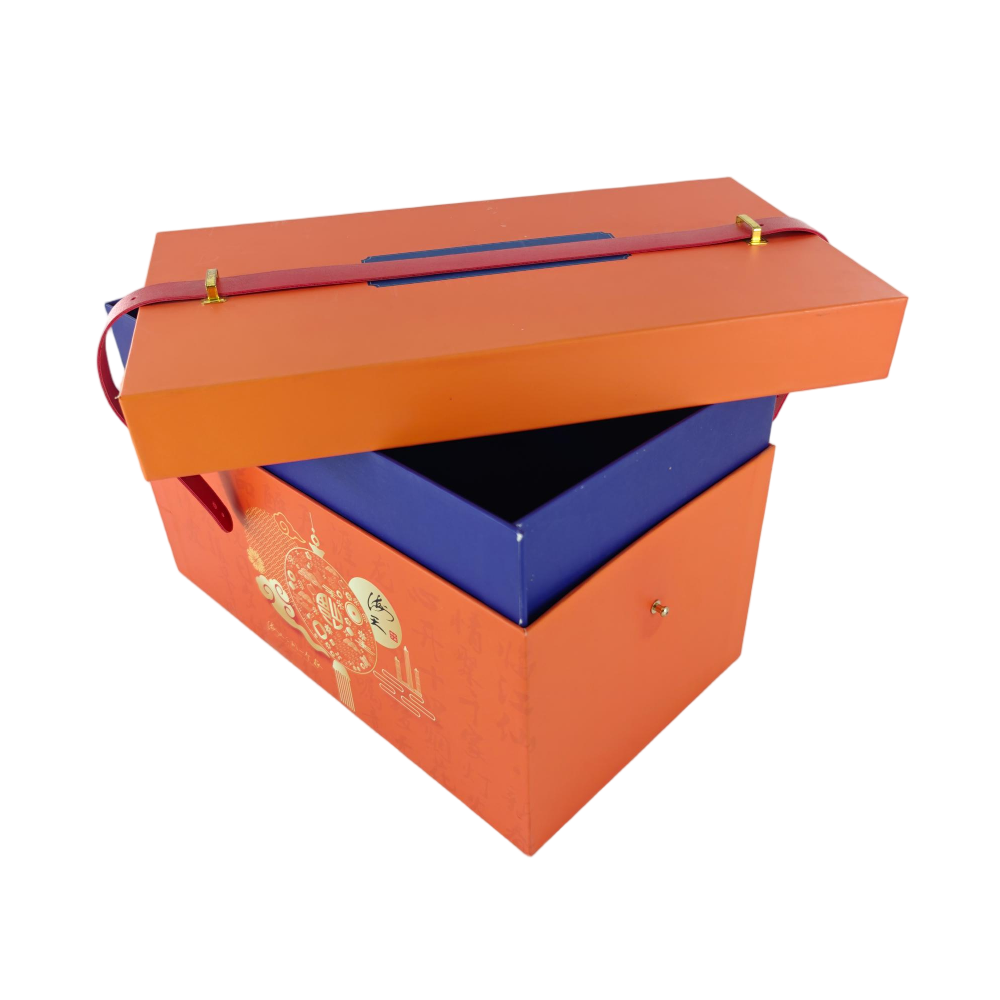
Luxury gift boxes serve as the first tactile impression of your brand, making their quality an essential investment for companies that want to communicate excellence. The perceived value of what is contained inside begins the moment a customer receives a premium package, and this experience is entirely shaped by the construction, materials, and design of the gift boxes themselves. Understanding the specific factors that determine quality in this category is crucial for procurement professionals, brand managers, and retailers who recognize that inferior gift boxes can undermine even the finest products.
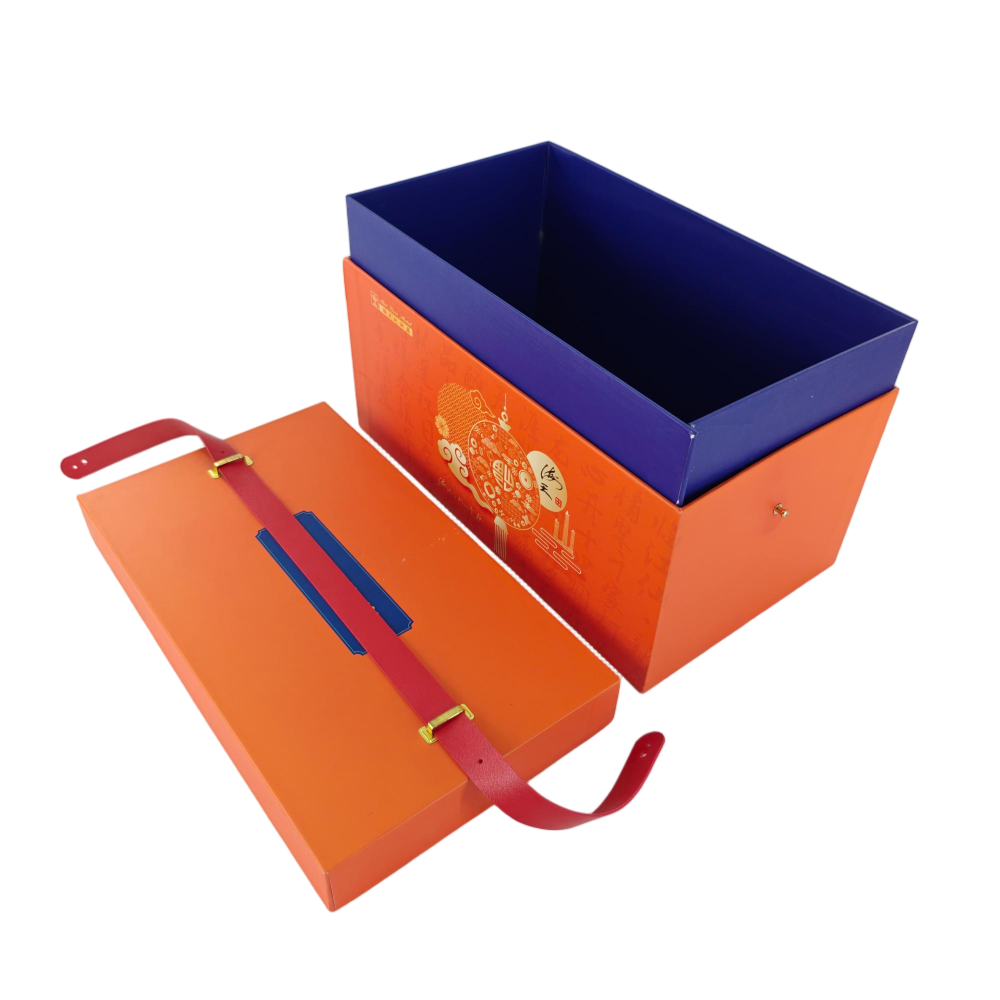
Premium gift boxes are distinguished from standard packaging through a combination of measurable and experiential attributes. The quality of gift boxes depends on multiple interconnected variables, each contributing to durability, visual impact, and the unboxing experience. By examining these factors systematically, organizations can make informed decisions about which gift boxes will best represent their brand and deliver lasting customer satisfaction.
Material Quality and Composition
Substrate Selection for Gift Boxes
The foundation of quality gift boxes begins with the substrate material selected for construction. Premium gift boxes typically utilize rigid cardboard or specialty paper stocks that provide superior structural integrity compared to standard corrugated materials. Luxury gift boxes often feature 2mm to 3mm thick paperboard that resists crushing, warping, and flexing during transport and handling. The fiber composition, brightness, and weight of the substrate directly influence how the gift boxes feel in the customer's hands and how well they protect their contents.
Manufacturers source high-grade virgin pulp or specially processed recycled fiber for luxury gift boxes, ensuring consistent quality and avoiding the brittleness sometimes found in lower-grade materials. The coating applied to the substrate surface also matters significantly, as it affects the printing quality, moisture resistance, and tactile properties of the finished gift boxes. Premium options include glossy, matte, and specialty finishes that enhance visual appeal and provide protection against environmental stresses.
Finish and Surface Treatment
The surface finish applied to gift boxes dramatically impacts their perceived luxury status and functional performance. High-quality gift boxes may receive lamination, varnishing, or specialty coatings that protect the printed design from fingerprints, moisture, and UV damage. Matte finishes on luxury gift boxes convey sophistication and minimalism, while soft-touch or velvet coatings add tactile premium qualities that differentiate them from standard packaging solutions. These surface treatments ensure that gift boxes maintain their appearance throughout the shipping, storage, and unboxing experience.
Structural Design and Construction
Closure Mechanisms in Gift Boxes
The way gift boxes open and close represents a critical quality factor that directly affects user experience and product protection. Magnetic closures have become the standard in luxury gift boxes, providing a satisfying snap mechanism while ensuring secure product containment. The strength and positioning of magnets within gift boxes must be precisely engineered to function flawlessly after hundreds of opening and closing cycles. Higher-quality gift boxes feature multiple magnets strategically placed to prevent warping and ensure consistent closure pressure without requiring excessive force.
Tuck-lock designs, hinge constructions, and hinged lids represent alternative closure systems found in specialty gift boxes. Each mechanism must be tested for durability, smooth operation, and resistance to damage from repeated use. The adhesives, reinforcements, and hinge materials used in gift boxes significantly influence whether they maintain structural integrity or begin to fail after initial opening.
Dimensional Precision and Fit
Quality gift boxes demonstrate tight dimensional tolerances that ensure perfect fit for intended contents and allow for smooth stacking without dimensional drift. Manufacturing precision directly affects how professional the gift boxes appear and whether they function as designed. Premium gift boxes maintain consistent depth, width, and height measurements across entire production runs, preventing gaps, misalignment, or loose fitting that would diminish perceived quality. The internal flocking, foam inserts, or custom compartments within gift boxes must align precisely with the box structure to prevent shifting during transport.
Visual Design and Printing Excellence
Color Accuracy and Print Quality
The visual presentation of gift boxes directly communicates brand value and quality level to recipients. Premium gift boxes feature vibrant, accurately rendered colors achieved through advanced printing technologies such as digital, offset, or flexographic processes. Color consistency across print runs is essential, as variations diminish the perception of quality and suggest manufacturing carelessness. The ink formulations used on luxury gift boxes must resist fading, bleeding, and deterioration while maintaining their visual impact for years after purchase.
Specialty printing effects such as embossing, foil stamping, and debossing elevate gift boxes from standard to luxury status through tactile visual enhancement. Metallic or pearl inks applied to gift boxes create depth and sophistication that flat colors cannot achieve. The precision of these specialty applications distinguishes truly premium gift boxes from mass-produced alternatives.
Design Integration and Branding
Quality gift boxes integrate strategic brand elements that enhance visual hierarchy and communicate product value without overwhelming the design. Custom artwork, logos, and messaging on gift boxes must balance aesthetics with functional clarity, ensuring recipients immediately understand the brand identity. Typography, color psychology, and layout decisions embedded in gift boxes directly influence perceived quality and purchase justification. Premium gift boxes demonstrate thoughtful design that reflects the value of contents and elevates the overall customer experience from unboxing through product interaction.
Protective Performance and Durability
Cushioning and Product Protection
Beyond visual presentation, quality gift boxes must provide reliable protection for contents during storage, shipping, and handling. Interior compartments, foam inserts, or specialized padding materials within gift boxes absorb impacts and prevent product movement that could cause damage. The selection of protective materials for gift boxes depends on content fragility, shipping conditions, and desired unboxing experience. High-quality gift boxes incorporate protective elements seamlessly so they enhance rather than detract from the premium presentation.
Environmental Resilience
Premium gift boxes must withstand temperature fluctuations, humidity variations, and light exposure without compromising structural integrity or visual appearance. The materials chosen for quality gift boxes resist moisture absorption that causes warping, swelling, or mold growth. UV-resistant coatings and inks protect gift boxes from color fading when displayed or stored in retail environments. Durability testing ensures that gift boxes maintain their appearance and function throughout their entire lifecycle from manufacturing to customer use.
FAQ
What makes premium gift boxes different from standard packaging?
Premium gift boxes differentiate themselves through superior material composition, precise construction, sophisticated closure mechanisms, and refined visual design. While standard packaging prioritizes cost efficiency, luxury gift boxes invest in rigid substrates, specialty finishes, advanced printing techniques, and protective interior features that communicate brand value and enhance customer experience. The combination of these factors creates a perception of quality that justifies higher price points and strengthens brand positioning.
How should businesses evaluate gift boxes for quality before ordering?
When evaluating gift boxes, request physical samples that demonstrate material weight, finish quality, closure functionality, and printing precision. Examine dimensional accuracy, alignment of colors and design elements, and the smoothness of closure mechanisms. Review manufacturer specifications regarding coating type, substrate composition, and testing certifications. Assess interior protective features, evaluate how gift boxes feel in hand, and consider whether the design aligns with brand positioning and customer expectations. Communication with manufacturers about quality standards ensures that ordered gift boxes meet your requirements.
Can sustainable materials be used in luxury gift boxes without compromising quality?
Yes, sustainable materials can achieve premium quality in gift boxes when sourced from responsible suppliers and manufactured using advanced techniques. Recycled cardboard with virgin pulp blending, plant-based inks, and eco-friendly coatings enable luxury gift boxes to maintain durability, visual appeal, and functional performance. Many high-end brands now prioritize sustainable gift boxes as part of corporate responsibility initiatives without sacrificing perceived quality. The key is selecting suppliers who understand that premium and sustainable are not opposing requirements but complementary goals in modern packaging.
