 EN
EN

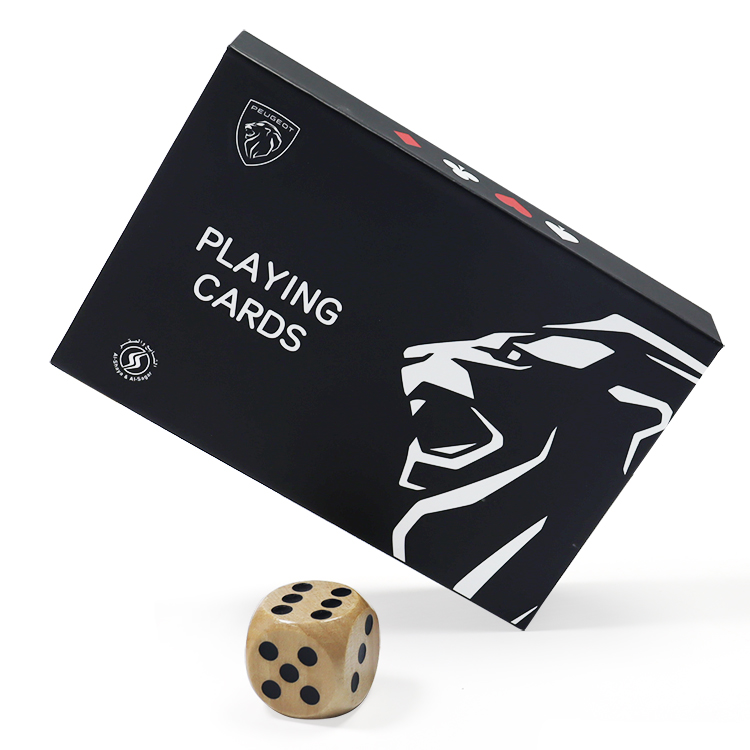
Rigid gift boxes have become the gold standard in premium product packaging across luxury industries. Brands consistently choose rigid gift boxes for high-end products because they deliver unmatched protection, aesthetic appeal, and customer experience. Whether packaging cosmetics, jewelry, electronics, or specialty items, rigid gift boxes create an immediate impression of quality and exclusivity that influences purchasing decisions and brand perception.
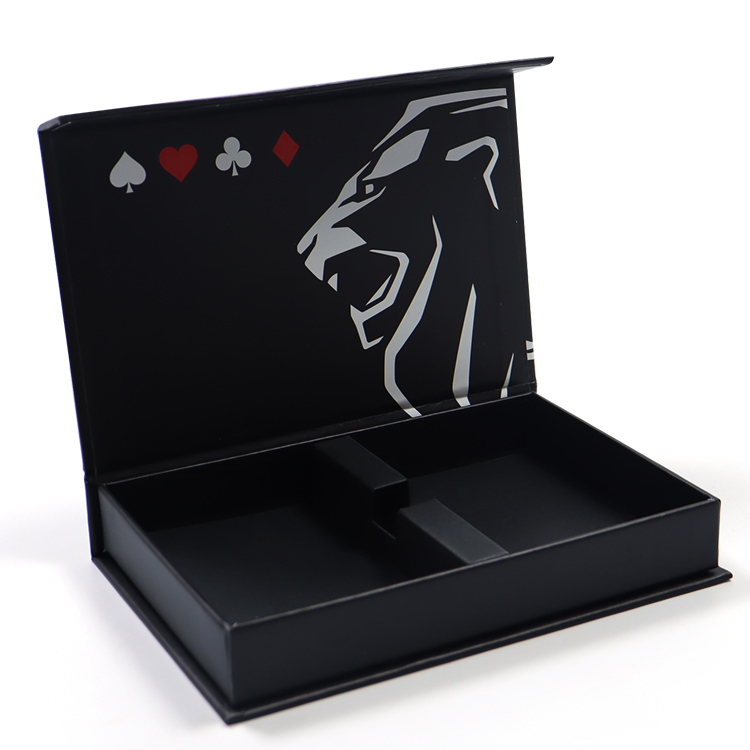
The demand for rigid gift boxes continues to rise among luxury brands and premium retailers because these packaging solutions offer tangible competitive advantages. Rigid gift boxes protect contents during shipping while maintaining a pristine presentation that reinforces brand value. Understanding why rigid gift boxes dominate the high-end market helps businesses make informed packaging decisions that strengthen customer relationships and justify premium pricing strategies.
Superior Protection and Durability of Rigid Gift Boxes
Structural Strength and Impact Resistance
Rigid gift boxes excel at protecting valuable contents through their solid construction and superior load-bearing capacity. Unlike flexible packaging materials, rigid gift boxes maintain their shape under pressure, preventing product damage during transit and storage. The multi-layer cardboard construction of quality rigid gift boxes provides cushioning that absorbs impacts without transferring force to delicate items inside. This structural integrity makes rigid gift boxes essential for luxury goods where even minor damage can diminish perceived value and customer satisfaction.
Environmental Stability and Longevity
Premium rigid gift boxes offer environmental protection that standard packaging cannot match. These boxes resist moisture, dust, and light exposure that can degrade product quality or aesthetics. Rigid gift boxes maintain their protective properties across temperature fluctuations and humidity changes common in global supply chains. High-end brands rely on rigid gift boxes to ensure products arrive in perfect condition, eliminating returns and warranty claims associated with packaging failure.
Brand Positioning and Customer Perception
Visual Impact and Unboxing Experience
Luxury rigid gift boxes create memorable unboxing moments that amplify brand identity and customer engagement. The solid feel, smooth opening, and elegant presentation of rigid gift boxes communicate quality and attention to detail before customers ever see the product. High-end rigid gift boxes often feature custom designs, premium finishes, and magnetic closures that elevate the perceived value of contents. This premium unboxing experience transforms gift boxes from mere packaging into brand touchpoints that generate social media sharing and word-of-mouth marketing.
Perceived Value and Price Justification
Rigid gift boxes directly influence how consumers perceive product value and pricing legitimacy. Premium brands use rigid gift boxes to justify higher price points by creating tangible evidence of quality and craftsmanship. When customers receive products in sophisticated rigid gift boxes, they associate the packaging investment with product excellence. This psychological connection between premium packaging and product quality makes rigid gift boxes powerful revenue multipliers that customers willingly pay for, increasing profit margins without raising base product prices.
Practical Advantages for Retail and E-Commerce
Shelf Appeal and Retail Visibility
Rigid gift boxes stand out on retail shelves and demand attention more effectively than soft packaging alternatives. The structural rigidity allows these gift boxes to maintain perfect presentation angles that catch customer eyes during browsing. High-end retailers recognize that rigid gift boxes occupy valuable shelf space more efficiently because their solid form prevents collapse and maintains visibility. Custom printed rigid gift boxes feature logos, colors, and designs that create instant brand recognition in crowded retail environments.
Reusability and Extended Brand Presence
Unlike disposable packaging, quality rigid gift boxes often become keepsakes that extend brand presence in customers' homes and offices. Beautiful rigid gift boxes get repurposed for storage, gifting, or display, maintaining brand visibility long after purchase. This secondary use transforms rigid gift boxes into durable brand ambassadors that continuously remind customers of their luxury purchase. Customers frequently give rigid gift boxes as gifts themselves, creating new touchpoints with potential customers and reinforcing brand prestige through word-of-mouth recommendations.
FAQ
What makes rigid gift boxes more expensive than standard packaging alternatives?
Rigid gift boxes require premium materials, precision manufacturing, and hand assembly processes that increase production costs significantly. The multi-layer cardboard construction, custom printing, and finishing details that make rigid gift boxes superior also require specialized equipment and skilled labor. Despite higher upfront costs, rigid gift boxes deliver superior protection and brand value that justify premium pricing through increased customer satisfaction and reduced damage rates.
How do luxury brands customize rigid gift boxes to reflect brand identity?
Premium brands customize rigid gift boxes with embossing, foil stamping, custom colors, logo placement, and interior finishes that align with brand aesthetics. High-end rigid gift boxes often feature premium paper stocks, specialized inks, and metallic accents that elevate perceived luxury. Brands also customize rigid gift boxes with personalization options, tissue paper, ribbons, and magnetic closures that create cohesive branded experiences that customers remember and share online.
Are rigid gift boxes suitable for all product categories in e-commerce and retail?
Rigid gift boxes work exceptionally well for jewelry, cosmetics, electronics, specialty foods, and premium home goods where perceived value and protection matter most. For high-end products where packaging reinforces brand positioning, rigid gift boxes provide unmatched advantages over standard packaging. Budget-conscious brands selling commodity items may find rigid gift boxes cost-prohibitive, but any premium brand targeting discerning customers benefits from investing in quality rigid gift boxes that communicate exclusivity.
