 EN

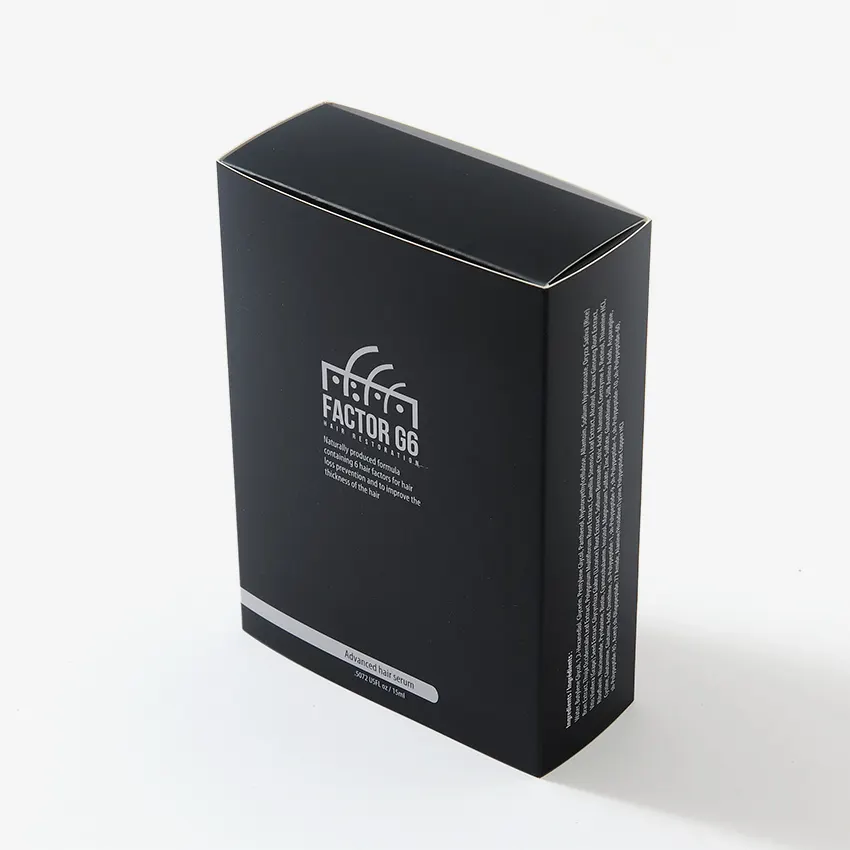
Approving a packaging sample for mass production is one of the most critical decisions in product development. A packaging sample represents your brand identity, protects your product during transit, and shapes customer first impressions. Yet many manufacturers rush through the packaging sample evaluation process, leading to costly mistakes once production begins at scale. Before you sign off on any packaging sample, you must systematically verify multiple dimensions of quality, functionality, compliance, and alignment with your business objectives. This comprehensive evaluation protects your investment and ensures that the final product meets both internal standards and customer expectations.
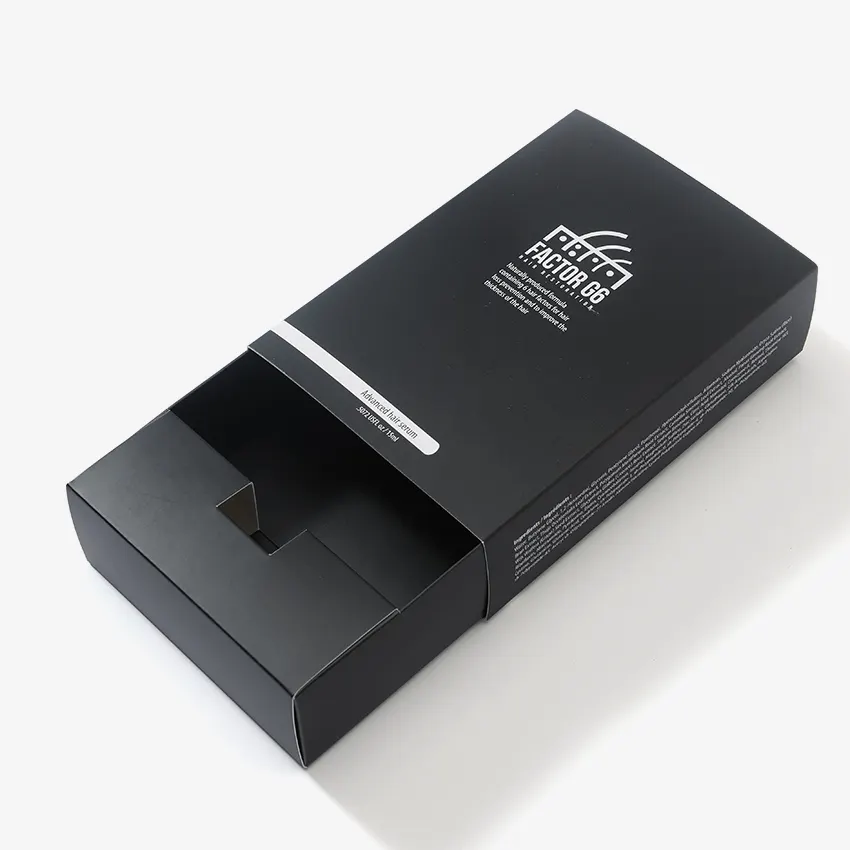
The packaging sample approval process should never be treated as a rubber-stamp formality. Instead, it should be a detailed technical and commercial review that examines every aspect of how the packaging sample will perform in real-world conditions. From material durability and dimensional accuracy to printing quality and regulatory compliance, each element of the packaging sample directly impacts production success. Understanding what to verify before approving a packaging sample requires cross-functional collaboration between product, quality, marketing, and supply chain teams. This guide walks you through the essential checkpoints that professional manufacturers use to validate packaging samples before committing to mass production.
Physical Quality and Material Specifications
Structural Integrity and Durability Assessment
When evaluating a packaging sample, the first priority is assessing structural integrity under realistic handling conditions. The packaging sample must withstand the stresses of storage, transportation, and shelf display without degradation. Press, flex, and drop-test the packaging sample against your defined parameters to confirm that materials and construction withstand expected loads. Check for weak seams, inadequate gluing, or flimsy construction that would fail during distribution. The packaging sample should maintain its protective function and aesthetic appeal after simulated handling. Any structural weakness discovered during packaging sample review could multiply into thousands of defective units once production scales.
Material Quality and Consistency
Material quality is the foundation of a reliable packaging sample. Examine the packaging sample surface for texture, finish, and consistency across all panels and sections. Verify that the packaging sample material matches your specification requirements in weight, thickness, coating, and resistance properties. Touch and bend the packaging sample to assess whether materials feel durable and professional. Check whether the packaging sample exhibits any brittleness, wrinkling, or surface imperfections that would be unacceptable in mass production. Request material test certificates for the packaging sample components to confirm that suppliers meet your documented standards. The packaging sample should demonstrate that material choices deliver both protection and brand-appropriate appearance.
Printing Quality and Visual Standards
Color Accuracy and Print Consistency
Printing quality directly shapes how customers perceive your product, making it essential to validate the packaging sample's visual execution. Compare the packaging sample printing against your approved design files under controlled lighting to verify color match, registration, and detail reproduction. Check whether the packaging sample displays sharp text, crisp graphics, and consistent color density across all surfaces. Look for printing defects such as misalignment, ink bleeding, fading, or inconsistent coverage on the packaging sample. The packaging sample should demonstrate that your printer's equipment and processes can reliably reproduce your design specifications. Test whether ink adheres properly to the packaging sample material by performing adhesion tests and evaluating whether logos or text show signs of premature wear. Professional packaging sample validation ensures that visual quality meets brand standards before production volumes commit your investment.
Text Legibility and Logo Reproduction
Legibility and logo clarity are non-negotiable packaging sample requirements. Examine whether all text on the packaging sample, including product name, ingredient lists, and regulatory disclaimers, is readable at typical viewing distances. Verify that your logo appears on the packaging sample with proper definition, color accuracy, and proportional sizing. Assess whether small details or fine lines in the packaging sample graphics render cleanly without degradation or distortion. Consider how the packaging sample performs under different lighting conditions to ensure visibility in retail environments. A packaging sample that passes legibility testing guarantees that customers can easily identify and read all critical product information when your packaging sample moves to mass production.
Functionality and Compliance Verification
Closure Systems and Usability Testing
If your packaging sample includes closures, locks, or sealing mechanisms, functional testing is mandatory before production approval. Open and close the packaging sample multiple times to confirm smooth operation and secure sealing without jamming or misalignment. Test whether the packaging sample's closure system maintains integrity under pressure and temperature variations. Verify that the packaging sample can be opened by intended users while remaining resistant to accidental opening during transport. Evaluate whether closures on the packaging sample show signs of wear or damage after repeated cycling. A packaging sample with reliable closure systems protects product freshness and safety while delivering a professional user experience once you scale production.
Regulatory Compliance and Labeling Requirements
Regulatory compliance is non-negotiable when approving a packaging sample for production. Review the packaging sample to confirm that all required labels, disclaimers, and certifications appear in legally compliant formats and languages for your target markets. Verify that the packaging sample includes proper nutritional information, ingredient declarations, warning labels, and manufacturing details as required by applicable regulations. Check whether the packaging sample material complies with food contact standards, chemical restrictions, or sustainability certifications relevant to your industry. The packaging sample should undergo compliance review by your legal and quality assurance teams before production authorization. Non-compliant packaging samples reaching production can trigger costly recalls, regulatory penalties, and brand damage that far exceed the investment in thorough sample validation.
Dimensional Accuracy and Fit Testing
Dimensional precision ensures that your packaging sample accommodates your product correctly and aligns with logistics infrastructure. Measure the packaging sample against your documented specifications using precision tools to confirm length, width, height, and internal cavity dimensions. Test whether your product fits securely inside the packaging sample without excess movement or crushing risk. Verify that the packaging sample dimensions work within your pallet configuration, shipping containers, and warehouse handling systems. Check whether the packaging sample stacks properly without deformation when weighted. A packaging sample with verified dimensional accuracy prevents costly production rework and ensures seamless integration with existing distribution infrastructure.
Cost and Production Readiness Assessment
Unit Cost Validation and Production Feasibility
Before approving a packaging sample for mass production, validate that the stated unit costs align with your budget and profit margin targets. Review the packaging sample specifications alongside the cost quote to ensure that materials and processes are accurately priced. Assess whether the packaging sample design is efficient to produce at scale or whether design modifications could reduce costs without compromising quality. Discuss production capacity and lead times with your packaging sample supplier to confirm they can support your volume requirements and timeline. The packaging sample cost should reflect realistic production economics rather than unsustainably low sample pricing. Confirming cost viability at the packaging sample stage prevents disagreements and contract disputes once orders scale to thousands or millions of units.
Production Timeline and Supply Chain Readiness
Verify that the packaging sample supplier can meet your production timeline and maintain consistent supply chain performance. Confirm that raw materials for your packaging sample are reliably sourced and that the supplier has documented contingency plans for supply disruptions. Discuss quality control procedures that the supplier will implement for the full production run to ensure the packaging sample quality standard carries forward at scale. Request references from other customers regarding the supplier's reliability, quality consistency, and communication during large production runs. The packaging sample approval should include confidence that your supplier can reliably deliver the packaging sample design in the volumes and timeframes your business requires. This supply chain assessment reduces risk and ensures that the packaging sample transition to production proceeds smoothly.
FAQ
What specific tests should be performed on a packaging sample before approving it for mass production?
A comprehensive packaging sample should undergo structural stress testing such as drop tests and pressure resistance evaluation, printing quality verification including color accuracy and legibility checks, dimensional measurements against specifications, closure system functionality testing, regulatory compliance review, material composition verification, and usability assessment with your actual product. Each test validates that the packaging sample meets documented standards and will perform reliably once you commit to mass production volumes.
How long should the packaging sample approval process typically take?
The packaging sample approval timeline typically ranges from two to four weeks, depending on complexity and the number of revisions required. Initial packaging sample receipt and inspection might take three to five business days, followed by testing and cross-functional review. Allow additional time if your packaging sample requires regulatory agency consultation or specialized compliance testing. Rushing the packaging sample approval process increases the risk of discovering critical issues after production begins, making thorough evaluation worth the investment in time.
What should be included in the packaging sample approval sign-off documentation?
Your packaging sample approval documentation should include signed confirmation of dimensional accuracy, material specifications, printing quality standards, compliance certifications, cost per unit confirmation, production timeline, and supplier contact information for future reference. Maintain photos or samples of the approved packaging sample as your production reference standard. This packaging sample documentation protects both your organization and the supplier by creating a clear baseline for mass production execution and dispute resolution if quality issues arise later.
