 EN
EN

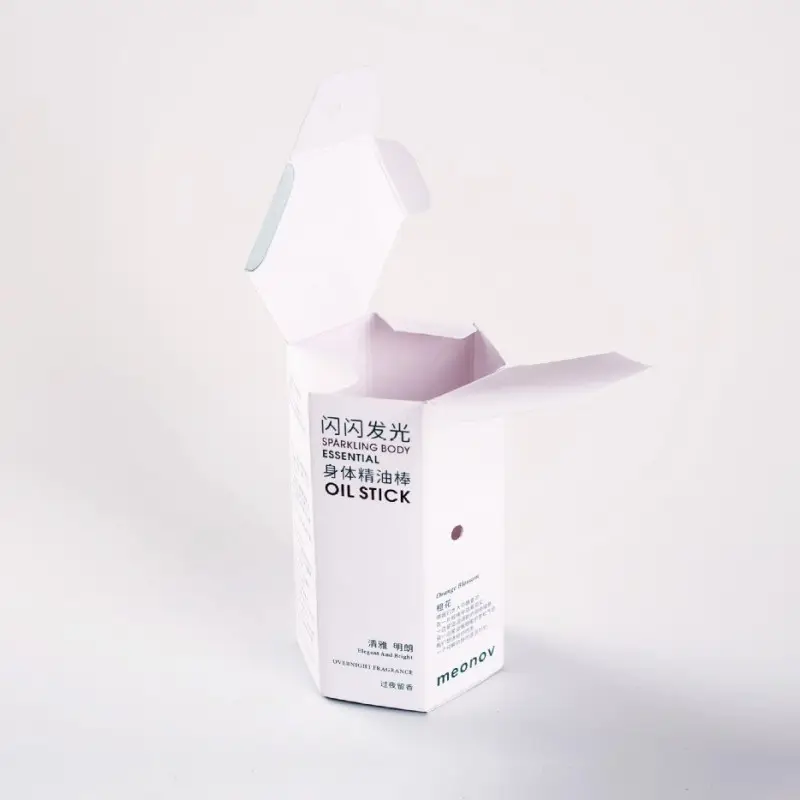
Selecting the right materials for gift boxes protecting fragile items requires careful consideration of strength, cushioning properties, and structural integrity. The choice between corrugated cardboard, rigid paperboard, and specialized protective materials directly impacts whether delicate contents survive shipping and handling while maintaining an attractive presentation that reflects the gift's value and the sender's thoughtfulness.
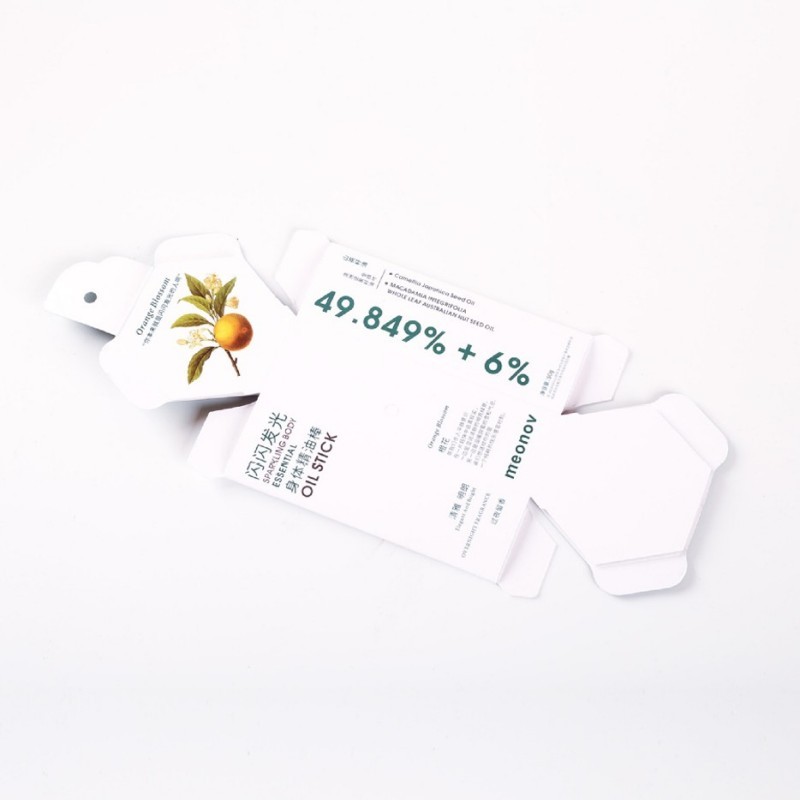
Understanding material properties becomes crucial when fragile items like glassware, electronics, ceramics, or delicate jewelry require secure transport within beautifully presented packaging. The optimal material selection balances protective performance against cost considerations while ensuring the unboxing experience enhances rather than detracts from the gift-giving occasion.
Corrugated Cardboard Excellence for Maximum Protection
Single Wall Corrugated Construction Benefits
Single wall corrugated cardboard provides excellent protection for lightweight fragile items through its fluted inner structure that absorbs impact energy during handling. This material choice for gift boxes offers superior crush resistance compared to standard paperboard while maintaining reasonable thickness for elegant presentation. The corrugated design creates air pockets that act as natural shock absorbers, distributing pressure across the entire surface rather than concentrating force at impact points.
Manufacturing gift boxes from single wall corrugated material allows for precise die-cutting and scoring, enabling complex folding patterns that enhance structural integrity without requiring additional reinforcement. The material's inherent stiffness prevents box collapse under moderate stacking pressure, making it ideal for shipping multiple fragile gifts or storing items before presentation.
Double Wall Corrugated for Maximum Security
Double wall corrugated construction represents the premium choice for gift boxes protecting extremely delicate or valuable fragile items. This material configuration features two layers of corrugated fluting separated by an additional liner, creating exceptional crush strength and puncture resistance that surpasses single wall alternatives by significant margins.
The enhanced thickness of double wall corrugated gift boxes provides superior insulation against temperature fluctuations and moisture penetration, critical factors when protecting fragile items sensitive to environmental changes. Professional packaging applications frequently specify double wall construction when contents exceed specific value thresholds or require extended storage periods before presentation.
Rigid Paperboard Applications and Limitations
High-Density Paperboard Characteristics
High-density paperboard offers excellent printing surface quality and luxury presentation for gift boxes while providing moderate protection for certain types of fragile items. This material excels in applications where the fragile contents have inherent protective packaging or when aesthetic presentation takes priority over maximum structural protection.
The smooth surface texture of rigid paperboard enables premium printing techniques including embossing, foil stamping, and high-resolution graphics that enhance the perceived value of gift boxes significantly. However, the solid construction lacks the impact-absorbing properties of corrugated alternatives, making it less suitable for protecting highly fragile items without additional internal cushioning.
Chipboard and Recycled Content Options
Chipboard constructed from recycled materials provides an economical foundation for gift boxes when environmental sustainability considerations influence material selection. The dense fiber structure offers reasonable puncture resistance and maintains shape integrity under normal handling conditions, though impact protection capabilities remain limited compared to corrugated alternatives.
Environmental benefits of recycled chipboard appeal to consumers prioritizing sustainable packaging choices, though the material's protective limitations require careful consideration when selecting gift boxes for genuinely fragile contents. Successful applications typically involve items with existing protective packaging or contents that can withstand moderate handling impacts.
Specialized Protective Material Integration
Foam Insert Compatibility
Integrating specialized protective inserts within gift boxes dramatically enhances fragile item security regardless of the primary box material selection. Polyethylene foam, polyurethane foam, and molded pulp inserts create custom-fitted cavities that eliminate movement during transport while distributing impact forces away from delicate surfaces.
The combination of corrugated gift boxes with precision-cut foam inserts represents optimal protection for high-value fragile items requiring absolute security during shipping and presentation. Foam density selection influences both protective performance and cost, with higher-density materials providing superior cushioning at premium price points.
Honeycomb Board Advanced Protection
Honeycomb paperboard construction offers exceptional strength-to-weight ratios for gift boxes protecting extremely fragile or irregularly shaped items. The hexagonal cell structure provides multidirectional impact protection while maintaining lightweight characteristics that minimize shipping costs without compromising protective performance.
Applications requiring gift boxes with honeycomb board construction typically involve fragile items exceeding standard protection requirements, such as handcrafted glass artwork, precision instruments, or antique collectibles. The material's superior puncture resistance and compression strength justify premium costs when protecting irreplaceable or extremely valuable contents.
Material Selection Criteria and Decision Factors
Weight and Fragility Assessment
Evaluating the specific weight and fragility characteristics of intended contents provides essential guidance for optimal gift boxes material selection. Lightweight fragile items under two pounds typically receive adequate protection from single wall corrugated construction, while heavier items require double wall corrugated or specialized reinforcement techniques.
Fragility assessment considers both impact sensitivity and pressure sensitivity, as some delicate items withstand moderate compression but fail under shock loading. Gift boxes protecting impact-sensitive contents prioritize cushioning properties, while pressure-sensitive items require materials emphasizing crush resistance and structural integrity maintenance.
Environmental and Shipping Considerations
Environmental conditions during shipping and storage significantly influence material selection for protective gift boxes. Humidity exposure, temperature extremes, and handling intensity vary dramatically between local delivery and extended shipping scenarios, requiring different protective strategies and material specifications.
Shipping distance and carrier handling procedures affect the protective requirements for gift boxes substantially. Local delivery allows lighter construction materials, while long-distance shipping through multiple distribution centers necessitates enhanced protection levels and more robust material selection to ensure contents arrive undamaged.
Cost-Effectiveness and Performance Balance
Material Cost Analysis
Balancing material costs against protective performance requires careful analysis of both direct material expenses and potential replacement costs for damaged fragile contents. Premium materials for gift boxes represent insurance against product loss, with cost justification depending on content value and replacement difficulty.
Volume considerations significantly impact material cost effectiveness, as larger production runs enable access to specialized materials and custom configurations that may prove uneconomical for small quantities. Gift boxes requiring premium protection materials often benefit from collaborative purchasing or standardization across multiple product lines.
Long-term Value Considerations
Evaluating long-term value extends beyond immediate material costs to encompass customer satisfaction, brand reputation, and repeat business potential. Superior protection materials for gift boxes generate positive customer experiences that influence future purchasing decisions and referral behavior significantly.
Brand positioning considerations may justify premium material selection for gift boxes regardless of strict cost-benefit analysis results. Luxury brands and premium gift services often specify enhanced protection materials to maintain brand consistency and customer expectations, treating superior packaging as essential marketing investment rather than optional expense.
FAQ
What thickness corrugated cardboard works best for fragile gift items?
Single wall corrugated (3-5mm thickness) provides adequate protection for most fragile gift items weighing less than 3 pounds, while double wall corrugated (6-7mm thickness) offers superior protection for heavier or extremely delicate contents. The flute size also matters, with B-flute providing better crush resistance and C-flute offering enhanced cushioning properties for gift boxes protecting fragile items.
Can rigid paperboard gift boxes protect fragile items effectively?
Rigid paperboard gift boxes can protect moderately fragile items when combined with appropriate internal cushioning materials like foam inserts or protective wrapping. However, rigid paperboard alone lacks the shock-absorbing properties needed for highly fragile contents, making corrugated materials a better choice for maximum protection without additional cushioning systems.
How do environmental factors affect material choice for fragile item gift boxes?
Environmental factors significantly influence material selection, as humidity can weaken paperboard materials while temperature extremes may affect both packaging integrity and fragile contents. Wax-coated or plastic-lined gift boxes provide moisture protection, while insulated materials help maintain stable temperatures for sensitive fragile items during shipping and storage periods.
What material combination provides the most cost-effective protection?
Single wall corrugated cardboard combined with strategically placed foam padding typically provides optimal cost-effectiveness for protecting fragile items in gift boxes. This combination delivers excellent protection at reasonable cost while allowing for attractive exterior printing and finishing options that maintain the premium appearance expected in gift packaging applications.
