 EN
EN

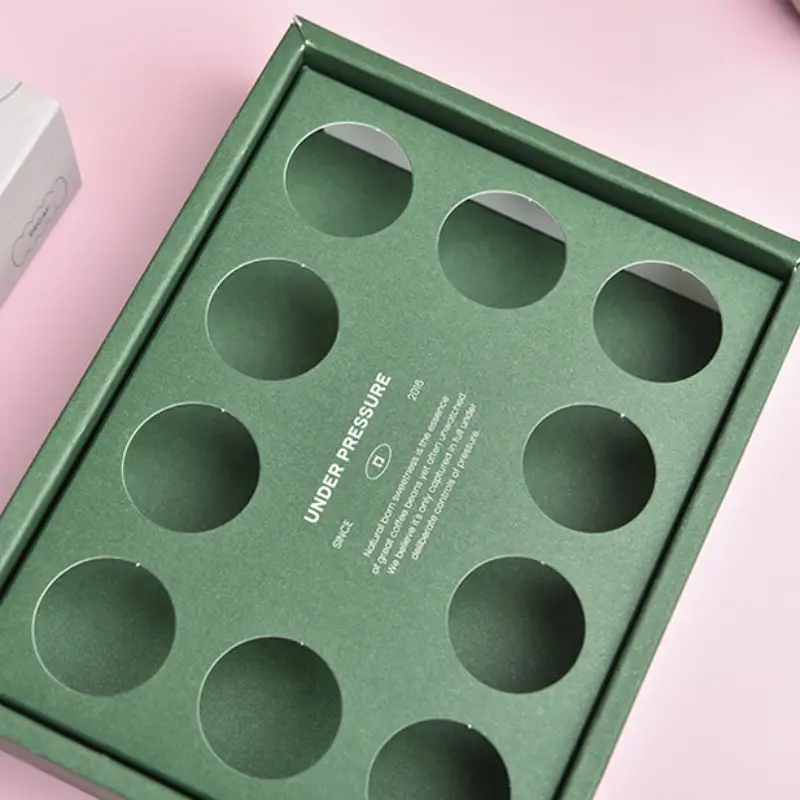
Modern brands are experiencing a fundamental shift in their packaging strategies, with eco-friendly gift boxes emerging as the preferred choice across industries. This transformation stems from evolving consumer expectations, regulatory pressures, and the growing recognition that sustainable packaging directly impacts brand perception and customer loyalty. Companies worldwide are discovering that eco-friendly gift boxes offer more than environmental benefits—they provide a competitive advantage that resonates with today's conscientious consumers.
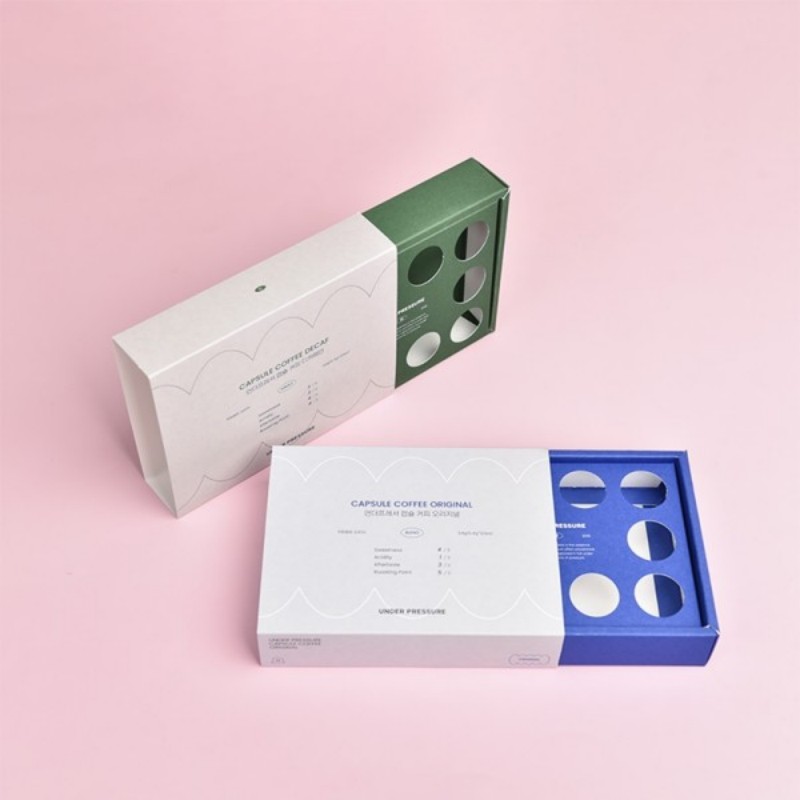
The rise of sustainable gift boxes reflects deeper market dynamics that extend beyond environmental consciousness. Modern brands recognize that packaging choices communicate brand values, influence purchasing decisions, and create lasting impressions with customers. As millennials and Gen Z consumers drive purchasing power, their preference for environmentally responsible products is reshaping how companies approach gift box selection and design, making sustainability a business imperative rather than merely a marketing trend.
Consumer Expectations Driving the Eco-Friendly Gift Box Revolution
Millennial and Gen Z Purchasing Power
The demographic shift in consumer purchasing power has fundamentally altered gift box preferences across retail sectors. Millennials and Gen Z consumers, who now represent the largest spending demographics, consistently prioritize environmental responsibility when making purchasing decisions. Research indicates that over 70% of these consumers are willing to pay premium prices for products packaged in sustainable materials, directly influencing how brands approach their gift boxes strategy.
These younger demographics view packaging choices as reflections of brand authenticity and corporate responsibility. When brands choose eco-friendly gift boxes, they signal alignment with consumer values, creating emotional connections that drive brand loyalty. This demographic influence extends beyond individual purchases to corporate gifting decisions, where companies seek gift boxes that reflect their own sustainability commitments when selecting client and employee gifts.
Social Media and Unboxing Culture
The rise of social media unboxing content has elevated gift boxes from functional packaging to marketing tools that must photograph beautifully while conveying brand messages. Eco-friendly gift boxes often feature natural textures, earthy color palettes, and minimalist designs that perform exceptionally well in social media content, generating organic marketing value for brands. This visual appeal, combined with sustainability messaging, creates shareable moments that amplify brand reach.
Influencers and content creators increasingly highlight sustainable packaging in their unboxing videos, praising brands that use eco-friendly gift boxes. This organic endorsement provides authentic marketing value that traditional advertising cannot match. Brands utilizing sustainable gift boxes benefit from this user-generated content, as consumers share positive experiences with environmentally conscious packaging choices across social platforms.
Environmental Impact and Corporate Responsibility Factors
Regulatory Compliance and Future-Proofing
Governments worldwide are implementing increasingly stringent regulations on packaging waste and environmental impact, making eco-friendly gift boxes essential for regulatory compliance. The European Union's circular economy initiatives, plastic waste reduction mandates in various countries, and carbon footprint reporting requirements are pushing brands toward sustainable packaging solutions. Companies that proactively adopt eco-friendly gift boxes position themselves ahead of regulatory curves, avoiding costly transitions later.
Forward-thinking brands recognize that environmental regulations will only become more restrictive, making early adoption of sustainable gift boxes a strategic business decision. Companies that establish eco-friendly packaging practices now build operational expertise and supplier relationships that provide competitive advantages as regulations tighten. This proactive approach helps brands avoid supply chain disruptions and compliance costs that affect competitors still using traditional packaging materials.
Carbon Footprint Reduction and Sustainability Metrics
Corporate sustainability reporting increasingly includes packaging-related metrics, making eco-friendly gift boxes crucial components of environmental impact reduction strategies. Many sustainable gift boxes use recycled materials, biodegradable components, and manufacturing processes with lower carbon footprints compared to traditional packaging. These improvements directly contribute to measurable sustainability goals that brands report to stakeholders, investors, and regulatory bodies.
The lifecycle assessment advantages of eco-friendly gift boxes extend from raw material sourcing through end-of-life disposal. Brands can quantify environmental benefits, including reduced water usage, lower energy consumption in manufacturing, and decreased landfill waste. These measurable improvements support corporate sustainability initiatives while providing concrete data for environmental impact reporting and stakeholder communications.
Economic and Business Benefits of Sustainable Gift Boxes
Cost Optimization Through Sustainable Design
Contrary to common assumptions, eco-friendly gift boxes often provide long-term cost advantages through optimized designs and material efficiency. Sustainable packaging typically emphasizes minimalist approaches that reduce material usage while maintaining structural integrity and visual appeal. This design philosophy results in gift boxes that use fewer raw materials while delivering superior customer experiences.
The manufacturing processes for sustainable gift boxes have become increasingly cost-effective as technology advances and demand scales. Production efficiencies in eco-friendly materials, combined with reduced waste in manufacturing processes, often offset initial material cost premiums. Additionally, many sustainable gift boxes feature modular designs that reduce inventory complexity and storage costs for brands managing multiple product lines.
Brand Differentiation and Market Positioning
Eco-friendly gift boxes provide powerful brand differentiation in crowded markets where traditional packaging offers limited competitive advantages. Sustainable packaging choices communicate brand values instantly, helping companies stand out on retail shelves and in e-commerce environments. This differentiation becomes particularly valuable in premium market segments where consumers actively seek brands demonstrating environmental responsibility through packaging choices.
The brand positioning benefits of sustainable gift boxes extend beyond environmental messaging to include innovation, quality, and customer care associations. Brands that invest in high-quality eco-friendly gift boxes signal attention to detail and customer experience, attributes that support premium pricing strategies. This positioning advantage helps brands justify higher price points while building customer loyalty based on shared environmental values.
Market Trends and Industry Adoption Patterns
Retail Sector Leadership in Sustainable Packaging
Leading retail brands across fashion, cosmetics, electronics, and luxury goods sectors are driving widespread adoption of eco-friendly gift boxes. Major retailers have established sustainability commitments that include packaging requirements for supplier partners, creating ripple effects throughout supply chains. These industry leaders demonstrate that sustainable gift boxes can maintain luxury presentation standards while supporting environmental objectives.
The success of early adopters in implementing eco-friendly gift boxes has created industry benchmarks that influence competitive responses. Brands observe customer reactions, operational impacts, and cost implications of sustainable packaging initiatives, building confidence in broader adoption. This industry learning effect accelerates the transition to eco-friendly gift boxes as companies share best practices and suppliers develop improved sustainable materials.
E-commerce Growth and Packaging Innovation
The explosive growth of e-commerce has intensified focus on gift boxes that protect products during shipping while creating positive unboxing experiences. Sustainable packaging solutions have evolved to address e-commerce requirements, incorporating protective features, compact designs, and materials that maintain structural integrity throughout distribution networks. These innovations make eco-friendly gift boxes practical choices for online retailers prioritizing both sustainability and customer satisfaction.
E-commerce platforms increasingly highlight sustainable packaging as a selection criterion, with some offering preferred placement or promotional opportunities for brands using eco-friendly gift boxes. This platform-level support creates additional incentives for sustainable packaging adoption while helping environmentally conscious consumers identify aligned brands. The visibility of packaging choices in online retail environments amplifies the marketing value of sustainable gift box decisions.
Implementation Strategies and Practical Considerations
Material Selection and Performance Standards
Successful implementation of eco-friendly gift boxes requires careful material selection that balances sustainability objectives with functional performance requirements. Modern sustainable materials offer impressive strength, moisture resistance, and printability characteristics that rival traditional packaging materials. Brands must evaluate specific use cases, product protection needs, and aesthetic requirements when selecting appropriate eco-friendly materials for their gift boxes.
The performance testing of sustainable gift boxes should include durability assessments, shipping stress tests, and storage condition evaluations to ensure customer satisfaction. Many eco-friendly materials perform differently under various environmental conditions, requiring adjustments to packaging design or storage recommendations. Thorough testing prevents customer experience issues while validating the practical performance of sustainable gift box choices.
Supply Chain Integration and Vendor Partnerships
Transitioning to eco-friendly gift boxes requires strategic supplier relationships and supply chain modifications that support sustainability objectives. Brands must identify vendors specializing in sustainable packaging materials and manufacturing processes while ensuring quality standards and delivery reliability. These partnerships often involve longer-term commitments and collaborative development efforts to optimize gift box designs for specific brand requirements.
The integration of sustainable gift boxes into existing supply chains may require inventory management adjustments, storage requirement modifications, and logistics optimization. Sustainable materials sometimes have different shelf life characteristics or storage sensitivities compared to traditional packaging materials. Successful implementation requires coordination across procurement, operations, and fulfillment teams to ensure smooth transitions without customer service disruptions.
FAQ
How do eco-friendly gift boxes compare in cost to traditional packaging options?
Eco-friendly gift boxes typically involve higher initial material costs compared to conventional packaging, but total cost of ownership often proves competitive when factoring in design efficiencies, waste reduction, and brand value benefits. Many sustainable materials have reached price parity with traditional options as manufacturing scales increase and technology improves. The long-term cost advantages include reduced regulatory compliance risks, enhanced brand positioning value, and potential premium pricing opportunities that offset initial cost premiums.
What performance limitations should brands consider with sustainable gift box materials?
Modern eco-friendly gift box materials have largely overcome historical performance limitations, though some considerations remain relevant for specific applications. Moisture sensitivity can be higher in certain biodegradable materials, requiring climate-controlled storage or moisture barrier treatments. Print quality and color vibrancy may require adjusted specifications compared to traditional materials. However, most performance gaps have closed significantly, and many sustainable materials now exceed traditional packaging in specific performance metrics like tear resistance and structural integrity.
How can brands effectively communicate their eco-friendly gift box choices to customers?
Effective communication of sustainable gift box choices requires clear, specific messaging that avoids generic environmental claims. Brands should highlight specific material benefits, certifications, and disposal instructions to provide tangible value to environmentally conscious consumers. Including QR codes linking to sustainability information, incorporating educational elements into package design, and sharing environmental impact metrics help customers understand and appreciate eco-friendly packaging choices. Social media content featuring unboxing experiences with sustainable materials creates authentic engagement around environmental initiatives.
What certifications and standards should brands look for in eco-friendly gift box suppliers?
Reputable eco-friendly gift box suppliers should hold certifications such as FSC (Forest Stewardship Council) for paper-based materials, ASTM D6400 or EN 13432 for compostable materials, and ISO 14001 for environmental management systems. Recyclability certifications from relevant authorities and third-party sustainability audits provide additional credibility. Brands should verify supplier claims through independent testing and request detailed documentation of material sourcing, manufacturing processes, and end-of-life disposal characteristics to ensure authentic environmental benefits.
Table of Contents
- Consumer Expectations Driving the Eco-Friendly Gift Box Revolution
- Environmental Impact and Corporate Responsibility Factors
- Economic and Business Benefits of Sustainable Gift Boxes
- Market Trends and Industry Adoption Patterns
- Implementation Strategies and Practical Considerations
-
FAQ
- How do eco-friendly gift boxes compare in cost to traditional packaging options?
- What performance limitations should brands consider with sustainable gift box materials?
- How can brands effectively communicate their eco-friendly gift box choices to customers?
- What certifications and standards should brands look for in eco-friendly gift box suppliers?
