Foil Stamping Cost Breakdown – Where Does Your Money Go?
Packaging buyers often ask why foil stamping costs more than metallic ink or standard printing. The question is fair. The answer requires looking at what actually goes into a foil-stamped job.
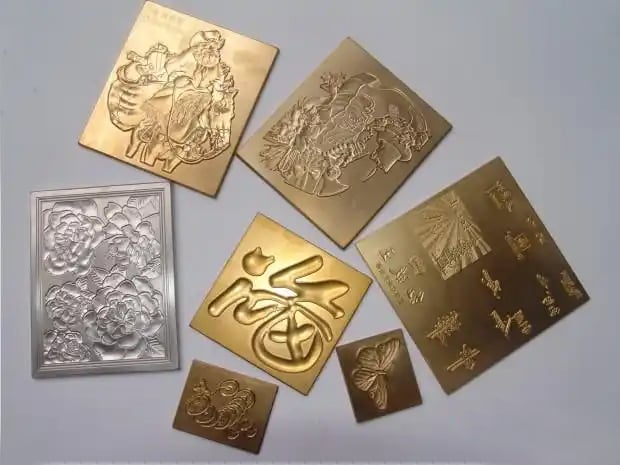 |
The Die – A One-Time Investment Die costs vary by material and complexity: Brass dies are the standard for long runs and high-detail work. They can be CNC-engraved or hand-finished, allowing for finer detail and smoother surfaces. They cost more but last considerably longer — often 2–3 times the impressions of magnesium. Copper dies are used primarily for combination dies that include embossing with foil stamping. Copper is softer than brass, which makes it easier to engrave complex three-dimensional profiles, but it‘s also more expensive. |
|
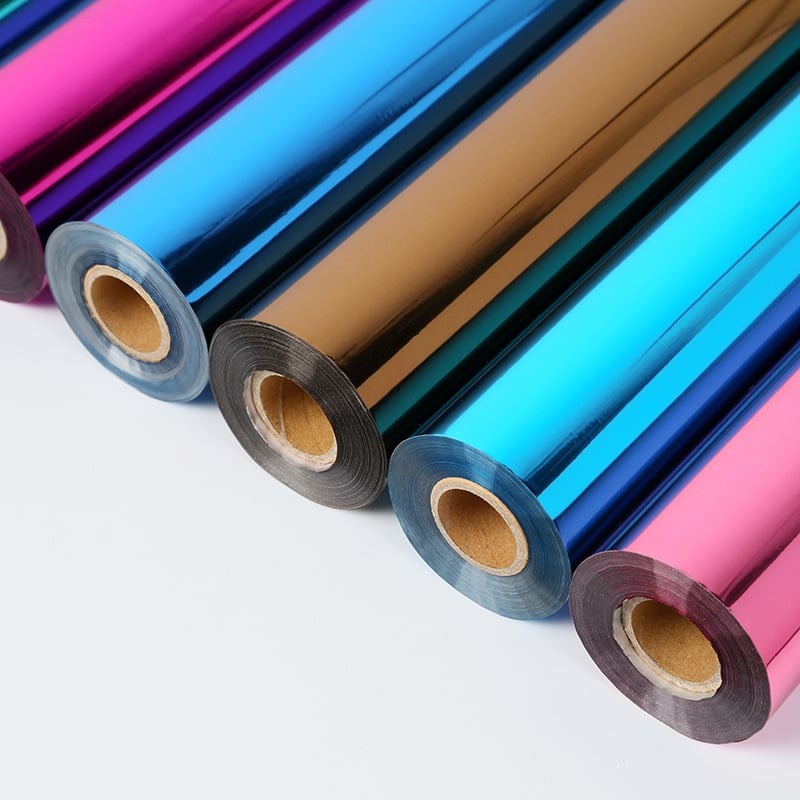
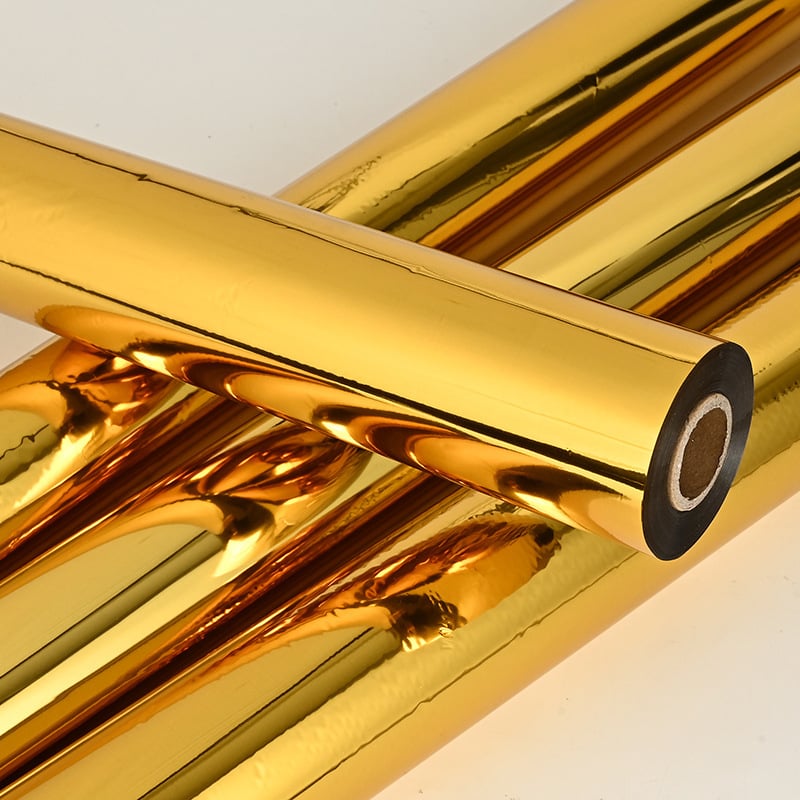
The Foil Itself
|
 |
 |
Setup and Makeready
Foil stamping isn‘t a “push a button and go” process. Each job requires setup time:
- Mounting and aligning the die
- Calibrating temperature, pressure, and speed for the specific substrate and foil combination
- Running test sheets
- Adjusting until the sample meets quality standards
This setup time is real cost. It’s allocated across your run. Short runs carry higher setup cost per piece. Longer runs spread it thinner.
What This Means for Your Budget
If you‘re comparing quotes, don’t just compare unit prices. Ask for a breakdown:
- Die cost (one-time)
- Foil material cost per piece
- Setup/makeready allocation
- Substrate waste percentage
Customizable folding boxes, white cardstock, specialty paper
 EN
EN


