kraft paper boxes
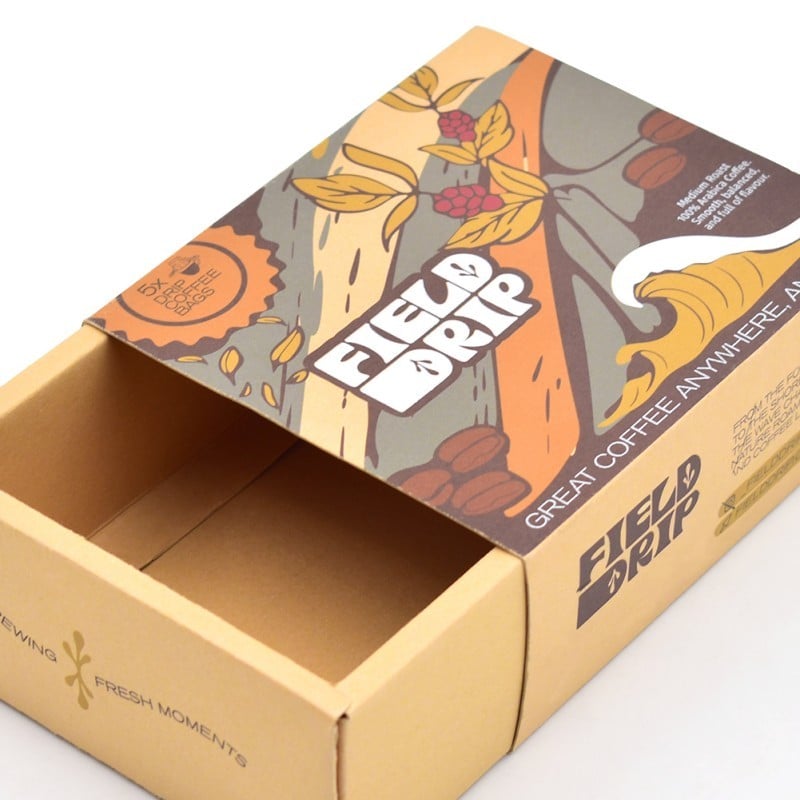
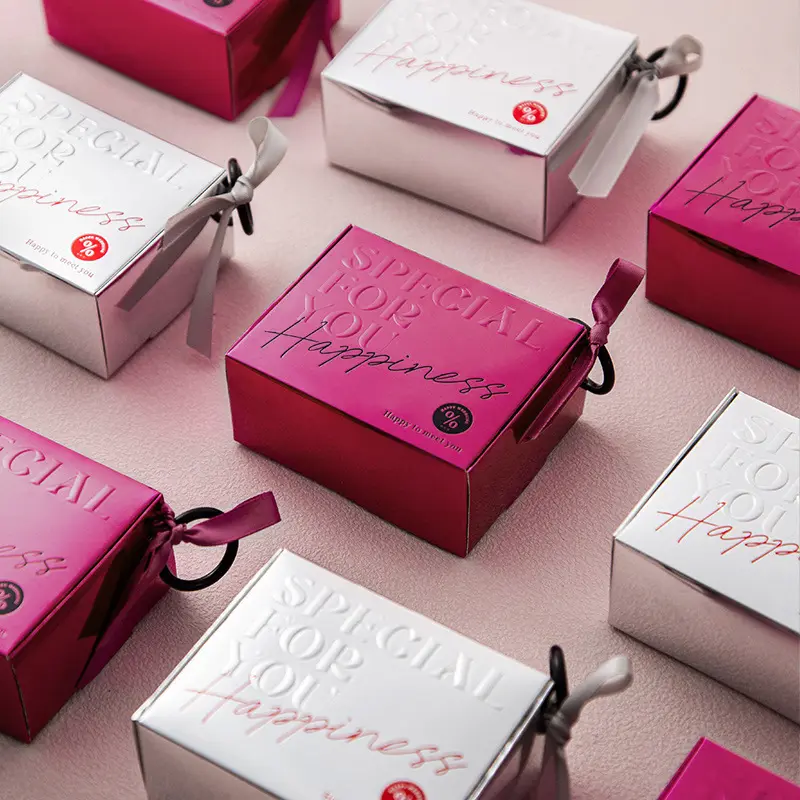
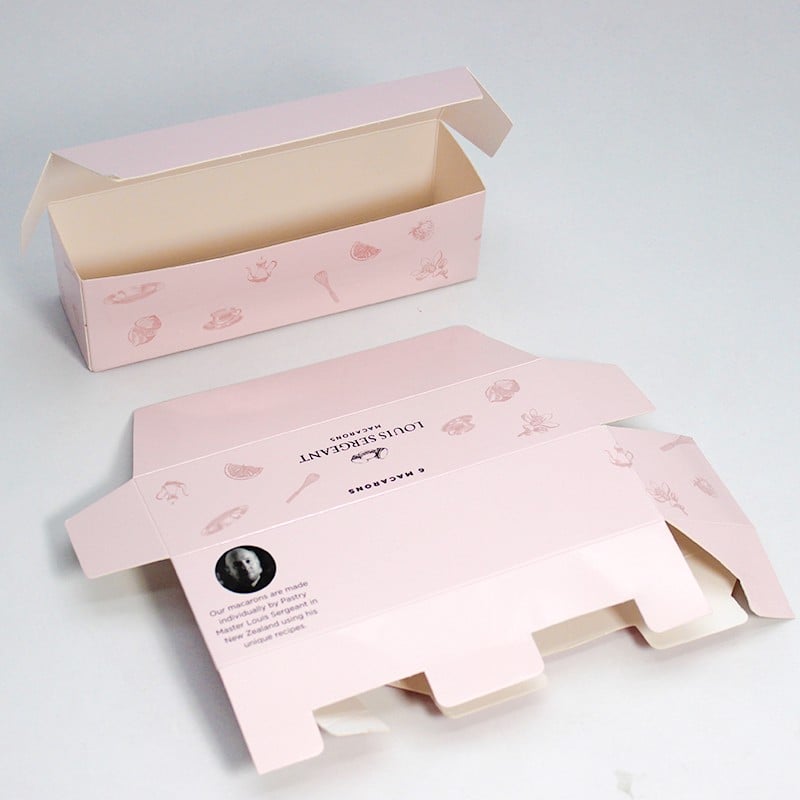
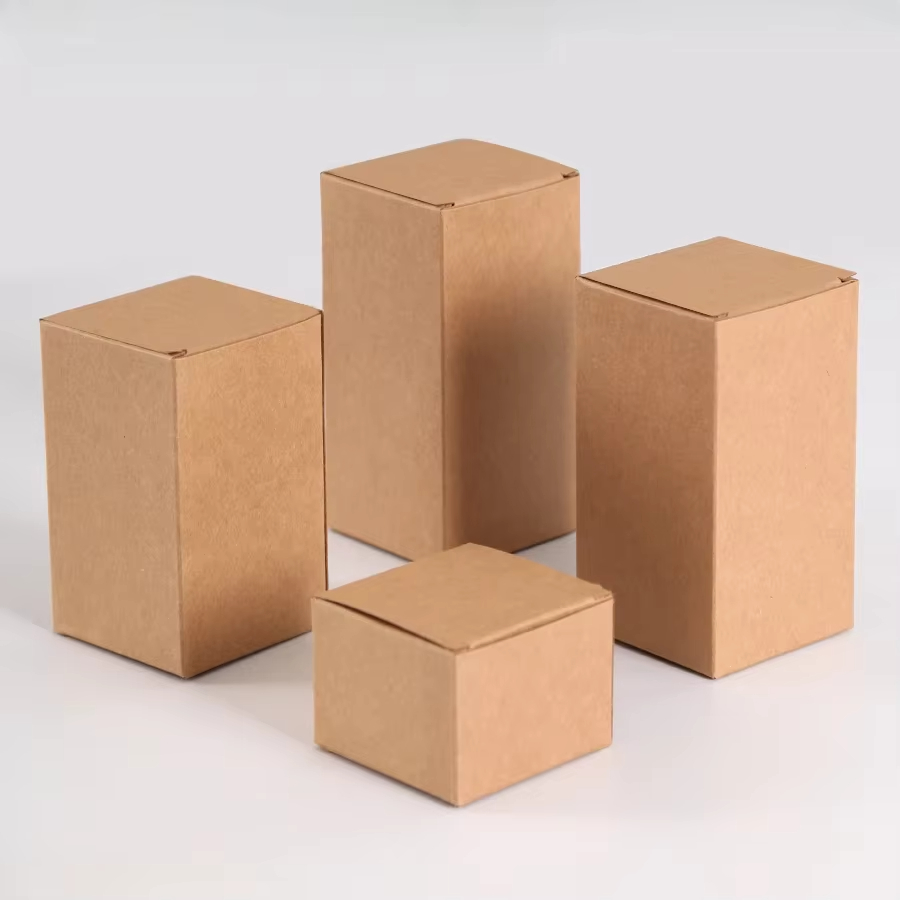
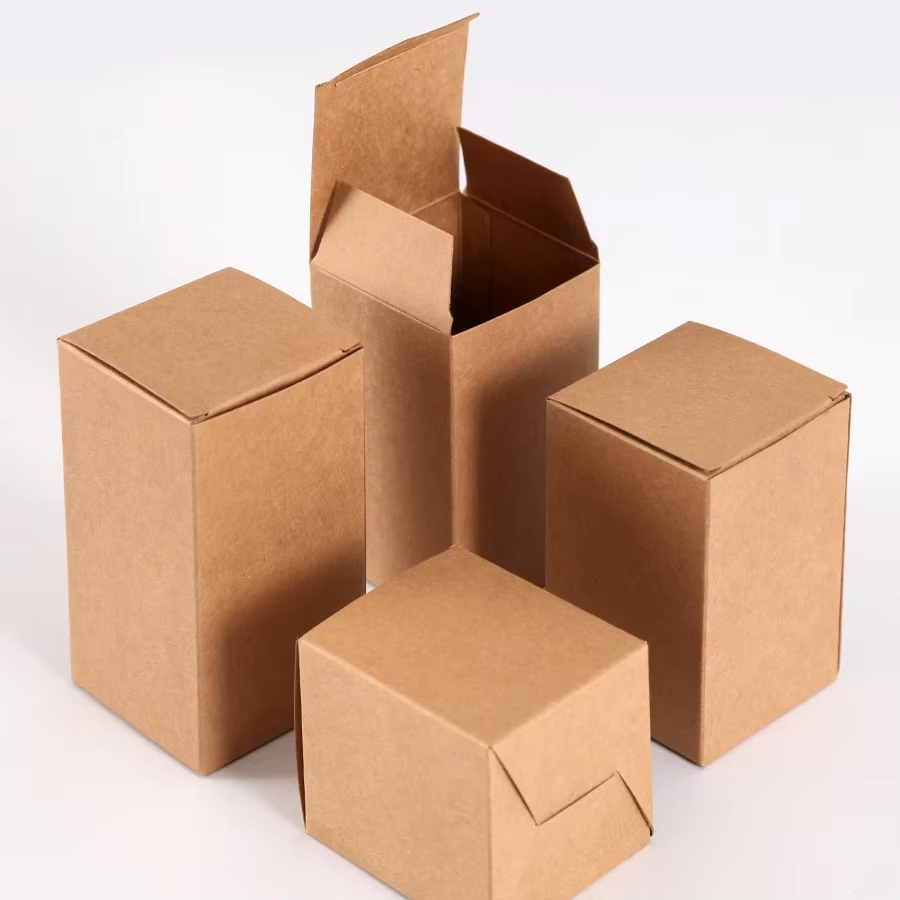
Kraft paper boxes are versatile packaging solutions manufactured from kraft paper, a durable material produced through the kraft pulping process that retains wood fibers' natural strength. These boxes serve multiple functions across retail, e-commerce, food service, and industrial sectors. The primary purpose of kraft paper boxes is to provide robust protection for products during storage, handling, and transportation while offering an eco-friendly alternative to plastic packaging. Kraft paper boxes feature exceptional structural integrity due to their thick paperboard construction, typically ranging from 250 to 600 GSM depending on application requirements. The manufacturing process involves precision die-cutting, folding, and gluing techniques that ensure consistent quality and dimensional accuracy. These boxes come in various configurations including folding cartons, rigid boxes, mailer boxes, and gift boxes, each designed for specific packaging needs. The natural brown appearance of kraft paper boxes provides an authentic, rustic aesthetic that appeals to environmentally conscious consumers and brands seeking sustainable packaging options. Technological features include moisture-resistant coatings, grease-proof barriers for food applications, and customizable printing capabilities using water-based inks or flexographic printing methods. Applications span multiple industries: retail stores use kraft paper boxes for product packaging and gift wrapping, restaurants utilize them for takeout containers, e-commerce businesses rely on them for shipping merchandise, and manufacturers employ them for parts storage and distribution. The recyclable and biodegradable nature of kraft paper boxes makes them compliant with environmental regulations and corporate sustainability initiatives.
 EN
EN