 EN

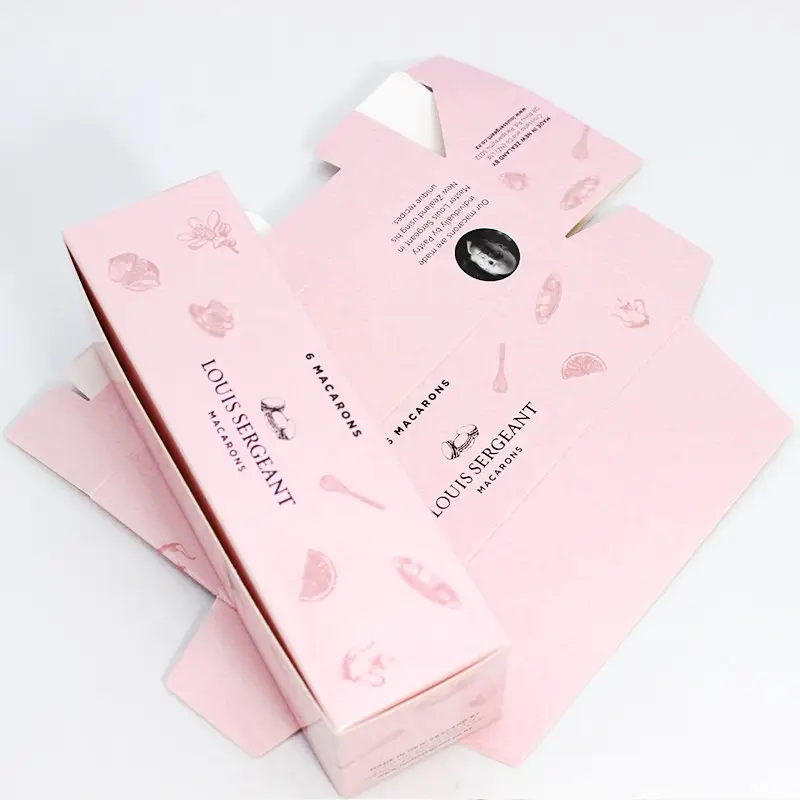
Color inconsistency across packaging production batches remains one of the most persistent quality challenges in the corrugated and printed packaging industry. When your packaging production generates color variations between batches, it undermines brand identity, customer trust, and market positioning. Whether you produce cardboard boxes, custom packaging, or corrugated cartons, achieving uniform color across multiple packaging production runs requires systematic attention to material sourcing, equipment calibration, process control, and environmental management. Understanding the root causes of color drift during packaging production and implementing preventive strategies directly impacts your competitive advantage and customer satisfaction.
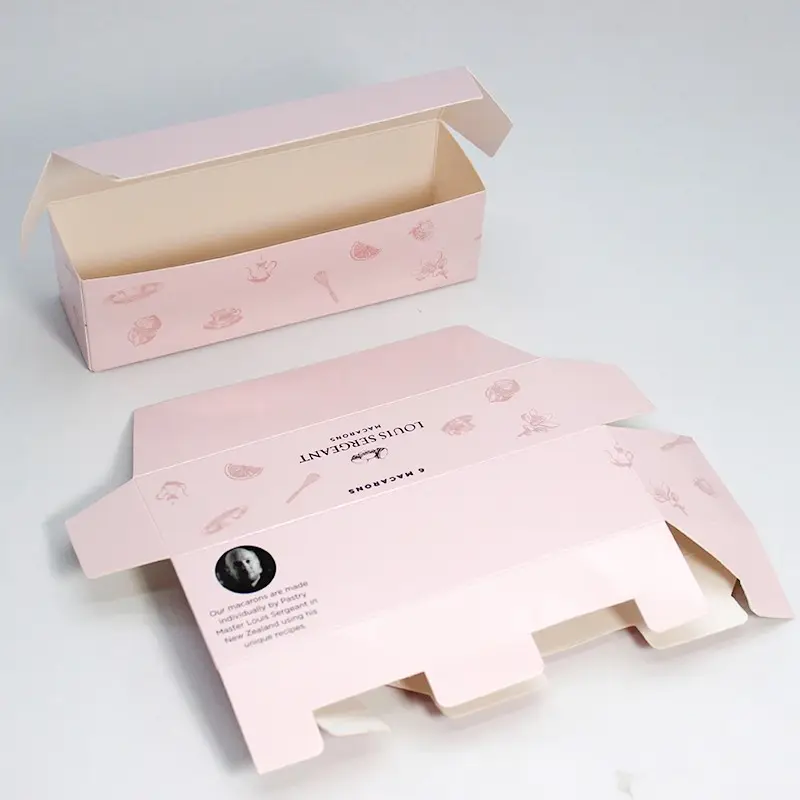
Major brands lose millions annually due to packaging production color mismatches that force waste, reprints, and customer rejections. The financial and reputational cost of uncontrolled color variation in packaging production extends beyond scrap rates to include brand dilution, supply chain friction, and lost market opportunities. This guide provides actionable methods to prevent color differences in your packaging production operations, enabling you to maintain visual consistency, reduce waste, and deliver packaging that meets client expectations every single time.
Understanding Root Causes of Color Variation in Packaging Production
Material and Ink Supply Chain Factors
Color variation in packaging production begins upstream, with raw material sourcing and ink procurement. Different suppliers, manufacturing lots, or storage conditions for substrate materials—including coated papers, uncoated cardstock, and corrugated board used in packaging production—introduce subtle shade differences before printing even begins. Inks vary significantly by manufacturer, formulation batch, and storage duration; old ink behaves differently than fresh ink during packaging production. When your packaging production team sources substrate or inks from multiple vendors without strict specification controls, batch-to-batch color drift becomes inevitable. Establishing long-term relationships with verified suppliers, maintaining detailed material certification records, and enforcing shelf-life management protocols directly reduce color variation in packaging production operations.
Equipment Calibration and Maintenance Issues
Printing equipment in packaging production gradually drifts out of calibration due to mechanical wear, temperature fluctuations, and daily operational stress. Press rollers, impression cylinders, and ink transfer mechanisms degrade slowly; color separation plates and digital registration systems lose precision over time. When your packaging production equipment runs without regular calibration and maintenance, color consistency suffers proportionally. Worn rollers apply ink unevenly, misregistration causes color shifts, and temperature-dependent ink viscosity changes alter final hue. Implementing preventive maintenance schedules, conducting daily color reference checks, and performing equipment recalibration between major packaging production jobs ensures stable, repeatable output. Many leading manufacturers schedule formal equipment audits monthly during intensive packaging production seasons.
Implementing Process Controls for Consistent Packaging Production
Environmental Standardization in Packaging Production Facilities
Temperature and humidity directly influence ink behavior, paper absorption rates, and color perception during packaging production. Paper substrate expands and contracts with humidity; ink viscosity and drying speed shift with temperature; even lighting conditions in your packaging production facility affect quality perception. When your packaging production facility operates without climate controls, seasonal changes alone trigger visible color differences between spring and winter batches. Maintaining stable temperature between 68–72°F and relative humidity between 45–55% throughout your packaging production environment minimizes material and ink response variability. Installing continuous monitoring systems, adjusting HVAC settings before major packaging production runs, and training staff on environmental protocols ensures reproducible conditions that support color consistency.
Color Measurement and Documentation Standards
Subjective visual assessment cannot control color drift in modern packaging production. Spectrophotometers measure precise color values in standardized color spaces (L*a*b*, CIE XYZ), allowing your packaging production team to track numeric deviation from approved standards. Each packaging production batch should include printed color patches measured immediately after production and again after drying time stabilizes. Documenting these measurements creates a historical baseline that reveals gradual color drift trends before they become visible to customers. When your packaging production process includes formal color data collection, tolerance ranges become negotiable with clients based on industry standards (typically ±2–3 ΔE units for corrugated packaging). Digital color management systems integrate spectrophotometer data with production logs, enabling rapid root cause analysis when packaging production batches fall outside tolerance.
Quality Assurance Strategies Across Packaging Production Cycles
Batch Traceability and Process Documentation
Complete traceability transforms packaging production troubleshooting from reactive firefighting into proactive pattern detection. Every packaging production batch should record substrate lot numbers, ink batch codes, press settings, equipment serial numbers, operator identity, environmental readings, and color measurement data. When a packaging production run exhibits color deviation, this documented history enables rapid identification of whether the issue originated from material variables, equipment drift, or process error. Traceability systems also reveal whether color problems correlate with specific suppliers, equipment, time periods, or operator shifts—insight that guides corrective action more effectively than random investigation. Digital production management platforms now embed real-time data collection directly into packaging production workflows, eliminating manual entry errors and creating searchable records for pattern analysis.
Operator Training and Standardized Work Procedures
Inconsistent operator practices introduce avoidable color variation into packaging production. Different crew members may adjust ink flow, screen tension, pressure settings, or substrate alignment differently, each creating subtle color shifts across packaging production batches. Standardized work procedures document exact steps, acceptable parameter ranges, and decision logic for all packaging production operations. When your packaging production team receives formal training on color theory, equipment operation, material handling, and troubleshooting, staff capability becomes a consistency asset rather than a liability. Cross-training multiple operators reduces packaging production disruption and builds institutional knowledge that protects against staff turnover. Regular retraining sessions—especially when equipment changes or specifications tighten—reinforce best practices and catch drift in operator technique before it affects packaging production quality.
FAQ
What causes the most common color differences in packaging production batches?
The most frequent culprits are uncontrolled environmental conditions (temperature and humidity swings in your packaging production facility), inconsistent ink sourcing across batches, and gradual equipment calibration drift. Substrate material variation from different suppliers or inventory lots contributes significantly to color drift in packaging production. Most facilities eliminate 60–70% of color problems by stabilizing environment and implementing equipment maintenance protocols for their packaging production operations.
How often should we measure color during packaging production?
Best practice for packaging production calls for color measurement at the beginning of each shift, at the start of every new batch, and at regular intervals (typically every 30–60 minutes) during extended packaging production runs. Immediate post-production measurement captures fresh ink conditions; measurement again after drying time (4–8 hours) reveals ink settling effects. This frequency catches packaging production color drift early, before significant waste accumulates, and provides data density sufficient for trend analysis and root cause investigation.
Can packaging production color consistency be achieved without expensive new equipment?
Yes. Most color variation in packaging production stems from process control gaps rather than equipment limitations. Environmental standardization (fans, humidifiers, thermostats), disciplined maintenance scheduling, operator training, and color measurement protocols represent low-cost, high-impact improvements to packaging production consistency. Many manufacturers achieve 80%+ color consistency improvement through process optimization before considering equipment replacement. Advanced packaging production solutions integrate these controls into streamlined workflows, maximizing existing asset performance and reducing operational complexity.
