 EN
EN

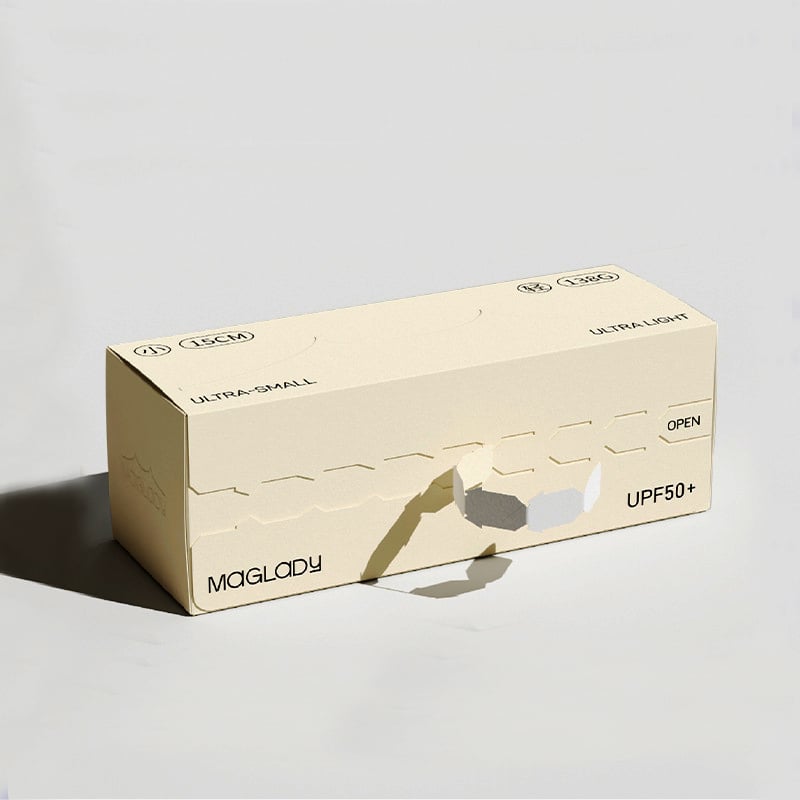
Choosing the right paper box is one of the most consequential packaging decisions a brand can make. Whether you are shipping fragile cosmetics, presenting premium gifts, or displaying consumer goods on a retail shelf, the structural integrity and visual appeal of the paper box directly influence how buyers perceive your product. A poorly chosen box can lead to damage in transit, weak shelf presence, and lost sales, while the right choice builds brand trust from the very first unboxing moment.
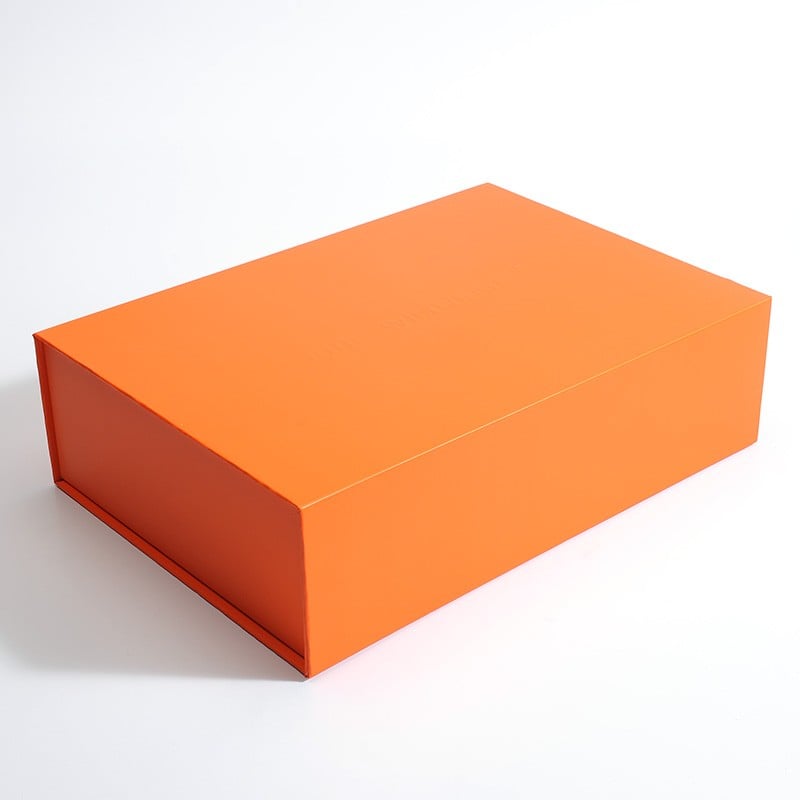
This guide walks through the essential selection criteria for a paper box that balances protection, presentation, and practical logistics. From material construction and structural design to surface finishing and retail display considerations, every factor examined here is aimed at helping B2B buyers and brand managers make informed, confident decisions. Understanding how each variable affects both product safety and consumer perception will ensure the paper box you choose serves every stage of the supply chain without compromise.
Understanding the Purpose Behind Your Paper Box Choice
Protection as the Primary Function
Before any aesthetic consideration enters the conversation, the paper box must be evaluated for its ability to protect the product inside. This means analyzing the product's weight, fragility, surface sensitivity, and exposure risk during storage and shipping. A paper box constructed with thick rigid board offers excellent resistance to compression and impact, making it suitable for glassware, electronics accessories, and delicate gift items that cannot tolerate any deformation.
The board thickness, measured in GSM or millimeters depending on the construction method, determines how much structural rigidity the paper box provides. Rigid boxes typically use greyboard or chipboard wrapped in decorative paper, while folding carton boxes use single-ply coated paperboard. The choice between these two primary formats depends on the product's vulnerability and the environment it will travel through. If the supply chain includes multiple handling touchpoints, a heavier rigid construction dramatically reduces the risk of damage.
Interior fitments further enhance the protective function of a paper box. Foam inserts, paper pulp trays, ribbon lifts, and custom die-cut card partitions all serve to hold the product securely in position, preventing movement that causes scuffs, chips, or breakage. Selecting the right combination of box construction and interior support transforms the paper box from a simple container into a purpose-built protective system tailored to your product's specific vulnerabilities.
Display and Brand Presentation Goals
Alongside protection, the paper box functions as a direct brand ambassador at the point of sale or during an unboxing experience. Retail environments are competitive, and a paper box that communicates quality, care, and brand identity gives products a measurable edge over competitors using generic packaging. The exterior surface of the paper box is the first canvas available for color, texture, typography, and structural differentiation.
Brands selling through premium retail channels or e-commerce platforms should treat the paper box design as an extension of their overall brand experience. The tactile feel of the box surface, the way it opens, and the presentation of the product inside all contribute to perceived value. A magnetic closure flap-open paper box, for instance, creates a deliberate, ceremonial opening experience that signals luxury and intentionality, while a simple tuck-end carton communicates efficiency and accessibility.
Understanding your target audience's expectations is critical at this stage. A paper box for a high-end skincare brand must feel premium at every touchpoint, from the weight of the board to the precision of the printing. A paper box for a mass-market FMCG product, by contrast, must prioritize production speed, cost efficiency, and shelf visibility through bold, high-contrast graphics. Defining these display goals early ensures the box format, material, and finish all align with the brand's market positioning.
Key Structural Formats and When to Use Them
Rigid Collapsible Paper Box Formats
Rigid collapsible paper boxes represent a significant advancement in premium packaging logistics. Traditional rigid boxes offer exceptional structural quality but occupy full cubic volume during shipping and storage, driving up freight costs. Collapsible rigid boxes solve this problem by using a flat-fold construction that allows the paper box to be shipped and stored flat and then assembled at the point of use without tools or adhesives. This format retains the premium feel of a rigid paper box while dramatically improving supply chain efficiency.
This style of paper box is particularly well-suited for luxury goods, high-value gifts, and seasonal product lines where presentation is paramount but storage space is limited. The magnetic closure mechanism common in this format adds a tactile premium element that reinforces brand quality. The ability to customize the exterior wrap paper, interior lining, and closure hardware means the collapsible rigid paper box can be tailored precisely to a brand's visual and physical specifications.
From a production standpoint, rigid collapsible formats require precise engineering to ensure the fold mechanism operates reliably over repeated use. The quality of the greyboard, the precision of the scoring lines, and the strength of the magnetic closure hardware all affect long-term performance. Buyers should request samples and conduct real-world use testing before committing to large production volumes of any new paper box format.
Folding Carton and Specialty Structures
Folding carton paper box formats are the most widely used in consumer goods across food, cosmetics, pharmaceuticals, and electronics accessories. They are produced from a single sheet of coated or uncoated paperboard, die-cut and scored to fold into a finished box. The efficiency of this manufacturing process makes folding cartons cost-effective at high volumes, and the wide range of structural configurations available means this paper box type can be adapted for almost any product category.
Common folding carton structures include straight tuck-end, reverse tuck-end, auto-bottom, and sleeve-and-tray combinations. Each structure has specific advantages in terms of assembly speed, opening convenience, and stackability. A sleeve-and-tray paper box, for example, creates a premium two-part unboxing experience while offering strong product support from the inner tray. An auto-bottom structure speeds up assembly on the production line, making it ideal for high-volume packaging operations.
Specialty structures such as window cartons, pillow boxes, and hexagonal paper box formats serve niche display purposes where visual differentiation at the shelf level is a priority. These formats often sacrifice some structural rigidity in favor of visual impact, so they are best suited for products that require minimal protective packaging but benefit greatly from distinctive presentation. Matching the structural format to the product's actual weight, size, and fragility is always the baseline selection criterion before any specialty structure is considered.
Material Selection and Surface Finishing Options
Choosing the Right Board and Paper Combination
The physical material of a paper box determines its strength, print quality, recyclability, and tactile character. For rigid box construction, greyboard density typically ranges from 1,200 to 2,400 GSM, with higher densities providing greater rigidity for larger or heavier products. The outer wrap paper, usually between 100 and 160 GSM, carries the printed design and surface finish, while the inner lining paper provides a clean, professional interior presentation.
For folding carton formats, the most common materials are solid bleached sulphate, coated unbleached kraft, and coated duplex board. Solid bleached sulphate offers the cleanest white base for high-fidelity color printing and is standard in cosmetics and food packaging. Coated kraft provides a natural brown tone that works well for brands emphasizing sustainability and organic aesthetics. The choice of paper substrate affects every downstream decision, including print method, coating options, and overall cost per unit.
Sustainability is an increasingly important factor in paper box material selection. Buyers are under growing pressure from both consumers and regulatory bodies to use recycled content, FSC-certified paper, and coatings that do not compromise recyclability. Water-based coatings and soy-based inks have become industry standards in many markets, and brands that commit to these materials can communicate environmental responsibility directly through their paper box messaging and certifications.
Surface Finishes That Elevate Perceived Value
The surface finish applied to a paper box profoundly affects how it feels in the hand and how it reflects light on a retail shelf. Matte lamination creates a soft, tactile surface that communicates understated luxury, while gloss lamination provides a high-shine appearance that increases color vibrancy and visual pop. Soft-touch lamination goes a step further, producing a velvety surface that feels distinctly premium and is increasingly popular in cosmetics and spirits packaging.
Spot UV coating allows specific graphic elements on the paper box to be raised and glossed while the surrounding surface remains matte, creating a sophisticated contrast effect that draws the eye to logos, product names, or decorative motifs. Hot foil stamping applies metallic or holographic film to defined areas of the box surface, adding a reflective, high-value finish that communicates prestige effectively at the retail level. These techniques can be combined on a single paper box to create layered visual and tactile effects that are difficult to replicate without careful craftsmanship.
Embossing and debossing create three-dimensional relief patterns in the paper box surface, adding a tactile dimension that printing alone cannot achieve. A debossed brand logo on the lid of a rigid paper box, for instance, creates a premium impression that consumers associate with quality and attention to detail. When selecting finishes, it is important to balance visual ambition with production feasibility and budget, as complex multi-finish paper box designs require additional production steps and longer lead times.
Dimensional Accuracy and Functional Considerations
Getting the Sizing Right for Product Fit
A paper box that is too large for its contents shifts during transit, increasing the risk of product movement and damage. A paper box that is too tight places stress on seams and closures, potentially causing structural failure before the product reaches the end consumer. Precise dimensional specification is therefore one of the most critical steps in the paper box selection process, and it requires careful measurement of the product at its widest, tallest, and deepest points, including any primary packaging the product already carries.
Industry standard practice recommends adding a tolerance allowance of two to four millimeters on each interior dimension to ensure the product fits cleanly without excessive movement. For products with irregular shapes, custom die-cut inserts should be specified alongside the paper box to fill void space and immobilize the contents. This insert-plus-box system approach ensures the paper box delivers consistent protection regardless of how it is oriented during handling and shipping.
For collapsible or flat-pack paper box formats, dimensional accuracy is doubly important because the folding mechanism must align precisely for the box to assemble correctly in the field. Tolerance errors in scoring or creasing can result in boxes that do not close flush, closures that do not align, or magnetic elements that do not engage properly. Requesting pre-production prototypes and conducting dimensional verification before mass production is a standard quality assurance step that protects against costly rework.
Closure Mechanisms and Opening Experience Design
The closure mechanism of a paper box is a functional and experiential element that shapes the consumer's perception from the moment they pick up the package. Tuck flap closures are simple and cost-effective but offer minimal resistance to accidental opening, making them better suited for lightweight retail products than for premium or fragile items. Magnetic closures, by contrast, provide a secure, satisfying engagement that communicates quality and protects the contents reliably across multiple open-and-close cycles.
Sleeve-pull and ribbon-lift mechanisms add a ceremonial quality to the unboxing process that is particularly effective for gift packaging and luxury goods. The resistance and pace of the opening sequence can be engineered through the fit tolerance of the sleeve, the ribbon weight, and the interior fitment design. Brands that invest in designing the opening experience of their paper box often see measurable gains in social sharing, customer satisfaction scores, and repeat purchase rates.
Functional closure requirements must also account for the distribution environment. A paper box destined for direct-to-consumer e-commerce shipments needs to withstand the compressive and vibration forces of courier logistics, which are more aggressive than retail shelf conditions. Adding perforated tear strips, locking tabs, or secondary adhesive seals can reinforce the paper box closure for e-commerce applications without significantly affecting the opening experience at the consumer end.
Aligning Paper Box Selection with Logistics and Volume Requirements
Production Volume and Lead Time Planning
The volume of paper box units required has a direct impact on which formats and finishing options are economically viable. Rigid paper box construction is generally more labor-intensive than folding carton production, resulting in higher per-unit costs at low volumes. However, at higher order quantities, the unit cost difference narrows, and the premium presentation value of the rigid paper box more than justifies the investment for brands operating in the mid-to-luxury market tier.
Lead time is a function of both structural complexity and supply chain location. A simple printed folding carton paper box may have a production lead time of two to three weeks, while a rigid collapsible paper box with custom foil stamping, soft-touch lamination, and magnetic hardware may require six to ten weeks from artwork approval to delivery. Factoring these lead times into product launch calendars and seasonal campaign planning prevents the common mistake of treating the paper box as a last-minute production item.
Minimum order quantities vary significantly by manufacturer and paper box format. Rigid box production often starts at 500 to 1,000 units, while folding carton runs may begin at 1,000 to 5,000 units depending on the die complexity and finishing requirements. Brands with lower volume needs should evaluate collapsible rigid formats that amortize setup costs more efficiently, or consider short-run digital printing options where the paper box design requires frequent updates or personalization.
Storage, Shipping Efficiency, and Sustainability Compliance
The dimensional footprint of a paper box in its flat-packed state directly affects warehouse storage costs and inbound freight expenses. Collapsible rigid paper box formats offer a significant advantage here, as they can be stored flat at four to six times the density of pre-assembled rigid boxes. For brands with limited warehouse space or those importing paper box stock from overseas suppliers, this flat-pack efficiency translates directly into meaningful cost savings per square meter of storage.
Shipping efficiency also affects the choice of paper box outer dimensions. Oversized boxes incur dimensional weight penalties with most major freight carriers, making it economically rational to optimize the paper box footprint as closely as possible to the product dimensions. When designing custom paper box specifications, including the freight carrier's dimensional weight formula in the cost modeling process ensures the final specification does not inadvertently inflate logistics costs.
Sustainability compliance is increasingly a procurement requirement rather than a voluntary brand choice. Many retail buyers and e-commerce platforms now require suppliers to demonstrate that their paper box materials meet specific recycled content or certification standards. Confirming that your chosen paper box supplier can provide FSC chain-of-custody certification, material safety data, and recyclability documentation before final specification approval prevents compliance complications later in the supply chain relationship.
FAQ
What is the most important factor when selecting a paper box for fragile products?
For fragile products, board thickness and interior fitment design are the two most critical selection factors. A rigid paper box with a high-density greyboard core provides excellent compression resistance, while custom foam or die-cut card inserts immobilize the product and prevent movement-related damage during transit. The closure mechanism should also be evaluated for its ability to maintain engagement under vibration and impact forces common in courier logistics.
How does a magnetic closure affect the selection and cost of a paper box?
A magnetic closure adds both functional security and a premium unboxing experience to a paper box, but it does increase the unit cost due to the added hardware and assembly labor involved. The magnetic elements must be precisely positioned and tested for closure strength to ensure consistent performance. For luxury or gift-oriented products where perceived value justifies the premium, a magnetic closure paper box typically delivers a strong return on the additional investment through improved brand perception and customer satisfaction.
Can a paper box format be used for both retail display and e-commerce shipping?
Yes, but the paper box must be designed with both environments in mind from the start. Retail display prioritizes visual impact, clean shelf presence, and quick consumer accessibility. E-commerce shipping requires robust closure integrity, resistance to compression and vibration, and protection against moisture exposure. A rigid collapsible paper box with reinforced closures and fitted interior inserts can serve both purposes effectively, though some brands choose to use a dual-packaging approach with a display paper box nested inside a plain shipping outer for maximum protection.
What surface finish is recommended for a luxury paper box intended for gift packaging?
For luxury gift packaging, a combination of soft-touch matte lamination on the base surface with selective spot UV or hot foil stamping on key graphic elements is the most widely used and effective approach. This combination creates a tactile contrast between the velvety matte background and the reflective or glossy accents, signaling premium quality without being visually overwhelming. A debossed or embossed brand mark on the paper box lid further reinforces the sense of craftsmanship and intentional design that defines luxury packaging.
Table of Contents
- Understanding the Purpose Behind Your Paper Box Choice
- Key Structural Formats and When to Use Them
- Material Selection and Surface Finishing Options
- Dimensional Accuracy and Functional Considerations
- Aligning Paper Box Selection with Logistics and Volume Requirements
-
FAQ
- What is the most important factor when selecting a paper box for fragile products?
- How does a magnetic closure affect the selection and cost of a paper box?
- Can a paper box format be used for both retail display and e-commerce shipping?
- What surface finish is recommended for a luxury paper box intended for gift packaging?
