 EN
EN

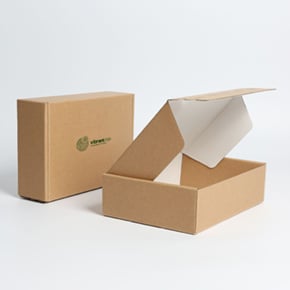
लक्ज़री पैकेजिंग अब केवल सुरक्षा के लिए बाहरी परत नहीं रही है। प्रीमियम ब्रांडों के लिए, यह उत्पाद अनुभव का हिस्सा है, ब्रांड की कहानी का अंग है, और ग्राहक का उत्पाद के साथ पहला शारीरिक अंतःक्रिया है। कॉस्मेटिक्स, ज्वेलरी, फैशन एक्सेसरीज़, इलेक्ट्रॉनिक्स, उपहार और प्रीमियम खाद्य पदार्थ जैसे उद्योगों में, पैकेजिंग डिज़ाइन धारण की गई वैल्यू, ग्राहक विश्वास और खरीद निर्णयों में प्रमुख भूमिका निभाता है।
बी2बी खरीदारों के लिए, कस्टम लक्ज़री पैकेजिंग का चयन केवल उसकी बाहरी उपस्थिति के बारे में नहीं है। इसमें सामग्री का चयन, संरचना, फिनिशिंग, न्यूनतम ऑर्डर मात्रा (MOQ) की योजना बनाना और उत्पादन की संभवता भी शामिल है। एक सफल पैकेजिंग परियोजना में ब्रांड छवि, कार्यक्षमता और विनिर्माण दक्षता को एक समन्वित समाधान में संयोजित करना आवश्यक है।
यह गाइड कस्टम लक्ज़री पैकेजिंग डिज़ाइन के पेशेवर सोर्सिंग दृष्टिकोण को समझाता है, जिसमें सामग्री के चयन, बॉक्स संरचनाओं, फिनिशिंग विकल्पों और व्यावहारिक बी2बी विचारों पर विशेष ध्यान दिया गया है।
1. ब्रांड पोज़िशनिंग से शुरुआत करें
सामग्री या संरचनाओं का चयन करने से पहले, खरीदारों को सबसे पहले उत्पाद की ब्रांड स्थिति को परिभाषित करना चाहिए। लक्ज़री पैकेजिंग को ब्रांड के बाज़ार स्तर को प्रतिबिंबित करना चाहिए, न कि केवल दिखावट के लिए सजावटी तत्वों को जोड़ना।
उदाहरण के लिए, एक प्रीमियम स्किनकेयर ब्रांड को शानदार और न्यूनतमवादी पैकेजिंग की आवश्यकता हो सकती है जिसमें सूक्ष्म टेक्सचर और सटीक मुद्रण हो। एक ज्वेलरी या उपहार ब्रांड को एक अधिक कठोर और प्रस्तुति-केंद्रित बॉक्स की आवश्यकता हो सकती है जिसमें मजबूत दृश्य प्रभाव हो। एक लक्ज़री इलेक्ट्रॉनिक्स ब्रांड को प्रीमियम उपस्थिति और व्यावहारिक सुरक्षा के बीच संतुलन पसंद हो सकता है।
यही कारण है कि B2B खरीदारों को कुछ मुख्य प्रश्नों के साथ शुरुआत करनी चाहिए:
- पैकेजिंग किस स्तर की प्रीमियम अनुभूति प्रदान करनी चाहिए?
- क्या ध्यान उपहार प्रस्तुति, रिटेल शेल्फ प्रभाव या अनबॉक्सिंग अनुभव पर केंद्रित है?
- क्या ब्रांड छवि को सरलता, परिष्कृतता या बोल्ड दृश्य पहचान की आवश्यकता है?
- क्या पैकेजिंग का उपयोग लंबे समय तक चलने वाली उत्पाद लाइनों के लिए किया जाएगा या सीमित मौसमी संग्रहों के लिए?
जब ब्रांड की दिशा स्पष्ट हो जाती है, तो डिज़ाइन और सामग्री संबंधी निर्णय बहुत आसान और अधिक सुसंगत हो जाते हैं।
2. सही पैकेजिंग संरचना का चयन करें
लक्ज़री पैकेजिंग में, सतह के डिज़ाइन के साथ-साथ संरचना भी उतनी ही महत्वपूर्ण होती है। बॉक्स की शैली उत्पाद की सुरक्षा, उपयोगकर्ता अनुभव, असेंबली, भंडारण की दक्षता और धारण की गई मूल्य को प्रभावित करती है।
कई प्रीमियम पैकेजिंग परियोजनाओं के लिए, कागज़-आधारित बॉक्स समाधान अभी भी सबसे लचीले विकल्पों में से एक बने हुए हैं, क्योंकि वे कस्टम मुद्रण, कई सतह उपचारों और कठोर या फोल्डेबल संरचनाओं की विस्तृत श्रृंखला का समर्थन करते हैं। VT Packaging की वेबसाइट पर, कागज़ के बॉक्स श्रेणी में ब्रांडेड पैकेजिंग और कस्टम प्रस्तुति के लिए उपयुक्त पैकेजिंग प्रारूपों का एक विस्तृत चयन दिखाया गया है।
सामान्य लक्ज़री संरचना विकल्पों में शामिल हो सकते हैं:
- ढकन और आधार बॉक्स
- दराज के बक्से
- चुंबकीय समापन बॉक्स
- फोल्डेबल कठोर बॉक्स
- प्रदर्शन-उन्मुख कागज़ के बॉक्स
- कस्टम इंसर्ट या आंतरिक लाइनिंग के साथ कागज़ के बॉक्स
सही संरचना उत्पाद के प्रकार, परिवहन आवश्यकताओं, खोलने के अनुभव और लक्ष्य मूल्य स्तर पर निर्भर करती है। एक गहने का उपहार बॉक्स और एक कॉफी पैकेजिंग बॉक्स दोनों "प्रीमियम" हो सकते हैं, लेकिन उन्हें अक्सर बहुत अलग संरचनाओं की आवश्यकता होती है।
विभिन्न पैकेजिंग समाधानों की तुलना करने वाले खरीदारों के लिए, हमारा पेपर बॉक्स श्रेणी पृष्ठ लक्ज़री और ब्रांडेड उपयोग के लिए कस्टम कागज पैकेजिंग शैलियों का एक व्यापक दृश्य प्रदान करता है।
3. डिज़ाइन को अंतिम रूप देने से पहले सामग्री के चयन को समझें
सामग्री का चयन कस्टम लक्ज़री पैकेजिंग डिज़ाइन के सबसे महत्वपूर्ण हिस्सों में से एक है। समान कलाकृति उपयोग की गई बोर्ड, कागज की सतह, कठोरता और आंतरिक सहारा प्रणाली के आधार पर बहुत अलग परिणाम उत्पन्न कर सकती है।
लक्ज़री पैकेजिंग के खरीदारों को सामग्री के चयन को कई कोणों से देखना चाहिए:
- दृश्य उपस्थिति
- सतह की स्पर्श संवेदना
- संरचनात्मक शक्ति
- प्रिंटिंग संगतता
- इंसर्ट और लाइनिंग संगतता
- बजट नियंत्रण
VT पैकेजिंग की वेबसाइट पर, कंपनी केवल बाहरी डिब्बे के उत्पादन पर ही ध्यान केंद्रित नहीं करती है, बल्कि आंतरिक लाइनर और सहायक सामग्री के समर्थन पर भी जोर देती है, जिसमें रिबन, स्टिकर, हैंगटैग, कागज के बैग, स्पंज के आंतरिक ट्रे, फोम की स्थिति निर्धारण और अन्य लाइनिंग समाधान शामिल हैं। इसका अर्थ है कि सामग्री का चयन केवल बाहरी आवरण तक ही सीमित नहीं होना चाहिए। एक लक्ज़री पैकेज अक्सर बाहरी डिब्बे, आंतरिक सुरक्षा और सजावटी विवरणों के पूर्ण संयोजन पर निर्भर करता है।
उदाहरण के लिए, एक प्रीमियम रिजिड पेपरबोर्ड बॉक्स घड़ियों, गहनों या उच्च-स्तरीय उपहारों के लिए अच्छी तरह काम कर सकता है, जबकि छपाई युक्त ब्रांडिंग के साथ एक कस्टम कागज का बॉक्स कॉस्मेटिक्स, कॉफी या खुदरा प्रस्तुति पैकेजिंग के लिए अधिक उपयुक्त हो सकता है। मुख्य बात यह है कि सामग्री के चयन को अंतिम उत्पाद के उपयोग के अनुसार सुसंगत बनाया जाए, न कि बिना सोचे-समझे रुझानों का अनुसरण किया जाए।
4. समाप्ति विवरण प्रीमियम धारणा निर्माण करते हैं
लक्ज़री पैकेजिंग में, समाप्ति (फिनिशिंग) अक्सर एक मानक बॉक्स को प्रीमियम ब्रांड अनुभव में बदल देती है। सतह के उपचार दृश्य मूल्य और स्पर्श संवेदना दोनों को प्रभावित कर सकते हैं।
वीटी पैकेजिंग की वेबसाइट पर, कंपनी छपाई सहित कई उत्पादन क्षमताओं और एक संपूर्ण पैकेजिंग समाधान दृष्टिकोण का उल्लेख करती है। व्यवहार में, बी2बी लक्ज़री पैकेजिंग परियोजनाएँ अक्सर निम्नलिखित समाप्ति विकल्पों पर विचार करती हैं:
- मैट या ग्लॉसी लैमिनेशन
- एमबॉसिंग या डेबॉसिंग
- फ़ॉइल स्टैम्पिंग
- स्पॉट UV
- टेक्सचर्ड कागज की सतहें
- खिड़की डिज़ाइन
- रिबन या हैंगटैग जैसे सजावटी एक्सेसरीज़
इन समाप्ति विवरणों को यादृच्छिक रूप से नहीं जोड़ा जाना चाहिए। खरीदारों को ऐसे समापन विकल्प चुनने चाहिए जो ब्रांड छवि का समर्थन करें और उत्पादन के पैमाने तथा बजट के भीतर व्यवहार्य रहें। बहुत सारे सजावटी तत्व जटिलता को बढ़ा सकते हैं, लेकिन ब्रांड मूल्य में सुधार नहीं कर सकते। दूसरी ओर, कागज की बनावट, छपाई के समापन और बॉक्स की संरचना का सही संयोजन धारणात्मक गुणवत्ता में काफी सुधार कर सकता है।
5. आंतरिक पैकेजिंग के अनुभव को नज़रअंदाज़ न करें
लक्ज़री पैकेजिंग केवल बाहरी भाग तक सीमित नहीं है। बॉक्स के अंदर का हिस्सा भी सुरक्षा और ग्राहक के धारणा के लिए समान रूप से महत्वपूर्ण भूमिका निभाता है।
वीटी पैकेजिंग विशेष रूप से स्पंज के आंतरिक ट्रे, फोम की स्थिति निर्धारण और अन्य लाइनिंग समाधानों का उल्लेख करती है। यह महत्वपूर्ण है क्योंकि लक्ज़री उत्पादों को नाजुक वस्तुओं की सुरक्षा के लिए आंतरिक सहारे की आवश्यकता होती है, साथ ही प्रस्तुति को भी बेहतर बनाया जाता है। एक अच्छी तरह से डिज़ाइन की गई आंतरिक संरचना उत्पाद को सुरक्षित रखती है, प्रदर्शन प्रभाव को बढ़ाती है और अनबॉक्सिंग अनुभव को मजबूत करती है।
बी2बी खरीदारों के लिए, आंतरिक पैकेजिंग के निर्णय निम्नलिखित को ध्यान में रखकर लिए जाने चाहिए:
- उत्पाद की भंगुरता
- भार और आकार
- प्रीमियम प्रदर्शन की आवश्यकताएँ
- परिवहन सुरक्षा की आवश्यकताएँ
- उत्पाद को स्थापित करने की सुविधा
- ब्रांड प्रस्तुति की सुसंगतता
कई उच्च-स्तरीय पैकेजिंग परियोजनाओं में, अंतिम ग्राहक धारणा को आकार देने में आंतरिक ट्रे बाहरी बॉक्स के समान ही महत्वपूर्ण होता है।
6. आपूर्ति प्रक्रिया के आरंभ में ही न्यूनतम ऑर्डर मात्रा (एमओक्यू) का मूल्यांकन करें
MOQ अनुकूलित पैकेजिंग योजना का एक प्रमुख हिस्सा है, विशेष रूप से उन लक्ज़री परियोजनाओं के लिए जहाँ सामग्री, समाप्ति और बॉक्स की संरचना में अक्सर अधिक जटिल उत्पादन प्रक्रियाएँ शामिल होती हैं।
VT पैकेजिंग की वेबसाइट के अनुसार, पूछताछ अनुभाग में MOQ दिशा-निर्देश दिखाए गए हैं, जैसे:
- कागज का बॉक्स: 5000
- कागज के बैग: 2000
- दृढ़ उपहार बॉक्स: 1000
यह खरीदारों के लिए महत्वपूर्ण है क्योंकि MOQ प्रत्यक्ष रूप से लॉन्च योजना, SKU रणनीति, इन्वेंट्री दबाव और प्रति इकाई लागत को प्रभावित करता है। जटिल संरचना और समाप्ति वाली एक लक्ज़री पैकेजिंग परियोजना बहुत छोटी मात्राओं के लिए उपयुक्त नहीं हो सकती है। खरीदारों को बॉक्स की शैलियों, मुद्रण प्रभावों और सामग्री संयोजनों की तुलना करते समय विशेष रूप से शुरुआत में ही MOQ को स्पष्ट कर लेना चाहिए।
उपयोगी B2B प्रश्नों में शामिल हैं:
- इस संरचना के लिए MOQ क्या है?
- क्या MOQ सामग्री या समाप्ति के आधार पर बदलता है?
- द्रव्यमान उत्पादन से पहले नमूने बनाए जा सकते हैं?
- क्या एक ही संरचना को कई डिज़ाइनों द्वारा साझा किया जा सकता है?
- कठोर बॉक्सों और फोल्डिंग बॉक्सों के लिए न्यूनतम ऑर्डर मात्रा (MOQ) अलग-अलग होती है?
प्रारंभिक MOQ योजना बनाने से देरी से बचा जा सकता है और ऐसे पैकेजिंग के डिज़ाइन के जोखिम को कम किया जा सकता है जिन्हें आर्थिक रूप से बड़े पैमाने पर उत्पादित करना कठिन हो।
7. पूर्ण पैकेजिंग प्रणाली के संदर्भ में सोचें
लक्ज़री पैकेजिंग अक्सर एक अकेले बॉक्स के बजाय एक पूर्ण प्रणाली के रूप में विकसित करने पर अधिक प्रभावी होती है। VT पैकेजिंग बाहरी बॉक्स, आंतरिक लाइनर, एक्सेसरीज़, स्टिकर, हैंगटैग और कागज़ के बैग सहायता सहित एक-स्टॉप समाधान पर जोर देती है। यह विशेष रूप से एक समन्वित ब्रांड पैकेजिंग प्रबंधित करने वाले B2B खरीदारों के लिए मूल्यवान है।
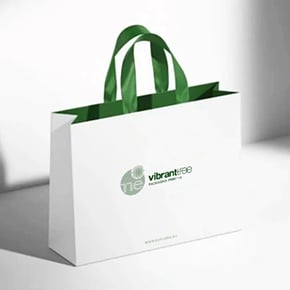
उदाहरण के लिए, एक प्रीमियम लॉन्च के लिए निम्नलिखित की आवश्यकता हो सकती है:
- एक कस्टम कागज़ का बॉक्स
- एक ब्रांडेड रिबन
- मेल करने वाला स्टिकर या सील
- एक कागज़ का शॉपिंग बैग
- सुरक्षात्मक आंतरिक इन्सर्ट
- सभी वस्तुओं पर सुसंगत लोगो मुद्रण
जब ये तत्व एक साथ स्रोतित किए जाते हैं, तो दृश्य सुसंगतता बनाए रखना, संचार को सरल बनाना और डिलीवरी समन्वय में सुधार करना आसान हो जाता है। यह प्रोजेक्ट को कई आपूर्तिकर्ताओं के बीच विभाजित करने की तुलना में अक्सर अधिक कुशल होता है।
8. आपूर्तिकर्ता की उत्पादन क्षमता का आकलन करें
एक मजबूत लक्ज़री पैकेजिंग आपूर्तिकर्ता केवल अच्छे डिज़ाइन विचार प्रदान करने के लिए ही पर्याप्त नहीं है। B2B खरीदारों को उत्पादन क्षमता, संचार की दक्षता और आदेश के निष्पादन की स्थिरता की भी समीक्षा करनी चाहिए।
VT पैकेजिंग की वेबसाइट पर, कंपनी खुद को जटिल पैकेजिंग आवश्यकताओं में 15 वर्षों के अनुभव के साथ एक-स्टॉप मुद्रण समाधान प्रदाता के रूप में प्रस्तुत करती है। यह पूर्ण पैकेजिंग सेट्स के लिए समर्थन और व्यापक अनुकूलन संभावनाओं पर भी प्रकाश डालती है। साइट के लिए खोज परिणाम भी आधुनिक उत्पादन लाइनों और व्यापक उत्पाद कवरेज को दर्शाते हैं।
खरीदारों के लिए, इसका अर्थ है कि आपूर्तिकर्ता के मूल्यांकन में निम्नलिखित शामिल होने चाहिए:
- कस्टम पैकेजिंग परियोजनाओं का अनुभव
- कई बॉक्स शैलियों और एक्सेसरीज़ का समर्थन करने की क्षमता
- न्यूनतम ऑर्डर मात्रा (MOQ) और उत्पादन आवश्यकताओं के बारे में स्पष्टता
- डिज़ाइन और उत्पादन समन्वय दोनों का प्रबंधन करने की क्षमता
- दोहराए गए ऑर्डर और ब्रांड विस्तार के लिए उपयुक्तता
एक विश्वसनीय आपूर्तिकर्ता को खरीदार को केवल शैली चयन पर ही मार्गदर्शन नहीं देना चाहिए, बल्कि यह भी बताना चाहिए कि क्या दक्षतापूर्ण और निरंतर रूप से उत्पादित किया जा सकता है।
9. डिज़ाइन और उत्पादन के बीच संतुलन बनाए रखती लक्ज़री पैकेजिंग रणनीति बनाएं
सर्वोत्तम कस्टम लक्ज़री पैकेजिंग केवल डिज़ाइन से नहीं आती है। यह ब्रांड की उपस्थिति और उत्पादन की वास्तविकता के बीच संतुलन से आती है। एक बॉक्स अवधारणा में प्रभावशाली लग सकता है, लेकिन यदि इसकी संरचना बहुत जटिल है, न्यूनतम ऑर्डर मात्रा (MOQ) बहुत अधिक है, या आंतरिक समर्थन की योजना खराब तरीके से बनाई गई है, तो यह वास्तविक व्यावसायिक उपयोग में अच्छे से काम नहीं कर सकता है।
इस कारण से, B2B खरीदारों को अपनी खरीद रणनीति निम्नलिखित के आसपास बनानी चाहिए:
- ब्रांड पोजिशनिंग
- संरचना का चयन
- सामग्री संगतता
- परिष्करण की दक्षता
- आंतरिक पैकेजिंग डिज़ाइन
- न्यूनतम ऑर्डर मात्रा (MOQ) की संभवता
- आपूर्तिकर्ता समन्वय क्षमता
जब ये कारक संरेखित होते हैं, तो लक्ज़री पैकेजिंग केवल सजावट से कहीं अधिक हो जाती है। यह एक व्यावहारिक व्यावसायिक उपकरण बन जाती है जो ब्रांड विकास, ग्राहक अनुभव और उत्पाद मूल्य का समर्थन करती है।
निष्कर्ष
कस्टम लक्ज़री पैकेजिंग डिज़ाइन प्रीमियम ब्रांड्स के लिए एक रणनीतिक निर्णय है। सही पैकेजिंग केवल दृश्य आकर्षण ही प्रदान नहीं करनी चाहिए — बल्कि यह ब्रांड पहचान का समर्थन करनी चाहिए, उत्पाद की सुरक्षा करनी चाहिए, प्रस्तुति को बेहतर बनानी चाहिए और बड़े पैमाने पर उत्पादन के लिए व्यावहारिक भी बनी रहनी चाहिए।
पैकेजिंग डिज़ाइन और सामग्री चयन के प्रति एक अधिक संरचित दृष्टिकोण अपनाकर, B2B खरीदार बेहतर स्रोत निर्णय ले सकते हैं और ऐसी पैकेजिंग बना सकते हैं जो दृश्य रूप से भी प्रभावी हो और वाणिज्यिक रूप से भी सफल हो।
यदि आप ब्रांडेड उत्पादों के लिए प्रीमियम पैकेजिंग समाधानों की खोज कर रहे हैं, तो हमारा पेपर बॉक्स संग्रह लक्ज़री पैकेजिंग परियोजनाओं के लिए कस्टम कागज़ के बॉक्स के विकल्पों की एक विस्तृत श्रृंखला प्रदान करता है।
विषय-सूची
- 1. ब्रांड पोज़िशनिंग से शुरुआत करें
- 2. सही पैकेजिंग संरचना का चयन करें
- 3. डिज़ाइन को अंतिम रूप देने से पहले सामग्री के चयन को समझें
- 4. समाप्ति विवरण प्रीमियम धारणा निर्माण करते हैं
- 5. आंतरिक पैकेजिंग के अनुभव को नज़रअंदाज़ न करें
- 6. आपूर्ति प्रक्रिया के आरंभ में ही न्यूनतम ऑर्डर मात्रा (एमओक्यू) का मूल्यांकन करें
- 7. पूर्ण पैकेजिंग प्रणाली के संदर्भ में सोचें
- 8. आपूर्तिकर्ता की उत्पादन क्षमता का आकलन करें
- 9. डिज़ाइन और उत्पादन के बीच संतुलन बनाए रखती लक्ज़री पैकेजिंग रणनीति बनाएं
- निष्कर्ष
