 EN
EN

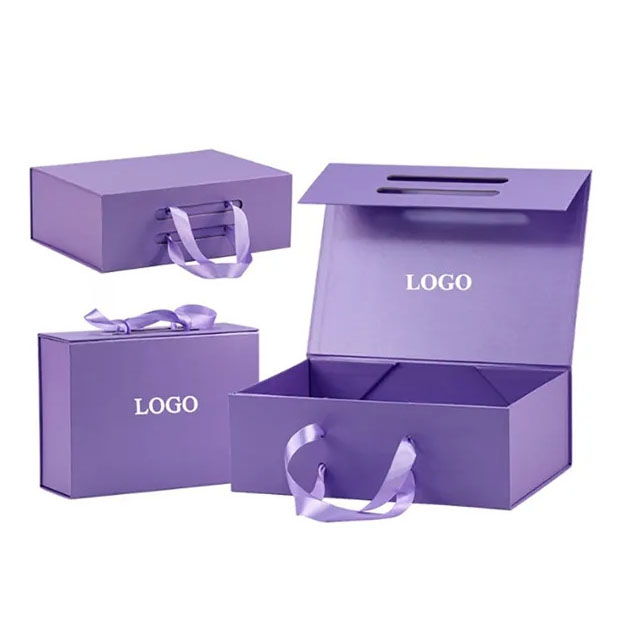
आधुनिक लॉजिस्टिक्स की तेज़ गति वाली दुनिया में, पैकेजिंग के विकल्पों का संचालनात्मक रूप से महत्वपूर्ण प्रभाव होता है। वेयरहाउसिंग की कुशलता से लेकर अंतिम-मील की डिलीवरी तक, माल के भंडारण, सुरक्षा और परिवहन के संबंध में लिए गए प्रत्येक निर्णय लागत, गति और सततता को प्रभावित करते हैं। बी2बी ऑपरेटरों के लिए उपलब्ध कई पैकेजिंग समाधानों में से, फोल्डिंग बॉक्स उभरकर एक अत्यंत बहुमुखी और रणनीतिक रूप से मूल्यवान विकल्प के रूप में सामने आए हैं। इनका डिज़ाइन, अनुकूलन क्षमता और संरचनात्मक प्रदर्शन इन्हें विविध आपूर्ति श्रृंखलाओं में उच्च मात्रा में शिपमेंट्स का प्रबंधन करने वाले व्यवसायों के लिए एक आकर्षक विकल्प बनाता है।

लॉजिस्टिक्स के संदर्भ में फोल्डिंग बॉक्स के विशिष्ट लाभों को समझने के लिए सतही सौंदर्य के परे देखना आवश्यक है। वास्तविक मूल्य इन संरचनाओं के आपूर्ति श्रृंखला चक्र के पूरे दौरान व्यवहार में निहित है — वितरण केंद्र में फ्लैट-पैक भंडारण से लेकर पैकिंग लाइन पर असेंबली, पारगमन के दौरान सुरक्षा तक और डिलीवरी के बिंदु पर प्रस्तुति तक। यह लेख उन प्रमुख लाभों की जांच करता है जो इन्हें फोल्डिंग बॉक्स लॉजिस्टिक्स-आधारित व्यवसायों के लिए एक स्मार्ट निवेश।
आपूर्ति श्रृंखला में स्थान की दक्षता
फ्लैट-पैक भंडारण और कम भंडारण लागत
का सबसे त्वरित और मापने योग्य लाभों में से एक है फोल्डिंग बॉक्स उनकी क्षमता जो फ्लैट रूप में भेजी जा सकती है और भंडारित की जा सकती है। कठोर पूर्व-निर्मित कंटेनरों के विपरीत, फोल्डिंग बॉक्स संकुचित होकर संक्षिप्त, स्टैक करने योग्य शीट्स में बदल जाते हैं जो स्थान का केवल एक छोटा हिस्सा घेरते हैं। वितरण केंद्रों और भंडारण केंद्रों के लिए, जो प्रत्येक वर्ग मीटर का अधिकतम उपयोग करने के दबाव में काम करते हैं, यह अंतर तुच्छ नहीं है — यह सीधे तौर पर कम भंडारण लागत और रैकिंग प्रणालियों के अधिक कुशल उपयोग में अनुवादित होता है।
जब कोई व्यवसाय किसी भी समय पैकेजिंग के हज़ारों यूनिट्स का स्टॉक रखता है, तो रिजिड कंटेनर्स द्वारा घेरा गया आयतन उल्लेखनीय तार्किक अवरोधों का कारण बन सकता है। फोल्डिंग बॉक्स इस अक्षमता को समाप्त कर देते हैं, क्योंकि इन्हें न्यूनतम स्थान में बड़ी मात्रा में संग्रहीत किया जा सकता है। इन्हें आवश्यकता पड़ने पर त्वरित रूप से खड़ा करने की क्षमता जस्ट-इन-टाइम कार्यप्रवाह को भी समर्थन प्रदान करती है, जिससे पूर्णता क्रिया से काफी पहले पैकेजिंग को पूर्व-असेम्बल करने की आवश्यकता कम हो जाती है।
यह फ्लैट-पैक विशेषता स्टॉक को पुनः भरने की प्रक्रिया को भी सरल बनाती है। जब फोल्डिंग बॉक्स सपाट अवस्था में भेजे जाते हैं, तो आपूर्तिकर्ता प्रति ट्रकलोड अधिक मात्रा में डिलीवर कर सकते हैं, जिससे पुनर्भरण आदेशों की आवृत्ति कम हो जाती है और आवक माल ढुलाई की लागत कम हो जाती है। पूरे वित्तीय वर्ष में, उच्च मात्रा वाले संचालनों में ये बचत महत्वपूर्ण रूप से संचित होती हैं।
आउटबाउंड शिपमेंट्स के लिए परिवहन दक्षता
आंतरिक भंडारण के अलावा, फोल्डिंग बॉक्सेज आउटबाउंड परिवहन की दक्षता में भी योगदान देती हैं। उनके सुसंगत आयाम और संरचनात्मक अखंडता के कारण शिपिंग पैलेट्स और फ्रेट कंटेनर्स में पैकिंग को भविष्यवाणी योग्य और अनुकूलित किया जा सकता है। जब बॉक्सेज को मानक आयामों के अनुसार डिज़ाइन किया जाता है, तो वे साफ़-साफ़ एक-दूसरे के साथ फिट हो जाते हैं, जिससे मृत वायु स्थान को कम किया जाता है और समकक्ष उत्पाद मात्रा को स्थानांतरित करने के लिए आवश्यक शिपमेंट्स की संख्या कम हो जाती है।
कैरियर के मूल्य निर्धारण मॉडल अब आयामी वजन को बढ़ते हुए ध्यान में रखते हैं, जिसका अर्थ है कि ऐसे पैकेज जो आंतरिक स्थान का अपव्यय करते हैं या उनके वास्तविक वजन के सापेक्ष अत्यधिक आकार के होते हैं, उन पर लागत दंड लगाया जाता है। फोल्डिंग बॉक्सेज, जब उत्पाद विशिष्टताओं के अनुसार उचित आकार की डिज़ाइन की जाती हैं, तो वे व्यवसायों को इन अतिरिक्त शुल्कों से बचने में सहायता करती हैं, क्योंकि ये पैकेज का आकार उनके अंदर की सामग्री के साथ दृढ़ता से संरेखित रहता है। यह एक रणनीतिक विचार है जिसे आगे की सोच वाले लॉजिस्टिक्स प्रबंधक जब भी पैकेजिंग प्रारूपों का मूल्यांकन करते हैं, तो प्राथमिकता देते हैं।
उत्पाद सुरक्षा और संरचनात्मक विश्वसनीयता
पर्पलेटेड और कार्डबोर्ड निर्माण प्रदर्शन
फोल्डिंग बॉक्स का संरचनात्मक प्रदर्शन मुख्य रूप से चुने गए सामग्री निर्माण पर निर्भर करता है। पर्पलेटेड वेरिएंट बहु-स्तरीय सुरक्षा प्रदान करते हैं, जो पारगमन के दौरान होने वाले प्रभाव को अवशोषित करते हैं और संपीड़न बल का प्रतिरोध करते हैं। फ्लूटेड आंतरिक परत एक अवशोषक माध्यम के रूप में कार्य करती है, जो गिरावट, कंपन और स्टैकिंग दबाव से ऊर्जा को फैलाती है। इससे पर्पलेटेड फोल्डिंग बॉक्स विशेष रूप से भारी सामान, नाजुक वस्तुओं और बहुत से हैंडलिंग चरणों से गुजरने वाले उत्पादों के लिए उपयुक्त हो जाते हैं।
एकल-दीवार और द्वि-दीवार गत्ते के विकल्प विभिन्न स्तरों की सुरक्षा प्रदान करते हैं, जिससे लॉजिस्टिक्स ऑपरेशन्स को पैकेजिंग की मजबूती को उत्पाद की संवेदनशीलता के अनुसार समायोजित करने की लचीलापन प्राप्त होता है। हल्के सामान या छोटे पारगमन मार्गों के लिए, एक मानक कार्डबोर्ड फोल्डिंग बॉक्स पर्याप्त सुरक्षा प्रदान कर सकता है, जबकि लागत को कम रखा जा सकता है। सुरक्षा स्तर को वास्तविक जोखिम के अनुसार समायोजित करने की क्षमता विविध उत्पाद श्रेणियों में फोल्डिंग बॉक्स के साथ काम करने की प्रमुख व्यावहारिक विशेषताओं में से एक है।
यह ध्यान देने योग्य है कि फोल्डिंग बॉक्स अपने आकार को बनाए रखने के लिए अपने अंदर की सामग्री पर निर्भर नहीं रहते हैं। यह स्व-समर्थित गुण सुनिश्चित करता है कि आंशिक रूप से भरे हुए बॉक्स भी स्टैकिंग के दौरान ढहें या विकृत न हों, जो अन्यथा नीचे रखे गए माल को संकट में डाल सकता है और वापसी या क्षति के दावे का कारण बन सकता है।
उत्पाद-विशिष्ट आवश्यकताओं के लिए अनुकूलन
फोल्डिंग बॉक्स को आंतरिक फिटमेंट्स, विभाजक और कस्टम डाई-कट कॉन्फ़िगरेशन के साथ इंजीनियर किया जा सकता है, जो विशिष्ट उत्पादों के लिए अतिरिक्त सुरक्षा प्रदान करते हैं। परिधान, इलेक्ट्रॉनिक्स, कांच की वस्तुएँ और सटीक घटकों की सुरक्षा की अपनी विशिष्ट आवश्यकताएँ होती हैं, जिन्हें मानक लिफाफे या सामान्य कंटेनर द्वारा पूरा नहीं किया जा सकता है। फोल्डिंग बॉक्स के डिज़ाइन में इन विशेषताओं को शामिल करके, व्यवसाय अतिरिक्त आंतरिक पैकेजिंग सामग्री—जैसे फोम इंसर्ट्स या बबल रैप—के बिना लक्षित सुरक्षा प्राप्त करते हैं, जो लागत और वजन दोनों में वृद्धि करते हैं।
फोल्डिंग बॉक्स की अनुकूलन क्षमता बंद करने के तंत्र तक भी विस्तारित होती है। टक-एंड बंद करने के तंत्र, ऑटो-बॉटम डिज़ाइन और चिपकने वाले सील टैब सभी अलग-अलग संचालन संदर्भों के लिए उपयुक्त होते हैं। ऑटोमेटेड पैकिंग लाइनों पर उच्च मात्रा में प्रसंस्करण करने वाले व्यवसायों को स्व-लॉकिंग या ऑटो-बॉटम फोल्डिंग बॉक्स से लाभ होता है, जो बिना किसी मैनुअल प्रयास के त्वरित रूप से खड़े हो जाते हैं, जिससे प्रति शिपमेंट श्रम समय कम होता है और उत्पादन दर में सुधार होता है।
अंतिम मील की डिलीवरी में ब्रांडिंग और ग्राहक अनुभव
ब्रांड संचार के लिए सतह क्षेत्रफल
लॉजिस्टिक्स में, अंतिम डिलीवरी का क्षण विशेष रूप से ई-कॉमर्स और डायरेक्ट-टू-कंज्यूमर (D2C) चैनलों में एक महत्वपूर्ण ब्रांड स्पर्श बिंदु के रूप में बढ़ती पहचान प्राप्त कर रहा है। फोल्डिंग बॉक्स सभी पैनलों पर उल्लेखनीय मुद्रण योग्य सतह क्षेत्रफल प्रदान करते हैं, जिससे ब्रांड पहचान को मजबूत करने, उत्पाद देखभाल के निर्देशों को संचारित करने और एक प्रीमियम अनबॉक्सिंग अनुभव प्रदान करने के अवसर उत्पन्न होते हैं। यह केवल एक सौंदर्य संबंधित विचार नहीं है — शोध लगातार यह दर्शाता है कि प्रस्तुति की गुणवत्ता उत्पाद मूल्य और ब्रांड विश्वसनीयता के ग्राहक धारणा को प्रभावित करती है।
फोल्डिंग बॉक्सों पर निर्माण के चरण के दौरान फुल-कलर प्रिंटिंग, एम्बॉसिंग, फॉइलिंग और विशेष समाप्ति (स्पेशल्टी फिनिशेज) सभी लागू की जा सकती हैं। प्रतिस्पर्धियों से अपने डिलीवरी अनुभव को अलग करने के इच्छुक व्यवसायों के लिए, ब्रांडेड फोल्डिंग बॉक्सों में निवेश करना एक सुसंगत दृश्य प्रभाव निर्मित करता है जो ग्राहक के द्वार तक विपणन संदेश को मजबूत करता है। इससे पैकेजिंग को एक निष्क्रिय तार्किक आवश्यकता से एक सक्रिय ब्रांड संपत्ति में परिवर्तित कर दिया जाता है।
खुदरा और उपहार-उन्मुख संदर्भों के लिए प्रस्तुति मानक
मानक ई-कॉमर्स डिलीवरी के अतिरिक्त, फोल्डिंग बॉक्स खुदरा और उपहार-उन्मुख लॉजिस्टिक्स परिदृश्यों में आवश्यक प्रस्तुति कार्यों के लिए सेवा प्रदान करते हैं। इन संदर्भों में, बॉक्स को संरचनात्मक दृढ़ता के साथ दृश्य आकर्षण का संतुलन बनाए रखना आवश्यक है, ताकि यह निर्मल अवस्था में पहुँचे और खोलने पर उत्पाद को आकर्षक रूप से प्रस्तुत करे। इन अनुप्रयोगों के लिए डिज़ाइन किए गए फोल्डिंग बॉक्स आमतौर पर साफ सतह समाप्ति, कड़े संयोजन सहिष्णुता और अधिक सुविकसित बंद करने के तंत्र की विशेषता रखते हैं।
वस्त्र पैकेजिंग एक विशेष रूप से प्रासंगिक उपयोग का मामला है। वस्त्र ब्रांड और फैशन लॉजिस्टिक्स ऑपरेशन फोल्डिंग बॉक्स का उपयोग कपड़ों को एक संरचित, क्षति-मुक्त प्रारूप में प्रस्तुत करने के लिए करते हैं, जो प्राप्ति के क्षण से ही गुणवत्ता का संचार करता है। एक अच्छी तरह से निर्मित फोल्डिंग बॉक्स की कठोरता कपड़ों के आकार और प्रस्तुति को पॉलीबैग या मेलर विकल्पों की तुलना में कहीं अधिक प्रभावी ढंग से संरक्षित करती है, जिससे प्रस्तुति से निराशा के कारण वापसी की संभावना कम हो जाती है।
सततता और लागत प्रबंधन
पर्यावरण-अनुकूल सामग्री के प्रमाण
सतत विकास अब लॉजिस्टिक्स में एक पार्श्विक चिंता नहीं रही है — यह व्यवसायों के लिए एक मुख्य खरीद और संचालन मानदंड बन गया है, जो नियामक दबाव, कॉर्पोरेट ESG प्रतिबद्धताओं और ग्राहक अपेक्षाओं के उत्तर में कार्य कर रहे हैं। पुनर्चक्रित या जिम्मेदार तरीके से प्राप्त कागज और कार्डबोर्ड सामग्री से बने फोल्डिंग बॉक्स के पास मजबूत पर्यावरणीय प्रमाण होते हैं। ये जैव-निम्नीकृत हैं, मानक अपशिष्ट प्रवाह के माध्यम से व्यापक रूप से पुनर्चक्रित किए जा सकते हैं, और इनके उत्पादन के लिए प्लास्टिक या फोम-आधारित पैकेजिंग विकल्पों की तुलना में काफी कम ऊर्जा की आवश्यकता होती है।
पर्यावरण-अनुकूल फोल्डिंग बॉक्सों के उपयोग से व्यवसाय अपनी पैकेजिंग प्रथाओं को व्यापक सतत विकास के लक्ष्यों के साथ संरेखित कर सकते हैं, बिना कार्यात्मक प्रदर्शन के बलिदान किए। कई संचालनों ने पाया है कि बॉक्स पर संदेशों के माध्यम से इस प्रतिबद्धता का संचार — जैसे पुनर्चक्रित सामग्री का प्रतिशत या पुनर्चक्रण निर्देश — पर्यावरण के प्रति सजग उपभोक्ताओं और व्यावसायिक ग्राहकों दोनों के बीच ब्रांड की छवि को बढ़ाता है।
अनुपालन के दृष्टिकोण से, कई बाजारों में पैकेजिंग विनियमों में अब बढ़ती हुई मांग है कि पैकेजिंग सामग्री के लिए न्यूनतम पुनर्चक्रित सामग्री का उपयोग किया जाए और उन्हें जीवन-चक्र के अंत में पुनर्चक्रण के योग्य बनाया जाए। प्रमाणित सतत स्रोतों से निर्मित फोल्डिंग बॉक्स व्यवसायों को इन आवश्यकताओं को पूरा करने में पहले ही आगे रखते हैं, जिससे विधायी विकास के साथ विनियामक दंड या आपूर्ति श्रृंखला में व्यवधान के जोखिम को कम किया जा सकता है।
लॉजिस्टिक्स ऑपरेशन्स में कुल स्वामित्व लागत
फोल्डिंग बॉक्स का मूल्यांकन केवल इकाई मूल्य के आधार पर करने पर, व्यापक लागत-दक्षता की तस्वीर को आसानी से याद किया जा सकता है। किसी पैकेजिंग प्रारूप की कुल स्वामित्व लागत में भंडारण लागत, प्रति पैकेज श्रम समय, क्षति और वापसी दरें, आयामी भार शुल्क, और निपटान या पुनर्चक्रण लागत शामिल होनी चाहिए। इन सभी आयामों में, फोल्डिंग बॉक्स आमतौर पर कठोर विकल्पों और कई लचीले प्रारूपों की तुलना में बेहतर प्रदर्शन करते हैं।
कम संग्रहण आयतन से भंडारण अधिभार कम होता है। पैकिंग लाइन पर त्वरित असेंबली प्रति इकाई श्रम लागत को कम करती है। उत्कृष्ट उत्पाद सुरक्षा से क्षति के दावों और वापसी प्रसंस्करण व्यय में कमी आती है। अनुकूलित आयामों से वाहक अतिरिक्त शुल्क में कमी आती है। इनमें से प्रत्येक बचत, भले ही एक फोल्डिंग बॉक्स की सामान्य इकाई कीमत एक सरल पैकेजिंग प्रारूप की तुलना में अधिक हो, शिप की गई प्रति इकाई प्रभावी लागत को कम करने में योगदान देती है। यह कुल-मूल्य विश्लेषण लॉजिस्टिक्स-गहन व्यवसायों में खरीद निर्णयों के लिए सही रूपरेखा है।
जो व्यवसाय फोल्डिंग बॉक्स के आकारों और विन्यासों की एक श्रृंखला को मानकीकृत करते हैं, उन्हें मात्रा आधारित खरीद के लाभ, सरलीकृत आपूर्तिकर्ता संबंधों और अधिक भविष्यवाणी योग्य इन्वेंट्री प्रबंधन के लाभ भी प्राप्त होते हैं। मानकीकरण से कई पैकेजिंग एसकेयू के प्रबंधन की जटिलता कम होती है और भंडारण, पैकिंग और शिपिंग कार्यों के आरोप में संचालन सुव्यवस्थित करने के अवसर उत्पन्न होते हैं।
पैमाने की योग्यता और संचालन लचीलापन
चर ऑर्डर मात्रा के अनुकूलन
फोल्डिंग बॉक्स की संचालनात्मक शक्तियों में से एक, जिसकी कम प्रशंसा की गई है, उनकी चर आदेश मात्राओं के लिए अनुकूलन क्षमता है। वे व्यवसाय जो मौसमी मांग के शिखर—जैसे खुदरा चक्र, प्रचार अभियान या अनुबंध पूर्ति में उछाल—का अनुभव करते हैं, उन्हें ऐसे पैकेजिंग समाधानों की आवश्यकता होती है जो उल्लेखनीय प्री-टाइम या पूंजी निवेश के बिना त्वरित रूप से स्केल कर सकें। चूँकि फोल्डिंग बॉक्सों का उत्पादन और वितरण बड़ी मात्रा में चपटे रूप में अपेक्षाकृत छोटे समय सीमा में किया जा सकता है, इसलिए वे जटिल टूलिंग या कठोर कंटेनर खरीद की बाधाओं के बिना त्वरित स्केलिंग का समर्थन करते हैं।
यह लचीलापन उन बढ़ते हुए व्यवसायों के लिए विशेष रूप से मूल्यवान है जो नए उत्पाद श्रेणियों या बाजारों में प्रवेश कर रहे हैं। एकल बॉक्स विन्यास की बड़ी मात्रा में प्रतिबद्ध होने के बजाय, संचालन अपने उत्पाद श्रेणी के अधिकांश हिस्से को कवर करने वाले फोल्डिंग बॉक्स के आकारों और शैलियों के एक सरलीकृत इन्वेंट्री को बनाए रख सकते हैं, जबकि विशिष्ट विन्यासों को आवश्यकता के अनुसार छोटी मात्रा में ऑर्डर किया जा सकता है।
स्वचालित पैकिंग प्रणालियों के साथ एकीकरण
जैसे-जैसे लॉजिस्टिक्स स्वचालन तेज़ हो रहा है, स्वचालित पैकिंग और पूर्ति प्रणालियों के साथ पैकेजिंग संगतता एक महत्वपूर्ण चयन मानदंड बन गई है। फोल्डिंग बॉक्स बॉक्स-उठाने वाली मशीनों, स्वचालित सीलिंग प्रणालियों और कन्वेयर-आधारित पैकिंग लाइनों के साथ एकीकरण के लिए अच्छी तरह से उपयुक्त हैं। उनके सुसंगत आयाम और भविष्यवाणि योग्य सामग्री व्यवहार स्वचालित प्रणालियों को उच्च प्रवाह दर पर विश्वसनीय रूप से संभालने की अनुमति देते हैं।
स्वचालन के साथ यह संगतता उन संचालनों के स्केलेबिलिटी लक्ष्यों का समर्थन करती है जो पूर्ति प्रौद्योगिकी में निवेश कर रहे हैं। जो व्यवसाय अर्ध-स्वचालित या पूर्णतः स्वचालित पैकिंग वातावरण की ओर बढ़ रहे हैं, वे अपनी फोल्डिंग बॉक्स खरीद को मशीन संभाल के लिए अनुकूलित प्रारूपों पर स्थानांतरित कर सकते हैं, जिससे मानव श्रम को कम किए जाने या पुनः तैनात किए जाने के बावजूद प्रवाह प्रदर्शन को बनाए रखा या उसमें सुधार किया जा सके।
अक्सर पूछे जाने वाले प्रश्न
लॉजिस्टिक्स में फोल्डिंग बॉक्स के लिए कौन-से प्रकार के उत्पाद सबसे उपयुक्त हैं?
फोल्डिंग बॉक्स वस्त्र, एक्सेसरीज़, सौंदर्य प्रसाधन, इलेक्ट्रॉनिक्स, पुस्तकें और पैकेज्ड उपभोक्ता वस्तुओं सहित विभिन्न प्रकार के उत्पादों के लिए उपयुक्त हैं। इनके कस्टमाइज़ किए गए आयाम, सामग्री विकल्प और संरचनात्मक विन्यास इन्हें अधिकांश उत्पाद श्रेणियों के लिए अनुकूलित करने की अनुमति देते हैं, जिन्हें परिवहन के दौरान विश्वसनीय सुरक्षा और पेशेवर प्रस्तुति की आवश्यकता होती है।
फोल्डिंग बॉक्स लॉजिस्टिक्स लागत को कम करने में कैसे योगदान देते हैं?
फोल्डिंग बॉक्स लॉजिस्टिक्स लागत को कई तंत्रों के माध्यम से कम करते हैं: फ्लैट-पैक भंडारण से भंडारण अधिभार कम होता है, अनुकूलित आयाम कैरियर के आयामी वजन शुल्क को कम करते हैं, त्वरित असेंबली प्रति इकाई श्रम लागत को कम करती है, और मजबूत संरचनात्मक प्रदर्शन क्षति से संबंधित वापसी को कम करता है। संयुक्त प्रभाव के कारण, अन्य वैकल्पिक पैकेजिंग प्रारूपों की तुलना में प्रति शिप की गई इकाई की कुल लागत कम होती है।
क्या फोल्डिंग बॉक्स स्वचालित पूर्ति उपकरणों के साथ संगत हैं?
हाँ, फोल्डिंग बॉक्स स्वचालित पूर्ति उपकरणों के साथ अत्यधिक संगत हैं, जिनमें बॉक्स एरेक्टर्स, ऑटो-बॉटम सीलिंग मशीनें और कन्वेयर पैकिंग लाइनें शामिल हैं। उनके सुसंगत समतल आयाम और भरोसेमंद सामग्री व्यवहार के कारण स्वचालित प्रणालियाँ उन्हें विश्वसनीय रूप से संभाल सकती हैं, जिससे वे पैकिंग स्वचालन में निवेश करने वाले संचालन के लिए एक व्यावहारिक विकल्प बन जाते हैं।
फोल्डिंग बॉक्स की खरीद के समय व्यवसायों को किन सततता प्रमाणनों की तलाश करनी चाहिए?
व्यवसायों को ऐसे फोल्डिंग बॉक्स की तलाश करनी चाहिए जो FSC-प्रमाणित या PEFC-प्रमाणित कागज के स्रोतों से निर्मित हों, जो जिम्मेदार वन प्रबंधन प्रथाओं की पुष्टि करते हैं। पुनर्चक्रित सामग्री के प्रमाणन और क्षेत्रीय पैकेजिंग निर्देशों के अनुपालन भी पर्यावरणीय विश्वसनीयता के महत्वपूर्ण संकेतक हैं। आपूर्तिकर्ताओं से दस्तावेज़ों का अनुरोध करने से सुनिश्चित होता है कि सततता के दावों की जाँच की जा सके, बजाय केवल प्रचारात्मक दावों के रूप में छोड़े जाने के।
