 EN
EN

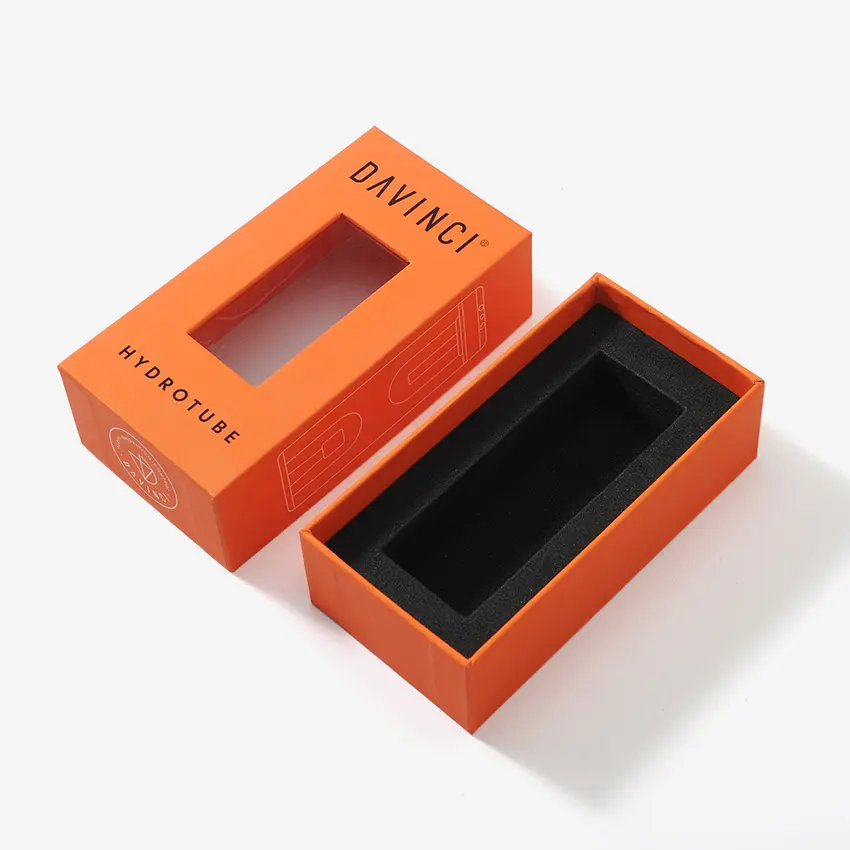
A ajándékdobozok belső terének testreszabása több termék elhelyezésére stratégiai tervezést és gondosan kivitelezett tervezést igényel. Akár vállalati ajándékokat, ünnepi ajándékokat vagy termékkombinációkat készít, a jól szervezett belső tér biztosítja, hogy minden egyes tétel megfelelően védve legyen, gyönyörűen bemutatva és könnyen hozzáférhető legyen. A sikeres többtermékes ajándékdoboz-tervezés kulcsa a termékek méreteinek ismerete, a megfelelő bélésanyagok kiválasztása, valamint olyan elrendezési stratégiák alkalmazása, amelyek egyaránt maximalizálják a védelmet és a vizuális hatást.
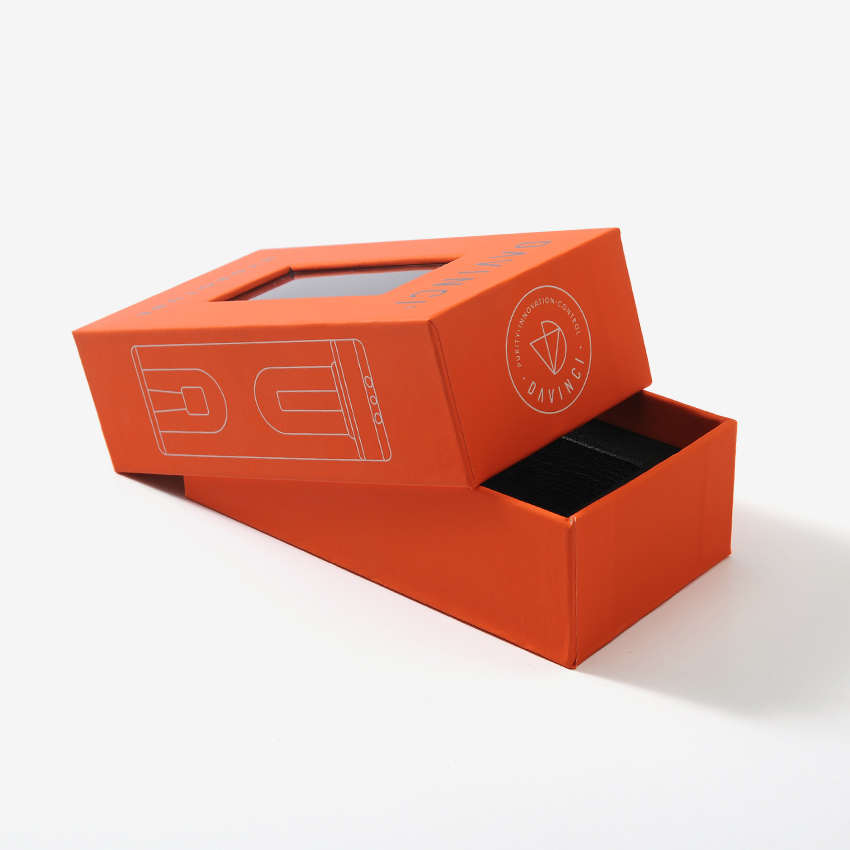
A modern ajándékdoboz-testreszabás számos belső konfigurációs lehetőséget kínál, amelyekkel egy egyszerű tároló konténerből kifinomult bemutatórendszer válik. A habbéléses és karton rekeszektől kezdve a textíliával bélelt rekeszekig és az öntött tálcákig a belső testreszabás lehetőségei lehetővé teszik, hogy egyedi kibontási élményt teremtsen, miközben biztosítja a termékek biztonságát szállítás és tárolás közben.
A belső tér tervezésének megértése több termék esetén
Termékméretek értékelése és térkiosztás
Az hatékony belső testreszabás a dobozba kerülő összes termék pontos mérésével és kategorizálásával kezdődik. A részletes készletnyilvántartás elkészítése – amelybe minden egyes tétel hossza, szélessége, magassága és súlya is belefoglalásra kerül – biztosítja a pontos tértervezést. Ez az értékelési fázis meghatározza a minimálisan szükséges belső méreteket, valamint azonosítja a potenciális egymásra helyezési vagy behelyezési lehetőségeket, amelyek segítségével optimalizálható a térkihasználás.
A rekeszméretek tervezésekor vegye figyelembe minden egyes termék törékenységi szintjét. A finom, érzékeny tárgyak körül további párnázási területre van szükség, míg a masszív termékek szorosabban illeszthetők. Jegyezze fel az esetleges különleges kezelési követelményeket, például olyan termékeket, amelyeket feltétlenül függőlegesen kell elhelyezni, vagy olyan tárgyakat, amelyek nem érhetnek össze kémiai reakció vagy felületi érzékenység miatt.
A helyfoglalási stratégiáknak figyelembe kell venniük a ajándékdoboz belső terének vizuális egyensúlyát. A különböző méretű termékek elosztása különböző negyedekben vagy szinteken vonzóbb megjelenést eredményez, mint ha hasonló termékek csoportosítva kerülnének elhelyezésre. Ez a megközelítés az áruszállítás során is segít megakadályozni a termékek elmozdulását, mivel természetes válaszfalakat hoz létre a rekeszek között.
Elrendezési konfigurációs lehetőségek és folyamattervezés
Többféle elrendezési konfiguráció alkalmazható a konkrét termékválasztékotok és bemutatási céljaitok függvényében. A rácsalapú elrendezések jól működnek egységes méretű termékek esetén, míg az aszimmetrikus elrendezések változatos termékgyűjteményekhez alkalmazhatók. Érdemes fontolóra venni egy fókuszpont-stratégiát, amely szerint egy prémium minőségű termék foglalja el a központi pozíciót, és a hozzá kapcsolódó termékek körülötte helyezkednek el.
Az áramlás-elv alapelvei irányítják a fogadó szemmozgását a ajándékdoboz belső terében. A színkoordinált betétek, a nagyobb mérettől a kisebb felé haladó fokozatos méretválaszték vagy a márkás elemek stratégiai elhelyezése által létrehozott vizuális útvonalak javítják a kibontási élményt. Az elrendezésnek történetet kell mesélnie, vagy logikus sorrendet kell követnie, amely értelmesen illeszkedik termékgyűjteményéhez.
A hozzáférhetőségre vonatkozó megfontolások biztosítják, hogy a fogadók minden egyes tételt könnyedén eltávolíthassanak anélkül, hogy más tárgyakat megzavarnának. Kerülje a mélyen egymásba ágyazott elrendezéseket, ahol egy termék elérése több más termék eltávolítását igényelné. Ehelyett olyan eltávolítási sorrendet tervezzen, amely természetes érzetet kelt, és megtartja a doboz belsejének esztétikai vonzerejét akkor is, amikor a tárgyakat kivesszük belőle.
Betétek anyagai és szegmentálási technikák
Habbetét-rendszerek és egyedi formázás
A habbetétek kiváló védelmet és pontos termékpozicionálást biztosítanak a ajándékdobozokban. A polietilén hab tartósságot és nedvességállóságot nyújt, ezért ideális olyan termékek számára, amelyek hőmérséklet-ingadozásoknak is kitéve lehetnek. A anyagot pontosan kivághatják forródrótos vagy vízsugár-technológiával, így létrehozhatók a termékek pontos körvonalai, amelyek megakadályozzák a mozgásukat szállítás közben.
Az egyedi formázott habbetétek több mélységű üreggel is tervezhetők, hogy különböző magasságú termékeket is befogadhassanak ugyanabban a rétegben. Ez a technika maximalizálja a függőleges tér kihasználását, miközben egységes felső felületet biztosít. Érdemes figyelembe venni a kivétel megkönnyítésére szolgáló elemeket, például ujjfogókat vagy kinyúló füleket, amelyek megkönnyítik a termék kivételét anélkül, hogy a betét szerkezeti integritását veszélyeztetnék.
A rétegzett habrendszerek lehetővé teszik több termékszint elhelyezését mélyebb ajándékdobozokban. Mindegyik réteg külön termékkategóriákhoz tervezhető, a hab vastagsága pedig úgy állítható be, hogy megfelelő puha védést nyújtson. Ügyeljen a megfelelő összenyomódási jellemzőkre, hogy a hab védelmet biztosítson, anélkül, hogy túlzott nyomást gyakorolna a finom termékekre.
Karton rekeszrendszerek és moduláris alkatrészek
A karton rekeszek költséghatékony rekeszelést kínálnak, kiváló testreszabhatósággal. A hullámpapír szerkezeti szilárdságot biztosít, miközben megtartja a könnyűségét, ami fontos szempont a szállítás szempontjából. Az anyag különféle felületkezeléseket fogad, például laminálást, nyomtatást és textíliaborítást, így illeszkedik a márkája esztétikai megjelenéséhez.
A moduláris rekeszrendszerek egymásba kapcsolódó alkatrészeket használnak, amelyeket különböző termékkombinációkhoz újra konfigurálhatunk. Ez a megközelítés rugalmasságot biztosít a szezonális termékváltozásokhoz vagy egyedi rendelésekhez, miközben konzisztens marad ajándékok Dobozok külső méretek. Tervezze meg a modulokat egységes illesztési specifikációkkal, hogy biztosítsa a megbízható kapcsolódást és az egyszerű összeszerelést.
Az integrált kartonrendszer több funkcionális elemet is tartalmazhat, például termékplatformokat, információs kártyatartókat és kábelkezelési funkciókat. Ezek a komplex megoldások csökkentik a szükséges különálló alkatrészek számát, miközben átfogó termékszervezési és bemutatási lehetőségeket nyújtanak.
Tervezési stratégiák vizuális hatás és termékvédelem érdekében
Színkoordináció és márkaintegráció
A doboz belső színvilága jelentősen befolyásolja a ajándékdobozok érzékelt értékét és professzionális megjelenését. Igazítsa a belső elemek színét a márkája színpalettájához, figyelembe véve, hogy a különböző árnyalatok hogyan befolyásolják a termék láthatóságát. A semleges háttérszínek – például a fehér, a krémszín vagy a világos szürke – sokoldalú alapot nyújtanak, amelyeken a színes termékek kiemelkednek, míg a sötétebb háttérek elegáns bemutatást biztosítanak fémes vagy világos színű tárgyak számára.
A márkaintegráció lehetőségei túlmutatnak az egyszerű logóelhelyezésen, és tartalmazzák a minták beépítését, a felületkezelést és az anyagválasztást is, amelyek tükrözik a márkára jellemző értékeket. A fenntartható márkák például újrahasznosított kartonpapírt választhatnak természetes felületkezeléssel, míg a luxusmárkák bársony-béléses rekeszeket vagy fémes díszítőelemeket alkalmazhatnak.
Érdemes figyelembe venni a fokozatos felfedés technikáját, amikor a márkaelemek akkor válnak láthatóvá, amikor a termékek kikerülnek az ajándékcsomagolásból. Ez a megközelítés fenntartja a vásárló érdeklődését az egész kibontási folyamat során, és több érintési ponton is megerősíti a márkakommunikációt. A finom domborítás vagy bevágás érzékelhető márkahatást biztosíthat anélkül, hogy túlterhelné a termék bemutatását.
Párnázási megoldások és védelmi protokollok
Az hatékony párnázási rendszereknek egyensúlyt kell teremteniük a védelemre vonatkozó követelmények és a megjelenítés esztétikai igényei között. A csomagolópapír alapvető védelmet nyújt, miközben hozzájárul az „unboxing” (kibontás) ceremóniához, de törékeny tárgyak esetén erősebb megoldásokra is szükség lehet. A buborékfólia alternatívái – például a méhsejtszerű papír vagy a levegővel felfújható párnák – védelmet nyújtanak a műanyagokkal kapcsolatos aggályok nélkül.
A védőprotokolloknak kezelniük kell a szállítás során gyakori terheléseket, például rezgést, ütközést és összenyomódást. Olyan párnázási rendszereket kell tervezni, amelyek a terhelést több érintkezési ponton osztják el, ne pedig a termék éleire vagy sarkaira koncentrálják a feszültséget. Érdemes fokozatos védelmi megoldást alkalmazni, ahol a kezdeti rétegek enyhe ütközéseket nyelnek el, míg a mélyebben elhelyezett párnázás nagyobb erőhatásokat képes elviselni.
Hőérzékeny termékek esetében további védelmi szempontokat kell figyelembe venni a ajándékcsomagolásokban. A hőszigetelő anyagokat az interior tervezésbe beépíthetők a környezeti stabilitás fenntartása érdekében, míg a nedvességálló rétegek védelmet nyújtanak a páratartalom-ingadozások ellen. Ezeket a funkcionális elemeket díszítő alkotóelemekként is elrejthetjük, hogy megőrizzük az esztétikai vonzerejüket.
Megvalósítási szempontok és gyártási tervezés
Gyártási kompatibilitás és költségoptimalizálás
A gyártási kompatibilitás biztosítja, hogy az interior testreszabási terveit hatékonyan, nagyobb mennyiségben is elő tudják állítani. Együttműködjön olyan beszállítókkal, akik mind az esztétikai célokat, mind a gyártási mennyiségre vonatkozó igényeket értik. A szokásos gyártási folyamatok gyakran költségelőnyt biztosítanak, de egyedi termékkombinációk vagy prémium megjelenítések esetén egyedi megoldásokra lehet szükség.
A költségoptimalizálási stratégiák során figyelembe kell venni mind az anyagköltségeket, mind a gyártási összetettséget. Az egyszerűsített tervek – amelyek kevesebb anyagot vagy szabványos vágási mintákat használnak – általában kedvezőbb árakat kínálnak, miközben továbbra is teljesítik a funkcionális követelményeket. Értékelje, hogy moduláris megközelítések esetleg költségelőnyt jelenthetnek-e változó termékconfigurációk esetén a ajándékcsomagok sorozatában.
A mennyiségi küszöbértékek gyakran meghatározzák a leggazdaságosabb gyártási módszereket. A digitális vágás kis tételnél gazdaságos lehet, míg a sablonvágás nagyobb mennyiségek esetén válik előnyössé. Tervezze meg gyártási stratégiáját úgy, hogy az illeszkedjen a várható rendelési mennyiségekhez és az évszakhoz kötött keresleti mintázatokhoz a költségek optimális kezelése érdekében.
Minőségi ellenőrzés és teljesítményvizsgálat
A minőségellenőrzési protokollok biztosítják a teljesítmény konzisztenciáját minden ajándékdoboz egységen. Határozza meg az ellenőrzési kritériumokat a belső rekeszek méreteire, az anyagok integritására és az összeszerelés pontosságára. A rendszeres tesztelésnek ellenőriznie kell, hogy a termékek megfelelően illeszkednek-e, a tömítőanyagok a szándékolt módon működnek-e, és a vizuális megjelenés megfelel-e a márkavárakozásoknak.
A teljesítményteszteknek valós körülményeket kell szimulálniuk, ideértve a szállítási terheléseket, a tárolási környezeteket és a tipikus kezelési mintákat. A leejtési tesztek, a nyomási tesztek és a rezgés-szimulációk segítenek azon potenciális hibahelyek azonosításában, mielőtt a gyártás méretaránya növekedne. Dokumentálja a teszteredményeket a tervezési finomhangolások irányításához és az állandó gyártásra vonatkozó elfogadási kritériumok meghatározásához.
A vásárlói visszajelzések integrálása értékes betekintést nyújt a ajándékcsomagok belső tervezésének folyamatos fejlesztésébe. Figyelje a visszatérési arányokat, a károkról szóló jelentéseket és az ügyfélegyedelmi pontszámokat annak azonosításához, hogy mely területeken lehetne módosításokat eszközölni a teljesítmény vagy a felhasználói élmény javítása érdekében. A rendszeres tervezési átvizsgálások segítenek fenntartani a versenyelőnyt és az ügyfélegyedelmet.
GYIK
Milyen anyagok alkalmazhatók legjobban az ajándékcsomagok belső terének felosztására?
A hullámpapír és a polietilénhab a legnépszerűbb anyagok az ajándékcsomagok belső felosztásának kialakításához. A papírdoboz kiváló testreszabási lehetőségeket és költséghatékonyságot kínál, míg a hab kiváló védelmet nyújt a törékeny tárgyak számára. Az anyag kiválasztása a termékek típusától, a költségvetési megfontolásoktól és az esztétikai igényektől függ. Mindkét anyag pontosan kivágható egyedi rekeszek létrehozásához, valamint különféle felületkezelésekre is alkalmas, így illeszkedik a márkajelenéshez.
Hogyan számítsuk ki a megfelelő rekeszméreteket különböző termékekhez?
Számítsa ki a rekeszek méretét az egyes termékek méreteinek mérésével, és adjon hozzá megfelelő szabad teret a védelem és a kivétel érdekében. Általában adjon hozzá 3–5 mm szabad teret törékeny tárgyak köré, és 1–3 mm-t a stabil termékek köré. Vegye figyelembe a rakodási magasság korlátozásait, és győződjön meg róla, hogy a rekesz mélysége befogadja a legmagasabb tárgyat, valamint bármely puha tömítőanyagot. Vegye figyelembe az beszúrószerkezet anyagának vastagságát a végleges belső méretek meghatározásakor, hogy minden illeszkedjen a kiválasztott ajándékdoboz külső méretébe.
Lehetséges-e a belső testreszabás kis tételű rendeléseknél?
Igen, a belső testreszabás lehetséges kis tételű megrendelésekre is, bár a megközelítés eltérhet a nagyobb méretű gyártástól. A digitális vágási technikák és a moduláris beillesztési rendszerek költséghatékony megoldást nyújtanak korlátozott mennyiségek esetén. Érdemes szabványos méretű alkatrészeket használni, amelyeket különböző termékekhez újra konfigurálhatunk, vagy olyan beszállítókkal együttműködni, akik specializálódtak rövid futamidőre szánt egyedi csomagolásra, hogy gazdaságos megoldást találjunk az Ön konkrét ajándékdoboz-igényeihez.
Mik a legjobb gyakorlatok azokhoz a termékekhez, amelyek függőleges helyzetben kell maradniuk?
Az egyenes helyzetben történő szállításra szoruló termékek esetében olyan rekeszeket kell tervezni, amelyeknek szorosan illeszkedő falai megakadályozzák a felborulást, és alap-támasztó rendszereket kell beépíteni, amelyek egyenletesen osztják el a terhelést. Olyan anyagokat használjon, amelyek megfelelő nyomásállósággal rendelkeznek, így a rekeszek alakjukat megtartják a terhelés hatására. Fontolja meg a rögzítő elemek – például enyhe klipek vagy súrlódáson alapuló illesztések – alkalmazását, amelyek a termékeket helyükön tartják károsodás nélkül, és győződjön meg arról, hogy a ajándékdoboz tájolása egyértelműen jelölve van a szállítás és tárolás során történő megfelelő kezelés érdekében.
Tartalomjegyzék
- A belső tér tervezésének megértése több termék esetén
- Betétek anyagai és szegmentálási technikák
- Tervezési stratégiák vizuális hatás és termékvédelem érdekében
- Megvalósítási szempontok és gyártási tervezés
-
GYIK
- Milyen anyagok alkalmazhatók legjobban az ajándékcsomagok belső terének felosztására?
- Hogyan számítsuk ki a megfelelő rekeszméreteket különböző termékekhez?
- Lehetséges-e a belső testreszabás kis tételű rendeléseknél?
- Mik a legjobb gyakorlatok azokhoz a termékekhez, amelyek függőleges helyzetben kell maradniuk?
