 EN

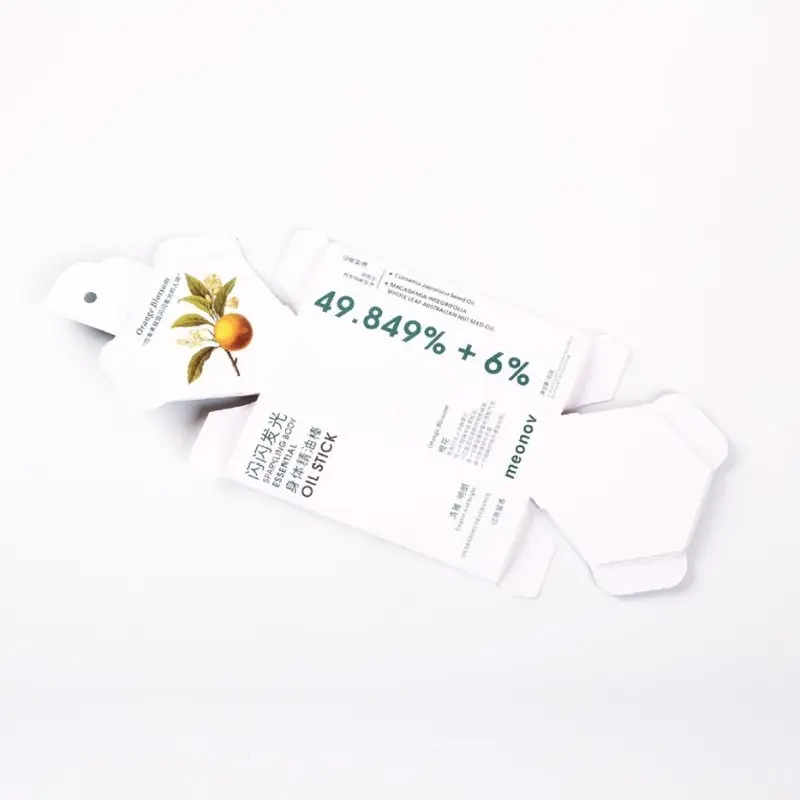
Selecting the right insert for Packaging Boxes is a critical decision that directly impacts product protection, unboxing experience, and brand perception. An insert transforms ordinary Packaging Boxes into a premium presentation tool while safeguarding your product during transit and storage. Whether you're shipping cosmetics, electronics, luxury goods, or fragile items, the insert you choose determines how well your product arrives at the customer's door and how memorable that opening moment becomes. Understanding the relationship between Packaging Boxes and their internal components allows you to make informed decisions that align with your budget, brand values, and operational requirements.
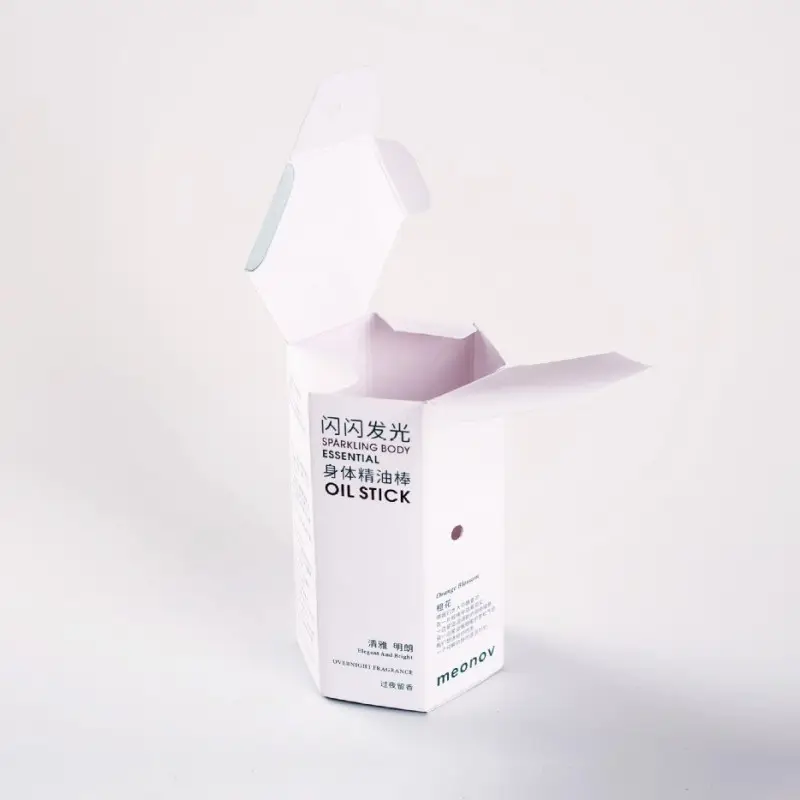
The insert within Packaging Boxes serves multiple functions simultaneously. It provides structural support, prevents product movement, creates visual separation, and enhances the tactile experience when opening the box. Custom Packaging Boxes with properly designed inserts reduce damage claims, lower return rates, and increase customer satisfaction scores. By investing time in selecting the appropriate insert, you position your Packaging Boxes as a reflection of your brand's commitment to quality and attention to detail.
Understanding Insert Materials for Packaging Boxes
Foam and Protective Inserts
Foam remains one of the most versatile materials for inserts in Packaging Boxes, offering excellent cushioning properties and cost-effectiveness. Polyethylene foam, polyurethane foam, and expanded polystyrene provide varying levels of protection depending on product fragility and weight. When selecting foam for your Packaging Boxes, consider the density rating, which directly correlates with shock absorption capacity. Custom-cut foam inserts fit precisely within Packaging Boxes, eliminating wasted space and preventing items from shifting during handling. Foam inserts are particularly effective for electronics, cosmetics, and delicate items requiring reliable protection throughout the supply chain.
Sustainable and Paper-Based Inserts
Paper pulp, molded fiber, and corrugated inserts have emerged as environmentally conscious alternatives for Packaging Boxes without sacrificing protection. These materials are biodegradable, recyclable, and align with the sustainability expectations of modern consumers. Molded pulp inserts provide custom-fit solutions that cradle products within Packaging Boxes while maintaining structural integrity. For brands prioritizing environmental responsibility, eco-friendly inserts transform Packaging Boxes into a sustainability statement. Paper-based inserts work exceptionally well for lightweight to medium-weight items and offer excellent branding opportunities through custom printing on the insert surface.
Design Considerations When Selecting Inserts
Fit and Dimensions in Packaging Boxes
Precise measurements are fundamental when choosing inserts for Packaging Boxes. The insert must account for the interior height, width, and depth of your specific box configuration to ensure products remain stationary during transit. Oversized inserts create unnecessary pressure on products and can cause damage, while undersized inserts allow movement that defeats their protective purpose. Custom Packaging Boxes with tailored inserts eliminate guesswork and ensure optimal performance every time. Professional packaging engineers measure product dimensions, weight distribution, and potential impact scenarios to design inserts that perform consistently within your Packaging Boxes.
Product Visibility and Presentation
The insert design within Packaging Boxes significantly influences the customer's first impression when opening the box. Window inserts, die-cut openings, and tiered displays showcase products beautifully while maintaining protection throughout shipping. For premium brands, inserts in Packaging Boxes can feature embossing, specialty printing, or luxury materials like velvet or silk that elevate perceived value. The unboxing experience has become a marketing touchpoint; inserts that enhance this moment create social media moments and encourage customer sharing. Strategic product visibility through thoughtfully designed inserts transforms Packaging Boxes from functional containers into experiential brand ambassadors.
Practical Selection Criteria for Packaging Boxes Inserts
Cost-Benefit Analysis and Scale
Balancing insert cost against damage prevention requires understanding your product value and shipping volume. Lower-cost inserts for Packaging Boxes may be appropriate for budget products with lower margins, while premium products justify investment in superior inserts. Calculate your current damage rate, average replacement cost per claim, and customer service expenses associated with damaged shipments. An insert solution that costs fifteen percent more per unit but eliminates ninety percent of damage claims typically delivers significant ROI across your Packaging Boxes volume. Manufacturers of Packaging Boxes can provide cost scenarios at various production volumes, helping you identify the optimal balance between protection and expenses.
Compliance and Regulatory Requirements
Different industries impose specific requirements for inserts used in Packaging Boxes. Food and pharmaceutical products may require FDA-approved materials for inserts within Packaging Boxes, while cosmetics have distinct regulations regarding contact with skin products. Electronics packaging frequently requires antistatic or conductive inserts for Packaging Boxes to protect sensitive components. Understanding regulatory compliance ensures your Packaging Boxes meet all industry standards and avoid costly recalls or customer safety issues. Consult with your packaging supplier regarding material certifications, safety data sheets, and compliance documentation for your specific insert choice within Packaging Boxes.
FAQ
What makes a high-quality insert for Packaging Boxes?
A high-quality insert for Packaging Boxes combines protective capability with precise fit, minimal product movement, and alignment with your brand aesthetic. The best inserts maintain their structural integrity through the supply chain, provide adequate cushioning for your specific product, and use materials compatible with your sustainability commitments. Quality inserts in Packaging Boxes are consistently manufactured to exact specifications, backed by testing data, and supported by manufacturers who stand behind their products.
Can inserts in Packaging Boxes reduce shipping damage?
Yes, properly designed inserts significantly reduce shipping damage to products within Packaging Boxes. Strategic insert placement absorbs shock from drops, prevents movement during transit, and isolates fragile items from box walls. Companies using appropriate inserts in Packaging Boxes typically experience fifty to eighty percent reductions in damage claims compared to unprotected shipments. The insert absorbs impact energy that would otherwise transfer directly to your product, making it one of the most cost-effective damage prevention strategies available.
How do I determine the right insert material for my Packaging Boxes?
Evaluate your product type, weight, fragility level, budget constraints, and sustainability priorities to identify the right insert material for your Packaging Boxes. Foam excels for electronics and delicate items; molded fiber suits eco-conscious brands; corrugated offers affordability for heavier products. Request samples from packaging suppliers, conduct drop tests with your products, and gather feedback from customers receiving shipments in your Packaging Boxes with different inserts. This empirical approach helps you select the insert material that delivers the best combination of protection and performance for your specific Packaging Boxes application.
