 EN

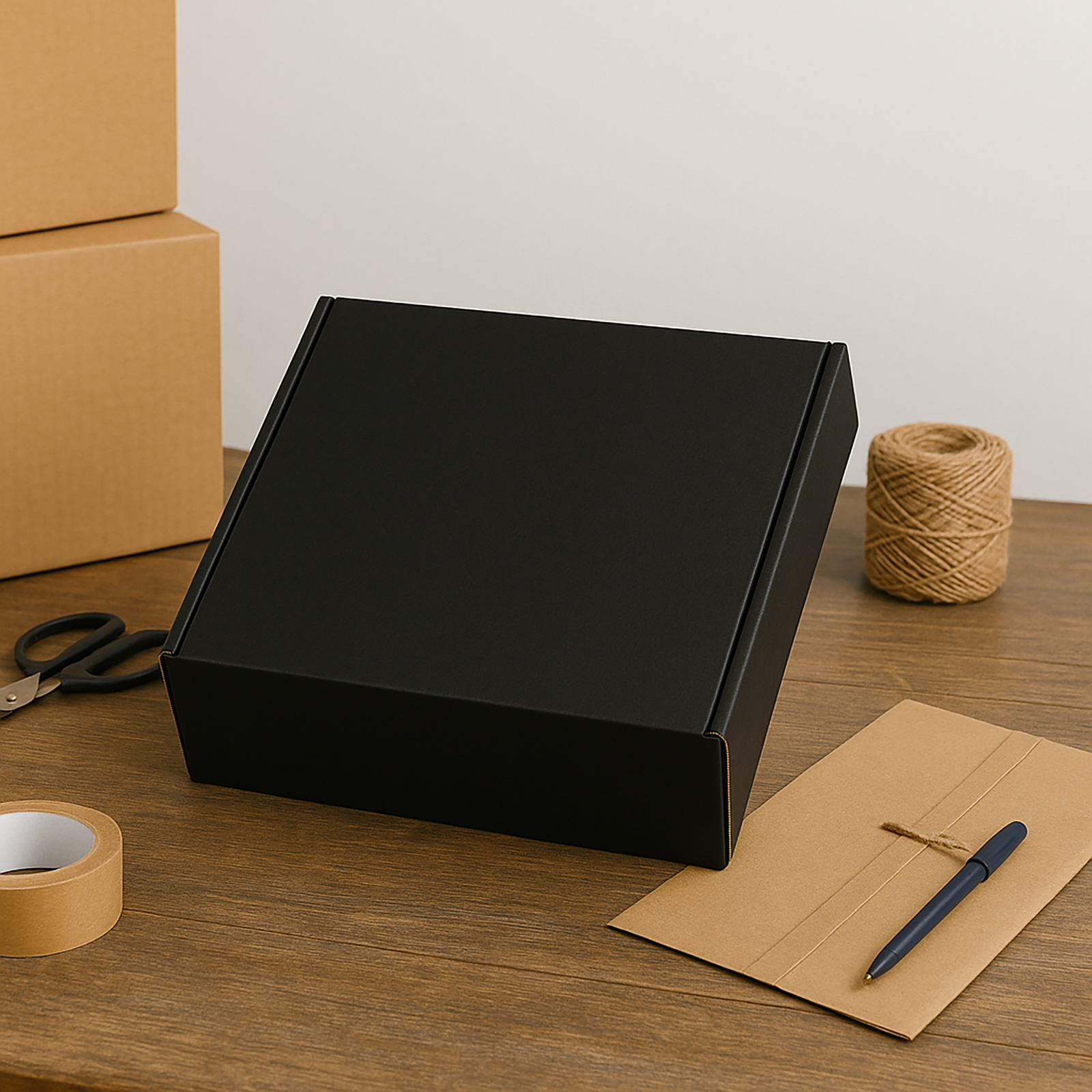
Selecting the right materials for your cosmetic brand is one of the most critical decisions you'll make when designing Packaging Boxes. The paperboard you choose directly impacts product protection, brand perception, sustainability, and overall production costs. For cosmetics manufacturers and brand owners, understanding paperboard grades, thicknesses, and finishes is essential to create Packaging Boxes that not only look premium but also perform reliably in retail and during shipping.
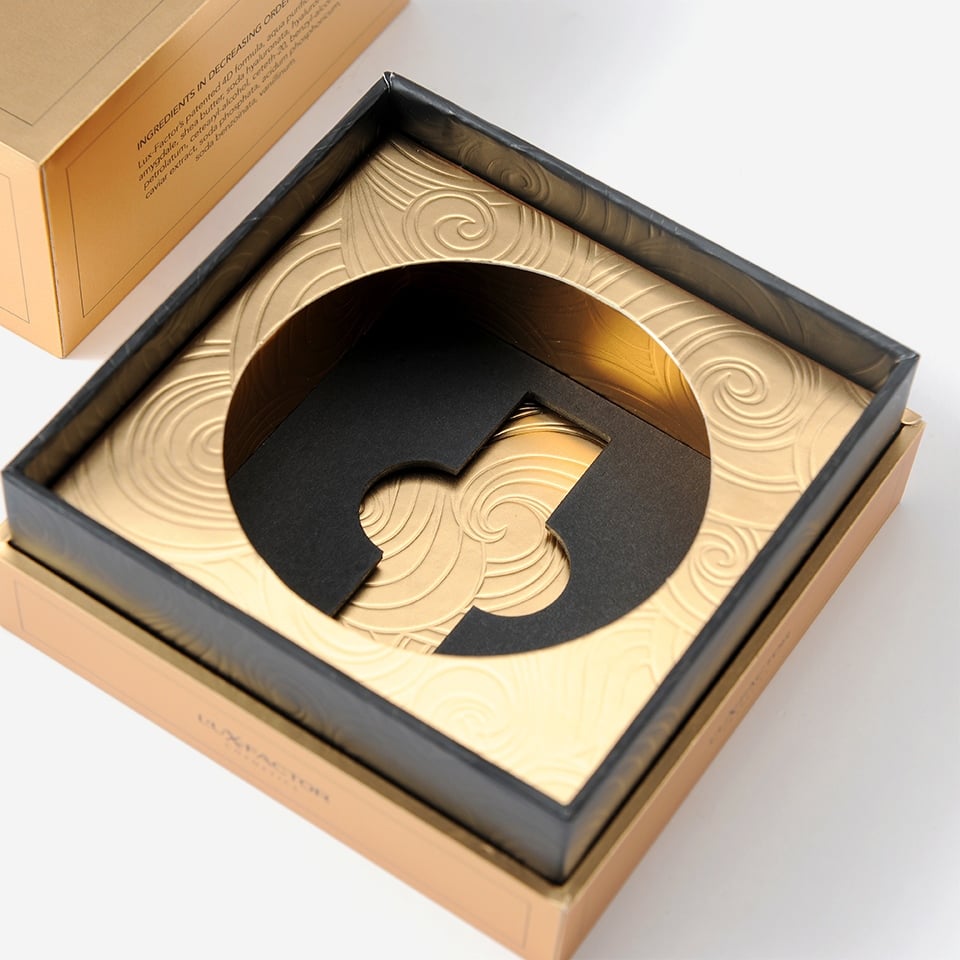
The cosmetics industry demands Packaging Boxes that balance aesthetic appeal with functional strength. Whether you're launching a skincare line, luxury fragrances, or color cosmetics, the paperboard selection process requires careful evaluation of material properties, regulatory compliance, and brand positioning. This guide walks you through the essential factors that determine whether your Packaging Boxes will meet market expectations and protect your products throughout the supply chain.
Understanding Paperboard Grades and Material Composition
Coated and Uncoated Paperboard Options
Paperboard for cosmetic Packaging Boxes comes in several grades, each with distinct characteristics. Coated paperboard offers superior printability, vibrant color reproduction, and a finished appearance that appeals to luxury brands. Uncoated options provide a more natural, tactile feel that resonates with eco-conscious consumers. For premium cosmetic Packaging Boxes, coated grades like folding boxboard and solid bleached board deliver better ink adhesion and color accuracy, making them the standard choice for high-end skincare and fragrance packaging.
The composition of your paperboard directly influences how your Packaging Boxes perform. Virgin fiber paperboard provides superior strength and brightness compared to recycled alternatives, though recycled content options are gaining popularity among sustainable beauty brands. When selecting Packaging Boxes materials, consider the balance between performance requirements, brand values, and cost constraints. Many manufacturers blend virgin and recycled fibers to create Packaging Boxes that offer both environmental credibility and reliable durability.
Thickness and Rigidity Specifications
Paperboard thickness for cosmetic Packaging Boxes typically ranges from 250 to 400 microns, depending on the product weight and structural requirements. Thicker Packaging Boxes provide greater rigidity and protection for fragile items like glass bottles or delicate compacts. However, increased thickness also raises material costs and shipping weight, affecting your overall packaging budget. For most cosmetic applications, 300 to 350 micron Packaging Boxes strike an optimal balance between protection, cost efficiency, and sustainability.
The rigidity of your Packaging Boxes matters significantly in retail environments. Consumers expect luxury cosmetic Packaging Boxes to feel substantial and well-constructed when they pick up the product on store shelves. Insufficient paperboard thickness can result in Packaging Boxes that flex or crease easily, undermining brand perception and suggesting inferior quality. Testing your Packaging Boxes under real-world conditions, including temperature variations and humidity exposure, ensures your chosen paperboard maintains structural integrity throughout the product lifecycle.
Evaluating Surface Finishes and Print Compatibility
Gloss, Matte, and Specialty Finishes
The surface finish of your Packaging Boxes significantly impacts brand perception and shelf appeal. Gloss finishes create a premium, eye-catching appearance ideal for luxury cosmetics, while matte finishes offer a sophisticated, understated aesthetic that appeals to minimalist or natural beauty segments. When designing Packaging Boxes, your finish choice influences how colors appear, how light reflects off the box, and how consumers perceive product quality. Many brands combine gloss and matte finishes on the same Packaging Boxes to create visual hierarchy and highlight key branding elements.
Specialty finishes like soft-touch lamination, embossing, and metallic accents are increasingly popular for high-end cosmetic Packaging Boxes. These techniques add tactile and visual sophistication but require paperboard with sufficient weight and structural integrity to support the additional processing. When selecting materials for your Packaging Boxes, confirm that your chosen paperboard grade is compatible with specialty finishing techniques. Incompatible combinations can result in Packaging Boxes with poor adhesion, cracking, or uneven appearance during production.
Ink Adhesion and Color Accuracy
Premium print quality distinguishes luxury cosmetic Packaging Boxes from standard alternatives. The paperboard you select must provide excellent ink adhesion to prevent smudging, fading, or degradation during handling and storage. Coated paperboard grades designed for high-quality offset or digital printing ensure your Packaging Boxes display accurate brand colors and intricate design details. When evaluating paperboard options for your Packaging Boxes, request print samples and color proofs to assess how your designs will appear on the finished packaging.
Color consistency across production runs is critical for maintaining brand identity. Selecting paperboard with consistent coating thickness and surface properties ensures that your Packaging Boxes maintain color accuracy batch after batch. This is particularly important for brands selling across multiple retail channels and online platforms, where customers expect consistency whether they purchase your Packaging Boxes in-store or through e-commerce. Working with reputable paperboard suppliers and printers experienced in cosmetic Packaging Boxes ensures reliable, predictable results.
Assessing Durability and Environmental Compliance
Moisture Resistance and Protective Properties
Cosmetics often contain moisture-sensitive formulations that require protective Packaging Boxes to maintain product integrity. Your selected paperboard must resist moisture absorption while preventing condensation buildup inside the box. Barrier coatings and water-resistant treatments applied to Packaging Boxes help protect contents from humidity and temperature fluctuations, particularly important for products shipped internationally or stored in humid environments. When choosing paperboard for your Packaging Boxes, confirm that the material specifications include moisture vapor transmission rates suitable for your specific product requirements.
Testing your Packaging Boxes under accelerated aging conditions and simulated shipping environments helps identify potential vulnerabilities before mass production. Quality assurance protocols should include humidity exposure tests, vibration testing, and drop testing to ensure your Packaging Boxes maintain structural integrity and product protection throughout distribution. Investing time in comprehensive testing during the design phase prevents costly issues like damaged products, customer returns, and brand reputation damage. Paperboard selection for your Packaging Boxes should always include verification that materials meet your durability performance targets.
Sustainability and Regulatory Considerations
Modern consumers and retailers increasingly demand sustainable cosmetic Packaging Boxes made from responsibly sourced materials. Selecting paperboard with FSC or PEFC certification demonstrates environmental commitment and appeals to eco-conscious consumers. When evaluating Packaging Boxes options, verify that your chosen paperboard meets applicable regulatory requirements in all target markets, including EU regulations, FDA compliance for food-contact surfaces, and local packaging directives. Regulatory non-compliance can render your Packaging Boxes unsaleable and create significant legal and financial liability.
Recyclability and compostability are increasingly important differentiators for cosmetic brands building market share among sustainability-focused consumers. Paperboard for your Packaging Boxes should be fully recyclable and free from non-recyclable coatings or barriers that prevent proper waste processing. Some brands are exploring innovative alternatives like minimally coated or biodegradable paperboard to create Packaging Boxes that align with circular economy principles. Transparency about your Packaging Boxes materials and end-of-life impact helps build consumer trust and strengthens brand loyalty.
FAQ
What is the optimal thickness for cosmetic Packaging Boxes?
Most cosmetic brands find that Packaging Boxes made from 300 to 350 micron paperboard deliver the best balance of protection, cost efficiency, and perceived quality. This thickness provides adequate rigidity for retail presentation and shipping protection without excessive material waste. However, heavier or more fragile products may require 350 to 400 micron Packaging Boxes for optimal protection. Always conduct drop tests and structural assessments specific to your product weight and fragility to confirm your chosen thickness meets performance requirements.
How does paperboard finish affect cosmetic Packaging Boxes appearance?
Surface finish dramatically influences how consumers perceive your cosmetic Packaging Boxes. Gloss finishes create vibrant, premium-looking Packaging Boxes ideal for luxury brands, while matte finishes offer sophisticated, contemporary aesthetics that appeal to natural or minimalist beauty segments. Specialty finishes like soft-touch lamination and metallic accents elevate your Packaging Boxes to ultra-luxury positioning but increase production costs. Your finish choice should align with your brand positioning, target demographic expectations, and the price point of your cosmetic products. Testing samples helps ensure your Packaging Boxes appearance matches your brand vision.
Are recycled paperboard options suitable for premium cosmetic Packaging Boxes?
Yes, modern recycled paperboard grades can deliver performance and appearance nearly equivalent to virgin fiber alternatives, making them viable for premium cosmetic Packaging Boxes. Recycled content Packaging Boxes appeal strongly to environmentally conscious consumers and reduce your brand's carbon footprint. However, recycled paperboard may have slightly lower brightness levels and can exhibit minor color variations compared to virgin alternatives. For luxury brands, blended paperboard combining virgin and recycled fibers often provides the optimal solution, creating Packaging Boxes that balance environmental responsibility, performance, and premium appearance.
