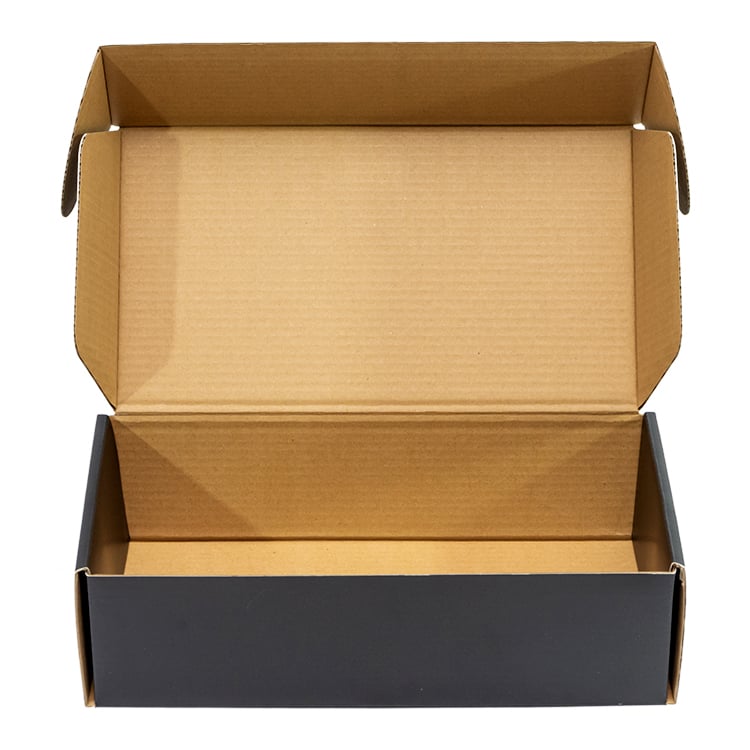
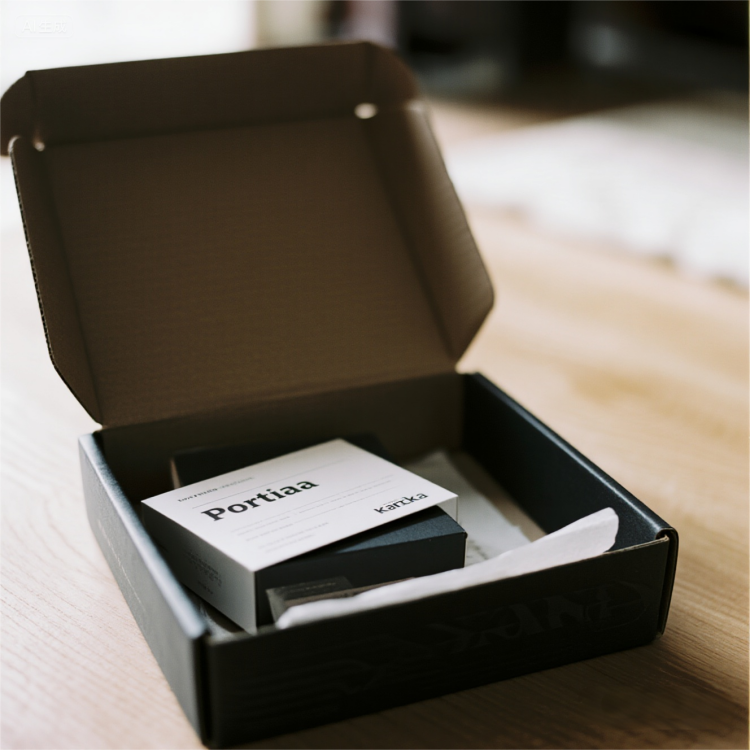
folding corrugated boxes
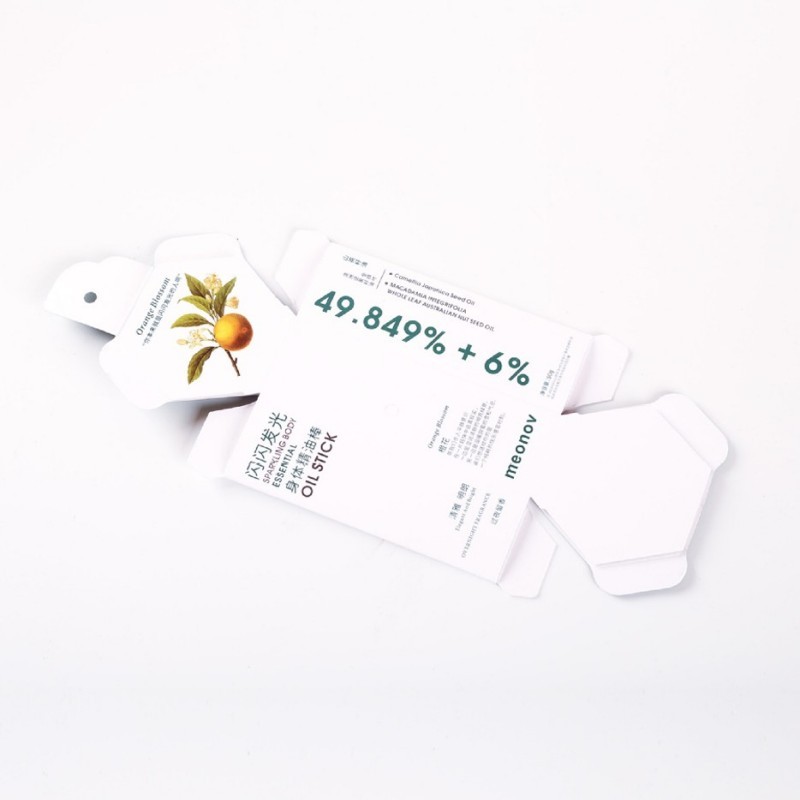
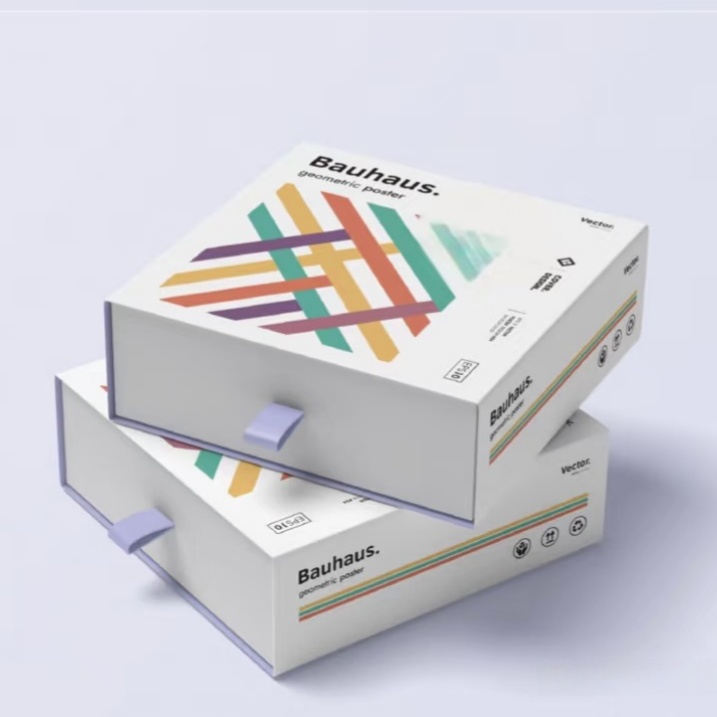
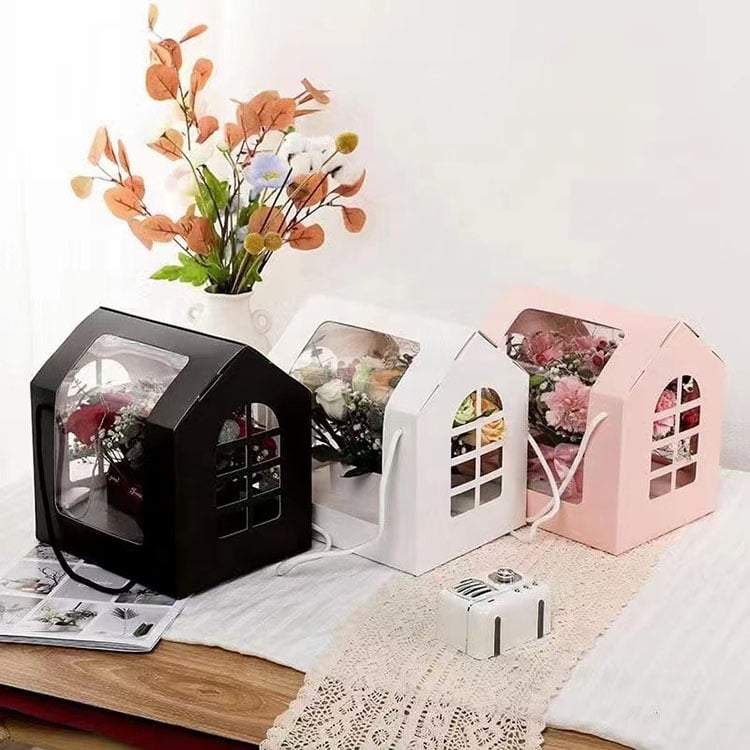
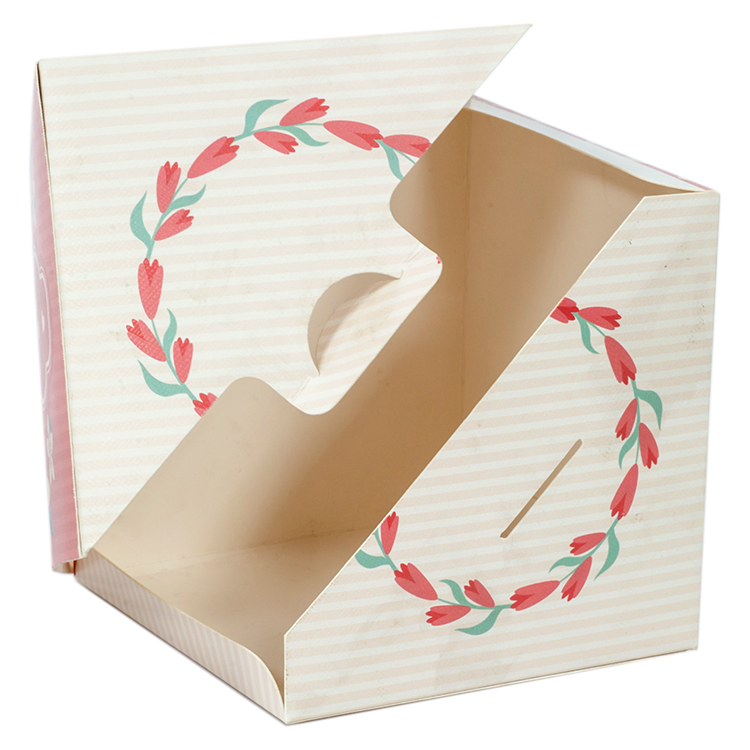
Folding corrugated boxes represent an innovative packaging solution designed to combine durability with exceptional space efficiency. These boxes are manufactured from corrugated cardboard material featuring a fluted layer between two flat linerboards, creating a structure that delivers outstanding strength while remaining lightweight. The primary function of folding corrugated boxes is to provide secure protection for products during storage, handling, and transportation while offering the convenience of flat storage when not in use. Technologically, these boxes utilize precision die-cutting and scoring techniques that enable them to fold flat for shipment and storage, then quickly assemble into rigid three-dimensional containers without requiring tape or adhesives in many designs. The corrugated construction provides excellent cushioning properties, absorbing impacts and vibrations that could otherwise damage contents. Folding corrugated boxes find extensive applications across diverse industries including e-commerce, retail, electronics, food and beverage, pharmaceuticals, and manufacturing. They serve as primary shipping containers, product display packages, and storage solutions for businesses of all sizes. The versatility of folding corrugated boxes extends to customization options, with businesses able to specify dimensions, printing designs, and structural features to match specific product requirements. These boxes can be produced in various corrugated board grades, from lightweight single-wall construction for smaller items to heavy-duty triple-wall designs capable of supporting substantial weight loads, making them adaptable to virtually any packaging challenge in modern supply chains.
 EN
EN