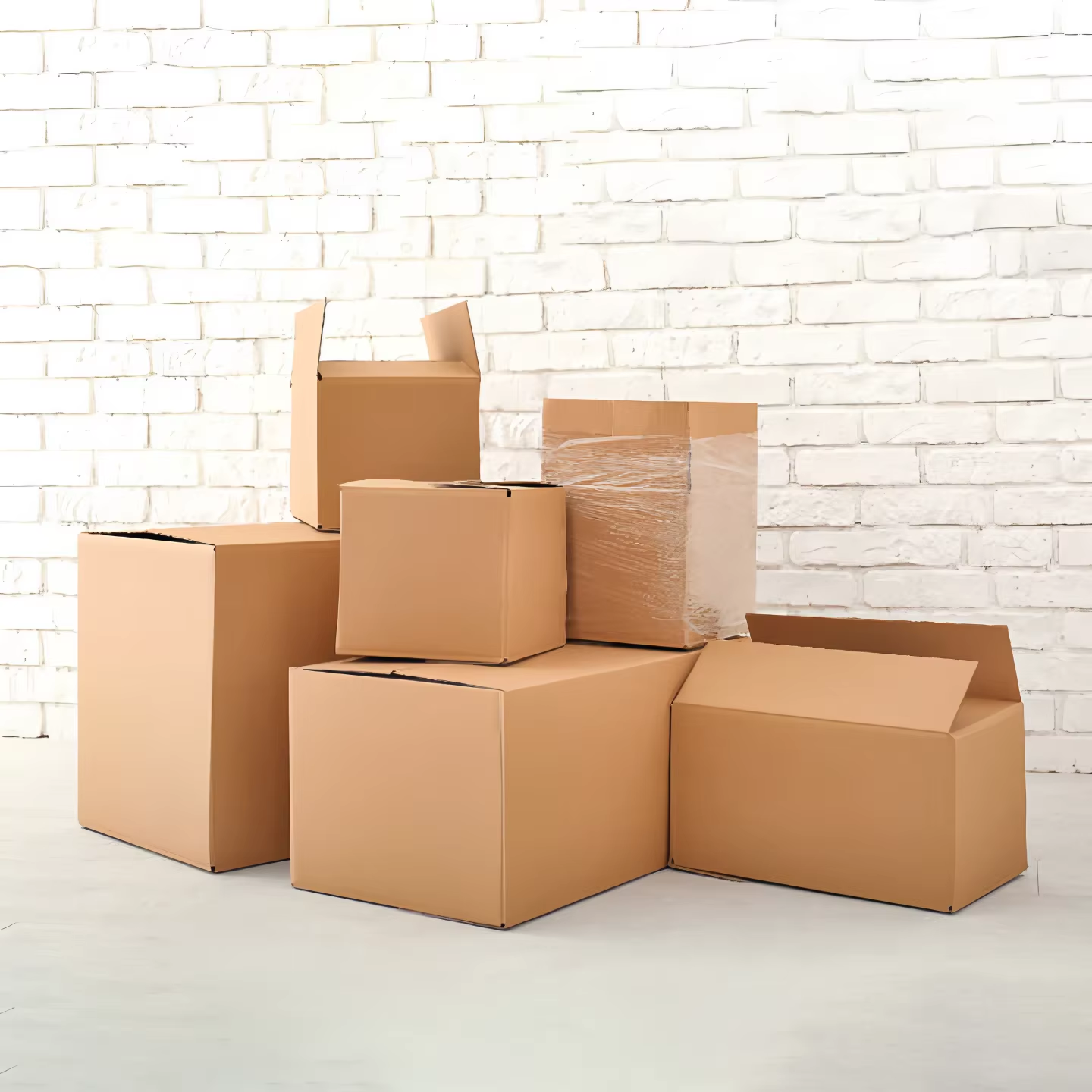
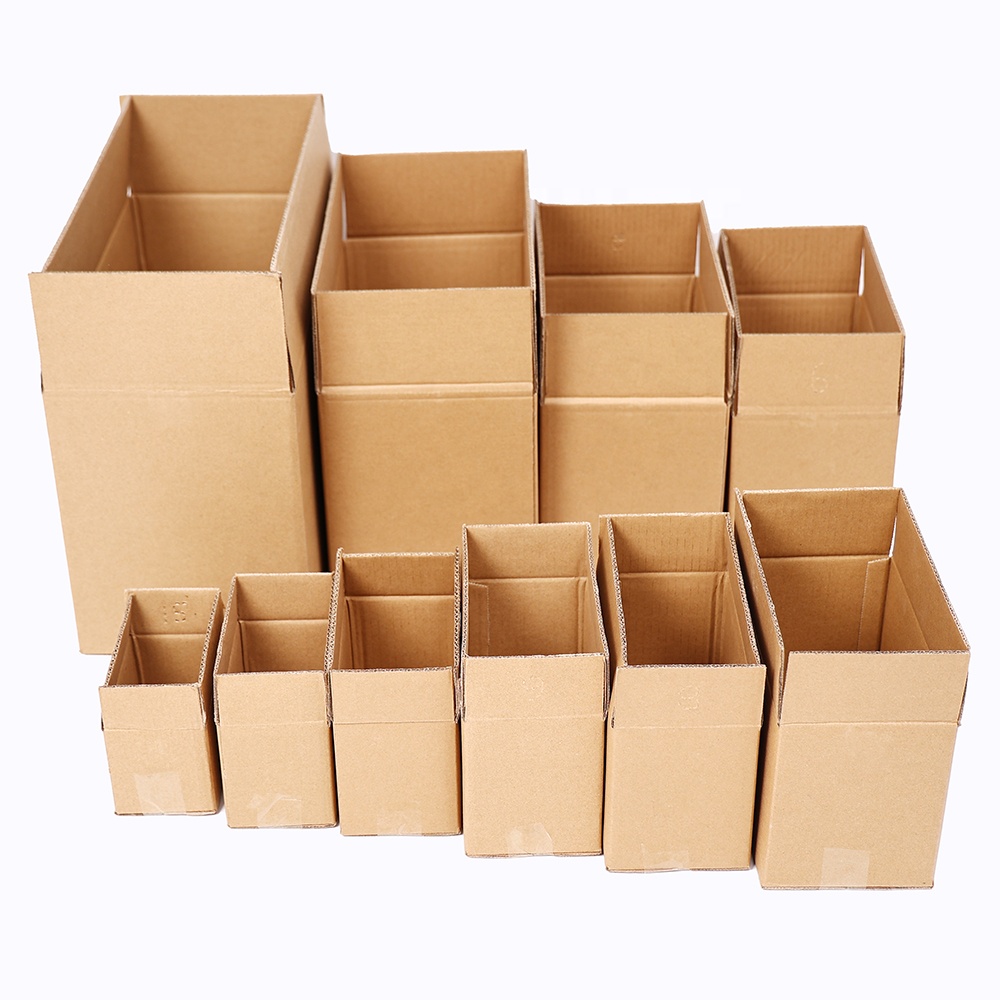
large cardboard boxes for shipping
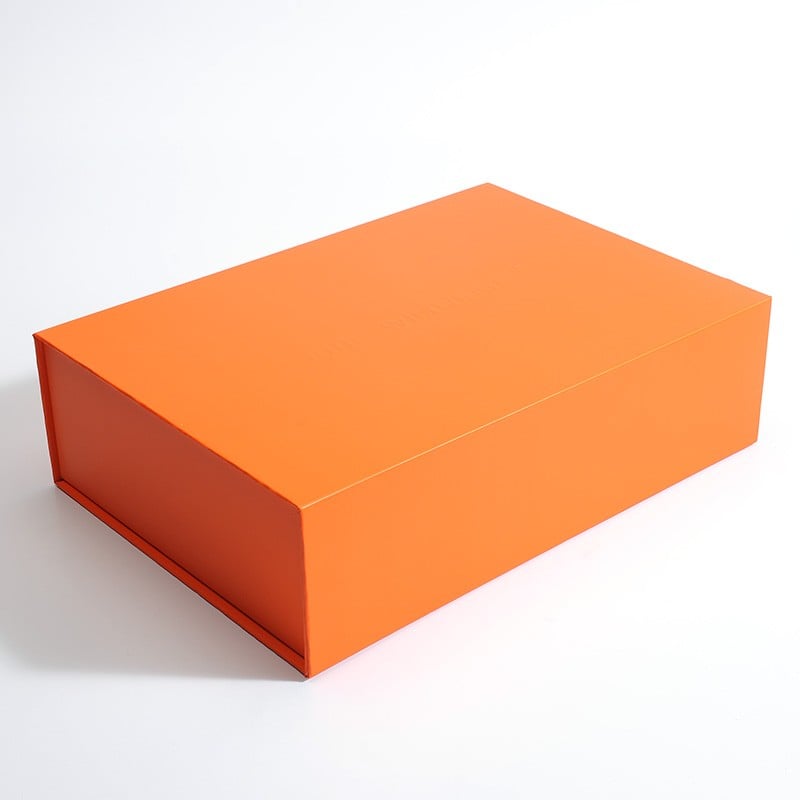
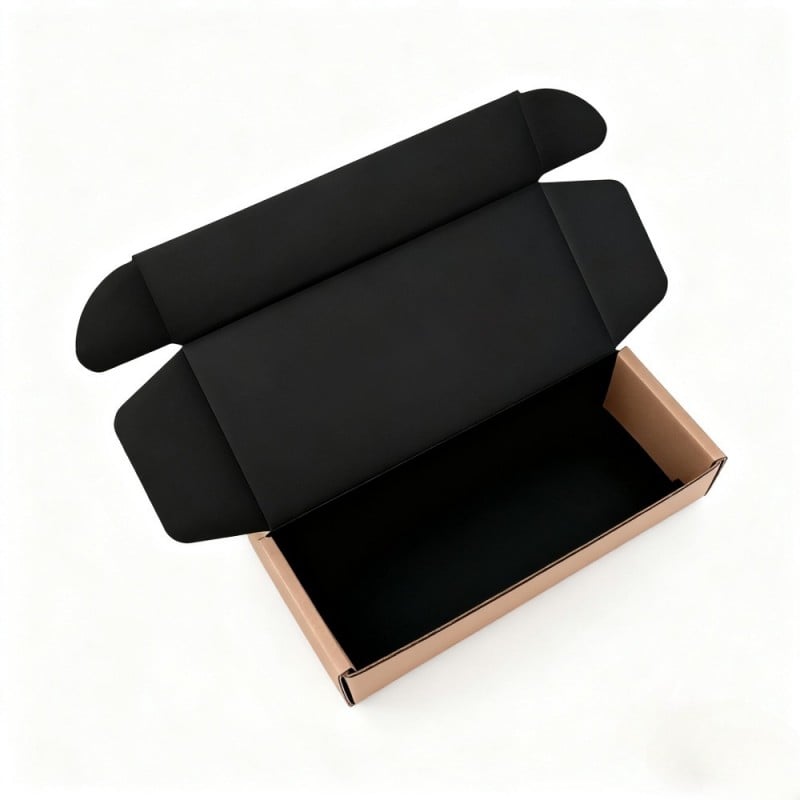
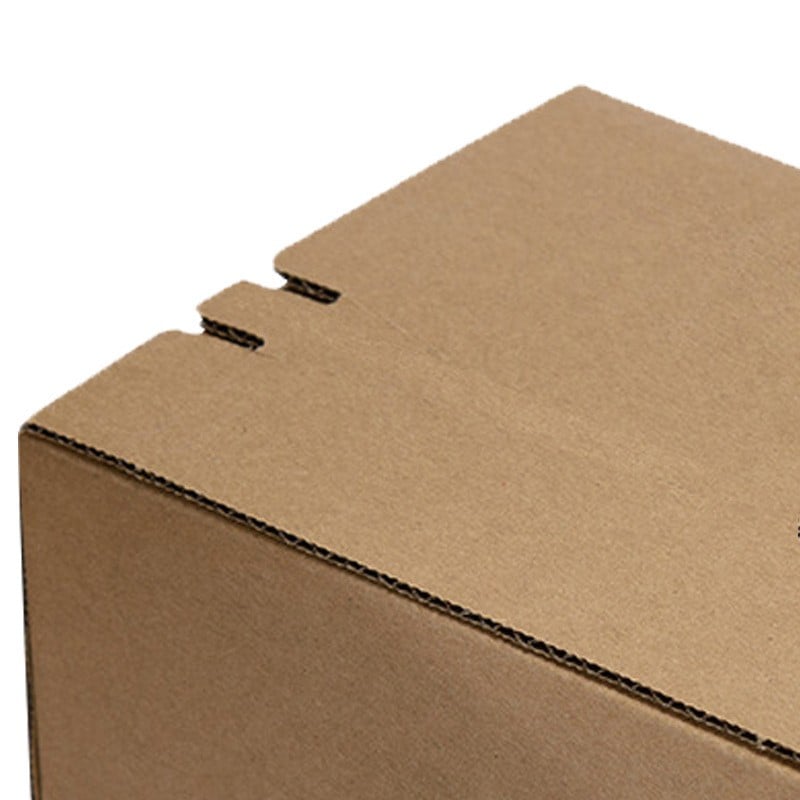
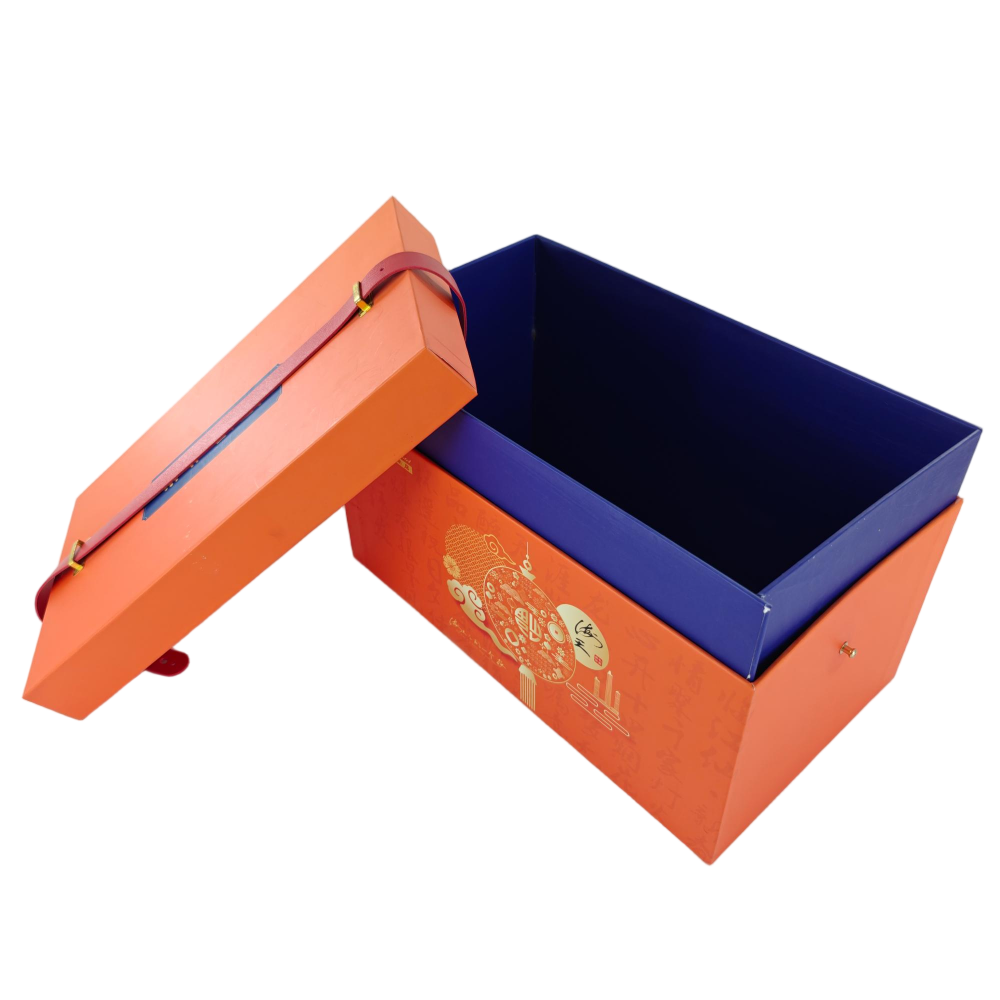
Large cardboard boxes for shipping are essential packaging solutions designed to safely transport bulky, heavy, or multiple items across various distances. These robust containers provide superior protection during transit, ensuring products arrive at their destination intact and undamaged. Manufactured from high-quality corrugated cardboard, large cardboard boxes for shipping feature reinforced walls and edges that withstand stacking pressure, handling stress, and environmental conditions encountered during transportation. The corrugated structure consists of multiple layers including an inner liner, fluted medium, and outer liner, creating cushioning that absorbs shocks and impacts. These boxes come in various dimensions to accommodate different product sizes, from furniture and electronics to bulk inventory and e-commerce shipments. The versatility of large cardboard boxes for shipping makes them suitable for businesses of all sizes, including manufacturers, retailers, distributors, and individuals relocating or storing belongings. They offer excellent printability, allowing companies to display branding, handling instructions, and shipping information clearly. The lightweight yet durable construction reduces shipping costs while maintaining structural integrity. Environmental sustainability is another key feature, as these boxes are recyclable and often made from recycled materials. Whether shipping oversized items domestically or internationally, large cardboard boxes for shipping provide cost-effective, reliable, and eco-friendly solutions that meet diverse logistical requirements across industries.
 EN
EN